A Trusted Dental Practice in Berlin Steglitz for Expats and Locals
Published on 05/05/2026 at 07:01 | Editorial responsibility: Rafael Müller, Editor-in-Chief AD HOC NEWS
Moving to a new country is exciting, but when toothache strikes or you suddenly need a dentist, the excitement can quickly turn into stress. For many international residents in Berlin, even booking a simple check-up can feel complicated: unfamiliar insurance rules, phone calls in German, and the fear of not being fully understood when it matters most—your health. Add a history of dental anxiety or a previous bad experience, and the search for the right dental practice in Berlin can become emotionally exhausting.
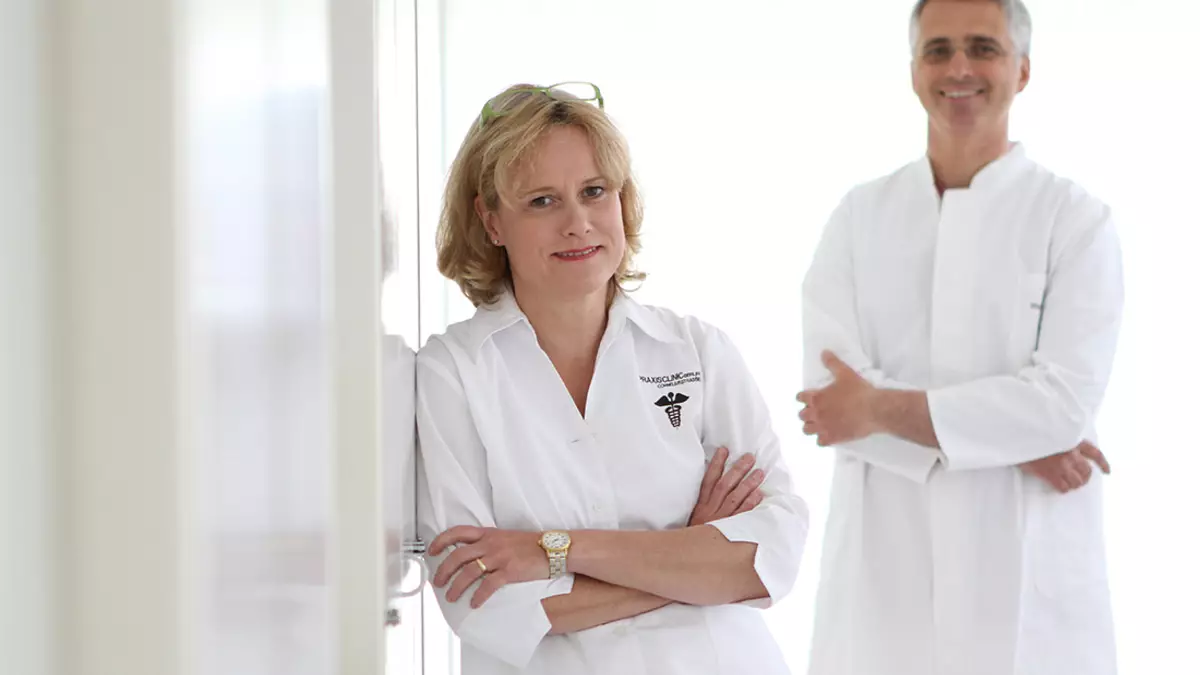
In this context, finding a Dental Practice in Berlin Steglitz that combines high medical standards, clear communication in English, and a truly holistic view of oral health is more than a convenience—it is a foundation for long-term wellbeing. The Zahnarzt-Praxis Berlin Steglitz of Dr. Djamchidi & A. Jannack has built its reputation exactly on this combination: advanced dentistry, deep medical competence, and an empathetic, human approach that respects both local patients and the international community in Berlin's southwest.
Many expats living around Schloßstraße, Steglitz, and nearby Zehlendorf describe similar worries: Will the dentist recommend unnecessary treatments? Will they explain the options and costs clearly? Will my fears be taken seriously? And, crucially: can I trust this team with complex treatments like implantology, oral surgery, or root canal treatment? At this practice, the answer consistently leans toward yes—supported by years of experience, a unique double medical qualification, and a strong focus on tooth preservation.
One of the most distinctive features of this Dental Practice in Berlin Steglitz is the profile of Dr. Djamchidi. He holds a double approbation: he is both a fully qualified physician and ENT specialist and a dentist. This combination is rare and extremely valuable, especially in the field of implantology and oral surgery. It means that when he looks into your mouth, he does not only see teeth and gums; he sees the entire system of structures that surround them—bone, sinuses, airway, and the complex anatomy of the face and neck.
For patients, this so-called "double view" has very concrete advantages. In implantology, for example, placing a dental implant is not simply about drilling a hole in the bone and inserting a titanium screw. Above the upper back teeth lies the maxillary sinus, a delicate, air-filled cavity that plays a role in breathing and resonance of the voice. As people age, or after tooth loss, the bone between the mouth and this maxillary sinus often becomes thinner. Without careful planning and anatomical understanding, an implant can come dangerously close to this space or even penetrate it, leading to infection or chronic sinus problems.
This is precisely where the ENT background of Dr. Djamchidi becomes a real safety benefit. As a specialist in ear, nose, and throat medicine, he has in-depth knowledge of sinus anatomy and physiology. When he evaluates a patient for implants in the upper jaw, he can realistically assess the relationship between the planned implant site and the maxillary sinus floor. If a sinus lift—a procedure that gently raises the sinus membrane and augments the bone—is necessary, he performs it with the confidence and precision of someone who understands both the oral and ENT aspects of the region.
For a layperson, a sinus lift might sound worrying, but in experienced hands it is a well-established, minimally invasive procedure. The goal is to create enough stable bone height so that an implant can be anchored securely without irritating or opening the sinus. Thanks to his dual qualification, Dr. Djamchidi can evaluate sinus health, prevent complications such as chronic sinusitis, and coordinate the whole procedure with a full medical perspective. For patients who have existing ENT issues—frequent sinus infections, nasal polyps, or structural deviations—this combined expertise is particularly reassuring.
Another key advantage of the double approbation lies in overall risk assessment. Many expats arrive in Berlin with complex medical histories: allergies, autoimmune diseases, cardiovascular conditions, or medications that affect bone metabolism and blood clotting. As a physician, Dr. Djamchidi can interpret medical reports, understand systemic diseases, and tailor dental and implantological treatment accordingly. This includes evaluating the biocompatibility of materials, choosing suitable medications, and coordinating with your general practitioner or specialist if necessary.
Imagine, for example, a patient from the UK or the United States with a history of sinus surgery and long-term medication for high blood pressure. A standard dentist might see a missing molar and suggest a straightforward implant. A dentist who is also an ENT physician, however, will carefully analyze sinus ventilation, the thickness of the sinus floor, the potential impact of blood pressure medication on bleeding and wound healing, and the overall resilience of the bone. This deeper level of analysis directly translates into better safety and long-term success of the treatment.
It is not only about surgery, though. The physician's perspective also deepens the understanding of links between oral health and systemic health. Gum disease, chronic infections around the roots, or poorly healed extraction sites can influence general health, from cardiovascular risk to chronic inflammatory conditions. Having a practitioner who can interpret blood values, understand interactions with systemic medications, and look beyond the mouth offers expats and locals alike a sense of medical security that is rare in everyday dental care.
While implantology and oral surgery are often necessary, the philosophy of the practice is clear: preserve natural teeth whenever reasonably possible. This is where Annette Jannack, with her focus on endodontics and aesthetics, brings complimentary excellence to the team. Endodontics, the field dealing with the inside of the tooth (pulp and root canals), is sometimes misunderstood. Many patients only hear the words "root canal treatment" and immediately think of pain or fear. Modern endodontics, however, aims to save teeth that would otherwise be lost—and when done with skill and the help of microscopic dentistry, it can be gentle, precise, and remarkably successful.
A tooth is not a solid block of material; it is a living structure with a central canal system that contains nerves and blood vessels. Deep decay, trauma, or cracks can allow bacteria to reach this inner space, causing inflammation and pain. If untreated, the infection can spread into the jawbone, leading to abscesses, swelling, and in severe cases even affecting overall health. The traditional solution used to be extraction, followed by a bridge or implant. But every natural tooth you keep protects jawbone volume, chewing function, and the natural harmony of your bite.
Annette Jannack's specialisation in endodontics is built on the principle "Zahnerhalt vor Zahnersatz"—tooth preservation before tooth replacement. With modern root canal treatment techniques, she cleans and shapes the fine network of canals inside the tooth, removes infected tissue, and disinfects the area thoroughly. This is where microscopic dentistry plays a crucial role. Using optical magnification and special lighting, she can see details that remain invisible to the naked eye: additional, hidden canals, tiny cracks, or anatomical variations. This level of precision significantly raises the chances that a treated tooth will remain symptom-free and functional for many years.
The process of endodontic treatment is more complex than simply "drilling and filling." After local anesthesia, small access points are created to reach the root canals. Special instruments and irrigation solutions are used to mechanically and chemically clean the canal space. The canals are then dried and filled with a biocompatible material that seals them tightly, preventing bacteria from re-entering. Finally, the tooth is restored—often with an inlay, onlay, or crown—to protect it from fracture. For patients, this means that even severely damaged teeth in visible areas can be both saved and restored aesthetically, avoiding the psychological and functional impact of tooth loss.
Annette Jannack also places strong emphasis on aesthetics as part of overall wellbeing. For many international professionals in Berlin, appearance matters—whether they work in business, academia, or the creative industries. A healthy, natural-looking smile supports confidence and ease in social and professional situations. The practice therefore offers carefully planned aesthetic restorations that integrate harmoniously with existing teeth: color-matched fillings, ceramic inlays, veneers, and crowns designed to look and feel like natural enamel rather than "dental work."
Yet aesthetics here is never superficial. It is always combined with functional stability and long-term tooth preservation. For example, in front teeth that have undergone root canal treatment, the focus is not only on bright, beautiful color, but also on reinforcing the tooth structure, stabilizing the bite, and maintaining healthy gums around the restoration. This balance of form and function is exactly what experienced endodontic and aesthetic dentistry can achieve.
Many patients—especially those who have moved to Berlin from abroad—carry strong dental anxiety. Some had traumatic treatments as children; others are simply scared of pain, needles, or losing control in the chair. The team at this Zahnarzt practice approaches these fears not as a personal weakness, but as a very understandable human reaction. From the first phone call, patients are encouraged to speak honestly about their concerns, whether in German or English.
The treatment philosophy is built on respect, transparency, and step-by-step explanation. Before any procedure, the dentist takes time to explain what will happen, what sensations to expect, and what options exist for pain control and relaxation. For some patients, gentle local anesthesia and a calm, communicative style are sufficient. Others benefit from additional support options, such as mild sedation techniques or twilight sleep, in which you remain responsive but deeply relaxed and with little memory of the procedure afterward.
For longer or more complex treatments—such as multiple root canal sessions, oral surgery, or implant placement—these sedation options can be a decisive factor in overcoming years of avoidance. When appropriate and safe, they allow patients with severe dental anxiety finally to receive the treatment they need without overwhelming stress. In some cases, complementary methods such as homeopathic support are discussed, always with a clear medical and evidence-based perspective. The primary aim is simple: to make dentistry as minimally invasive and emotionally manageable as possible.
The environment of the practice reinforces this approach. Rather than a cold clinical atmosphere, patients encounter a warm, human-scale space in a classic Berlin Altbau building in Steglitz. High ceilings, characteristic stairways, and the sense of history typical for Berlin Southwest create a special ambience. It feels like real Berlin, not a generic medical box. At the same time, treatment rooms are equipped with modern technology, ensuring that behind the charming facade lies up-to-date diagnostic and treatment equipment.
It is important to be transparent: the historic building means that the practice is not barrier-free. There is no elevator, and reaching the treatment rooms requires climbing stairs. For patients with significant mobility limitations, this can represent a genuine obstacle and should be discussed in advance by phone. The team is open and honest about this constraint, precisely because trust begins with clear information. For many others, however, this Altbau character is part of the authentic Berlin experience—especially compared with anonymous medical centers. Located in Berlin Steglitz, not far from the bustling Schloßstraße and well connected to public transport, the practice is easy to integrate into everyday city life.
For those arriving by car, the area offers practical parking options in the surrounding streets and nearby parking facilities, which is not always a given in central Berlin. Whether you live in Steglitz itself, commute from Zehlendorf, or come in from another district, the location in Berlin's southwest makes the practice accessible without the need to cross the entire city.
For expats used to different healthcare systems—such as the National Health Service in the UK, private insurances in the US, or other European models—the German system can feel unfamiliar at first. In this practice, the team is used to guiding international patients through questions about coverage, treatment plans, and cost estimates. Terms are explained in clear language, and you are encouraged to ask for clarification at any time. Seeking a second opinion is welcomed, not discouraged; it is considered part of responsible health decision-making.
To help you imagine what it is like to become a patient here, consider a typical first visit scenario. You have recently moved to Berlin and feel intermittent pain when chewing on one side. You search online for an English-speaking dentist in Steglitz and come across the website of the practice. The combination of medical and dental expertise, the focus on endodontics and tooth preservation, and the clear descriptions of services appeal to you, so you decide to book a consultation.
After contacting the reception—either by phone or email—you receive an appointment and practical information about what to bring: your insurance card, any existing X-rays or medical reports, and a list of medications if you take any regularly. When you arrive at the Altbau entrance in Steglitz, you climb the stairs and enter a reception area that feels both professional and personal. The staff greet you in German or English, depending on your preference, and invite you to fill in an anamnesis form.
The anamnesis process is more than a standard formality. You are asked about general health conditions, allergies, previous surgeries, and current medications. This is where the double approbation and medical experience of the team starts to matter: your information is not only stored, but interpreted. Do your blood thinners affect bleeding risk during oral surgery? Could your autoimmune disease influence healing after implant placement? Are any of your medications relevant to bone density or saliva flow, thereby increasing caries risk? These questions help shape a tailored treatment strategy.
Once in the treatment room, your dentist—either Dr. Djamchidi or Annette Jannack, depending on the issue—takes time for a thorough conversation before the clinical examination. You are encouraged to describe your symptoms, your fears, and your expectations. If you have dental anxiety, this is the moment to say so openly. The response is not judgment, but a supportive discussion of how to proceed step by step and what sedation or comfort options are available if needed.
The clinical examination itself typically includes checking teeth, gums, bite, and possibly taking digital X-rays to evaluate the roots, bone, and maxillary sinus floor when relevant. In your case, the X-ray reveals a deep carious lesion close to the pulp in a molar. Instead of immediately recommending extraction and an implant, the dentist evaluates whether the tooth can be saved with root canal treatment. Thanks to the practice's strong competence in endodontics and microscopic dentistry, this is often a realistic and predictable option.
You receive a detailed explanation of the findings and of the different treatment pathways: for example, conservative filling versus root canal treatment versus extraction and implant. For each option, the benefits, risks, number of appointments, and financial aspects are explained clearly. You are invited to ask questions and even take time to think about your decision. If you wish, you can request a written treatment and cost plan to discuss with your partner or to compare with another opinion.
Suppose you decide to proceed with root canal treatment and subsequent restoration. The treatment is planned around your schedule, with attention to minimizing discomfort. During the actual procedure, local anesthesia ensures you feel no pain. The dentist informs you calmly about each step as it happens, or, if you prefer, allows you to listen to music and simply rest. Thanks to magnification and modern instruments, the cleaning and shaping of the root canals are performed with high precision. Afterward, you might receive a temporary filling or provisional restoration, followed by a final crown or inlay once the tooth has stabilized.
If at any point implants or oral surgery become relevant—for example, if a tooth is truly non-restorable—your case will be evaluated with the added depth of ENT and medical knowledge. The relationship between planned implants and your sinus, bone quality, and systemic health is analyzed in detail. Sedation or twilight sleep can be discussed for surgical sessions, especially if you are anxious or if multiple implants or grafting procedures are planned. Throughout the journey, you experience continuity: the same team that diagnoses you also treats and follows up, building trust over time.
Preventive care is equally central to the patient journey. After acute issues are addressed, you will likely be invited to regular prophylaxis sessions. Professional cleanings help to prevent gum disease, protect restorations, and maintain a healthy environment for both natural teeth and implants. For expats who travel frequently or split their time between countries, the practice can help coordinate recall intervals and provide documentation you can share with dentists in your home country if needed.
For parents, the practice also offers gentle dentistry for younger family members. Teaching children good oral hygiene habits early—and giving them positive experiences at the dentist—can prevent anxiety later in life. Many international families in Steglitz and Zehlendorf appreciate having a single, trusted Zahnarzt team for all members of the household, from early childhood to older age.
In summary, what makes this Zahnarzt-Praxis in Berlin Steglitz a compelling choice for both locals and expats is not just one factor, but the interplay of many strengths. The double approbation of Dr. Djamchidi brings a physician's depth of understanding to dental and implantological treatments, especially in complex areas like the maxillary sinus and systemic risk management. This translates into greater safety and confidence for patients undergoing oral surgery or considering long-term implant solutions.
At the same time, the dedicated focus of Annette Jannack on endodontics and aesthetics ensures that tooth preservation is always prioritized. With modern root canal treatment and microscopic dentistry, teeth that once would have been extracted can often be saved and restored both functionally and visually. This commitment to "tooth before prosthesis" aligns with a conservative, sustainable philosophy of care that respects the natural biology of your mouth.
The practice's approach to dental anxiety, sedation, and minimal invasiveness shows a deep respect for the emotional side of dental treatment. By combining clear communication, flexible comfort options, and a calm, empathetic style, the team helps patients move from avoidance to proactive care. For many expats navigating a new city and language, the availability of an English-speaking dentist who truly listens and explains is invaluable.
Situated in a characteristic Altbau in Berlin Steglitz, close to Schloßstraße and well connected to Zehlendorf and the broader Berlin Southwest, the practice embodies both the charm of historic Berlin architecture and the standards of modern medicine. The honest communication about non-barrier-free access underscores its commitment to transparency. Parking and public transport options make visits practical for busy professionals and families alike.
Ultimately, choosing a dental practice is about trust. Trust that your health will be seen in context, not in isolation; that recommendations will be based on evidence and tailored to you; and that you will be treated as a person, not a number. For those seeking a dependable, medically informed, and human-centered dental partner in Berlin, the Zahnarzt-Praxis Berlin Steglitz of Dr. Djamchidi & Annette Jannack stands out as a strong, long-term choice.
Disclaimer regarding our articles: No investment advice, no buy or sell recommendation. Information on prices, companies, and markets is provided without guarantee; changes are possible at any time. Stock market transactions can lead to substantial losses. Our articles are created and reviewed in whole or in part automatically with the support of AI.