A Trusted Dental Practice in Berlin Steglitz for Expats and Locals
04.05.2026 - 07:01:59 | ad-hoc-news.de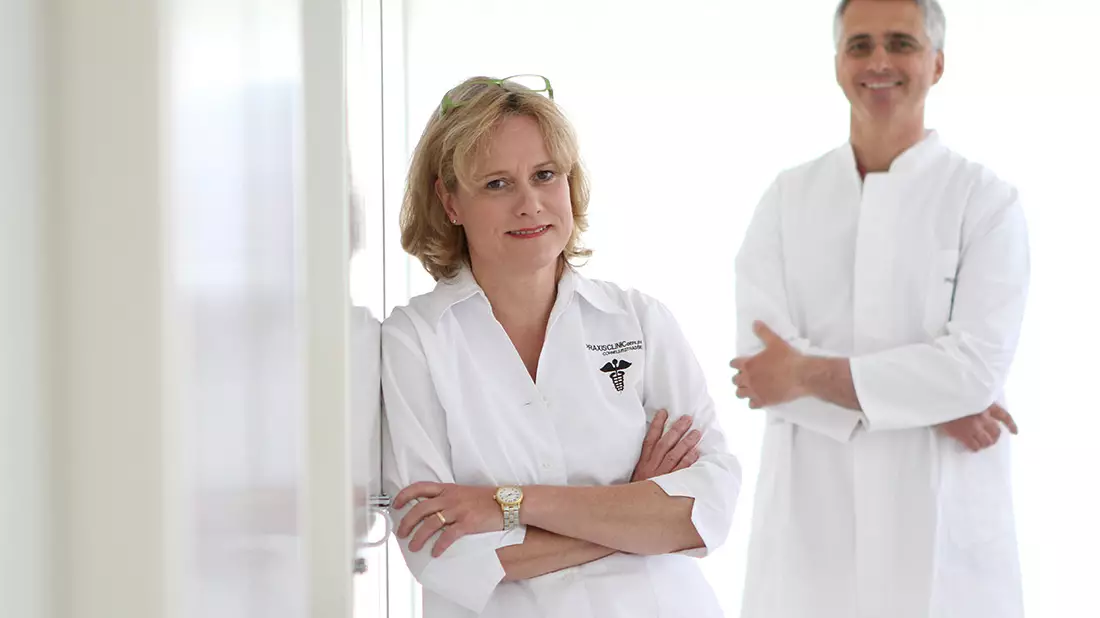
Arriving in a new country is exciting, but it can also be unsettling when it comes to your health. Many international residents in Berlin only realize this the first time they wake up with a toothache, break a filling on a Saturday night, or discover that an old crown from back home has started to loosen. Suddenly, you are not just dealing with pain or anxiety about dental treatment; you are navigating a new healthcare system, a different language, and unfamiliar expectations about costs, insurance, and quality standards.
For many expats and internationally minded Berliners, the search for a reliable dental practice feels like a small odyssey. Will the dentist speak English well enough to explain complex procedures? Will they respect your fears if you suffer from dental anxiety? Will they offer modern, minimally invasive methods instead of pushing quick, aggressive solutions? And will they understand that you might come from a different dental culture, whether it is the UK, the US, Asia, or elsewhere, where treatment approaches can differ significantly from what is common in Germany?
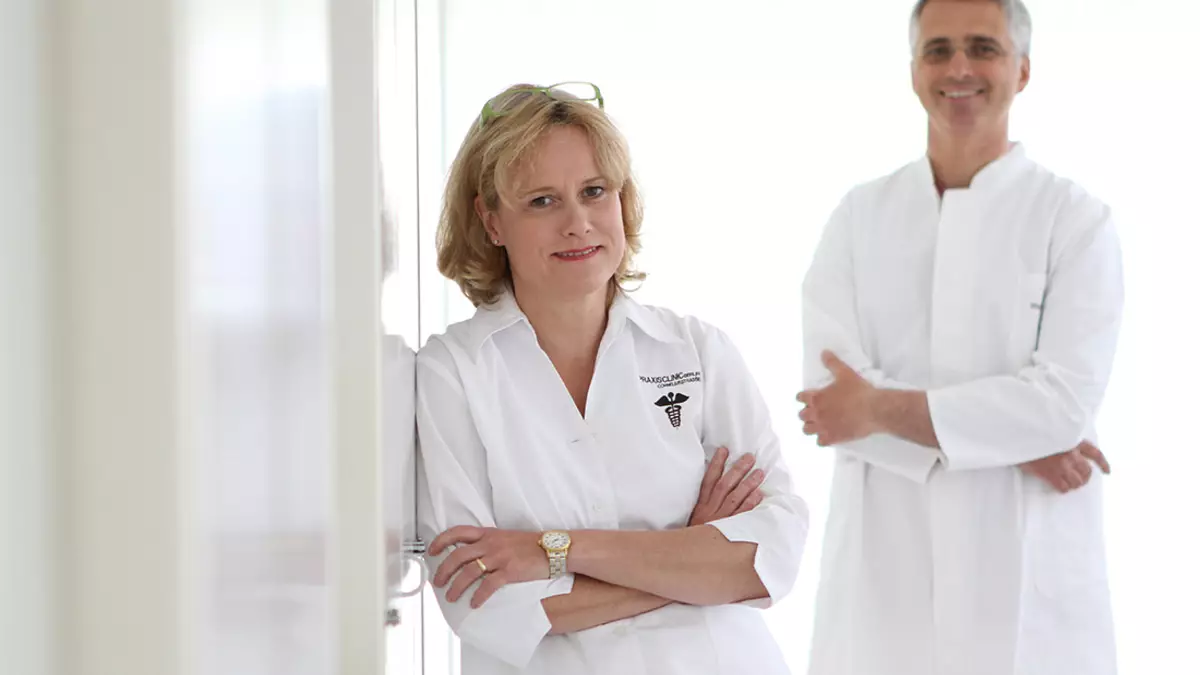
In Berlin Steglitz, one dental practice stands out for addressing exactly these concerns: the Zahnarzt-Praxis Berlin Steglitz of Dr. Djamchidi & Annette Jannack. Officially a "Zahnarzt-Praxis" in German, this is a genuinely international dental practice in Berlin Steglitz that combines medical depth, technical excellence, and the kind of personal communication that helps both locals and expats feel safe and well-informed.
What makes this dental practice special starts with its unique leadership team. At first glance, you see a modern practice with a strong focus on tooth preservation, implantology, and aesthetics. Look closer, and you discover something rare in the world of dentistry: double approbation. This means that the practice owner, Dr. Djamchidi, is not only a fully qualified dentist, but also a physician and ENT (Ear, Nose, Throat) specialist. Combined with the expertise of dentist Annette Jannack in endodontics and aesthetic dentistry, this creates a holistic, medically grounded approach that is particularly valuable for complex treatments like dental implants, sinus lift procedures, and advanced root canal treatment.
To understand why this matters, imagine a typical dental implant case in the upper jaw. When a tooth in the back of the upper jaw is lost, the bone that once held the tooth root begins to shrink over time. Above this area lies the maxillary sinus, an air-filled cavity that also plays a role in breathing and pressure equalization. If the bone beneath the maxillary sinus becomes too thin, a standard implant cannot be placed safely without first increasing the bone height. This is where techniques like sinus lift surgery come into play.
For many patients, the idea of surgery so close to such delicate anatomy is frightening. How close is the sinus? What happens if it is accidentally perforated? How might it affect breathing, sinus health, or future infections? When your implantologist is also an ENT specialist and physician, as in the case of Dr. Djamchidi, these questions are not an afterthought. They are central to the planning process from the very beginning.
In a double-approbated setting, implantology and oral surgery are not treated as isolated dental procedures, but as part of the overall function of your face and upper airway. This means that for treatments around the maxillary sinus floor, the physician's eye evaluates not only the bone volume and gum tissue, but also the condition of the sinus membrane, the ventilation of the nasal cavity, and the interaction between the oral and ENT areas.
During a consultation for implants or other oral surgery, patients in this dental practice in Berlin Steglitz can expect a far-reaching evaluation. Detailed imaging, such as digital X-rays or 3D imaging when indicated, allows the team to assess bone structure, sinus anatomy, and existing dental work. But what truly differentiates the practice is how these findings are interpreted: not just in terms of "Is there enough bone to place an implant?" but also "What does this mean for your sinus health, your breathing, and the long-term stability of the implant?"
This dual perspective has tangible safety benefits. For example, if the maxillary sinus floor is very low or the sinus membrane appears thickened or inflamed, a dentist without ENT training might focus primarily on the technical feasibility of lifting the sinus and adding bone material. A physician-ENT-dentist like Dr. Djamchidi can go a step further, considering whether underlying sinus disease needs attention first, which materials are particularly biocompatible for you, and how the risk of postoperative sinusitis can be minimized.
Biocompatibility is another area where medical and dental knowledge intersect. Implant materials, bone substitute products, and even local anesthesia can trigger immune or inflammatory reactions in sensitive individuals. With a background in general medicine and ENT, Dr. Djamchidi is trained to recognize systemic connections and allergic tendencies more quickly. This allows for more personalized planning, for example choosing specific materials, adapting dosages, or coordinating with your family doctor if you have complex medical histories, such as autoimmune disease, cardiovascular conditions, or blood-thinning medication.
For patients, this translates into a sense of security: your implantology or oral surgery is not happening in a vacuum, but with full awareness of its interaction with your entire body. Especially for expats used to highly specialized, interdisciplinary care in their home countries, this comprehensive approach can feel reassuringly familiar. The fact that the team communicates clearly in English adds another layer of comfort, making it easier to ask critical questions and to understand the explanations about your maxillary sinus, bone quality, and surgical plan.
Of course, implantology is not just about surgery. It is also about aesthetics and long-term function. Where exactly will the implant be placed so that the final crown looks natural, is easy to clean, and harmonizes with your smile? How do your jaw joints and chewing patterns influence the choice of implant position and prosthetic design? A physician-dentist with experience in both oral surgery and comprehensive diagnostics can coordinate these elements into a unified plan, rather than approaching each aspect separately.
At the heart of the practice, however, lies a very down-to-earth philosophy: save the natural tooth whenever it is reasonably possible. This is where the expertise of dentist Annette Jannack becomes central. As a specialist in endodontics and aesthetic dentistry, she embodies the concept known in German as "Zahnerhalt vor Zahnersatz" – tooth preservation before tooth replacement.
Endodontics is often summarized as "root canal treatment," but in a high-level setting it is much more than simply cleaning a canal and filling it. When bacteria reach the pulp (nerve) inside the tooth, either due to deep decay, trauma, or cracks, the inner tissue becomes inflamed or dies. If untreated, this infection can spread into the surrounding bone, creating pain, abscesses, and even systemic problems. A precise, modern root canal treatment aims to remove this infected tissue, disinfect the intricate canal system, and seal it tightly so that bacteria cannot return.
In the dental practice of Dr. Djamchidi & A. Jannack in Berlin Steglitz, endodontics is approached with microscopic dentistry and meticulous attention to detail. Using magnification, fine instruments, and modern irrigation methods, the goal is to clean not just the main canals but also the many tiny branches that are invisible to the naked eye. This is crucial because even a small pocket of remaining bacteria can compromise the long-term success of the treatment.
For patients, the process is explained step by step in clear, accessible language. First, the tooth is examined clinically and radiographically. The dentist assesses how far the infection has progressed, whether the tooth is cracked, and whether the surrounding bone has already reacted. You are informed about the prognosis: is this a tooth that has a good chance of long-term survival with advanced endodontic therapy, or is the damage too severe? The goal is not to perform a root canal at any price, but to recommend it when it truly offers a stable, cost-effective, and biologically sensible alternative to extraction and implants.
Modern materials and techniques also influence the success of endodontic treatment. Bioceramic sealers and thermoplastic filling techniques allow for three-dimensional sealing of the canal system, reducing the risk of reinfection. In some cases, revision of old, failing root canal treatments is possible: removing old, leaking fillings, cleaning the canals again under magnification, and sealing them with contemporary materials. For patients who might otherwise be sent directly to implantology, this can mean many extra years of function from their own tooth.
But endodontics in this practice is not isolated from aesthetics. Once the internal infection has been eliminated, the external structure of the tooth must be restored in a way that is both beautiful and durable. This is where aesthetic dentistry comes into play. For heavily damaged teeth, carefully designed crowns or partial crowns are created to protect the remaining tooth structure while blending naturally with your other teeth. Color, shape, and translucency are adjusted to your individual smile, something that is particularly appreciated by patients working in international environments or public-facing professions.
This integrated approach – combining advanced endodontics with aesthetic restoration – allows many teeth to be saved that might otherwise be lost. For international patients, there is often a financial and emotional dimension to this. In many countries, high-quality crowns and implants are extremely expensive, and patients may come to Berlin either with existing complex work or with high expectations for long-term value. Knowing that the practice is committed to tooth preservation whenever medically reasonable helps create trust and aligns with a more conservative, sustainable philosophy of care.
Dentistry is not only about techniques and materials; it is also about emotions. Dental anxiety is common worldwide, and it does not magically disappear when you move to Berlin. In fact, language barriers and unfamiliar surroundings can make fear even more intense. The team in this dental practice in Berlin Steglitz is very aware of this. From the first phone call or email, anxious patients are invited to talk openly about their concerns. You are not expected to be "brave" or to hide your fear; instead, anxiety is treated as a normal human reaction that deserves empathy and professional handling.
During the first visit, the focus is often on conversation rather than immediate treatment. The dentist will take time to listen to your history: bad experiences in childhood, traumatic extractions, painful injections elsewhere, or simply the fear of losing control in the chair. Based on this, an individualized plan is created. This can include particularly gentle injection techniques, longer appointment times to avoid rushing, and the possibility of dividing complex treatments into smaller, more manageable sessions.
For patients with pronounced dental anxiety, options such as sedation or treatment in twilight sleep can be discussed. Sedation dentistry allows you to remain responsive but deeply relaxed, with reduced perception of time and reduced memory of the procedure itself. While not every case requires sedation, knowing that it is available often calms patients even before any sedative is given. Minimally invasive methods are also emphasized wherever possible, reducing tissue trauma, postoperative pain, and recovery time.
Some patients ask about additional supportive options, including gentle, complementary approaches. In these conversations, the practice aims to stay evidence-based while respecting individual preferences. Whether you are interested in simple relaxation strategies, noise-cancelling headphones, or integrating mild complementary remedies alongside conventional dentistry, the team is open to discussing what makes you feel safest, as long as it is medically responsible.
Another important component of reducing anxiety is transparency. Treatment plans, costs, and possible alternatives are explained clearly – in German or English, depending on your preference. If you would like a second opinion, this is not viewed negatively; it is seen as a healthy part of informed decision-making. Many expats are used to getting second opinions in their home countries, especially for implants, complex root canal treatments, or extensive aesthetic work. The practice supports this perspective because it shows that you take your health seriously and want to fully understand your options.
The physical setting of the practice also contributes to its particular character. Located in Berlin-Steglitz, in the southwest of the city, the practice is close to Schloßstraße, the main shopping artery of Steglitz and a well-known reference point for both locals and visitors. The building itself is an Altbau – a classic older building with high ceilings and historical flair. This brings a special atmosphere that many people associate with the quintessential Berlin experience: ornate facades, generous stairwells, and a sense of architectural history.
However, this authentic charm also means that the practice is not barrier-free. There is no elevator, and patients must use stairs to reach the treatment rooms. This is clearly communicated so that patients with reduced mobility can plan accordingly or consider whether this location is suitable for them. For many, the climb is part of the everyday reality of life in Berlin, where many attractive Altbau apartments and practices are located in historic buildings without lifts. For others, particularly those with mobility impairments, it is important to know this limitation in advance. The practice team is honest about this while still highlighting the advantages of the location: good public transport connections, nearby parking possibilities, and the lively yet relaxed atmosphere of Berlin southwest, between Steglitz and neighboring Zehlendorf.
Getting to the practice is straightforward for most residents. Several bus and U-Bahn connections converge around Schloßstraße, making it easy to reach from other parts of Berlin. Patients coming from Zehlendorf or further southwest often appreciate that they do not have to cross the entire city center to find high-level implantology, endodontics, and aesthetics. Instead, they can stay within their own part of town while still benefiting from an English-speaking dentist and a medically sophisticated approach.
To make the experience more concrete, imagine your first visit as a new patient at this dental practice in Berlin Steglitz. Perhaps you have recently moved to Berlin for work, or you have lived here for years but never really found a dentist you fully trust. One of your molars has started to ache intermittently, and you are worried it might be something serious. You fill out the online form or call the practice, relieved to find that the receptionist can speak to you in English without hesitation.
When you arrive, you enter the classic Berlin Altbau staircase, climbing the stairs that lead to the practice. Inside, the atmosphere is professional yet warm. You are welcomed, your insurance details are clarified – whether you are privately insured, part of the German statutory system, or covered by international health insurance – and you are given a brief medical history form. If you have questions about how German dental billing works or what parts your insurance might cover, the team explains as clearly as possible, helping to reduce the bureaucratic fear that many expats feel.
In the consultation room, the dentist takes time to talk. You are asked not only about your current problem but also about your general health, medications, allergies, and past dental experiences. If you are considering implants in the future, or if you already have complex dental work from another country, this is the perfect moment to discuss it. In cases where sinus anatomy or systemic health might play a role, the physician-dentist perspective of Dr. Djamchidi becomes particularly valuable.
After the anamnesis, an examination is carried out. The dentist looks at your teeth, gums, and bite, possibly supplemented by digital X-rays to assess the tooth roots, bone structure, and maxillary sinus area if relevant. If the aching molar shows signs of deep decay or a previous root canal that may be failing, someone like Annette Jannack will explain the options: can the tooth be saved with advanced endodontics, or is extraction and replacement by an implant a more predictable solution?
You are shown the images, and the findings are interpreted in language you understand. Technical terms like "maxillary sinus floor," "biocompatibility," or "microscopic dentistry" are explained patiently. If a sinus lift or bone augmentation is necessary for a future implant, the procedure is contextualized: what structures are involved, how the sinus membrane is handled, what measures are taken to prevent complications, and how your overall ENT health is considered in the planning. If a root canal treatment is recommended instead, you learn how the treatment will proceed over one or several sessions, what success rates can be expected, and how the tooth will be restored aesthetically afterward.
Together with the dentist, you decide on a plan. If you are anxious, options for sedation or particularly gentle approaches are integrated from the start. You receive a written cost estimate that you can review at home and, if desired, discuss with your insurance or use to seek a second opinion. There is no pressure; the emphasis is on informed, collaborative decision-making.
On the treatment day, the team makes sure you feel as comfortable as possible. Local anesthesia is given slowly and carefully, with attention to your feedback. For root canal treatments, rubber dam isolation is typically used to keep the area clean and to prevent you from swallowing small instruments or materials. Under magnification, the canals are cleaned and shaped, with regular rinsing to remove bacteria and debris. Whether the focus is tooth preservation, implantology, or aesthetic correction, each step is communicated in brief, understandable explanations, so you never feel left in the dark.
Afterwards, you receive instructions for aftercare and, if needed, follow-up appointments. The practice also stresses the importance of prophylaxis – professional dental cleaning and individualized preventive strategies. This is particularly valuable for patients with implants or complex restorations, where plaque control and gum health are crucial for long-term success. You are encouraged to view prophylaxis not as a luxury but as a core component of tooth preservation and implant maintenance.
Over time, many patients develop a stable, trusting relationship with the practice. They come for regular check-ups, prophylaxis, and smaller treatments, knowing that if a more complex problem arises – from an infected tooth to the need for a sinus lift or implant – they already have a team that understands their history, communicates in their language, and sees both the dental and medical dimensions of their case.
In a city as large and diverse as Berlin, finding the right dentist can feel like a challenge, especially if you are navigating language, insurance, and personal anxiety. The Zahnarzt-Praxis Berlin Steglitz of Dr. Djamchidi & Annette Jannack distinguishes itself by offering a rare combination: a double-approbated physician and ENT specialist who is also a dentist, a dedicated expert in endodontics and aesthetic dentistry, and a team that genuinely understands the needs of both local and international patients.
For those seeking implantology and oral surgery, the medical depth provided by the dual qualification ensures that procedures near the maxillary sinus and other sensitive structures are carefully planned with the whole body in mind. For those hoping to avoid implants wherever possible, the emphasis on root canal treatment, microscopic dentistry, and biocompatible materials provides a strong foundation for long-term tooth preservation. And for anyone who feels nervous or overwhelmed by dental visits, the combination of empathy, clear communication in English, and options such as sedation and minimally invasive techniques creates a path toward anxiety-free treatment.
Set in a classic Berlin Altbau near Schloßstraße in Steglitz, close to Zehlendorf and the wider Berlin southwest, the practice offers both historic charm and modern technology. While the stairs and lack of elevator mean it is not barrier-free, this honest reality is balanced by a central, well-connected location and a focus on personal, accessible care once you arrive.
Whether you need a straightforward prophylaxis appointment, a detailed second opinion on a recommended implant, or a complex combination of endodontics, oral surgery, and aesthetic restoration, this dental practice in Berlin Steglitz offers a level of interdisciplinary expertise that is rare even in major cities. For expats and locals alike, it represents a place where medical knowledge, technical skill, and human understanding come together – a practice where you can feel both informed and genuinely cared for, in whichever language you feel most at home.