A Trusted Dental Practice in Berlin Steglitz for Expats and Locals
Published on 04/30/2026 at 07:01 | Editorial responsibility: Rafael Müller, Editor-in-Chief AD HOC NEWS
Moving to a new country is exciting—but it also means rebuilding your entire healthcare network from scratch. For many expats and international residents in Berlin, the first real moment of stress comes not with registering at the Bürgeramt, but when a tooth suddenly starts to hurt, when a filling breaks, or when they finally decide it is time to plan that long-postponed dental implant. At that moment, the question becomes very real: where can I find a trustworthy Dental Practice in Berlin that understands both high international standards and my personal fears and expectations?
In a city as large and diverse as Berlin, there is no shortage of dentists. Yet, many foreign patients quickly realize that choosing a practice is not as simple as reading a list of names. Language barriers, different approaches to treatment, unfamiliar insurance rules, and the fear of not being fully understood—medically or emotionally—can make even a routine check-up feel intimidating. Add to this a history of dental anxiety or negative childhood experiences, and the hurdle becomes even higher.
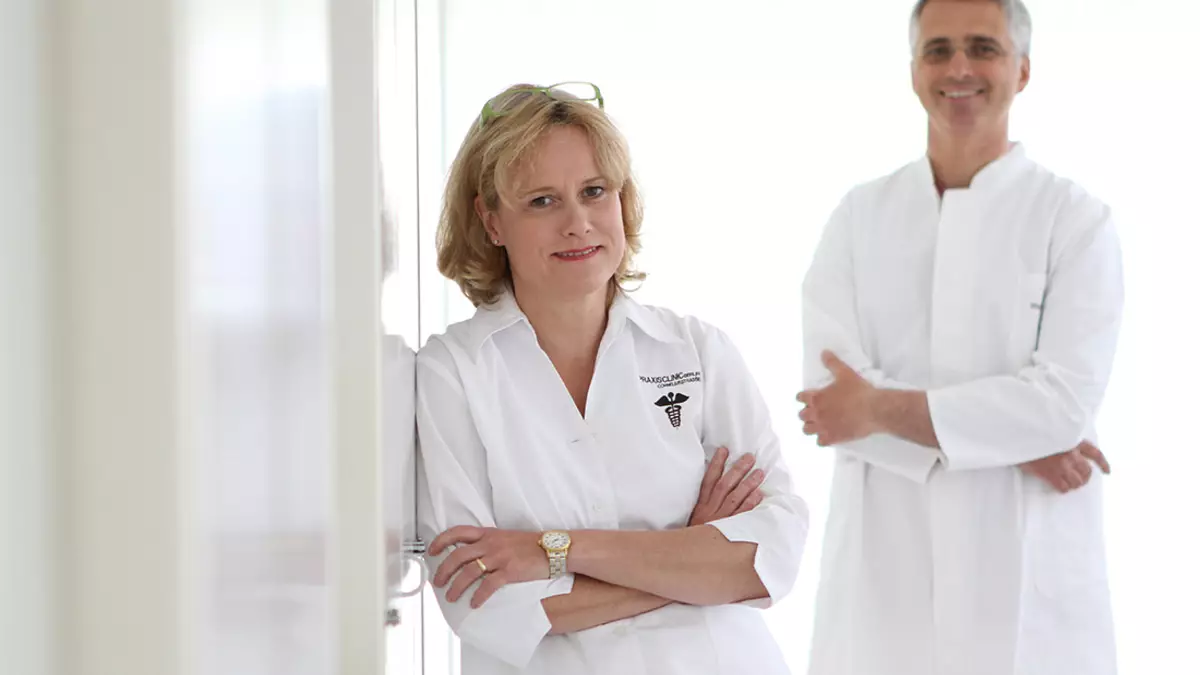
This is exactly where Zahnarzt-Praxis Berlin Steglitz (Dental Practice Berlin Steglitz – Dr. Djamchidi & A. Jannack) positions itself: as a medically advanced, empathetic, and truly bilingual partner for your long-term oral health. Located in the southwest of the city, near the well-known Schloßstraße and not far from Zehlendorf, the practice offers a rare combination of high-end implantology, meticulous tooth preservation, and a calm, human-centered atmosphere—ideal for both Berliners and expats who may still be learning how the German system works.
The practice is housed in a classic Berlin Altbau in Steglitz—a historic building with character, high ceilings, and traditional stairways. There is no elevator, and access is via stairs only, which the team communicates openly and honestly. Rather than hiding this fact, they frame it as part of the authentic Berlin experience, while doing everything possible to support patients who may need extra time or assistance getting up to the treatment rooms. For many international patients, this blend of transparency, charm, and practical help is the first sign that they have come to the right place.
For anyone researching dentists in Germany, one aspect of Zahnarzt-Praxis Berlin Steglitz stands out immediately: the unique profile of its founder, Dr. Djamchidi. He holds a double approbation—he is both a fully qualified physician and an ENT specialist (Ear, Nose, Throat) as well as a dentist. In other words, he combines the perspective of a medical doctor with that of a Zahnarzt, a combination that is particularly valuable in fields like oral surgery and implantology.
Why does this matter for you as a patient, especially when it comes to dental implants? Implantology is not just about placing a titanium screw in the jawbone. It is a discipline that sits at the interface of dentistry, surgery, and general medicine. A successful implant does more than close a gap in your smile; it integrates harmoniously into the complex system of bone, nerves, sinus cavities, soft tissue, and overall health conditions. When your implantologist also has a deep understanding of ENT anatomy and medical physiology, every step of planning and treatment gains an additional layer of safety and precision.
Take, for example, the maxillary sinus floor. In the upper jaw, particularly in the area of the premolars and molars, the roots of the teeth lie very close to the maxillary sinus—an air-filled cavity within the facial bones. When these teeth are lost and the jawbone gradually shrinks, there is often not enough bone height left to place a standard dental implant. This is where procedures such as sinus lift surgery come into play: the sinus floor is carefully elevated, and bone material is added to create a stable foundation for the future implant.
From a purely dental perspective, this is already a sophisticated procedure. From an ENT perspective, however, it goes even deeper. The sinuses are part of the respiratory system, closely linked to nasal breathing, mucous membranes, and the risk of chronic inflammation or sinusitis. A practitioner who is trained both as a dentist and as an ENT specialist understands not only the local surgical field but also how interventions in this region may influence, or be influenced by, your overall health, nasal airflow, allergies, or previous sinus problems.
With his double approbation, Dr. Djamchidi can evaluate implantology cases not only in terms of bone volume and prosthetic positioning, but also in the context of ENT-specific factors. This includes:
- Assessing the health and thickness of the sinus membrane before surgery.
- Identifying anatomical variations, such as septa or narrow sinus structures, which may affect sinus lift procedures.
- Considering chronic sinusitis, nasal polyps, or past ENT surgeries that could make certain implant strategies more or less advisable.
- Coordinating implant planning with the patient's respiratory health, especially in cases of mouth breathing or sleep-related airway issues.
For a layperson, this might sound highly technical. In reality, it translates into something very simple: added safety. If a complication arises during a sinus lift or an implant placement near the maxillary sinus floor, a practitioner with both dental and ENT training has the competence to manage it with calm confidence. This reduces the risk of postoperative sinus problems, minimizes unnecessary trauma, and helps to maintain good long-term function of both your implants and your airway.
Furthermore, a physician-dentist like Dr. Djamchidi can better integrate systemic health questions into your dental treatment. He does not see your mouth as an isolated area but as part of your entire body. Before recommending implantology or oral surgery, he will take into account:
- Chronic diseases such as diabetes, osteoporosis, or cardiovascular conditions.
- Medications like anticoagulants, bisphosphonates, or immune-suppressive drugs.
- Lifestyle factors, including smoking or bruxism (teeth grinding).
- Potential interactions with ENT-related conditions, allergies, or sleep apnea.
In implantology and oral surgery, this physician's view is especially valuable for older patients, for individuals with complex medical histories, and for those who simply want the reassurance that nothing important will be overlooked. It also supports a more nuanced conversation about options: sometimes, the safest solution is not the most aggressive surgical one, but a carefully chosen compromise that respects both your dental wishes and your general health.
At Zahnarzt-Praxis Berlin Steglitz, this medical depth is combined with modern diagnostic tools, such as digital imaging and careful oral surgery planning, to ensure that every implant and every surgical intervention is as minimally invasive as possible. This means smaller incisions, gentler handling of tissues, and reduced postoperative discomfort—important for anyone nervous about pain or lengthy recovery.
While implantology and oral surgery are crucial for replacing missing teeth, the philosophy of the practice is clear: if a natural tooth can be preserved in a biologically meaningful way, it should be. This is where the expertise of Annette Jannack comes in. As a dentist with a strong focus on endodontics and aesthetics, she embodies the principle of "Zahnerhalt vor Zahnersatz"—tooth preservation before tooth replacement.
Endodontics is the field of dentistry that deals with the inside of the tooth, particularly the dental pulp and root canals. When deep decay, cracks, or trauma allow bacteria to invade the pulp, the tooth can become inflamed or infected, often causing severe pain. In the past, such teeth were frequently extracted. Today, with modern endodontic techniques, many of these teeth can be saved through root canal treatment.
For many patients, especially expats who may have heard mixed stories about root canals in different countries, the term "root canal" can still sound frightening. Annette Jannack's work demonstrates how different the reality can be when the treatment is performed carefully, under magnification, with a focus on biocompatibility and long-term stability.
A typical root canal treatment at this Dental Practice in Berlin Steglitz follows a series of precise steps:
1. Diagnosis and planning: Detailed examinations, including digital X-rays or other imaging, are used to determine the exact shape and number of root canals and to assess the extent of infection or inflammation. Pain is analyzed, and the tooth's restorability is evaluated. The aim is not just to remove symptoms but to decide whether preserving this particular tooth is medically sensible.
2. Gentle anesthesia and access: Local anesthesia is administered to ensure that the procedure is pain-free. For anxious patients, additional calming measures are available. A small opening is then made in the tooth to access the root canal system.
3. Microscopic dentistry and cleaning: Modern endodontics relies on magnification and illumination to visualize the often extremely fine and curved canals. By using microscopic techniques, Jannack can clean and shape the root canals much more precisely, removing infected tissue and bacterial biofilm that would otherwise compromise the tooth's future.
4. Disinfection and filling: The canals are thoroughly disinfected with specific solutions to eliminate remaining bacteria. Once dry and clean, they are filled with a special biocompatible material that seals the canals tightly and prevents reinfection.
5. Stabilization and restoration: Because root-treated teeth are often brittle or heavily damaged, they require a carefully planned final restoration—such as an inlay, onlay, or crown—to restore strength and aesthetics. Here, Jannack's expertise in aesthetic dentistry comes into play, ensuring that the result is not only functional but also visually harmonious with your smile.
Throughout this process, the key is preservation: keeping your natural tooth in place, maintaining the natural contact with neighboring teeth, and preserving the chewing function and the bone around the root. Preserving teeth also reduces the need for complex prosthetics or implants in the same area later on. For many patients, especially those who value a biologically conservative approach, this feels deeply reassuring.
Endodontics at Zahnarzt-Praxis Berlin Steglitz is not performed in isolation. It is part of an integrated concept of tooth preservation that includes:
- Prophylaxis: professional dental cleaning, individual oral hygiene coaching, and regular check-ups to prevent decay and gum disease.
- Minimally invasive restorations: fillings and inlays that remove as little healthy tooth substance as possible.
- Biocompatibility considerations: selection of materials that are well-tolerated and functionally appropriate for each individual patient.
- Aesthetic optimization: aligning functional restorations with the overall appearance of your teeth and smile, particularly important for patients in visible professions or those who simply want to feel confident when they smile.
In other words, while implantology and oral surgery offer excellent ways to replace missing teeth, the practice invests just as much time and knowledge into helping you keep the teeth you already have—whenever it is medically responsible and in your best interest.
Many people, both locals and expats, carry some form of dental anxiety. Sometimes, it is a vague uneasiness; sometimes, it is a deep-seated fear that has led to years of avoidance. Being in a foreign healthcare system can magnify this anxiety: unfamiliar surroundings, different languages, and the fear that your worries might be dismissed or misunderstood.
At Zahnarzt-Praxis Berlin Steglitz, managing dental anxiety is not an afterthought; it is woven into how the team structures appointments, communicates, and designs treatment plans. From the first contact, patients are encouraged to talk openly about their fears and previous experiences. Rather than rushing you through a checklist, the team takes time to listen, to validate your feelings, and to explain each step in simple, clear English or German.
For some patients, empathic communication and a gentle approach are already enough to significantly reduce anxiety. For others—especially those facing larger procedures such as implant placement, complex root canal treatment, or surgical extractions—additional supportive options are available. These can include:
- Sedation and twilight sleep: For selected cases, procedures can be carried out under various forms of sedation, allowing you to remain relaxed, with reduced perception of time and reduced memory of the actual procedure. This approach, often described as "twilight sleep," is particularly helpful for individuals with strong procedural anxiety or a sensitive gag reflex.
- Minimally invasive techniques: The focus on minimally invasive dentistry means that tissues are handled as gently as possible, interventions are precisely planned, and unnecessary trauma is avoided. This contributes to less postoperative pain, less swelling, and faster recovery—all factors that help anxious patients feel more secure.
- Holistic support options: While the core of treatment is firmly evidence-based, some patients appreciate complementary measures such as gentle homeopathic support or calming techniques. The team is open to discussing such options as long as they fit into a rational medical framework and do not replace necessary conventional treatments.
- Step-by-step planning: For those who have avoided the dentist for many years, the idea of "fixing everything" at once can be overwhelming. Instead, the practice often suggests structured treatment phases: first addressing pain and acute issues, then stabilizing, then gradually moving towards more comprehensive restorative or aesthetic goals.
Importantly, the practice emphasizes that there is no shame in dental anxiety. Whether you are an expat working in a high-responsibility job or a long-term local resident, your fear is taken seriously and integrated into the treatment strategy. This psychological safety is often the key to finally breaking the cycle of avoidance and beginning a sustainable, positive relationship with dental care.
The physical setting of a healthcare provider can influence how comfortable you feel. Zahnarzt-Praxis Berlin Steglitz is located in a classic Altbau building in the heart of Steglitz, within easy reach of Schloßstraße—one of Berlin's best-known shopping streets in the southwest of the city. The surrounding neighborhood blends residential calm with urban convenience: cafés, shops, and good public transport connections make it easy to combine an appointment with daily errands.
The historic building itself is part of Berlin's architectural charm: high ceilings, large windows, and the characteristic staircase that many Berliners and visitors associate with authentic urban living. However, this authenticity comes with a clear practical note: the building does not have an elevator. Access to the Dental Practice is via stairs only, which means it is not barrier-free in the sense of modern accessibility standards.
Rather than presenting this as an afterthought, the team is transparent from the outset. Patients who may have mobility limitations, parents with prams, or older individuals who find stairs challenging are encouraged to mention this when booking. Within these structural limits, the staff will do their best to make the climb as comfortable as possible—whether through scheduling extra time, providing assistance with bags or outerwear, or simply allowing you to rest between floors.
For many expats, experiencing such an Altbau practice offers a slice of local Berlin culture—something distinct from the glass-and-steel medical centers they may know from other countries. At the same time, the interior of the practice is modern, clean, and medically up-to-date. This contrast between historic shell and contemporary equipment reflects the practice's overall philosophy: respect for tradition, combined with current medical knowledge and technology.
Parking options and public transport connections are another important aspect, particularly for patients coming from the wider Berlin southwest, including Zehlendorf and neighboring districts. The practice is accessible by several bus and U-Bahn lines, making it straightforward for individuals who rely on public transport. For those arriving by car, nearby parking possibilities in the surrounding streets and near Schloßstraße add convenience, though—as in most of Berlin—it can be wise to allow a bit of extra time to find a space.
One of the most stressful aspects of seeking healthcare in a foreign country is not knowing what to expect. To make your decision easier, it helps to walk through a typical first visit at Zahnarzt-Praxis Berlin Steglitz—from the perspective of an international patient.
1. Initial contact and appointment booking
Imagine you have recently moved to Berlin and are living in or near Steglitz or Zehlendorf. A crown feels sensitive, or you are finally ready to address a missing tooth with an implant. You visit the practice website and immediately notice that the information is available in German and understandable English. The term "Zahnarzt-Praxis" appears, but the descriptions are clear and accessible for non-German speakers.
You call or email the practice. The staff respond in friendly, fluent English, answering your initial questions about insurance, estimated time frames, and what documents to bring. If needed, they explain the basics of the German system—how statutory insurance differs from private, what costs may be involved with specific treatments like implantology or complex endodontics, and where a second opinion might fit in. The tone is professional but warm, and you feel that your concerns are taken seriously.
2. Arrival and first impressions
On the day of your appointment, you arrive a little early to account for finding the building and climbing the stairs. The Altbau façade, with its characteristic Berlin details, gives a sense of place—a reminder that you are truly living in the city, not just passing through. Inside, the practice combines the charm of the building with a clean, modern interior.
The reception team welcomes you, helps with any remaining forms, and, if necessary, clarifies details about your medical history. If you are still learning German, they switch seamlessly to English and make sure you understand what you are signing. If you have brought previous X-rays or reports from another dentist or country, they review them and explain how they will be used.
3. Anamnesis: listening to your story
Your first consultation with Dr. Djamchidi or Annette Jannack begins not with a drill, but with a conversation. They ask open questions about your dental history, any pain or discomfort, your previous experiences with dentists, your general health, and any medications you take. If you mention dental anxiety, this is not brushed aside; instead, they ask what exactly worries you and how they can adapt the process to help you feel safer.
Because of his double approbation, if your case involves potential implantology or oral surgery, Dr. Djamchidi may also ask targeted questions about ENT-related symptoms: nasal breathing, sinus infections, snoring, or related issues. This broader medical view can reveal connections that might otherwise be missed.
4. Clinical examination and diagnostics
Next, a thorough clinical examination is carried out. This may include checking gums and soft tissues, assessing existing fillings, crowns, or bridges, and evaluating your bite. If necessary, digital imaging is performed to visualize the roots, jawbone, and, in implant cases, the relation to structures such as the maxillary sinus floor.
Throughout, the team explains what they are doing and why. For example, if a tooth is suspected of needing root canal treatment, Jannack may show you the X-ray and point out the areas of inflammation around the root tip. If an implant is being discussed, you might see how the available bone height relates to the sinus and what a sinus lift would accomplish.
5. Discussion of findings and treatment options
Once the examination is complete, you return to a seated position—not lying back—and the dentist summarizes the findings in clear, non-technical language. If you have multiple issues, they outline them in order of medical urgency. Then, together with you, they discuss different treatment options.
For example, if you are missing a tooth in the upper jaw, the options might include:
- An implant with or without sinus lift,
- A fixed bridge supported by neighboring teeth,
- Or, in certain cases, a removable solution.
If a tooth is badly damaged but potentially salvageable, the conversation might revolve around:
- Root canal treatment and a crown with high aesthetic standards,
- Versus extraction and implant placement,
- Or a staged approach where the focus is first on eliminating infection and pain.
Your personal preferences, timeline, and financial considerations are taken into account. If you would like a second opinion, this is respected; the practice understands that major decisions about oral surgery or extensive restorative work benefit from reflection. Transparency is considered essential for building trust, especially with patients new to German healthcare.
6. Prophylaxis and preventive planning
Even if you came for a specific problem, the team will talk with you about prophylaxis—regular professional cleaning, tailored home care routines, and simple strategies to protect restored teeth and implants. For expats accustomed to different systems, they may explain how often check-ups are recommended in Germany, how bonus schemes of statutory insurance work, and why consistent prevention is a cornerstone of tooth preservation and long-term implant success.
7. Scheduling treatment and anxiety management
If you decide to proceed, appointments are scheduled in a way that balances efficiency with your comfort. Anxious patients might prefer shorter, more frequent sessions; others may wish to complete several steps in a single visit. For more invasive procedures, the possibility of sedation or twilight sleep is discussed early, so you can prepare practically and mentally.
Written summaries or treatment plans may be provided, and complex explanations can be repeated in English to ensure clarity. By the time you leave after the first visit, you have a concrete next step, an understanding of what lies ahead, and a sense that you are not just a case number, but a partner in the decision-making process.
Zahnarzt-Praxis Berlin Steglitz is more than a local Zahnarzt around the corner. It is a Dental Practice specifically positioned to serve both the long-established residents of Steglitz and the growing international community in Berlin's southwest. Several factors make it a compelling choice for anyone seeking advanced, trustworthy dental care.
Unique double approbation for complex cases
For implantology and oral surgery, the combination of ENT and dental expertise that Dr. Djamchidi offers is rare and highly valuable. His in-depth understanding of the maxillary sinus floor, nasal structures, and general medical correlations contributes to safer planning, more predictable sinus lift procedures, and a more holistic view of your health.
Strong focus on tooth preservation and endodontics
Through the work of Annette Jannack, the practice emphasizes endodontics, microscopic dentistry, and the principle of "saving the tooth before replacing it." This aligns with a modern, biologically respectful approach, where root canal treatment, high-quality restorations, and careful material selection become tools to preserve what nature gave you.
Compassionate, anxiety-sensitive care
The practice has a clearly articulated concept for supporting patients with dental anxiety, from open communication and stepwise planning to options like sedation and twilight sleep. Minimally invasive techniques, gentle handling, and a non-judgmental atmosphere make it easier to finally address issues you may have postponed for years.
Authentic Berlin setting with clear communication
The Altbau location in Steglitz reflects a classic Berlin architectural style, and the practice embraces this identity while clearly communicating practical aspects, such as the staircase access and lack of elevator. With good transport links, proximity to Schloßstraße, and reasonable parking options, patients from nearby districts like Zehlendorf and beyond can integrate visits into their daily lives.
Bilingual, expat-friendly environment
For international residents, the availability of an English-speaking dentist and team is crucial. From explaining prophylaxis routines and insurance nuances to discussing complex topics like biocompatibility, implantology, and root canal treatment, the practice makes sure you can understand and participate in every medical decision. Cultural sensitivity and international experience help build trust quickly.
Ultimately, Zahnarzt-Praxis Berlin Steglitz offers something many expats and locals are searching for but rarely find in one place: a medically sophisticated, ethically grounded, and human-centered Dental Practice in Berlin Steglitz that treats you not just as a set of teeth, but as a whole person navigating life in a vibrant, sometimes overwhelming city. Whether you are coming for a simple check-up, a detailed second opinion, a complex sinus lift and implant, or a finely crafted root canal and crown, you can expect a thoughtful approach, clear explanations, and an atmosphere where your questions are genuinely welcome.
For expats seeking stability in a new healthcare landscape, and for Berliners who value both advanced medicine and personal connection, this practice in Steglitz represents a reliable partner for long-term oral health and confident smiles.
Disclaimer regarding our articles: No investment advice, no buy or sell recommendation. Information on prices, companies, and markets is provided without guarantee; changes are possible at any time. Stock market transactions can lead to substantial losses. Our articles are created and reviewed in whole or in part automatically with the support of AI.