A Trusted Dental Practice in Berlin Steglitz for Expats and Locals
Published on 04/27/2026 at 07:01 | Editorial responsibility: Rafael Müller, Editor-in-Chief AD HOC NEWS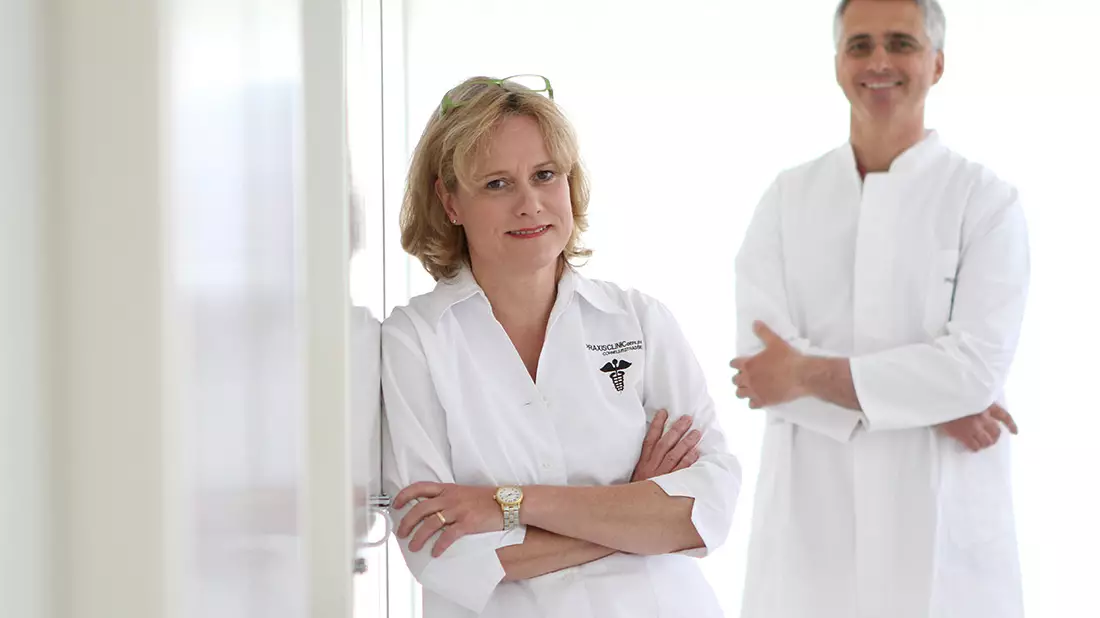
Moving to a new country often means rebuilding your entire support system from scratch: new friends, new neighborhood, new routines, and of course, new doctors. When it comes to dental care, many expats in Berlin quietly delay check-ups or ignore tooth pain because they are unsure where to go, which dental practice to trust, or how to navigate a healthcare system that feels unfamiliar. Added to that are fears about language barriers, insurance questions, and different medical standards than at home. For many, the search for a safe, high-quality dental practice in Berlin becomes yet another stressful item on a long to-do list.
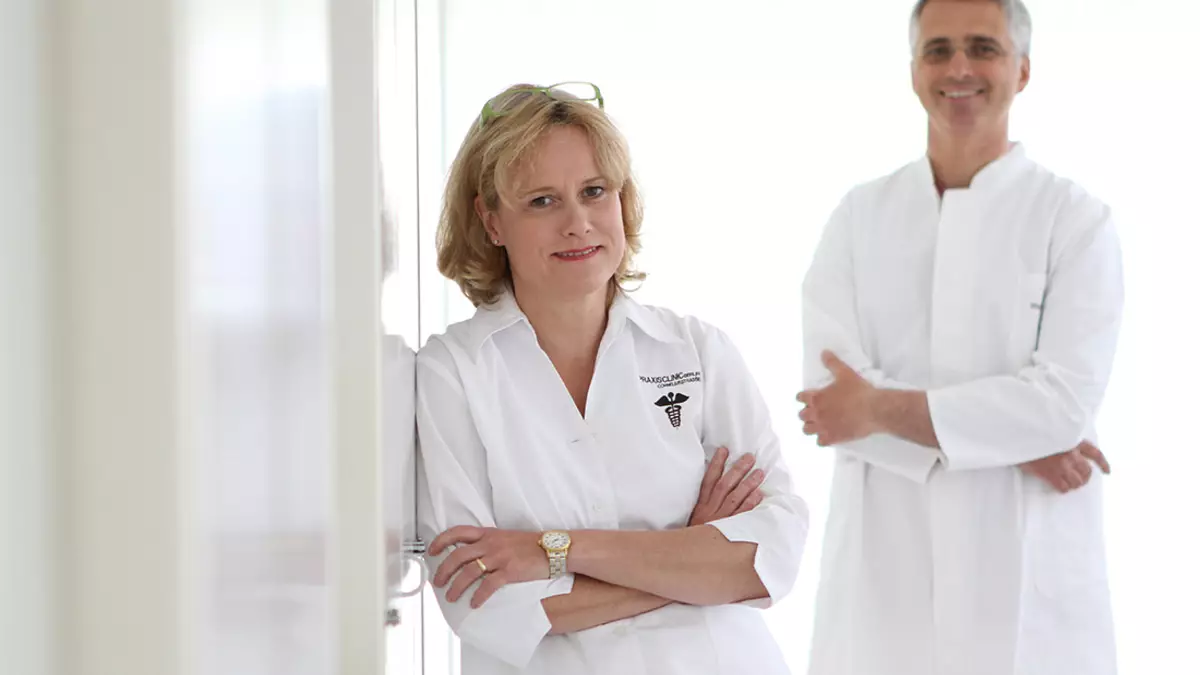
In Berlin’s southwest, in the district of Steglitz, one particular dental practice stands out for combining deep medical expertise with a genuinely international, patient-centered mindset: the Zahnarzt-Praxis Berlin Steglitz of Dr. Djamchidi & Annette Jannack. Although in English we typically say "dental practice", the German term "Zahnarzt-Praxis" is still what you will see on the doorbell and on your German insurance documents. Understanding that difference is often the first little cultural step in feeling more at home in the Berlin healthcare landscape.
This dental practice in Berlin Steglitz is especially interesting for international patients because it unites something quite rare: a "double approbation" or double license. Co-practice owner Dr. Djamchidi is both a fully licensed physician (medical doctor) and ENT specialist, and a dentist. This combination of MD and dental training is particularly powerful in areas such as implantology and oral surgery. His colleague, dentist Annette Jannack, completes the team with a strong focus on endodontics, root canal treatment, microscopic dentistry, and aesthetic restorations. Together, they embody a philosophy that can be summarized as "save the tooth if possible, replace it safely and beautifully if necessary".
For expats and locals alike, this means that complex treatments, from sinus-related implantology to delicate tooth preservation, are approached not just from a dental perspective, but from a wider medical and functional view. It is a blend of medical depth and empathetic communication that is still surprisingly rare, even in a city as large and diverse as Berlin.
Many international residents in Berlin share similar concerns when it comes to visiting a dental practice for the first time. There is the emotional side: dental anxiety, fear of pain, bad experiences in childhood, or simply the worry of not being fully understood when trying to explain symptoms in a second language. There is also a more rational layer: How do German dentists handle diagnoses and treatment planning? Will the dentist take time to explain options? Are there minimally invasive approaches available, or will the default solution be to extract and replace a tooth?
Added to that is the bureaucratic layer of German life. Expats are often unsure how their public or private insurance handles dental costs, what is considered standard care versus private service, and how second opinions work. An English-speaking dentist who is familiar with these questions and can guide patients through the system becomes not just a medical professional, but also a translator between healthcare cultures.
In this context, a dental practice in Berlin Steglitz that explicitly welcomes international patients and understands these concerns can dramatically reduce the threshold to making an appointment. From the first contact by phone or email, through to a follow-up discussion of results, this practice emphasizes clear communication and step-by-step explanations. Patients are encouraged to ask questions, request clarification, and even bring previous findings from other dentists for a second opinion. This approach not only addresses anxiety but also builds long-term trust.
To understand why the double approbation of Dr. Djamchidi is such a strong asset, it helps to look briefly at the intersection between oral surgery, implantology, and ENT medicine. Dental implants are small, screw-like posts made usually from highly biocompatible materials such as titanium or ceramic. They are anchored in the jawbone and serve as artificial roots to support crowns, bridges, or prostheses. While this might sound straightforward, in reality the jaw is not an isolated structure. It is intimately connected to the maxillary sinus in the upper jaw, to the nasal cavity, to nerves, and to the overall bone and soft tissue anatomy of the face.
In the upper jaw, directly above the roots of the premolars and molars, lies the maxillary sinus cavity. The thin bony wall between tooth roots and sinus floor varies greatly between individuals. In some people it is thick and robust, in others it is paper-thin. When teeth are missing over a longer period, the bone in this area tends to resorb. As the bone volume decreases, the sinus space expands, leaving less stable bone available for implant placement. In such cases, implantology often requires an additional procedure called a sinus lift.
A sinus lift, or elevation of the maxillary sinus floor, is a specialized oral surgery technique in which the membrane lining the sinus is gently lifted, and bone augmentation material is placed underneath. Over time, this creates new bone volume into which implants can be safely anchored. The success of this procedure depends on several factors: precise anatomical knowledge, careful handling of the delicate sinus membrane, correct assessment of bone quality and volume, and a fine balance between surgical ambition and patient safety.
This is where the dual background of a physician and ENT specialist who is also a dentist becomes particularly valuable. An ENT-trained doctor like Dr. Djamchidi has seen the full spectrum of sinus diseases, nasal breathing problems, and anatomical variations of the sinus system. He is familiar not only with the maxillary sinus but also with its drainage pathways into the nasal cavity, the risk of sinusitis, and the way systemic conditions or allergies can influence healing. When such a specialist plans implantology in the region of the maxillary sinus floor, the risk assessment is grounded in a much broader understanding of head and neck anatomy than is typical in regular dentistry.
For patients, this means that the decision whether a sinus lift is truly necessary, how extensive it should be, and whether there may be alternative strategies, is made with a high degree of medical insight. It can reduce the likelihood of complications such as sinus infections, membrane perforation, or implant failure due to undetected anatomical factors. In other words, the "physician’s view" becomes an extra safety layer in complex dental treatments.
At the same time, because he is not only a physician but also a fully trained dentist, Dr. Djamchidi can connect this ENT knowledge directly to practical oral surgery and prosthetic planning. He can evaluate the interplay of bite forces, jaw relationships, and aesthetic considerations. The planning of implants thus becomes a truly interdisciplinary project, but instead of multiple separate appointments with different specialists, patients benefit from this expertise united in one Zahnarzt with double approbation.
Beyond sinus lifts, this double qualification is valuable in many other areas of oral surgery. For example, the extraction of deeply impacted wisdom teeth can be associated with complex anatomical challenges near nerves, sinuses, or neighboring teeth. An ENT-oriented understanding of nerve pathways and facial structures can reduce surgical trauma and contribute to more minimally invasive approaches. Similarly, patients with general medical conditions, such as chronic sinusitis, obstructive sleep apnea, or certain systemic diseases, are often reassured to know that their oral surgery is overseen by someone who understands the wider medical picture.
A crucial concept in modern dentistry is biocompatibility. This refers to how well materials such as implants, fillings, and restorative components interact with the body. While conventional materials are generally safe, some patients have heightened sensitivities, allergies, or autoimmune conditions that require careful consideration. A practitioner who is trained not only in dental materials science but also in general medicine can better weigh up these factors. For example, the choice between titanium and ceramic implants may not only depend on bone quality and prosthetic design, but also on the patient’s medical history, immune profile, and personal preferences. In a dental practice that takes these interactions seriously, the patient is not just a set of teeth, but a whole individual whose oral health is linked to systemic wellbeing.
Of course, not every treatment in this dental practice in Berlin Steglitz involves advanced oral surgery. Many patients simply seek high-quality restorations, implant-supported crowns that look natural, or minimally invasive repairs after tooth fractures. Here the combination of aesthetic sensibility and functional insight is essential. The position, shape, and color of a crown are not just cosmetic details. They influence speech, chewing patterns, and even how comfortable and confident you feel in social situations. A dentist with a strong aesthetic focus will always look for harmony between teeth, lips, and facial features, while also ensuring that the bite is well balanced.
While implantology and oral surgery often attract attention, the quiet hero of modern dentistry is endodontics: the science and art of root canal treatment and tooth preservation. At the Berlin Steglitz dental practice of Dr. Djamchidi & A. Jannack, this domain is a core passion of dentist Annette Jannack. Her work is guided by a principle that is deeply respected in German dentistry: "Zahnerhalt vor Zahnersatz" – preserving the natural tooth before considering a replacement such as a crown on an implant or a bridge.
Endodontics focuses on the inner life of the tooth: the pulp tissue that contains nerves and blood vessels. When deep decay, trauma, or cracks reach this inner core, pain and inflammation can occur. In earlier decades, such teeth were often extracted. Today, thanks to advanced root canal treatment techniques and microscopic dentistry, many of these teeth can be saved and kept functional for years or even decades. This is not only psychologically comforting for patients, who often have a strong emotional attachment to their natural teeth, but also structurally beneficial: every preserved tooth helps maintain the natural architecture of the jaw.
Root canal treatment is a multi-step process. First, the dentist carefully examines the tooth with clinical tests and imaging. Modern dental practices like this one in Steglitz often use digital radiography for precise assessment. In some cases, three-dimensional imaging is considered to better understand complex root canal anatomy. Once the decision for endodontic therapy is made, local anesthesia ensures the procedure is painless. For patients with dental anxiety, the practice also discusses sedation or twilight sleep options, which will be addressed later.
Under dental rubber dam – a thin sheet that isolates the tooth to keep the area clean – the dentist creates a small opening in the tooth to access the root canal system. Using fine instruments and often microscopic magnification, the infected or inflamed pulp tissue is removed. This is where the expertise of someone like Annette Jannack becomes vital: root canals are not simple straight tubes, but often curved, narrow, and branched. Without proper visualization and technique, it is easy to miss parts of the canal, which can lead to persistent infection and treatment failure.
Microscopic dentistry dramatically improves outcomes. With high magnification and strong, focused lighting, the dentist can identify tiny accessory canals, hidden cracks, or unusual anatomy. Specially designed rotary instruments and irrigation solutions are used to clean and disinfect the canal system thoroughly. Once it is confirmed that the canals are clean and dry, they are filled with a biocompatible material that seals the space and prevents bacteria from re-entering. Finally, the tooth is restored, often with an inlay, onlay, or crown that stabilizes its remaining structure.
The difference between a conventional and a high-level endodontic treatment may not be obvious to the casual observer, but it can mean the difference between a tooth that survives comfortably for many years and one that fails within a short period. For this reason, some patients specifically seek out dentists with additional training in endodontics when they are faced with the choice between root canal treatment and extraction. Knowing that your dentist is committed to tooth preservation and willing to invest time, technology, and skill into saving a tooth can be deeply reassuring.
In addition to the technical aspects, there is also a philosophical dimension to tooth preservation. Every natural tooth contributes to the stability and balance of the bite. Removing a tooth, especially in the back of the mouth, can set off a chain reaction: neighboring teeth may shift, opposing teeth may over-erupt, and chewing patterns can change. Over time, this may contribute to joint strain or uneven wear. While modern prosthetics and implantology can compensate for missing teeth very well, preserving what nature has provided remains a powerful strategy for long-term oral health.
In the practice of Dr. Djamchidi & A. Jannack, this philosophy does not exclude replacement solutions. Instead, it establishes a hierarchy of options: if the prognosis for saving the tooth is good, high-quality endodontic treatment is prioritized. If the prognosis is poor or if the tooth is structurally too compromised, then alternatives such as implants or bridges are discussed. Patients are thus guided through a transparent decision-making process, where the reasoning behind each recommendation is clearly explained.
Pure clinical excellence is not enough if patients are too anxious to walk through the door. Many people carry memories of painful or rushed visits to the dentist, sometimes from childhood, sometimes from hard experiences in other countries. For international residents in Berlin, these fears can be amplified by the uncertainty of a new language and system. The team at this dental practice in Berlin Steglitz is acutely aware of dental anxiety and has established structures to address it.
First, the communication style is deliberately calm, respectful, and unrushed. During the initial anamnesis – the detailed collection of medical history and current complaints – patients are encouraged to speak freely about their fears, expectations, and any previous traumatic experiences. The fact that the team is comfortable in English makes it much easier for expats to describe subtle emotional nuances that can be hard to express in German. Being listened to without judgment is often the first step toward regaining trust in dental care.
Second, the practice offers various options to make treatment more comfortable. For some, simple measures such as slower pacing, frequent breaks, and clear step-by-step explanations can significantly reduce anxiety. Knowing exactly what will happen next, how long it will take, and what sensations to expect can demystify procedures and give patients a feeling of control. For others, pharmacological support is helpful. Sedation and so-called twilight sleep (a form of conscious sedation) can be used for more invasive or longer procedures, or for patients with extreme dental phobia. These methods allow the patient to remain technically conscious but deeply relaxed, with a reduced perception of time and discomfort.
In a practice led by a physician and ENT specialist as well as dentists, sedation is approached with medical seriousness. Prior to any sedation, the patient’s general health, medications, and possible risk factors are carefully reviewed. This integrated medical perspective increases safety and allows for individualized sedation strategies. In addition to conventional methods, some patients appreciate the possibility of complementary support, such as gentle homeopathic remedies or relaxation techniques. While these do not replace medical sedation, they can support the overall feeling of wellbeing before and after the appointment.
Anxiety-free dentistry is not only about pharmacology; it is about environment. The interior of the practice, the way staff greet patients, the tone of voice on the phone – all these details contribute to the overall atmosphere. Many expats mention that walking into a place that feels warm, organized, and human immediately calms them. When you are far from home, such subtle signals of safety matter.
The practice of Dr. Djamchidi & A. Jannack is located in Berlin-Steglitz, in the classic southwest corridor that connects Schloßstraße, with its well-known shopping mile, to the more residential green areas of Zehlendorf. The building itself is an Altbau – a historic structure with the typical architectural charm that many people associate with Berlin: high ceilings, ornate staircases, and a sense of pre-war solidity. This classic Berlin architecture comes with a practical reality that must be mentioned honestly: the building is not barrier-free, and there is no lift. Access to the practice is via stairs.
For some patients, particularly those with reduced mobility or certain disabilities, this can be a limiting factor and needs to be taken into account when planning visits. The team is transparent about this and will happily discuss alternatives or logistical support where possible. For many others, however, the staircase becomes part of what might be called the "authentic Berlin experience" – the feeling of entering a real, lived-in city space rather than a sterile medical corporation. The Altbau setting often feels more personal, more human, like the kind of building where people have lived, worked, and built community for generations.
At the same time, the practice benefits from its central but relatively calm position in the Berlin southwest. Steglitz offers good transport connections, including buses and nearby S-Bahn or U-Bahn lines that link quickly to other districts. For patients coming from neighboring areas such as Zehlendorf, Lankwitz, or even the more central parts of Berlin, it is usually easy to integrate a dental appointment into everyday life, perhaps combined with errands on Schloßstraße or a walk in a nearby park. Parking options in the area are generally more forgiving than in the inner city, which is an advantage for those who prefer to arrive by car.
To give a clearer impression of how this dental practice in Berlin Steglitz operates, it can be helpful to walk through a hypothetical patient journey, from the perspective of an English-speaking expat who has recently moved to Berlin.
Imagine you have been experiencing intermittent toothache in an upper molar for several weeks. In your home country, you had a dentist you trusted, but here in Berlin you do not yet know where to go. After some online research, you come across the practice of Dr. Djamchidi & A. Jannack and notice that they explicitly mention both implantology and endodontics, as well as experience with international patients. The fact that one dentist has a double approbation and ENT expertise, and another focuses on tooth preservation, reassures you that you can get both a second opinion and a long-term plan.
You call or write an email in English. The reception staff responds in a friendly and understandable way, asking for basic information: your contact details, insurance status, and a brief description of your symptoms. If you have previous X-rays or reports from your home country, you are invited to bring them along or send scans. An appointment for an initial consultation is scheduled.
On the day of the visit, you arrive at the Altbau building in Steglitz. You climb the stairs, perhaps noticing the characteristic Berlin staircase windows and railings. Entering the practice, you are greeted at reception and asked to fill out an anamnesis form. This includes not only dental questions but also general medical information: allergies, medications, chronic conditions, surgical history. For someone used to a more fragmented healthcare system, it may feel refreshing that the dentist is interested in your overall health, not just your teeth.
During the consultation, either Dr. Djamchidi or Annette Jannack – depending on the main focus of your problem – listens to your description of the toothache and any concerns you have. They might ask about sensitivity to hot or cold, pain during biting, or whether the pain radiates to the ear or sinus area. In the case of upper molars, the ENT-dental link becomes relevant: sometimes, what feels like tooth pain can be related to sinus issues, and vice versa. The double-qualified background of the practice makes it easier to distinguish between these possibilities.
Clinical examination follows: the dentist checks your teeth, gums, and bite, and may perform simple tests such as tapping on specific teeth or checking movement. Digital X-rays are taken to visualize the tooth roots, bone levels, and possible hidden decay. If needed, more advanced imaging might be recommended for complex diagnostic questions.
Once the findings are collected, the dentist explains them in understandable English, often using images as visual aids. In our example, imagine the diagnosis is a deep carious lesion that has reached the pulp chamber of the tooth, leading to inflammation. You are presented with options: root canal treatment to preserve the tooth, or extraction and, later, possible implant placement. The dentist explains the pros and cons of each route, the expected longevity, the costs with your insurance, and the potential need for prosthetic restorations afterward. You are explicitly invited to ask questions and even to take time to think or get a second opinion – perhaps even within the same practice, where different specializations allow for internal consultation.
If you choose root canal treatment, the next steps are scheduled. On the day of the procedure, local anesthesia is applied, and measures for your comfort are discussed. If you have pronounced dental anxiety, light sedation may be arranged so that you can remain relaxed. The dentist uses microscopic dentistry techniques, along with biocompatible materials, to clean and seal the root canal system. Afterward, you receive clear instructions for aftercare and information about the planned definitive restoration, such as a crown, that will protect the tooth structure.
In another scenario, if the tooth is judged unsalvageable, or if you personally prefer extraction and implant replacement, the ENT-dental expertise of Dr. Djamchidi becomes central. The bone volume near the maxillary sinus floor is assessed, and decisions about implantology are made with full respect for sinus anatomy. If a sinus lift is necessary, the procedure is explained in detail: how the sinus membrane is lifted, what bone graft materials are used, and what healing timeline to expect. Here again, your general medical condition, medications, and lifestyle are taken into account to optimize healing and long-term success.
Follow-up appointments ensure that everything is healing correctly, whether after root canal treatment, extraction, or implant placement. Over time, regular prophylaxis sessions – professional cleaning and preventive care – help maintain the results. The prophylaxis team focuses not only on removing plaque and calculus, but also on teaching you how to adapt your oral hygiene routine to your specific situation: which toothbrushes, interdental tools, or mouth rinses might be most helpful, especially around implants or heavily restored teeth.
For many expats, an important part of this journey is also clarity around costs and documentation. The practice team assists in preparing invoices and reports that can be submitted to German public insurance, private insurance, or international insurance providers. Because they are used to working with patients from different systems, they can often anticipate the kind of documentation that insurers require. This administrative reliability is another subtle but important contribution to patient trust.
Over time, visits to the dental practice become less about emergencies and more about prevention and aesthetics. You may decide to have old, discolored fillings replaced with more aesthetic materials, to correct minor imperfections, or to plan implant-supported restorations that improve both function and appearance. In such cases, the focus shifts from acute problem-solving to long-term oral health strategy and personal confidence in your smile.
After exploring the different dimensions of this dental practice in Berlin Steglitz – from double approbation in implantology and ENT-integrated oral surgery to advanced endodontics and anxiety-sensitive care – a clear picture emerges. For both locals and international residents, this Zahnarzt-Praxis offers an unusually comprehensive and medically grounded approach to dental health.
The presence of a physician and ENT specialist who is also a dentist means that complex treatments near the maxillary sinus floor, in the posterior upper jaw, or in medically challenging patients can be planned and performed with a heightened sense of safety. Sinus lifts, implantology, and other forms of oral surgery are not seen in isolation but as part of a connected system involving breathing, sinus health, and general wellbeing.
At the same time, the strong focus on endodontics and tooth preservation under the care of Annette Jannack ensures that extraction is never the automatic go-to solution. Microscopic dentistry, careful root canal treatment, and a clear philosophy of "Zahnerhalt vor Zahnersatz" give patients the chance to keep their natural teeth whenever reasonably possible. This aligns with modern, minimally invasive treatment concepts that respect the value of natural tissue.
For expats, the added layers of English-language communication, supportive guidance through the German insurance and healthcare systems, and openness to second opinions create an environment of transparency and partnership. Dental anxiety is taken seriously, with options ranging from empathetic conversation and staged treatment plans to sedation and twilight sleep for those who need it. The historic Altbau setting in Steglitz, complete with stairs and without elevator, is acknowledged honestly, while its architectural charm and central yet relaxed location in Berlin’s southwest make visits logistically and emotionally manageable for many.
Whether you live around Schloßstraße, commute from Zehlendorf, or travel across the city for a trusted expert opinion, the practice of Dr. Djamchidi & A. Jannack offers a combination of medical depth, technical precision, and human warmth that is hard to find. It is this combination that makes it one of the most compelling choices for a dental practice in Berlin Steglitz – a place where your concerns are heard, your medical complexity is respected, and your long-term oral health is planned with both science and empathy.
Disclaimer regarding our articles: No investment advice, no buy or sell recommendation. Information on prices, companies, and markets is provided without guarantee; changes are possible at any time. Stock market transactions can lead to substantial losses. Our articles are created and reviewed in whole or in part automatically with the support of AI.