A Trusted Dental Practice in Berlin Steglitz for Expats and Locals
Published on 04/27/2026 at 07:01 | Editorial responsibility: Rafael Müller, Editor-in-Chief AD HOC NEWS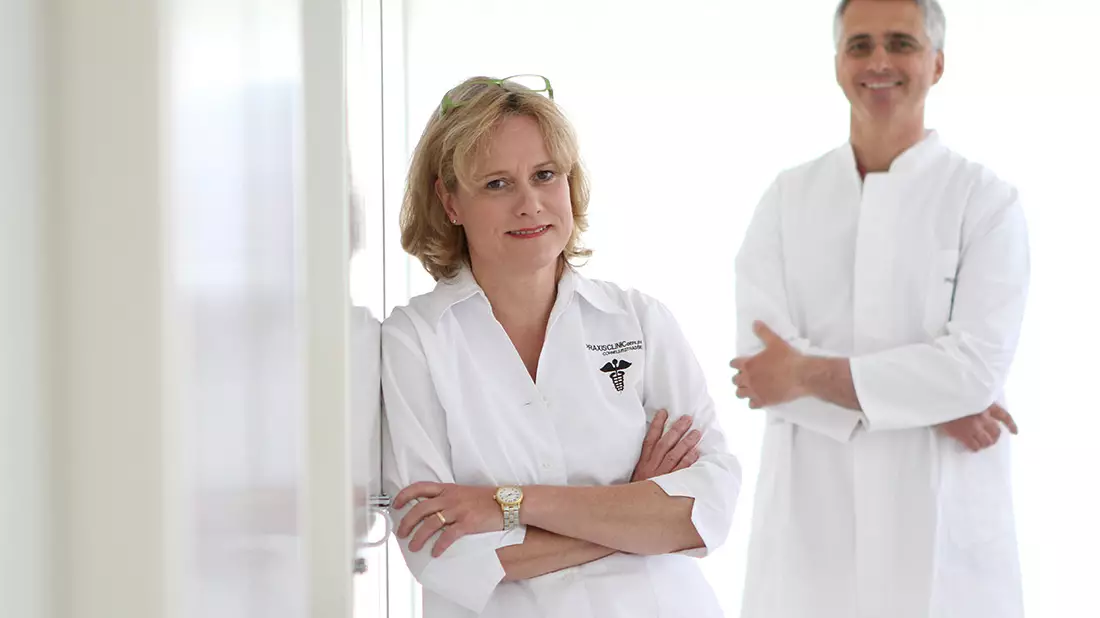
Arriving in a new country is exciting, but it also comes with practical questions: Where do I find a doctor I can trust? Who will really listen to me in English? How does the health system even work here? For many expats and international students in Berlin, these questions become most urgent the moment a tooth starts to ache or a crown breaks at the worst possible time. Suddenly, you are searching for a dental practice that not only offers advanced treatment, but also understands the emotional and cultural challenges of being treated far from home.
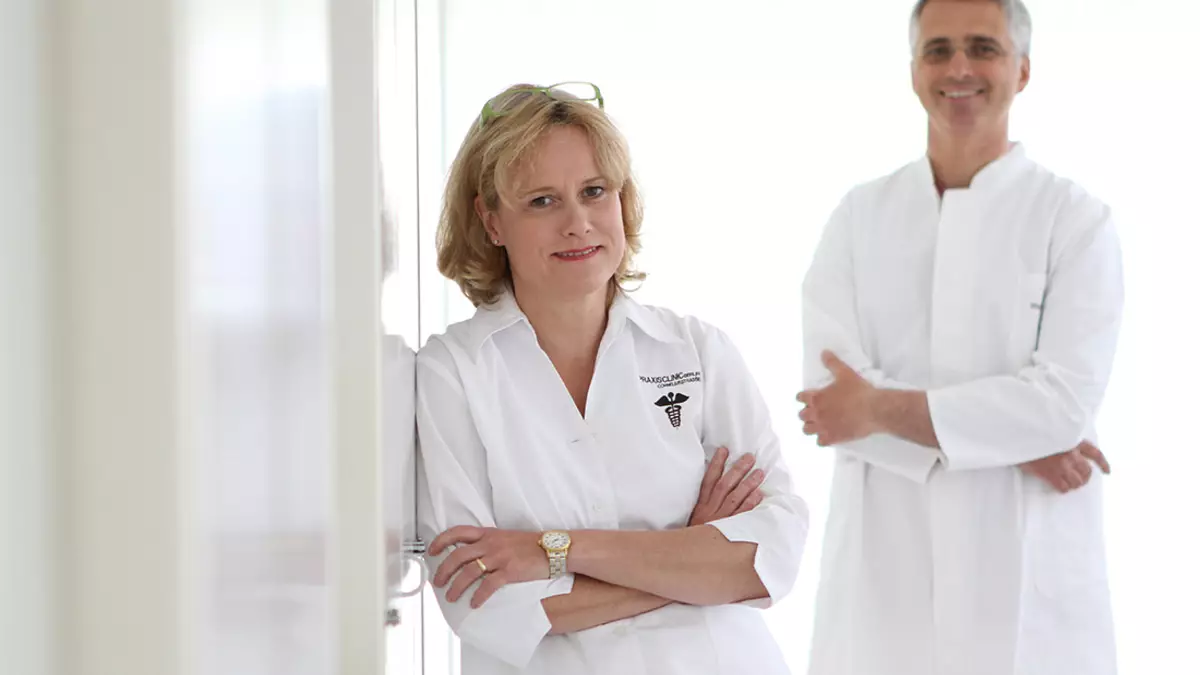
In Berlin's southwest, close to the busy Schloßstraße and the leafy streets of Zehlendorf, the dental practice in Berlin Steglitz run by Dr. med. Dr. med. dent. Djamchidi and dentist Annette Jannack has become a quiet insider tip. Officially, it is a "Zahnarzt-Praxis"; in practice, it feels more like a medically sophisticated yet personal health hub, where implantology, oral surgery, tooth preservation and aesthetics come together under one roof.
For expats, one of the biggest barriers in Germany is not just the language, but also the style of communication. Consultations can feel rushed, technical terms are hard to follow, and it can be intimidating to ask for a second opinion. This is precisely where this dental practice in Berlin Steglitz positions itself differently: with time, explanation, and an explicitly international mindset. English is welcomed, detailed questions are encouraged, and patients are guided step by step through diagnosis and treatment options.
Many people also carry long-standing dental anxiety, often linked to traumatic experiences in childhood or hurried treatments in the past. In a foreign country, this anxiety can be amplified. You may wonder: Will they respect my fears? Will they offer sedation or twilight sleep if I need it? The team of this practice takes these concerns seriously, combining minimally invasive methods, gentle anaesthesia, and a calm, structured approach that allows anxious patients to regain control and confidence.
On top of this emotional support, the practice offers something medically unique: a double approbation. Practice owner Dr. Djamchidi is both a fully qualified physician and ENT specialist and a fully qualified dentist. This rare combination of MD and DDS is particularly valuable in implantology and oral surgery, where the border between dental treatment and general medicine is fluid. When implants are placed near the maxillary sinus floor, when sinus lift procedures are required, or when chronic sinus complaints overlap with dental findings, his double perspective adds a layer of safety and precision that goes far beyond standard care.
Understanding this synergy between medicine and dentistry is key to appreciating what makes the practice special. In classical implantology, the focus lies on the jawbone and the gums: is there enough bone? How is the gum structure? Is the occlusion balanced? These questions are crucial, but they only tell part of the story. The upper jaw is directly linked to the maxillary sinus; the nasal passages, middle ear, and throat area form a functional unit with the oral cavity and the temporomandibular joint. A physician trained in ENT medicine reads these connections almost instinctively.
When an implant is planned in the region of the premolars or molars in the upper jaw, the distance to the maxillary sinus floor is a decisive factor. In many adults, the sinus has expanded over the years, and the remaining bone height is limited. Standard dentistry might see only the X-ray of the jawbone; an ENT-trained specialist also evaluates the health of the sinus lining, the drainage pathways of the paranasal sinuses, and the overall ventilation of the nasal cavity. This broader view can influence whether a sinus lift is advisable, which technique is safest, and how to time the procedure to reduce inflammation risks.
During sinus lift procedures, the sinus floor is carefully raised, and bone material is introduced to create a stable foundation for the implant. This demands millimetre precision to avoid perforating the sinus membrane. With a double degree in medicine and dentistry, Dr. Djamchidi navigates this zone with a detailed understanding of ENT anatomy and physiology. He can assess not just the local bone situation, but also how the intervention might interact with chronic sinusitis, allergies, or past nasal surgeries. For patients, this means fewer surprises, reduced complication risk, and a more integrated treatment plan.
Beyond the sinus, ENT expertise matters in more subtle ways. Snoring problems, mouth breathing, recurring sore throats, and pressure in the ears can all be affected by the way teeth meet, the jaw is positioned, or missing teeth are replaced. When planning implants and prosthetics, the physician's view allows the practice to consider not only chewing function and aesthetics, but also airway space and long-term comfort. This holistic approach fits particularly well with health-conscious expats, who are used to interdisciplinary care and appreciate when doctors look beyond a single organ or specialty.
As an oral surgeon, Dr. Djamchidi performs tooth extractions, implant placements, bone augmentations and other surgical procedures with a focus on minimally invasive methods. The aim is always to keep trauma to a minimum: small incisions, precise instruments, and gentle tissue handling. This benefits all patients, but especially those with dental anxiety or systemic conditions such as diabetes or cardiovascular disease, who require careful planning of surgery and anaesthesia. Being a physician allows him to understand complex medication plans, assess overall risks more accurately, and coordinate with general practitioners or specialists when needed.
While implantology and oral surgery are impressive, a sustainable dental philosophy always starts with tooth preservation. This is where dentist Annette Jannack brings her special expertise. Her focus on endodontics, microscopic dentistry, and aesthetics creates a powerful counterbalance to the surgical side of the practice: before a tooth is removed and replaced, every reasonable option for preserving it is explored. In German, this philosophy is summed up as "Zahnerhalt vor Zahnersatz" — saving the tooth before replacing it.
Endodontics, commonly known as root canal treatment, is much more than simply "removing the nerve." Modern root canal therapy aims to thoroughly clean and disinfect the root canal system, shape it in a way that can be sealed hermetically, and then fill it with biocompatible material so that bacteria cannot re-enter. This requires precision at a microscopic level, because root canals are often curved, branched, and extremely narrow.
Using magnification and modern imaging, Annette Jannack can identify additional root canals that are easily missed without such tools. For example, upper molars often have a fourth canal; missing it can lead to persistent pain or reinfection. Microscopic dentistry allows her to see these structures clearly, remove infected tissue more completely, and preserve more healthy tooth substance. The result is a higher success rate in tooth preservation and a lower need for extraction.
Biocompatibility is another key aspect of her approach. The materials used in root canal treatments, fillings, and aesthetic restorations must be well tolerated by the body and stable over many years. By carefully selecting materials and techniques, the practice aims to create restorations that integrate naturally into the chewing system and the overall health of the patient. For expats who may return to another country in a few years, this level of durability and compatibility is particularly important: you want treatments that will still serve you well, even if your life moves elsewhere.
Aesthetic considerations are not a superficial luxury in this context; they are part of holistic health. A harmonious smile affects self-confidence in professional and social situations, especially when you are building a new life in Berlin. Annette Jannack combines her tooth-preserving work with aesthetic solutions such as high-quality fillings, minimally invasive veneers, and carefully colour-matched crowns. The goal is always to retain as much natural structure as possible while creating a smile that suits your face, your age, and your expectations.
Tooth preservation is also a question of long-term strategy. Every natural tooth that can be saved with high-quality endodontics supports the stability of your bite, helps maintain the height of your jawbone, and reduces the need for more complex prosthetics later on. In this way, the work of the "Preservationist" prepares the ground for gentle ageing of your teeth, instead of a cycle of extractions and replacements.
For many patients, however, none of these technical advantages matter if the emotional experience at the dental practice is frightening. Dental anxiety can be so strong that people avoid check-ups for years, only seeking help when pain forces them to. In a new country, dealing with an unfamiliar system, this avoidance can become even more entrenched. The team in Berlin Steglitz is acutely aware of this dynamic and has built their approach around an "anxiety-free" concept.
From the first phone call, patients are encouraged to openly share their fears and previous experiences. There is no pressure or judgement; instead, there is an emphasis on participation: you decide the pace, you can request breaks, and you are informed in detail before anything is done. Being an English-speaking dental practice also reduces the risk of misunderstandings. You can describe nuances of your discomfort, ask for clarification, and understand consent forms properly, which is essential for feeling safe.
For those with intense dental anxiety, the practice offers options beyond local anaesthesia. Sedation, sometimes referred to as twilight sleep, allows patients to be deeply relaxed during oral surgery or extensive treatments, with little or no memory of the procedure afterwards. This is not general anaesthesia, but a medically controlled state of calm. As a physician, Dr. Djamchidi is particularly qualified to evaluate whether sedation is appropriate, taking into account your overall health, medications, and any previous anaesthesia experiences.
Minimally invasive techniques are another cornerstone of the anxiety-free concept. When treatments are planned carefully and executed with modern instruments, tissue trauma, bleeding, and swelling can be significantly reduced. This not only speeds up healing; it also means less postoperative pain and fewer reasons for anxious anticipation. The combination of gentle technique and tailored anaesthesia is designed to rebuild trust in dental care, even for those who have avoided it for years.
Some patients are also interested in complementary approaches. While the foundation of the practice is evidence-based dentistry and medicine, there is room for supportive methods such as homeopathic remedies for mild symptom relief or stress management strategies alongside standard care, if desired by the patient. This flexibility can be particularly appealing to internationally minded patients who value an integrative health perspective.
One aspect that defines the character of the practice is its location in a classic Berlin Altbau in Steglitz. The building reflects the elegant architecture typical of Berlin's southwest: high ceilings, historical details, and a sense of continuity between old and new. For many people, this environment is part of the authentic Berlin experience, different from modern, anonymous glass towers. At the same time, honesty is important: the building is not barrier-free. There are stairs and no elevator, which can be challenging for patients with significant mobility impairments.
The team is transparent about this and encourages patients to mention any mobility issues when booking. Within the architectural limits, they aim to make access as comfortable as possible and to plan appointments in a way that minimises waiting and walking times. For most patients, the location is very convenient: close to Schloßstraße with its shops and public transport connections, and well connected to neighbouring areas such as Zehlendorf and the wider Berlin southwest.
Parking options in the surrounding streets add to the practicality for those arriving by car. For expats who may not yet fully understand Berlin's public transport system, the clear structure of the Steglitz area and the visibility of the practice's surroundings make orientation easier. The combination of centrality and the classic charm of an Altbau contributes to a feeling of arriving in a familiar, human-scale environment rather than a sterile clinic.
To understand how this all comes together, imagine a typical first visit as an international patient. Perhaps you have recently moved to Berlin for work or studies. A molar has been sensitive for weeks, and now the pain is interfering with your sleep. You ask colleagues for recommendations and repeatedly hear about a dental practice in Berlin Steglitz where the dentists speak English and take time to explain everything.
Your journey begins with a phone call or an online enquiry. The reception team, used to international patients, guides you through basic questions: What type of insurance do you have? What symptoms are you experiencing? Do you have any major health conditions, such as heart disease, diabetes, or asthma? You are invited to send previous X-rays if you have them. Already at this stage, you can mention dental anxiety or a wish for sedation, which is noted in your file so that the dentists can prepare.
On the day of your appointment, you arrive at the historic building in Steglitz. You climb the stairs, notice the high ceilings and the typical Berlin atmosphere, and enter the practice rooms. Instead of a rushed reception, you are greeted calmly, asked to fill out an anamnesis form, and given time to think about your answers. The anamnesis goes beyond simple questions about pain: it covers your general health, medications, allergies, and past experiences with dentistry and anaesthesia. For many expats, this is the first sign that their whole person, not just the aching tooth, matters here.
During the consultation, either Dr. Djamchidi or Annette Jannack takes a detailed history. You can switch to English at any time, and medical terms are translated into clear language. If the tooth problem potentially affects the maxillary sinus or if you mention sinus pressure, nasal issues, or ear symptoms, the ENT knowledge of Dr. Djamchidi comes into play. He can evaluate whether the dental problem is isolated or part of a bigger picture involving the nose and sinuses, making the assessment more comprehensive than in a standard dental-only setting.
Diagnostic steps may include digital X-rays or, if implantology or complex root canal treatment is being considered, three-dimensional imaging. Viewing these images together, the dentist explains what they see: caries depth, root canal shape, bone level, or sinus position. You are invited to ask questions and to discuss different treatment paths. Would a root canal treatment with microscopic support give the tooth a good prognosis? Is a minimally invasive extraction and later implant the safer choice? Would a second opinion be helpful for your peace of mind? The practice openly encourages such reflections, rather than pushing a single option.
Once a treatment plan is agreed upon, the practical aspects are clarified: number of appointments, approximate duration, anaesthesia or sedation options, aftercare, and expected costs within the German system. For expats, navigating between statutory and private insurance rules can be confusing; the team helps demystify what is covered, what may require out-of-pocket payment, and how receipts are structured for reimbursement, including for international private insurance providers.
On the treatment day, special attention is given to comfort. If a root canal is planned with Annette Jannack, you may experience microscopic dentistry first-hand: a quiet, focused atmosphere, detailed isolation of the tooth, and a step-by-step explanation of what is happening if you wish to know. If an implant surgery is scheduled with Dr. Djamchidi, the preparation may include a preoperative discussion about medications, fasting times (if sedation is used), and postoperative care such as cooling and pain management.
Throughout, dental anxiety is treated as a real, valid factor. The dentists check in with you regularly, the anaesthesia is tested before work begins, and breaks can be taken. For many patients, this first treatment at the practice marks a turning point: from avoidance and fear to a sense of partnership in their oral health.
After the procedure, follow-up is part of the standard routine. Control appointments or check-in calls may be used to ensure that healing is progressing as expected, that pain is manageable, and that no new questions have arisen. For implantology cases, long-term success depends on regular check-ups and professional prophylaxis. The practice integrates these appointments into a structured recall system, helping you maintain your restored oral health even amid a busy life in Berlin.
Preventive care — or prophylaxis — forms the foundation of all of this. Professional cleanings remove plaque and tartar that home brushing cannot fully reach, especially around implants, crowns, and in difficult-to-clean areas. Individual coaching on brushing techniques, interdental cleaning, and diet is adapted to your habits and cultural background. For example, if your diet includes more tea, coffee, or staining spices, the team can suggest targeted strategies to maintain brightness without compromising enamel.
In summary, the dental practice of Dr. Djamchidi and Annette Jannack in Berlin Steglitz brings together qualities that are particularly valuable for expats and internationally minded locals. The double approbation of the practice owner blends the worlds of medicine and dentistry, adding safety and depth to implantology, oral surgery, and the management of complex cases involving the maxillary sinus, airway, and general health. At the same time, the strong focus on endodontics, microscopic dentistry, and tooth preservation embodied by Annette Jannack ensures that natural teeth are valued and saved whenever reasonably possible.
For patients with dental anxiety, the practice offers far more than reassuring words. Sedation options such as twilight sleep, minimally invasive techniques, and a culture of open communication in English create a space where even long-avoided dental issues can finally be addressed. The historical Altbau setting in Steglitz, close to Schloßstraße and within easy reach of Zehlendorf and other parts of Berlin's southwest, adds to the charm and authenticity of the experience, while transparent information about stairs and the lack of an elevator allows for realistic planning.
Whether you are new to Berlin and searching for a Zahnarzt who truly understands international patients, or a long-term resident looking for a second opinion on implants, root canal treatment, or aesthetic restorations, this dental practice in Berlin Steglitz offers a combination of expertise and empathy that is still rare. Here, medical knowledge, dental craftsmanship, and human connection come together to support you in keeping your smile healthy and confident, no matter where you come from or where life takes you next.
Disclaimer regarding our articles: No investment advice, no buy or sell recommendation. Information on prices, companies, and markets is provided without guarantee; changes are possible at any time. Stock market transactions can lead to substantial losses. Our articles are created and reviewed in whole or in part automatically with the support of AI.