A Trusted Dental Practice in Berlin Steglitz for Expats and Locals
Published on 04/20/2026 at 07:01 | Editorial responsibility: Rafael Müller, Editor-in-Chief AD HOC NEWS
Arriving in a new country is exciting, but it also means rebuilding the most basic parts of everyday life from scratch. For many expats in Berlin, one of the most stressful items on that list is finding a reliable, English-speaking dental practice they can truly trust. The health insurance system feels unfamiliar, letters arrive in German, and even simple tasks like making an appointment can be daunting if you worry that your symptoms might be misunderstood.
At the same time, dental health is deeply personal. You may carry memories of uncomfortable treatments, rushed consultations, or feeling dismissed when you tried to explain your pain. Dental anxiety is extremely common, and it can be amplified when you are far from home and unsure of how a new medical system works. Many international residents admit that they delay treatment until pain becomes unbearable, simply because they do not know where to turn.
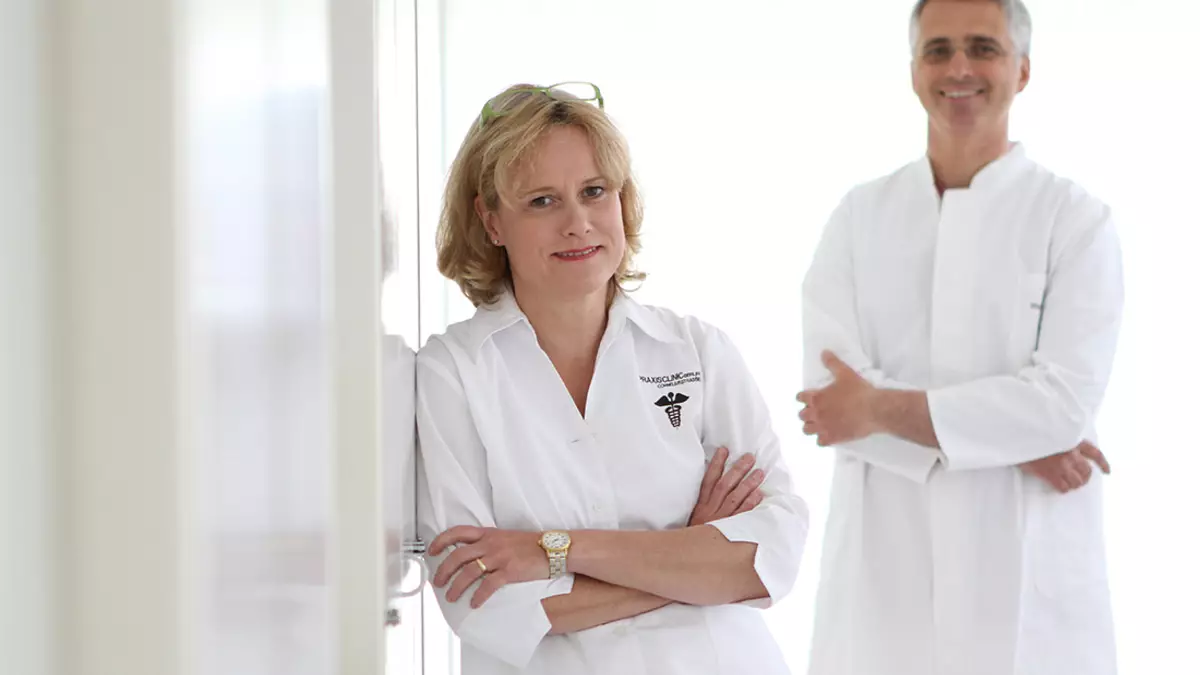
In the southwest of the city, in the charming district of Steglitz near Schloßstraße and the green avenues that lead toward Zehlendorf, there is a Dental Practice that has become a quiet insider tip among both locals and expats: the Zahnarzt-Praxis Berlin Steglitz of Dr. Djamchidi & Annette Jannack. Here, modern implantology, oral surgery, endodontics, tooth preservation, and gentle prophylaxis are combined with a very specific form of medical authority: the rare dual qualification of dentist and physician.
For patients coming from abroad, this combination is particularly reassuring. You are not simply booking an appointment with an anonymous Zahnarzt in a large clinic. Instead, you meet a team that understands how vulnerable it feels to enter a treatment room in a foreign country, and that takes time to explain every step in clear, understandable English. This Dental Practice in Berlin Steglitz dedicates itself not only to high-end medical treatment, but to building long-term trust with people whose biographies, languages, and expectations are wonderfully diverse.
One of the defining features of this Zahnarzt-Praxis is the unique professional background of Dr. Djamchidi. He is not only a fully qualified dentist; he is also a trained physician and ENT (Ear, Nose, and Throat) specialist with what is often called a "double approbation". In other words, he holds both an MD and a dental degree, and has deep experience in the anatomy and pathology of the head and neck region.
For patients, this dual perspective becomes particularly important when it comes to implantology and oral surgery. Dental implants do not simply sit in isolation within the jawbone. They occupy a complex three-dimensional space that interacts with the maxillary sinus floor, nasal cavity, adjacent teeth, and important nerves and blood vessels. When a tooth in the upper jaw is missing for some time, the bone can shrink, and the thin bony wall between the oral cavity and the maxillary sinus may become very delicate. Placing an implant in such a situation requires absolute precision and a sophisticated understanding of sinus anatomy.
Because of his ENT background, Dr. Djamchidi is trained to assess the maxillary sinus, nasal passages, and surrounding structures not just from a dental point of view but as a physician who routinely deals with sinusitis, nasal obstruction, and related conditions. This matters enormously for procedures like sinus lift surgery, where bone is gently augmented near the maxillary sinus floor to create stable support for an implant. A doctor who is experienced in both oral surgery and ENT medicine can carefully evaluate the thickness of the bony wall, the presence of sinus pathology, and the optimal implant position with a special focus on safety.
When you sit in the chair, you may not think in technical terms about biocompatibility, sinus membrane integrity, or vascular supply. What you feel is simply a desire to know that the person planning your treatment sees the whole picture of your health. The combination of MD and DDS means that systemic conditions such as diabetes, cardiovascular disease, or chronic sinus problems are not treated as side notes but as central factors in planning your implantology or oral surgery. Medication interactions, healing capacity, and general risk assessment are considered from a physician's perspective and translated into a minimally invasive, carefully staged dental treatment plan.
In practical terms, this "double view" often leads to more personalized and conservative strategies. Instead of forcing a standard implant concept into a complex anatomical situation, the planning can be adapted to the individual patient. Advanced imaging is interpreted with an ENT eye; the position of the implant is chosen not only for prosthetic function but also for sinus health; and the overall surgery is conducted with attention to airways, soft tissues, and long-term comfort. For nervous patients, knowing that their surgeon understands both their oral and general medical status is a powerful source of calm.
Furthermore, many expats arrive in Berlin with a history of chronic sinus complaints, allergies, or previous nasal surgery. When they are told they might need a sinus lift or an implant close to the sinus region, anxiety naturally increases. Under the guidance of a doctor who understands the entire ENT spectrum, it becomes easier to ask detailed questions in English and to receive nuanced explanations. Complex anatomical diagrams are translated into simple language: where exactly is the maxillary sinus floor, what does it mean to gently elevate the membrane, how do we ensure that the procedure is minimally invasive, and what can be done to keep the risk of sinusitis extremely low?
By integrating ENT and dentistry, this Dental Practice does not only place implants; it designs long-term solutions that respect your overall health. For people who have been discouraged elsewhere or who are looking for a safe, medically sophisticated second opinion before committing to implant treatment, this cross-disciplinary expertise can be decisive.
While dental implants and oral surgery are a major focus of the practice, not every tooth that hurts or decays needs to be replaced. In fact, one of the central principles of modern, responsible dentistry is Zahnerhalt vor Zahnersatz: saving the natural tooth whenever possible before considering artificial substitutes. This philosophy is embodied by Annette Jannack, whose clinical passion lies in endodontics, microscopic dentistry, and the aesthetics that arise from preserving healthy, living structures.
Endodontics is often misunderstood, reduced in everyday speech to "root canal treatment". In reality, it is a complex and sophisticated discipline dedicated to cleaning, disinfecting, and sealing the inner space of a tooth, where the nerve and blood supply are located. When bacteria penetrate deep due to caries, cracks, or trauma, the pulp becomes inflamed and can cause intense pain. Traditionally, such teeth were sometimes extracted. Today, advanced endodontics allows many of them to be preserved in a highly functional and esthetic way.
In the Zahnarzt-Praxis Berlin Steglitz, root canal treatment is not treated as a quick, last-minute rescue, but as a precise, carefully planned intervention. Microscopic dentistry plays a crucial role here. Under high magnification, tiny additional canals, hidden branches, and fine fractures can be detected and treated, which would otherwise remain invisible. By removing infected tissue with extreme precision and shaping the canals in a controlled manner, the risk of persistent bacteria and later reinfection can be significantly reduced.
For patients, especially those who have heard horror stories about painful root canals, it is important to understand that modern endodontics in a well-equipped setting feels very different from the outdated images that circulate online. Local anesthesia is optimized, and the procedure is planned so that you can rest as comfortably as possible. Throughout the treatment, the team explains what is happening, how far they have progressed, and what sensations are normal. The focus on biocompatibility means that materials used to fill and seal the canal system are chosen to integrate well with the body and minimize irritation.
By saving teeth through high-quality endodontics, the need for extensive prosthetic solutions or implants can often be reduced or delayed. This is not only cost-effective over time; it also respects the unique biology of each tooth. Natural roots transmit chewing forces to the jaw in a way that supports bone metabolism. When the crown of a tooth is protected with a carefully designed restoration after root canal treatment, the result can be both beautiful and durable.
Annette Jannack's work bridges the gap between invisible inner healing and visible external aesthetics. Once a tooth is stabilized from within, the outer appearance can be harmonized with smile design principles that consider color, shape, and alignment. For patients who feel self-conscious about their smiles, especially in a new social environment, this combination of endodontics and aesthetics can be life-changing. Instead of quickly replacing teeth with artificial alternatives, you are given comprehensive counseling: what can be preserved, what needs additional stabilization, and where minimally invasive aesthetic corrections can enhance confidence without sacrificing healthy tooth substance.
Many people, both locals and expats, carry a deep-seated dental anxiety. Perhaps you remember the smell of a childhood clinic, the sound of the drill, or a moment when you felt the dentist did not believe your pain. When you enter a new Dental Practice, your body remembers those experiences, and your pulse may rise even before you sit down. The team at this practice in Berlin Steglitz understands these reactions as normal human responses, not as weaknesses.
From the first phone call, everything is designed to reduce anxiety. You are encouraged to share your past experiences and current fears. Instead of being rushed, you receive time to arrive, to ask questions in English or German, and to understand the proposed treatment plan. Visual explanations, such as X-rays or digital images, are used to make abstract terms concrete: you can literally see the problem and the solution. This transparency transforms fear of the unknown into informed participation.
For patients whose anxiety is more intense, the practice offers additional supportive options. Gentle sedation techniques, sometimes described as twilight sleep, allow particularly nervous individuals to undergo treatment in a deeply relaxed, semi-conscious state. You remain responsive but feel detached from the stress of the situation, and many patients report that the session seems significantly shorter than expected. Depending on medical history and the type of procedure, different levels of sedation can be discussed individually.
The practice also acknowledges that some patients prefer complementary support. While hard clinical evidence varies for different approaches, the respectful integration of gentle methods such as homeopathic support or relaxation strategies can provide additional comfort as long as they are used responsibly alongside conventional care. The main goal is the same: to make sure that you do not avoid urgently needed treatment simply because your anxiety feels overwhelming.
Importantly, the atmosphere is intentionally calm and personal rather than industrial or rushed. There is space for breaks, for adjusting the pace if you feel overwhelmed, and for discussing alternative options. If you are uncertain about a recommended treatment, the team is open to providing or facilitating a detailed second opinion. This openness is crucial for building long-term trust with international residents who may be encountering a different medical culture than they are used to.
Berlin Steglitz is known for its mixture of vibrant commercial streets, like Schloßstraße, and quiet residential side roads that carry the charm of classic Berlin Altbau architecture. The Zahnarzt-Praxis of Dr. Djamchidi & Annette Jannack is located in such a historic building, which offers high ceilings, large windows, and a characteristic atmosphere that many people associate with the authentic Berlin Southwest experience.
One important point is addressed here openly: the building is not barrier-free. As is typical for many Altbau houses from earlier architectural periods, access involves stairs and there is no elevator. For some patients with reduced mobility, this can pose a real challenge, and the practice communicates this transparently so that you can plan accordingly or consider whether this setting suits your physical needs.
At the same time, for many others, this architecture is part of the charm of the location. You enter a building that has stories to tell, rather than a faceless glass tower, and step into rooms that combine historical structure with modern medical technology. The interior of the practice is designed to balance this classic Berlin feeling with contemporary comfort: bright, clean treatment rooms, modern dental units, and up-to-date sterilization and imaging equipment.
The location itself is easily accessible from many parts of the city. Steglitz is well connected by public transport, and the practice lies within reach of key hubs in the Berlin Southwest, including areas like Zehlendorf, Lichterfelde, and beyond. For those who come by car, nearby parking options in the surrounding streets make planning easier than in more congested central districts. Many patients appreciate that they can combine their visit with a walk along Schloßstraße, quick shopping, or a relaxing coffee afterwards.
The team understands that for expats, navigating to a new medical location can feel stressful. Clear directions, appointment confirmations, and explanations about public transport options are therefore provided in an accessible way. You are not left alone with vague descriptions; instead, the route is described in concrete, everyday terms so that your first arrival is as smooth as possible.
Imagine that you have just moved to Berlin and have started to feel a dull, persistent pain in one of your upper molars. You search online for an English-speaking dentist and find the Dental Practice in Berlin Steglitz run by Dr. Djamchidi & Annette Jannack. The website reassures you with clear information, and you decide to book an appointment.
Your journey begins with a phone call or an online request. The reception staff speaks English, listens patiently to your description, and asks about your general health, medications, and any past dental experiences that you feel are important. You are given an appointment that fits your schedule and receive information about how to reach the practice, including a reminder that the building is a classic Altbau with stairs and no elevator.
On the day of the appointment, you arrive a few minutes early. The waiting area feels calm rather than clinical, and you notice a mixture of local and international patients. When you are called in, the initial conversation is not rushed. Anamnesis, the assessment of your medical history, is taken seriously: allergies, systemic conditions, previous surgeries, and your current medications are all discussed so that the team can gain a complete picture of your health.
Your dentist listens as you describe your pain, your past experiences, and your concerns about possible treatments like root canals or implants. Explanations are given without unnecessary jargon, and when a specific term such as "maxillary sinus floor" or "endodontics" is used, it is immediately translated into clear language. If necessary, digital X-rays or three-dimensional images are taken to visualize the area of concern.
As the images come up on the screen, your dentist points out relevant structures: the position of the aching tooth, the state of the surrounding bone, the proximity to the sinus, and any signs of infection. You see how the tooth's root lies in relation to the sinus cavity, and how inflammation may be spreading. This visual information is crucial for understanding why certain treatments are recommended. You feel more in control because you are not simply told what to do; you are shown what is happening inside your own body.
If the diagnosis indicates that the tooth can be saved, Annette Jannack might explain the steps of root canal treatment: how the infected pulp will be carefully removed, how the canals will be cleaned, shaped, and disinfected under microscopic magnification, and how a biocompatible filling material will be placed to close the space tightly. You discuss pain control, expected duration, and aftercare. You are encouraged to ask about success rates, possible complications, and long-term outcomes.
If, on the other hand, the tooth is too damaged or the bone around it is insufficient, you may discuss the possibility of extraction and later implant placement. Here, the double approbation of Dr. Djamchidi becomes particularly relevant. He may assess not only the dental aspects but also your general medical status and sinus anatomy. Perhaps a minimally invasive sinus lift is recommended to rebuild bone height near the maxillary sinus floor, or a different implant design is chosen to adapt to your conditions. Each option is explained, including healing times, stages of treatment, and what you can expect to feel at each point.
After this consultation, you receive a clear, written treatment plan. Costs are outlined transparently, and the interaction with German health insurance is explained as far as possible, which is especially valuable if you are still learning how the system works. If you want a second opinion, the practice supports your decision and provides the necessary documentation, understanding that a truly informed choice requires time and comparison.
On the day of treatment, whether it is a root canal, an extraction, or implant placement, you are greeted with the same friendly, open manner as during your first visit. If you have opted for sedation or twilight sleep due to dental anxiety, the protocol is reviewed again and your medical safety is prioritized. Monitoring is set up, and you are guided through each step calmly so that nothing comes as a surprise.
During the procedure, the team works with a focus on minimally invasive techniques. Tissue is handled as gently as possible to reduce swelling and discomfort; instruments are used precisely to limit trauma. Where applicable, microscopic dentistry enhances accuracy, especially in endodontics. Throughout the session, your comfort and communication needs are respected: if you require breaks, adjustments in position, or additional clarification, your signals are taken seriously.
Afterwards, you receive detailed aftercare instructions. These include guidance on pain management, oral hygiene around the treated area, dietary recommendations, and signs that would warrant an immediate follow-up. If sutures are present, a follow-up appointment is scheduled. You are encouraged to contact the practice if you have questions over the next days, and you feel reassured by the idea that support does not end when you leave the chair.
Over time, as you return for check-ups and prophylaxis, your fear gradually diminishes. Regular professional tooth cleaning, individualized prevention plans, and ongoing monitoring of previous treatments become routine. You come to see the practice not as an emergency destination but as a consistent partner in your oral health, integrated into your new life in Berlin.
From the perspective of both locals and expats, the Zahnarzt-Praxis Berlin Steglitz of Dr. Djamchidi & Annette Jannack offers a compelling combination of qualities that are not easily found in one place. On the one hand, there is the strong medical foundation: a Dental Practice where implantology and oral surgery are handled by a doctor with double approbation as physician and dentist, and where sinus-related procedures benefit from an ENT specialist's deep anatomical understanding. This means that complex interventions near the maxillary sinus floor can be carried out with a high level of safety and precision.
On the other hand, there is the dedicated focus on tooth preservation and aesthetics. Through advanced endodontics, microscopic dentistry, and a commitment to biocompatibility, many teeth that might otherwise be extracted can be saved and integrated into a harmonious, confident smile. The guiding principle of Zahnerhalt vor Zahnersatz is not just a slogan but a clinical reality that shapes daily decisions in the practice.
For those who live with dental anxiety or who have had negative experiences in the past, the practice provides an empathetic environment that acknowledges fear without judgment. Options such as sedation or twilight sleep are available, and the entire process – from anamnesis to follow-up – is designed to be transparent, respectful, and as comfortable as possible. The presence of an English-speaking team helps international patients overcome language barriers and bureaucratic uncertainties, turning what might have been a source of stress into a relationship of trust.
The location in Berlin's Steglitz district, close to Schloßstraße and the broader Berlin Southwest, situates the practice within an accessible, lively, yet cozy urban environment. The historic Altbau setting, including the honest reality of stairs and the absence of an elevator, adds to the classic Berlin feeling while being communicated openly so that each patient can decide if it suits their needs.
Ultimately, this Dental Practice in Berlin Steglitz stands out because it bridges worlds: between medicine and dentistry, between high-tech procedures and gentle human care, between local Berlin familiarity and the diverse expectations of an international community. Whether you are seeking a second opinion on complex implantology, a careful root canal to save a tooth you thought was lost, or simply a long-term preventive partner you can speak to in English, this Zahnarzt-Praxis offers depth, clarity, and a commitment to your well-being that extends far beyond a single appointment.
Disclaimer regarding our articles: No investment advice, no buy or sell recommendation. Information on prices, companies, and markets is provided without guarantee; changes are possible at any time. Stock market transactions can lead to substantial losses. Our articles are created and reviewed in whole or in part automatically with the support of AI.