A Trusted Dental Practice in Berlin Steglitz for Expats and Locals
Published on 04/17/2026 at 07:01 | Editorial responsibility: Rafael Müller, Editor-in-Chief AD HOC NEWS
Arriving in a new city like Berlin often means rebuilding every aspect of daily life from scratch: a new bank, a new mobile contract, a new favorite café. But when it comes to health, and especially to teeth, many expats suddenly realize how vulnerable they feel. The comfort of a family dentist back home is gone, the German health system seems complex and unfamiliar, and even finding an English-speaking dental practice can feel like a small project in itself.
For many international residents in Berlin, the first real medical encounter in Germany is not with a general practitioner, but with a dentist. A sudden toothache on a Sunday, a broken filling, a crown that no longer fits, or a long-postponed root canal that has finally become unavoidable: these are the moments when people search the internet late at night, typing "English-speaking dentist in Berlin" or scanning reviews for signs of empathy and competence.
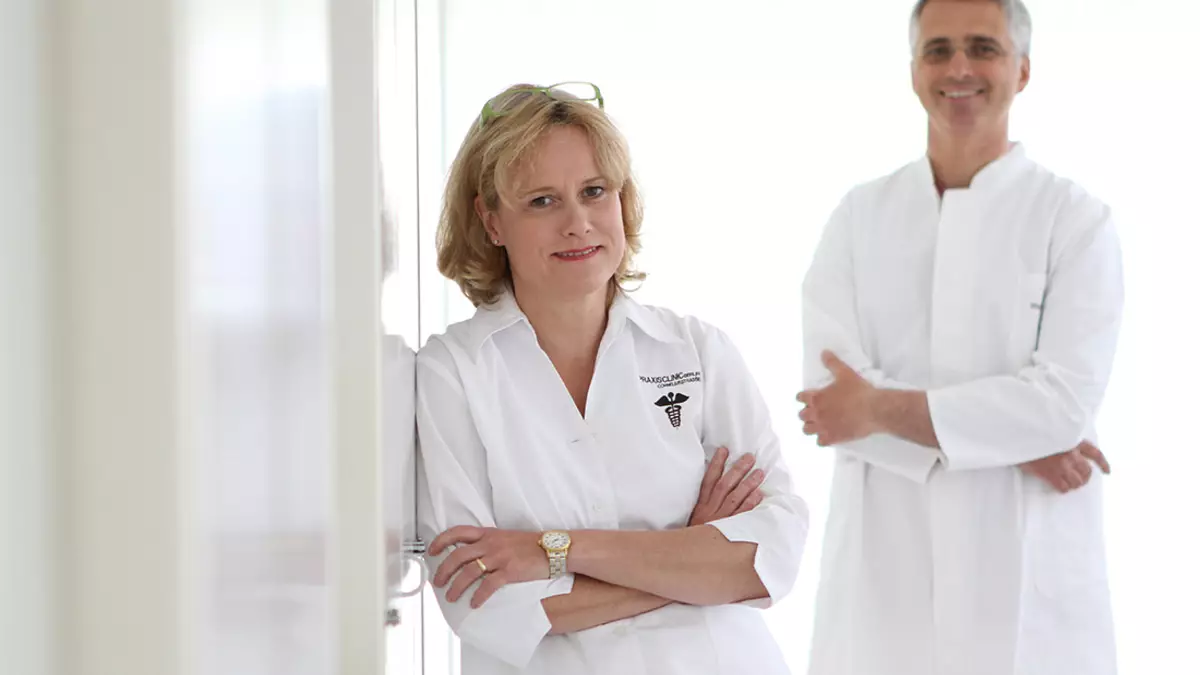
In Berlin’s southwest, in the district of Steglitz, one dental practice stands out for combining medical depth, personal warmth, and a very specific form of expertise that is still rare, even in a medical city like Berlin: Zahnarzt-Praxis Berlin Steglitz (Dr. Djamchidi & A. Jannack). This is more than a typical Zahnarzt or dental office. It is a practice where the worlds of dentistry, implantology, and ENT medicine meet under one roof, and where the philosophy is clearly centered on tooth preservation, minimally invasive techniques, and a deep understanding of the whole patient.
For expats who are used to other healthcare systems, this holistic and bilingual environment can make the difference between postponing necessary treatment out of anxiety and finally feeling safe enough to address long-standing dental issues.
One of the unique aspects of this dental practice in Berlin Steglitz is the professional profile of Dr. Djamchidi. He does not only hold a degree in dentistry; he also holds a full medical degree and is trained as an ENT (ear, nose, throat) specialist. This "double approbation" – a double license as both physician and dentist – is particularly valuable in the field of implantology and oral surgery, where the border between mouth, jaw, and adjacent structures such as the maxillary sinus is crucial.
To understand why this matters, it helps to imagine the anatomy behind a simple smile. The upper back teeth, especially the molars and premolars, sit close to the maxillary sinus, a hollow, air-filled cavity above the roots. When teeth are lost in this area, the bone that used to support them often shrinks over time. For a secure dental implant, however, you need sufficient bone height and volume. This is where procedures like sinus floor elevation – commonly called "sinus lift" – come into play.
A sinus lift involves carefully creating more space for bone by gently lifting the maxillary sinus floor and placing bone graft material underneath. It is a precise, delicate procedure. Being both a dentist and an ENT physician means that Dr. Djamchidi sees this anatomical region not only as a jawbone for implant placement, but as part of a complex ENT system that includes the nasal cavity, sinus ventilation, mucous membrane health, and the patient’s general condition.
His double perspective offers significant safety benefits. Before recommending implants, he can evaluate whether the sinus mucosa is thickened, whether there is chronic sinusitis, or whether structural variations would increase risks. He understands how dental infections can spread to the sinus and vice versa, and he can adjust the treatment plan accordingly – either by staging procedures, collaborating with other specialists, or optimizing medical therapy around the surgery.
For a layperson, this means a higher level of diagnostic precision before an implant is ever placed. Instead of simply looking at the jaw as a stable piece of bone, the double-qualified implantologist proactively considers how implants might interact with breathing, sinus health, and even headaches or facial pressure. This leads to decisions that prioritize long-term stability and biocompatibility, not just quick cosmetic results.
In daily practice, this expertise translates into a very structured approach to implantology and oral surgery. Planning begins with thorough imaging – often including three-dimensional scans – to analyze bone density, the exact position of the maxillary sinus floor, and the course of important nerves. When sinus elevation is necessary, the procedure is carried out with minimally invasive techniques designed to preserve as much natural bone and soft tissue as possible.
Another crucial aspect is the choice of implant systems and materials. Here, biocompatibility is a guiding principle. The aim is for the implant and surrounding bone to form a stable, healthy interface, with reduced risk of chronic inflammation or foreign body reactions. Patients often worry about whether implants are "safe" or whether their body will "accept" them. In a practice led by a double-licensed physician-dentist, these questions are addressed in detail, including discussion of medical history, allergies, and individual risk factors such as smoking, diabetes, or autoimmune conditions.
For patients with more complex medical backgrounds – for example, those taking multiple medications, those with cardiovascular diseases, or those who have had past surgeries in the nasal or sinus area – the benefit of an implantologist who also thinks like an internist and ENT specialist becomes even clearer. The assessment of bleeding risk, wound healing, antibiotic prophylaxis, and sedation safety are all integrated into one coherent plan, rather than distributed across several providers.
This is particularly reassuring for international patients who may already feel overwhelmed by the German healthcare structure. Instead of navigating between different specialties and translating medical reports from one to another, they can rely on a single, English-speaking dentist with physician-level insight, who guides them through the entire process in an understandable way.
While implants and oral surgery are major topics in the practice, they are never the first impulse. Before talking about replacing teeth, the team consistently focuses on preservation. This is where the expertise of Annette Jannack comes to the forefront. Her special focus within the dental practice is endodontics – the field that deals with diseases of the dental pulp and root canals.
"Endodontics" may sound technical, but for patients it essentially means one thing: saving teeth that would otherwise be lost. Inside each tooth sits a living tissue of nerves and blood vessels. When deep decay, cracks, or trauma allow bacteria to reach this inner chamber, inflammation and infection develop. Traditionally, such teeth were often extracted. Modern endodontics, especially when performed with microscopic dentistry, offers a different path.
In practical terms, a root canal treatment carried out by a dentist with strong endodontic training involves several refined steps. After anesthesia – which is tailored to the patient’s comfort and often supported by gentle sedation options for those with dental anxiety – the tooth is opened in a controlled way. Using magnification and specialized instruments, the infected or inflamed pulp tissue is carefully removed from the root canal system.
What many patients do not realize is how complex this canal system can be. Roots may contain multiple narrow, curved canals, tiny side branches, and anatomical peculiarities that are invisible to the naked eye. This is why microscopic dentistry and detailed imaging are so important. In the hands of an experienced practitioner like Annette Jannack, each canal is located, cleaned, disinfected, and shaped in a way that maximizes the chance of long-term success.
Thorough disinfection is critical. Bacteria deep inside the root canal must be eliminated to prevent recurring infection, pain, or abscesses. Modern endodontics uses a combination of chemical rinsing solutions, sometimes activated by ultrasound, and finely calibrated instruments to reach even challenging areas. Only when the canals are clean and dry are they filled and sealed with biocompatible materials that block reinfection.
The guiding philosophy here is clear and very much in line with the German concept of "Zahnerhalt vor Zahnersatz" – tooth preservation before tooth replacement. A well-treated tooth with a stable root canal and a protective crown on top can function for many years, often decades, providing strength and chewing comfort that no bridge or removable prosthesis can fully replicate. For the patient, this means preserving their natural bite, avoiding unnecessary bone loss, and often reducing the need for more extensive oral surgery.
In this dental practice in Berlin Steglitz, tooth preservation is not limited to emergency root canal treatments. Prophylaxis – preventive care – plays a central role. Professional cleanings, early detection of small caries lesions, and regular checks of previous fillings and crowns create a framework in which major problems are minimized. For expats who might have had irregular dental care during moves or career changes, this comprehensive approach helps to stabilize their oral health and align it with long-term goals.
Many people, regardless of their nationality, carry a form of dental anxiety. For some, it is a vague unease that starts already with the smell of a waiting room. For others, it is a strong, almost phobic reaction rooted in childhood experiences with painful or rushed treatments. When living abroad, away from familiar surroundings, this anxiety can increase. The fear of not understanding what is being done, of signing forms in a foreign language, or of being unable to explain pain precisely can become an additional layer of stress.
In the Steglitz practice of Dr. Djamchidi and Annette Jannack, addressing dental anxiety is not an afterthought but an integral part of the treatment concept. From the first contact, patients are encouraged to speak openly about their fears. The team is used to working with people who have avoided the dentist for many years, and they approach each case without judgment, focusing instead on building trust step by step.
Communication is key. As an English-speaking dentist team, they can explain procedures in clear, non-technical language, checking for understanding and allowing time for questions. Treatment plans are laid out transparently, including alternatives and phased approaches. Patients are never pressured into rushed decisions; instead, they are invited to participate actively in choosing the pace and extent of each step.
For those with stronger anxiety, the practice offers options to make treatment more manageable. These may include mild forms of sedation, sometimes called "twilight sleep", where patients remain responsive but deeply relaxed, or carefully dosed medication that takes the edge off nervousness. Gentle, minimally invasive techniques, where tissue is preserved and trauma is reduced, further contribute to a calmer experience and quicker healing.
Some patients appreciate supportive measures such as homeopathic remedies or other complementary approaches to reduce tension, support healing, or stabilize their general well-being. While these do not replace evidence-based dentistry, they can be integrated into a holistic plan that respects the patient’s wishes and cultural background. Above all, the atmosphere of the practice – shaped by calm communication, a friendly team, and the awareness that many patients bring complicated histories with them – helps to gradually transform the dentist’s chair from a place of fear into a place of restoration.
The practice itself is located in a characteristic Berlin Altbau in Steglitz, near the lively Schloßstraße and within convenient reach of Berlin’s southwest districts such as Zehlendorf. This part of the city combines residential calm with urban accessibility: tree-lined streets, historic facades, and a mix of local shops and services that make daily life comfortable.
The building housing the dental practice carries this classic Berlin character. High ceilings, old architecture, and a sense of history distinguish it from anonymous, glass-and-steel medical centers. At the same time, this charm comes with a practical detail that needs to be stated clearly: the building is not barrier-free. There is no elevator, and access to the practice involves climbing stairs.
The team communicates this transparently to all patients. For many, the walk up through a typical Berlin staircase – the Altbau Treppenhaus – is part of the authentic city experience, a reminder of the architectural heritage that makes districts like Steglitz so attractive. For others, particularly those with mobility limitations, the lack of an elevator can be a real obstacle that must be taken seriously in planning visits.
For those who can manage stairs, the location offers real advantages. Public transport connections to Schloßstraße and surrounding areas are excellent, and there is usually reasonable parking capacity in the neighborhood streets, making the practice accessible from wider Berlin southwest, including Zehlendorf and neighboring districts. Once inside, patients find a medical space that aligns modern equipment for implantology, oral surgery, and microscopic dentistry with the warm aesthetics of an older building.
Imagine, for a moment, how a first visit to this dental practice in Berlin Steglitz might unfold, especially from the perspective of an English-speaking expat who has been postponing dental treatment. The journey might begin online, browsing the practice’s website, reading about the double approbation of Dr. Djamchidi and the endodontic focus of Annette Jannack, and perhaps feeling reassured by the explicit mention of English-speaking care and experience with anxious patients.
After booking an appointment – often the most difficult psychological step – the day arrives. You enter the Altbau, walk up the stairs, and step into the practice, where the reception team greets you not just with a clipboard, but with a smile and clear instructions in English if needed. The first appointment is not rushed. It begins with anamnesis – a thorough medical history that goes beyond "Do you have allergies?" to include medications, previous surgeries, chronic conditions, and your own description of dental experiences and fears.
This detailed anamnesis is especially important in a practice that performs implantology and oral surgery, as well as advanced root canal treatments. It allows the team to understand not only your teeth, but your whole health context. For example, if you are taking blood thinners, if you have had sinus surgery in the past, or if you suffer from autoimmune disease, these factors will influence how procedures are planned, how bleeding is managed, and which medications are safe.
Next comes the clinical examination. The dentist takes time to assess the condition of your teeth, gums, bite, and any existing restorations such as fillings, crowns, or bridges. Modern diagnostic tools may be used – including digital X-rays or 3D imaging where indicated – to get a clear picture of the bone, the roots, and the maxillary sinus areas relevant for potential implants or complex endodontic therapy.
Throughout this process, explanations are provided in language you can understand. If a tooth appears to need root canal treatment, the endodontic approach is described in terms of what you will feel, how long it will take, and what the chances of success are. If a gap in your dentition suggests an implant, the steps of implantology – from bone assessment to placement and healing – are outlined. If your gums show signs of inflammation or periodontal disease, the concept of prophylaxis and supportive therapy is explained, along with your role in home care.
After the examination and imaging, the dentist and team invest time in developing a structured treatment plan. This plan is often divided into phases: acute issues first (such as pain or infection), then stabilization (deep cleaning, initial root canal treatment, temporary restorations), and finally long-term rehabilitation (definitive crowns, implants, or aesthetic corrections). Costs and timing are discussed openly, with respect for the realities of insurance – whether statutory German coverage, private insurance, or international insurance plans.
During the first actual treatment session, particular attention is paid to your comfort. If dental anxiety is present, additional measures are taken: breaks are planned, signals are agreed upon so that you can ask for pauses, and the step-by-step process is narrated so that nothing comes as a surprise. For example, in a root canal session with Annette Jannack, you will be told when the anesthesia is being applied, when the tooth is being isolated, when cleaning begins, and approximately how long each phase will last.
After each visit, follow-up instructions are given both verbally and, where helpful, in writing. If oral surgery or implant placement has been performed, you receive clear guidance about pain management, swelling control, dietary recommendations, and signs that should prompt you to call the practice. In many cases, a short follow-up check is scheduled to ensure that healing is progressing as expected.
Over time, as you return for prophylaxis appointments and routine checks, the practice begins to feel less like an unknown medical setting and more like a health anchor in your Berlin life. The dentist and team remember not only your dental history but also the personal details you have shared – your country of origin, your profession, the languages you speak. This continuity builds the kind of trust that is especially precious for people living far from their original home healthcare networks.
Another important dimension of this practice is its approach to second opinions and complex cases. Many patients come with existing treatment plans or recommendations from other providers, sometimes from previous countries of residence. The fear of making the wrong decision – for example, about extracting a tooth versus attempting root canal treatment, or about choosing implants versus bridges – can be substantial.
Here, the combination of ENT and dentistry in one person, and the endodontic specialization in another, allows for nuanced assessment. A tooth that another dentist has deemed "not worth saving" may, under microscopic evaluation and with advanced endodontic techniques, have a realistic chance of survival. Conversely, a borderline tooth that would require massive reconstruction might, from a long-term perspective, be better replaced by an implant if bone and sinus conditions are favorable. The value lies not in always choosing one option, but in tailoring the decision to the individual dental anatomy, medical history, and personal priorities.
For example, a patient with limited bone height under the maxillary sinus might be a candidate for a sinus lift and subsequent implant. In this context, the double approbation of the implantologist ensures that not only the jawbone and prosthetic dimensions are considered, but also sinus health, nasal airflow, and the risk of chronic sinusitis. Similarly, when planning sedation or twilight sleep for an anxious patient, the physician-level understanding of cardiovascular and respiratory physiology adds an extra layer of safety.
Ultimately, what sets Zahnarzt-Praxis Berlin Steglitz (Dr. Djamchidi & A. Jannack) apart is not a single technology or trend, but the integration of several core principles. Tooth preservation through high-level endodontics and prophylaxis, careful and medically grounded implantology with sinus expertise, genuine empathy for dental anxiety, transparent communication in German and English, and the authentic setting of a Steglitz Altbau together create an environment where both locals and international residents can feel understood.
In a city as diverse as Berlin, where people bring dental histories from all over the world and expectations shaped by different healthcare systems, such a practice becomes more than a place for fillings and cleanings. It becomes a bridge between cultures of care: combining the German focus on precision, prevention, and structural planning with a patient-centered, conversational style that many expats value.
For anyone living in Berlin’s southwest – whether in Steglitz, near Schloßstraße, or in neighboring Zehlendorf – and searching for a dental practice that can handle everything from simple prophylaxis to complex implants, from microscopic root canal treatment to anxiety-sensitive care, Zahnarzt-Praxis Berlin Steglitz offers a compelling option. It is a place where the term "Zahnarzt" gains added depth through the presence of both a physician and a dentist under the same roof, and where each treatment is framed not merely as a technical intervention, but as a step in safeguarding your long-term health, confidence, and quality of life in your adopted city.
Disclaimer regarding our articles: No investment advice, no buy or sell recommendation. Information on prices, companies, and markets is provided without guarantee; changes are possible at any time. Stock market transactions can lead to substantial losses. Our articles are created and reviewed in whole or in part automatically with the support of AI.