A Trusted Dental Practice in Berlin Steglitz for Expats and Locals
Published on 04/15/2026 at 07:01 | Editorial responsibility: Rafael Müller, Editor-in-Chief AD HOC NEWS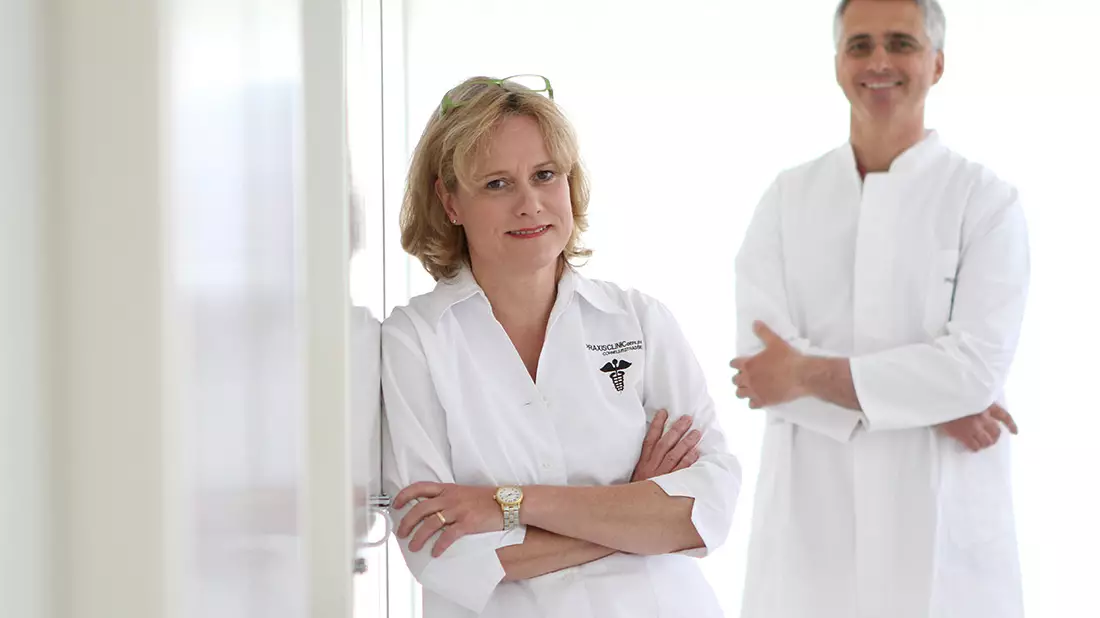
Arriving in a new city like Berlin often means a long list of small and big challenges: registering with the authorities, finding an apartment, understanding German bureaucracy, and, sooner or later, looking for trustworthy doctors. When it comes to teeth, the stakes feel even higher. For many expats and even for locals, visiting a dental practice can trigger very real dental anxiety. You might ask yourself: Will they understand me in English? Will they recommend treatment I truly need, or just what is fastest? Who can I trust with something as personal and visible as my smile and as important as my overall health?
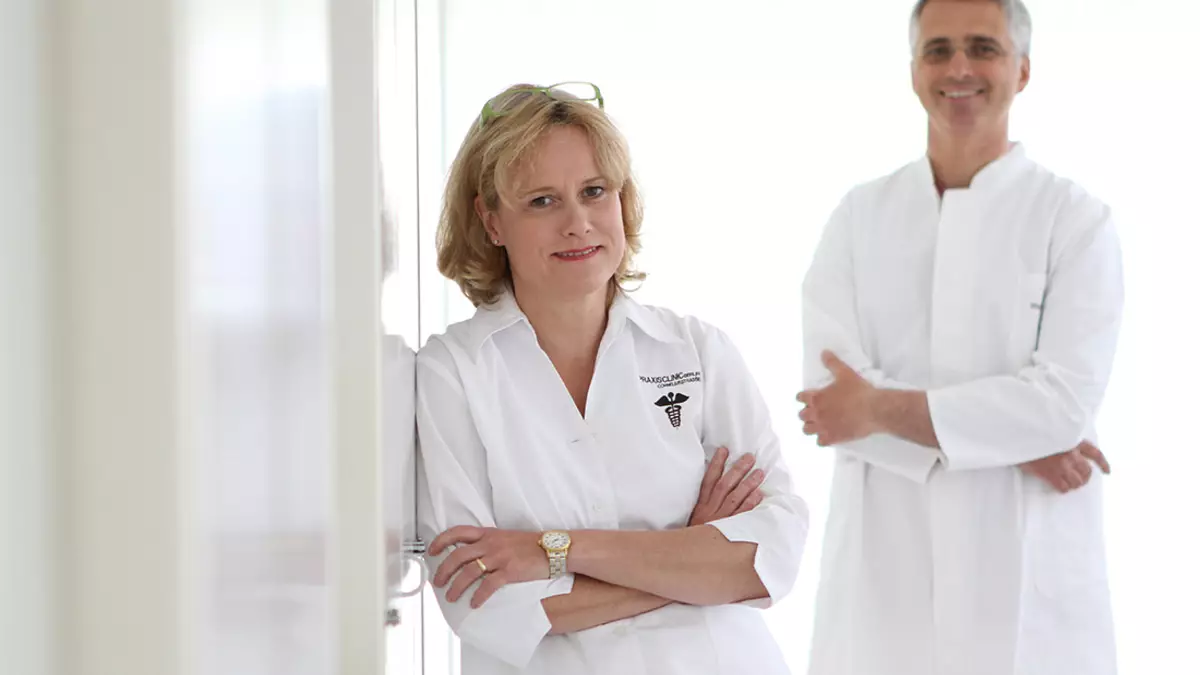
In Berlin’s southwest, in the lively district of Steglitz, not far from the shopping axis of Schloßstraße and the green streets leading towards Zehlendorf, there is a Dental Practice that has become a well-kept secret among discerning patients: Zahnarzt-Praxis Berlin Steglitz (Dr. Djamchidi & A. Jannack). Here, international residents find a rare combination of deep medical expertise, modern dentistry, and a human, empathetic style of care that acknowledges how vulnerable it feels to sit in a dental chair in a foreign health system.
This practice stands out for its unique "double approbation" profile: Dr. Djamchidi is both a fully qualified physician and ENT specialist as well as a dentist. Together with dentist Annette Jannack, who focuses strongly on endodontics, tooth preservation, aesthetics, and microscopic dentistry, the team offers a sophisticated blend of implantology, oral surgery, and tooth preservation under one roof. For patients who want clear explanations, honest second opinions, and an English-speaking dentist who understands international expectations, this is a powerful combination.
For many expats, the first barrier to care in Germany is language. Even if you manage everyday German, medical terminology around implantology, root canal treatment, or oral surgery quickly becomes complex. Misunderstandings can lead to fear: What if you agree to something you do not fully understand? What if the cultural style of communication feels blunt or rushed compared to what you know from home?
At Zahnarzt-Praxis Berlin Steglitz, the team knows these worries well. Appointments are carefully structured so that there is time for clear explanations, in German and in English, before any treatment begins. Rather than pushing a quick fix, the dentists explain the situation in your mouth step by step: What is inflamed? What can be preserved? Where is it safer to replace a tooth with an implant? How does this interact with your general health, your sinuses, and your jaw joints? This communicative, educational style is reassuring for patients who come from health systems where second opinions and shared decision-making are the norm.
Another common challenge for expats is navigating the difference between statutory insurance, private insurance, and self-pay services. While this Dental Practice is not an insurance office, the team is used to helping international patients understand which treatments may be covered and where additional investment might be recommended for higher longevity or aesthetics. Being able to ask these financial and practical questions openly, without feeling judged, is an essential part of building trust. It also empowers you to choose between treatment paths rather than feeling that there is only one option.
Above all, the practice recognises that many people have dental anxiety, sometimes based on past traumatic experiences in the dental chair. Gentle communication, minimally invasive techniques, and the possibility of sedation or twilight sleep when medically appropriate create an environment where even very nervous patients can consider comprehensive care.
The core medical uniqueness of Zahnarzt-Praxis Berlin Steglitz lies in the "double approbation" of Dr. Djamchidi: he is both an ENT specialist (ear, nose, and throat physician) and a licensed dentist. This dual qualification is especially valuable in implantology and oral surgery, where the border zones between dentistry and general medicine are crucial.
When planning and placing dental implants, especially in the upper jaw, your dentist works very close to the maxillary sinus floor, the delicate air-filled cavity above your back teeth. In many people, tooth roots and sinus anatomy are extremely close. After tooth loss, the bone in this region can shrink. To safely insert an implant with enough length and stability, the available bone height may not be sufficient. This is where procedures such as a sinus lift or sinus floor elevation become relevant.
In such cases, having an implantologist who fully understands both dental and ENT anatomy is a real safety advantage. As an ENT specialist, Dr. Djamchidi has deep experience with sinus health, nasal breathing, and the complex connections between the upper jaw, maxillary sinuses, and the rest of the airway. As a dentist, he can integrate this knowledge with precise implant planning, oral surgery techniques, and the long-term function of prosthetic teeth.
During implantology planning, he takes into account not only the thickness of your jawbone on X-ray or 3D imaging but also the condition of your sinuses: are there chronic inflammations? Previous sinus surgeries? Deviation of the nasal septum or polyps that might affect sinus drainage? Understanding these conditions reduces the risk of complications and guides the choice between different augmentation techniques, such as internal sinus lift, lateral window sinus lift, or alternative implant designs that avoid the sinus region altogether when advisable.
Moreover, because of his medical background, systemic health is not an afterthought. Many patients have general conditions such as diabetes, cardiovascular disease, autoimmune disorders, or are taking blood thinners, bisphosphonates, or immunosuppressive medications. These factors significantly influence the healing of bone and soft tissue around implants, as well as the risk of infection. An ENT physician-dentist like Dr. Djamchidi can assess your overall health more comprehensively, communicate with your general practitioner or specialist if needed, and adapt treatment plans to minimise risk.
This dual training also influences the approach to oral surgery beyond implantology. Wisdom tooth extraction, removal of cysts, surgical tooth exposure, and treatment of chronic jaw infections all happen in an anatomical region that is connected to the rest of the head and neck. Recognising signs that might point to broader ENT issues, such as chronic sinusitis, obstructed nasal breathing, or referred pain from the temporomandibular joint (TMJ), allows for a more holistic evaluation of your symptoms.
In everyday terms, this "double view" means that when you sit in the chair to discuss an implant, you are not just talking about a screw in the bone. You are discussing how this implant will behave in a living, breathing human body, with sinuses that must remain healthy, with mucous membranes that can become inflamed, and with a jaw that must function in harmony with your bite, your posture, and your airway. This comprehensive view builds an additional layer of safety and comfort, especially for patients who have heard stories about sinus problems after implants or who simply want the most medically informed approach available.
While implantology and oral surgery naturally attract a lot of attention, the philosophy of Zahnarzt-Praxis Berlin Steglitz is clearly rooted in tooth preservation. This is where dentist Annette Jannack plays a central role. Her focus on endodontics (root canal treatment), microscopic dentistry, and aesthetics reflects a principle that is deeply embedded in modern European dentistry: "Zahnerhalt vor Zahnersatz" – preserving the natural tooth before replacing it.
Endodontics is often misunderstood by patients. Many only hear the phrase "root canal" and immediately associate it with pain or long procedures. In reality, modern root canal treatment, especially when performed under magnification and with up-to-date instruments, can be an elegant, minimally invasive way to preserve a tooth that would otherwise need to be extracted.
Inside every tooth there is a fine system of canals that contain nerves and blood vessels. When deep decay, cracks, or trauma allow bacteria to reach this internal space, the tissue becomes inflamed and eventually dies. If nothing is done, the infection spreads through the root tip into the jawbone, leading to abscesses, swelling, and sometimes even systemic symptoms such as fever or fatigue.
Root canal treatment aims to save this tooth by carefully cleaning and disinfecting the inside of the canals, shaping them so that they can be sealed hermetically, and filling them with a biocompatible material that prevents reinfection. This work is technically demanding: the canals are often curved, very fine, and sometimes divided into multiple branches. Here, microscopic dentistry becomes more than a buzzword. Under magnification, structures that are invisible to the naked eye become controllable, which increases the precision of cleaning and sealing.
Annette Jannack’s expertise in endodontics means that the practice can offer high-quality root canal treatment and retreatment in-house. For a patient, this often means a realistic chance to keep a tooth that might otherwise be written off. Preserving your own tooth has several advantages over replacing it immediately with an implant: natural teeth have an extremely sophisticated structure that helps absorb chewing forces; they retain your body’s original proprioception (the way your teeth feel pressure and position); and they maintain the natural structure of your jawbone as long as they remain functional.
Only when a tooth cannot be saved predictably, or when its long-term prognosis is so poor that additional investment would not be sensible, does the team discuss alternatives such as implants or bridgework. This sequence – conservation first, replacement second – is an ethical and long-term-oriented approach. It respects both your biology and your budget, and it matches what many expats know from evidence-based dentistry in their home countries.
Aesthetics are another important aspect of Annette Jannack’s work. Restoring a tooth after endodontic therapy often requires crowns or partial crowns to protect the remaining tooth structure from fractures. Here, the goal is not only durability but also a harmonious appearance that integrates naturally into your smile. Shade matching, shape design, and the choice of materials with high biocompatibility, such as modern ceramics, are discussed openly so that you understand why a particular solution is recommended.
For many people, the words "dentist" or "Zahnarzt" automatically trigger tension in the shoulders. Anxiety in the dental setting is not a weakness; it is a normal reaction to a situation where you feel out of control, cannot easily speak, and may have experienced pain in the past. An anxiety-aware Dental Practice does not brush this aside; it builds systems around it.
At Zahnarzt-Praxis Berlin Steglitz, this begins with the way the team greets and listens to you. You are explicitly invited to talk about your fears, to explain what has gone wrong in previous treatments, and to name specific triggers – whether it is the injection, the sound of the drill, the fear of choking, or the worry of not being understood in English.
Once your personal profile of anxiety is known, the dentists can adapt. For some, this might mean longer appointments with more breaks, so that you never feel overwhelmed. For others, it may involve starting with simpler procedures like prophylaxis and professional tooth cleaning to rebuild trust before larger treatments. Clear explanation of each step minimises the sense of surprise: knowing when you will feel pressure, vibration, or a change in position of the chair helps your nervous system stay calmer.
Medically, the practice offers different levels of support for anxious patients. Local anaesthesia is always aimed at being as gentle and effective as possible. For those with particularly strong fear, options such as sedation or twilight sleep can be discussed, always within the framework of your general health and safety. Because of the physician-level expertise in the team, assessment of whether such methods are appropriate is careful and medically sound.
Some patients also appreciate complementary approaches such as homeopathy or gentle relaxation strategies. While these do not replace anaesthesia or precision in treatment, they can contribute to a sense of holistic care. The emphasis on minimally invasive procedures – using the smallest effective incisions, preserving as much healthy tooth and bone substance as possible, and designing treatment plans that reduce trauma – further supports a calmer experience. Less invasive treatment often means less postoperative discomfort and a faster return to everyday life.
Finding the practice is relatively straightforward. Located in Berlin Steglitz, within easy reach of Schloßstraße and the residential areas that lead towards Zehlendorf, it sits in a classic Berlin Altbau building. For many, entering this historic structure is part of the charm: high ceilings, traditional staircases, and the architectural language that people from around the world associate with the city’s character.
However, authenticity has practical implications. The building is not barrier-free, and there is no elevator. Access to the Dental Practice requires climbing stairs. The team is transparent about this from the outset because honesty about accessibility is part of respectful patient communication. If you have mobility issues or use a wheelchair, this may limit your ability to be treated here, and the practice can help you consider alternative solutions or colleagues with barrier-free access.
For those who are able to manage stairs, the location offers several advantages. Steglitz is well connected by public transport, and the proximity to Schloßstraße means that buses and U-Bahn lines are usually not far away. For patients coming from other parts of Berlin or even from Brandenburg, Berlin Southwest is easily reachable by car, and parking options in the surrounding streets can often be found, especially if you plan a bit of extra time.
Inside, the atmosphere contrasts pleasantly with the lively urban environment outside. The team has arranged the rooms to feel calm and welcoming rather than clinical and cold. For expats who may already feel overloaded by new impressions, this combination of authentic Berlin architecture and a modern, friendly interior can be surprisingly grounding: you feel that you are in a real Berlin neighbourhood while still receiving high-level, contemporary dental care.
To help you imagine what it is like to become a patient at Zahnarzt-Praxis Berlin Steglitz, consider a typical first visit as an example. Perhaps you have recently moved to Berlin for work, and one of your molars has started to ache. You search online for a Dental Practice in Berlin Steglitz, maybe using both English and the German word "Zahnarzt", and you are drawn to this practice’s combination of implantology, tooth preservation, and English-speaking service.
When you call or write, the team asks a few basic questions: what symptoms you have, whether there is acute pain or swelling, and what your general health and medication status are. They explain available appointment slots and, if you are an expat, may ask about your insurance type so they can outline how billing typically works. From the beginning, their tone is pragmatic but kind, aiming to reduce your anxious anticipation.
On the day of your visit, you find your way to Steglitz, walk along the tree-lined streets that lead off from Schloßstraße, and arrive at the historic building housing the practice. You climb the stairs and are welcomed by the reception team, who confirm your basic data and provide any necessary forms. If you prefer, explanations can be given in English so that you are completely clear on what you are signing, particularly regarding data protection and medical history.
The first clinical step is a thorough anamnesis. Here you speak with the dentist about your current complaint, your past dental history, and your general health. You can mention whether you smoke, whether you have conditions like high blood pressure, diabetes, or allergies, and what medications you take. If you have previously had difficult dental experiences, this is the moment to share them. The goal is not just to check boxes but to build a nuanced understanding of who you are as a patient.
Next comes the diagnostic phase. Depending on your situation, this may involve a clinical examination of teeth and gums, checking your bite, and taking X-rays. If your problem is complex, such as planning for a missing tooth in the upper jaw, three-dimensional imaging might be recommended to assess the bone volume near the maxillary sinus floor. For root canal issues, focused small X-rays help visualise the length and shape of the canals and any bone changes around the root tips.
Once the data is gathered, the dentist explains the findings. For example, you might learn that your aching molar has deep decay reaching the nerve but good bone support. In this case, Annette Jannack might suggest endodontic treatment under magnification to clean and save the tooth, followed by a durable restoration, perhaps a crown. Alternatively, if the tooth has cracked beyond repair or has undergone several unsuccessful treatments elsewhere, the discussion might turn to extraction and replacement with an implant, where the combined dental and ENT expertise of Dr. Djamchidi becomes relevant.
This is also the stage where you can ask for a second opinion feeling fully respected. The team is aware that many expats want to compare recommendations before making major decisions. Rather than taking offense, they can provide letters or documentation summarising your findings in both German and, where helpful, in English, enabling you to seek clarity with other professionals if you wish. This culture of openness is central to long-term patient relationships built on trust.
Once you and the dentist agree on a treatment plan, the team outlines the steps, the estimated number of appointments, and any need for sedation or special precautions. For example, a full implant workflow might include tooth extraction, bone healing, possible sinus lift, implant placement, healing time, and final prosthetic restoration. At each phase, they explain not only what will be done but why each step is necessary from a medical standpoint, including bone stability, soft tissue health, and long-term function.
During the actual treatment appointments, pain control is a priority. Whether it is a root canal, an extraction, or implant surgery, local anaesthetic is administered carefully and tested before any invasive step. For patients choosing twilight sleep or sedation, monitoring and safety protocols follow medical standards aligned with the physician expertise present in the team. Throughout, you are encouraged to signal if you need a break or feel uncomfortable, which is particularly reassuring if you have previously felt ignored during dental procedures.
After treatment, the follow-up phase focuses on healing and prevention. You receive instructions about oral hygiene, medication if prescribed, and signs that would warrant contacting the practice. Prophylaxis – professional tooth cleaning and prevention programmes – is presented not as a luxury add-on but as a central tool to protect your investment, whether that is a saved natural tooth or a new implant. Regular check-ups help detect issues early, such as gum inflammation around implants (peri-implantitis) or cracks in aging fillings, allowing minimally invasive corrections before larger problems arise.
Over time, many patients come to appreciate this continuity. What begins as a crisis appointment for pain often develops into an ongoing partnership where the practice monitors your oral health as part of your general well-being in Berlin. You might start with a single problematic tooth and, across months and years, gradually improve the overall health, function, and aesthetics of your mouth, supported by a team that knows you as more than just a set of X-rays.
When you step back and look at the qualities that define Zahnarzt-Praxis Berlin Steglitz, a coherent picture emerges. This is not just any Dental Practice in Berlin Steglitz, but a medically sophisticated, ethically grounded, and internationally aware clinic that speaks to both locals and the global community living in Berlin Southwest.
The unique double approbation of Dr. Djamchidi unites ENT and dental expertise in a way that significantly enhances safety and planning quality in implantology and oral surgery, particularly around the sensitive maxillary sinus region and in medically complex patients. The focus of Annette Jannack on endodontics, tooth preservation, and aesthetics brings a refined, microscopic dentistry skill set to the team, enabling many teeth to be saved that might elsewhere be extracted too quickly. Together, they embody the principle that high-tech solutions like implants should be integrated thoughtfully into a broader strategy of preserving and restoring natural structures whenever responsibly possible.
For expats, the practice offers more than technical ability. English-speaking communication, a patient, explanatory style, and openness to second opinions help bridge the gap between different medical cultures and expectations. Fearful patients find not only options like sedation and twilight sleep but also a genuinely empathetic approach that respects dental anxiety as a real, serious factor in care. Minimally invasive methods, careful planning, and thorough follow-up contribute to a sense of security.
The location in a classic Berlin Altbau in Steglitz, near Schloßstraße and within reach of Zehlendorf, adds a sense of authentic city life. At the same time, the team is honest about the lack of elevator and the presence of stairs, acknowledging that this historic charm comes with limits in accessibility. This transparency itself is part of the trust-building process.
Ultimately, choosing a dentist is about more than comparing price lists or reading a few online reviews. It is about finding professionals whose values, communication style, and level of expertise align with your own health goals. Whether you seek a straightforward prophylaxis programme to keep your teeth healthy, a complex implantology concept coordinated with ENT-level understanding of your sinuses, or a careful endodontics-based plan to save compromised teeth, Zahnarzt-Praxis Berlin Steglitz offers a rare blend of skills.
For Berliners and international residents alike, this practice represents a place where high-quality dentistry meets human warmth, clear language, and a long-term view of your oral health. If you are looking for a modern Dental Practice that understands both the science of implantology and the art of listening to anxious patients, this Steglitz team is an address worth knowing.
Disclaimer regarding our articles: No investment advice, no buy or sell recommendation. Information on prices, companies, and markets is provided without guarantee; changes are possible at any time. Stock market transactions can lead to substantial losses. Our articles are created and reviewed in whole or in part automatically with the support of AI.