A Trusted Dental Practice in Berlin Steglitz for Expats and Locals
Published on 04/07/2026 at 07:01 | Editorial responsibility: Rafael Müller, Editor-in-Chief AD HOC NEWS
Moving to a new country is exciting, but it can also make everyday healthcare surprisingly complicated. Many international residents in Berlin find themselves postponing dental check-ups because they are unsure where to go, worried about language barriers, or anxious about the cost and the quality of care. Dentistry is particularly sensitive: opening your mouth and placing your trust in a stranger is never easy, and even less so when you are far from home and not yet familiar with how the local system works.
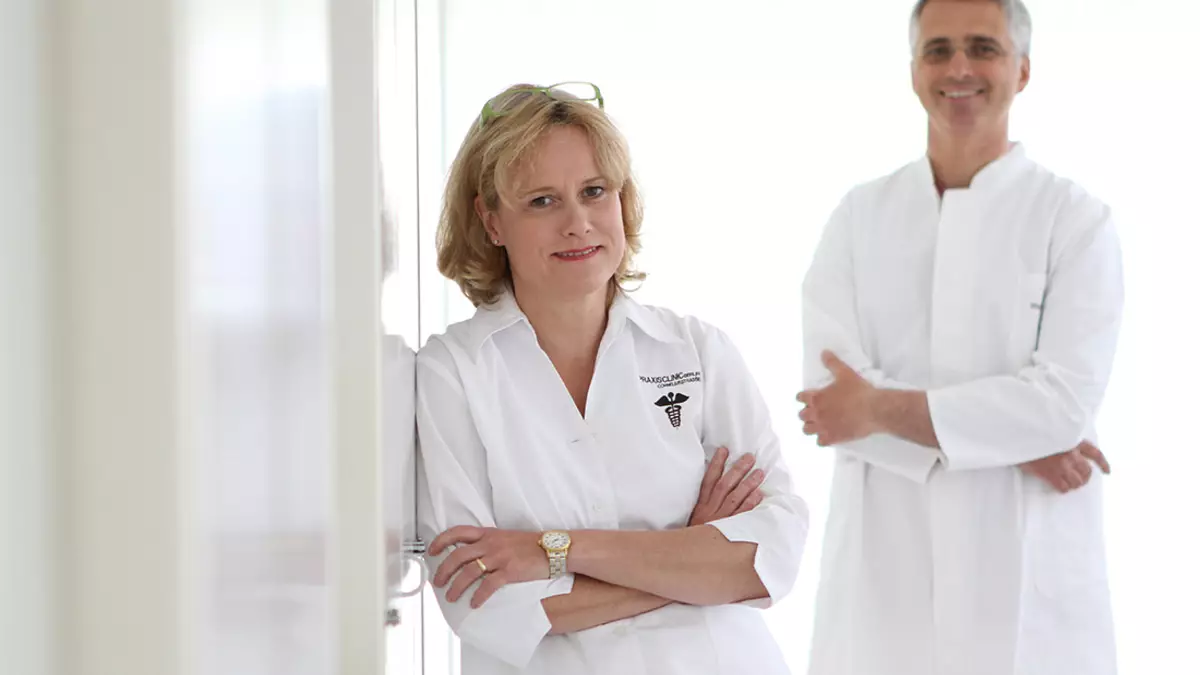
In this context, choosing a dental practice becomes more than just a practical decision. It is about feeling safe, understood, and medically well looked after. For English-speaking expats and internationally minded Berliners, a Dental Practice in Berlin Steglitz stands out for precisely these reasons: the Zahnarzt-Praxis of Dr. Djamchidi & A. Jannack on the southwestern side of the city, close to Schloßstraße, Zehlendorf, and other parts of Berlin Southwest.
This practice combines something genuinely rare: a double approbation (dual license) in both medicine and dentistry, as well as a strong focus on endodontics and aesthetic, tooth-preserving treatments. The result is a place where complex oral surgery, implantology, and detailed root canal treatments are carried out with an exceptionally holistic medical view. At the same time, the team pays close attention to communication, explaining options calmly and clearly in both German and English so that patients can make informed decisions without feeling rushed or pressured.
For many patients arriving from the UK, the US, or other countries, the idea of seeing a "Zahnarzt" in Germany can initially feel intimidating. But with the right combination of expertise, empathy, and clear bilingual communication, dental care in Berlin can become not just manageable, but reliably high quality and even comforting.
One of the defining features of this Dental Practice in Berlin Steglitz is the professional profile of Dr. Djamchidi. He holds a double approbation as both a medical doctor and a dentist, with specialist training in ENT (ear, nose, and throat medicine). In practical terms, this means that when he plans and performs dental implantology or oral surgery, he is not looking at your teeth and jaws in isolation. Instead, he has a comprehensive view of your entire head and neck region, including the sinuses, airways, and surrounding anatomical structures.
Why does this matter, especially for implants and procedures around the upper jaw? The answer lies in the anatomy of the maxillary sinus floor. Your upper back teeth sit very close to the maxillary sinuses, air-filled spaces within the bone of your midface. When teeth are lost in this region, the bone often shrinks over time. If an implant is planned without sufficient awareness of the sinus anatomy, there is a risk of penetrating the sinus cavity or not having enough stable bone for long-term success.
Here, the dual perspective of a physician and dentist becomes profoundly valuable. With his ENT background, Dr. Djamchidi understands the physiology and pathology of the sinus system in depth. Before recommending an implant, he examines not only the bone height and width but also the health of the sinus lining, drainage pathways, and any existing inflammation or anatomical variations. This is particularly relevant if you have a history of sinusitis, allergies, nasal breathing difficulties, or previous sinus surgery.
In cases where there is insufficient bone volume, a sinus lift or augmentation of the maxillary sinus floor may be required. This is a delicate procedure that gently elevates the sinus membrane and adds bone material to create a stable foundation for the implant. Having an ENT specialist perform this step significantly increases the safety and predictability of the procedure. The risks of perforating the membrane, causing chronic sinus issues, or misjudging the available space are reduced through detailed pre-operative assessment and surgical experience in both oral surgery and sinus anatomy.
For an expat patient, this dual qualification brings something priceless: peace of mind. If you are considering implants, you do not have to coordinate between a separate ENT doctor and a dentist, nor do you have to interpret conflicting opinions in German medical jargon. Instead, you can sit down with one clinician who speaks English, is licensed as both physician and dentist, and can explain in simple terms what your imaging shows, what the options are, and how the risks will be managed.
This combination is also valuable beyond implantology. Conditions such as jaw pain, temporomandibular joint issues, unexplained facial pain, or chronic pressure around the cheeks and eyes often overlap between dental, ENT, and neurological fields. A double-approbation specialist is trained to differentiate between tooth-related problems, sinus disease, and other causes. That means fewer unnecessary procedures and a more targeted, minimally invasive treatment strategy.
Biocompatibility also plays a central role in this practice. As a physician, Dr. Djamchidi pays close attention to how materials interact with the body as a whole. When selecting implant systems, bone substitutes, or fillings, he considers international standards, proven clinical research, and individual patient sensitivities. This is especially reassuring if you have known allergies, autoimmune conditions, or simply want to be certain that the materials in your mouth are safe and well tolerated long term.
While the double approbation of Dr. Djamchidi creates an outstanding foundation for safe and comprehensive oral surgery, the practice’s second key pillar is tooth preservation. This is where dentist Annette Jannack plays a central role. Her professional focus lies in endodontics, microscopic dentistry, and aesthetic restorations that respect the natural tooth structure whenever possible.
Endodontics, commonly known as root canal treatment, is often misunderstood. Many patients associate it with pain and stress. In reality, modern endodontics is a highly precise, technically demanding field dedicated to saving teeth that might otherwise need to be extracted. The philosophy here is "saving the tooth before replacing it"—or, in the German phrase often used in this context, "Zahnerhalt vor Zahnersatz".
When the inner part of a tooth (the pulp) becomes inflamed or infected, usually due to deep decay, cracks, or trauma, a root canal treatment can remove the infected tissue, disinfect the root system, and seal it carefully. Done correctly, this allows the natural tooth to remain in the mouth, anchored in its own ligament and bone, sometimes for many years or even decades. This has advantages for both function and aesthetics, and in many cases avoids or postpones the need for a prosthetic replacement such as a bridge or implant.
In this dental practice, root canal treatments are carried out using the principles of microscopic dentistry. Powerful magnification and focused illumination allow the dentist to see tiny structures within the tooth that would be invisible to the naked eye. This is crucial because root canals can be curved, narrow, or branched; missing even a small canal can lead to persistent infection or later complications.
With the aid of modern instruments and techniques, the canals are shaped, irrigated, and disinfected in a minimally invasive way, preserving as much healthy tooth substance as possible. The materials chosen for filling and sealing the canals, as well as for rebuilding the crown portion of the tooth, are selected for high quality and biocompatibility. This meticulous approach reflects the commitment to long-term tooth preservation, not just short-term symptom relief.
In addition to endodontics, Annette Jannack has a strong interest in aesthetic and restorative dentistry. Once a tooth has been saved from extraction, it often needs a carefully designed restoration—a filling, inlay, onlay, or crown—that protects it from fracture while blending naturally with the rest of your teeth. The practice places value on tooth-colored materials, harmonious shapes, and the subtle play of translucency and shade that makes restorations appear truly lifelike. This is particularly appreciated by patients in professional or public-facing roles, where a confident smile is part of everyday life.
This focus on aesthetics is never superficial. It is always combined with a deep respect for function and oral health. An aesthetically pleasing restoration should support proper chewing, avoid overloading neighboring teeth, and work harmoniously with the jaw joints and muscles. By viewing each tooth within the context of the entire bite and facial structure, the team ensures that beauty and function support each other rather than compete.
Many people, both locals and expats, carry a history of negative experiences at the dentist—rushed treatments, feeling judged, or not being listened to when they expressed fear. Such experiences can easily lead to dental anxiety, where even the thought of making an appointment triggers physical tension or avoidance. For those living in a foreign country, this anxiety is sometimes amplified by the fear of not understanding explanations in German or being unable to express pain and concerns.
The Zahnarzt-Praxis in Berlin Steglitz consciously addresses this reality. From the moment you contact the practice, the communication style is designed to be reassuring and transparent. The team is used to working with international patients and offers consultations in clear, accessible English. The goal is that you know what will happen at each step, how long it will take, and what sensations you might feel—before, during, and after the procedure.
For patients with pronounced dental anxiety, the practice offers supportive measures beyond a friendly conversation. These can include relaxation techniques, very gentle local anesthesia, and in suitable cases, forms of sedation or twilight sleep. Under twilight sleep, you remain responsive but deeply relaxed, with reduced perception of time and less memory of the procedure itself. This can be particularly helpful for more extensive oral surgery, implant placement, or complex endodontic work that would otherwise feel overwhelming.
Some patients appreciate complementary approaches such as mild homeopathic support or natural remedies for anxiety and wound healing, as long as they are medically safe and discussed transparently. The practice takes a rational, patient-centered stance here: when complementary methods are used, they are integrated sensibly into an evidence-based treatment plan without replacing proven medical and dental standards.
The core principle is a minimally invasive philosophy. This means avoiding unnecessary trauma to the tissues, using conservative techniques whenever possible, and planning treatments so that you experience less postoperative pain, faster healing, and more predictable results. A minimally invasive approach is not only relevant for surgery but also for everyday dentistry: for example, preparing cavities as small as possible, preserving healthy enamel and dentin, and opting for tooth preservation before extraction.
In line with this, the practice welcomes patients who come for a second opinion. If you have been advised to undergo major treatment elsewhere—such as multiple extractions, extensive bridgework, or large-scale implantology—you are encouraged to bring your documents and imaging. A detailed second opinion in English or German can help you understand whether the proposed plan is indeed necessary, whether there are more conservative alternatives, and what the risks and benefits truly are in your particular case.
The practice is located in Berlin Steglitz, in a characteristic Altbau building that reflects the historical architecture of this part of the city. Steglitz and the broader Berlin Southwest region, including nearby Zehlendorf, are known for their mix of classic residential buildings, tree-lined streets, and convenient access to busy shopping areas like Schloßstraße. Patients often combine their dental appointment with errands, a relaxed walk, or a café visit in the neighborhood.
It is important to be transparent: the building is not barrier-free. The practice is located in a historic property with stairs and no elevator. For some patients, especially those with limited mobility, this is a relevant limitation and should be factored into planning. At the same time, many people appreciate the authentic Berlin experience of entering a traditional Altbau, with its high ceilings, solid staircases, and sense of history. Inside, the rooms are modernized to meet current dental standards, creating a unique contrast between old-world charm and contemporary medical technology.
For those arriving by car, the area around Steglitz and Schloßstraße offers comparatively good parking options by Berlin standards, especially in side streets and designated parking spaces. If you come by public transport, you benefit from the excellent connections typical of Berlin Southwest: buses, U-Bahn, and S-Bahn lines make it relatively easy to reach Steglitz from central districts as well as from Zehlendorf, Lichterfelde, and other surrounding neighborhoods.
Because location and accessibility are such personal factors, the practice team is happy to explain the arrival options in advance by phone or email—again, in English if needed. This helps reduce uncertainty and ensures that your focus on the day of the appointment can remain on your health rather than on the logistics of getting there.
Imagining what your first visit might look like can help to reduce anxiety and clarify expectations. While each treatment plan is individualized, a typical patient journey at this Dental Practice in Berlin Steglitz follows a structured, patient-friendly sequence.
The process often begins before you even enter the practice: via phone or online, you schedule an appointment that fits your timetable. When you mention that you are an English speaker, the team takes care to ensure that you are paired with staff able to guide you in your preferred language. If you have previous x-rays or reports from another dentist, you are encouraged to bring them or send them in advance.
Upon arrival, you climb the characteristic Altbau stairs and enter a reception area that combines a clean, professional atmosphere with a warm, personal tone. You are greeted, given any necessary forms (with assistance if German bureaucracy feels intimidating), and invited to share any concerns or special wishes. This is your chance to mention dental anxiety, known allergies, chronic conditions, or medication you are taking.
The first consultation usually includes a detailed anamnesis—a structured medical and dental history. Here, the dual expertise of the practice truly comes into play. Especially if you are seeing Dr. Djamchidi, questions will not stop at your teeth. He will ask about ENT issues such as sinus problems, breathing patterns, snoring, previous surgeries, or chronic infections. This broader picture helps him interpret your oral findings in a systemic context.
A clinical examination of your teeth, gums, oral mucosa, and bite follows. If recent imaging is missing or insufficient, modern digital radiographs or three-dimensional imaging may be taken. These are invaluable for assessing bone quality, the position of the maxillary sinus floor, or the complexity of root canal systems. Throughout this process, the clinician explains what he or she is looking for, often pointing directly to the images and translating technical terms into everyday language.
Once the diagnostic phase is complete, you receive a structured explanation of your situation and the available treatment options. For example, if you are missing a tooth in the upper jaw, the conversation might cover the possibility of an implant, the need (or not) for a sinus lift, the type of implant system proposed, and alternative options such as a bridge or removable prosthesis. The advantages of having an ENT specialist manage the sinus area are explained calmly, without pressure, and you are invited to ask as many questions as you wish.
Similarly, if you present with a painful molar that has been labelled "hopeless" elsewhere, Annette Jannack may explain how modern endodontics could potentially save it. She will describe what root canal treatment involves, how microscopic dentistry improves success rates, and what kind of long-term prognosis can realistically be expected. This is also the moment to clarify costs, insurance questions, and the approximate number and length of appointments required.
Treatment is scheduled in a way that respects both medical needs and your everyday life. For anxious patients, shorter initial sessions may be arranged to build trust gradually. On the day of an implant or complex root canal procedure, you are guided step by step. The use of effective local anesthesia is standard; if sedation or twilight sleep has been chosen, the process is explained in advance, including the need for someone to accompany you afterwards.
During the procedure, the team keeps you informed at key points without overwhelming you with details. Simple updates like "We are halfway done" or "You may feel some pressure now, but no pain" provide orientation and reduce fear. If at any point you need a break, you are encouraged to say so. This respectful, collaborative approach is one of the strongest antidotes to dental anxiety.
After treatment, you receive clear aftercare instructions, often in both spoken and written form, so you can review them at home. Information about possible postoperative sensations, pain management, and signs that should prompt you to contact the practice is provided in straightforward language. Follow-up appointments are scheduled to monitor healing, adjust restorations if necessary, and ensure that you are comfortable and satisfied with the outcome.
Prophylaxis—preventive care—is also an integral part of the patient journey. Regular professional cleanings, gum checks, and individualized oral hygiene coaching help maintain the results of complex treatments and prevent new problems from developing. For expats who may have experienced a different structure of dental coverage in their home countries, the team is ready to explain how preventive dentistry works in Germany and how it relates to statutory or private insurance plans.
When you put all these elements together—the double approbation of a physician and dentist with ENT specialization, the advanced endodontic and aesthetic skills of a tooth preservation expert, the focus on dental anxiety, and the authentic yet modernized Altbau setting in Steglitz—you begin to see why this particular Zahnarzt-Praxis has such strong appeal for both locals and international residents.
From a medical perspective, the synergy between ENT knowledge and dental implantology translates into safer, more predictable outcomes, especially for procedures involving the maxillary sinus floor and upper jaw. The attention to biocompatibility and systemic health aligns with the expectations of health-conscious patients who want to look beyond the tooth in isolation.
From a restorative standpoint, the philosophy of "Zahnerhalt vor Zahnersatz" protects what is irreplaceable: your natural teeth. High-quality root canal treatment and microscopic dentistry mean that extractions are recommended only when truly necessary, and that any prosthetic solutions are built on the most solid, biologically respectful foundation possible.
Emotionally and practically, the practice offers what many expats look for but rarely find in one place: an English-speaking dentist and physician who can navigate complex medical and dental questions; a team that listens and respects dental anxiety; and a clear, structured approach that demystifies the German healthcare environment. Whether you need a simple check-up, a second opinion, advanced oral surgery, or a carefully planned cosmetic restoration, you can expect to be treated as a partner in decision-making, not as a passive recipient.
The location in Berlin Steglitz, close to Schloßstraße and well connected to Zehlendorf and the broader Berlin Southwest, makes the practice accessible from many parts of the city. The historic building, with its characteristic stairs and non-barrier-free structure, offers an authentic Berlin backdrop to a thoroughly modern approach to dentistry and oral surgery.
Ultimately, choosing a dental practice is about trust. For expats, trust means more than just technical skill; it means feeling heard, understood, and medically safe in a foreign environment. The Zahnarzt-Praxis Berlin Steglitz of Dr. Djamchidi & Annette Jannack has deliberately built its identity around these needs. With double approbation, strong endodontic and aesthetic expertise, and a thoughtful, anxiety-aware approach, it offers a level of care that makes Berlin feel a little more like home—one appointment at a time.
Disclaimer regarding our articles: No investment advice, no buy or sell recommendation. Information on prices, companies, and markets is provided without guarantee; changes are possible at any time. Stock market transactions can lead to substantial losses. Our articles are created and reviewed in whole or in part automatically with the support of AI.