A Trusted Dental Practice in Berlin Steglitz for Expats and Locals
Published on 04/05/2026 at 07:01 | Editorial responsibility: Rafael Müller, Editor-in-Chief AD HOC NEWS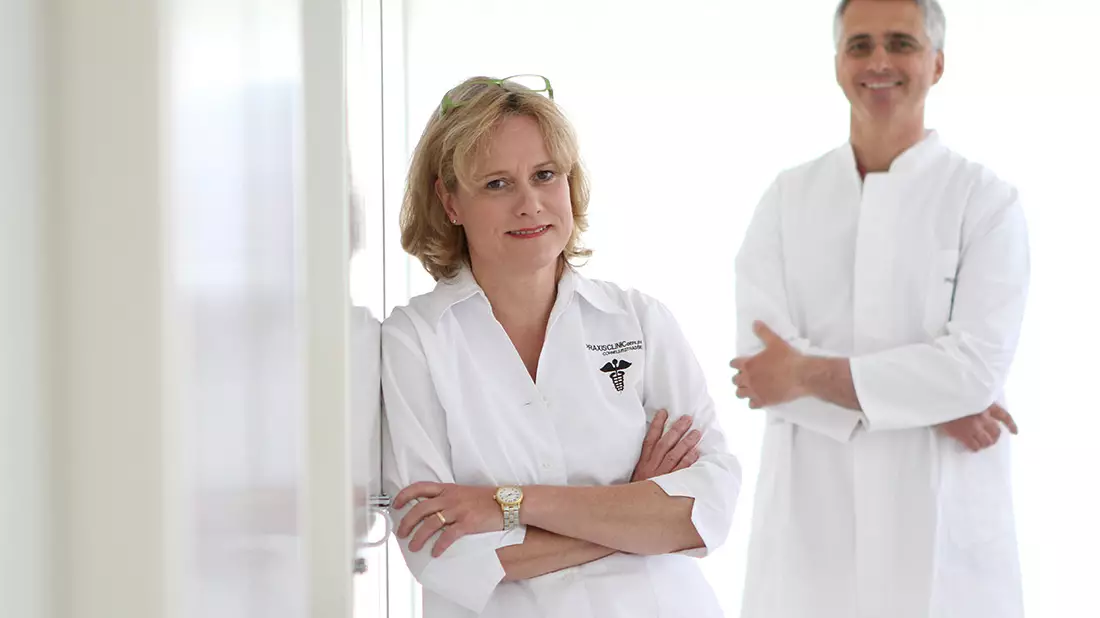
Arriving in a new country is exciting, but it also means leaving behind the familiar structures you relied on at home, especially when it comes to health and dental care. Many international residents in Berlin quickly discover that navigating the German healthcare system, explaining symptoms in another language, and building trust with a new dentist is not as simple as booking the next free appointment. There is the fear of not being fully understood, the worry about unexpected costs, and often a long history of dental anxiety that does not simply disappear at the border. Against this backdrop, choosing a Dental Practice is not just a practical decision; it is an emotional one, closely linked to safety, dignity and long-term health.
For expats, international students and globally mobile professionals, the challenge is often twofold. On one hand, they want high-level, evidence-based dental medicine: advanced implantology, careful oral surgery, and a philosophy that prioritises tooth preservation and minimally invasive treatment. On the other, they need a team that can communicate clearly in English, explain unfamiliar procedures such as German-style prophylaxis or insurance processes, and understand how unsettling a foreign medical environment can feel. The ideal Dental Practice in Berlin should therefore combine technical excellence with human warmth and cross-cultural sensitivity.
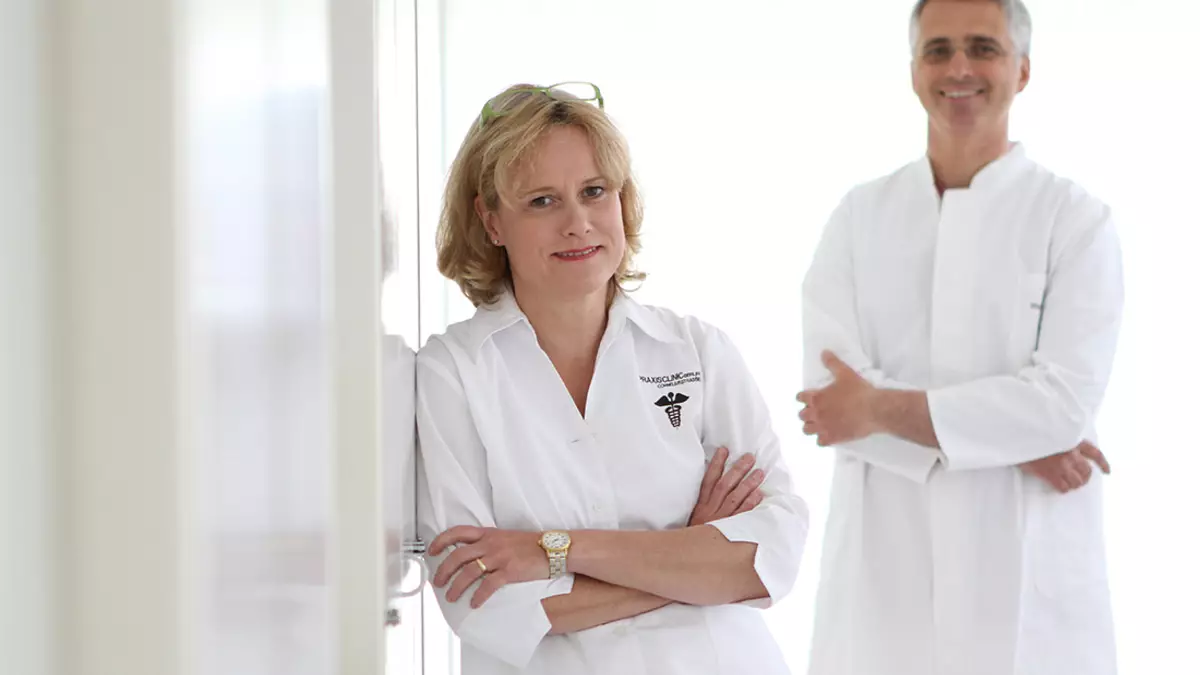
In Berlin's southwest, in the district of Steglitz near well-known landmarks such as Schloßstraße and not far from Zehlendorf, Zahnarzt-Praxis Berlin Steglitz (Dr. Djamchidi & A. Jannack) offers exactly this blend. The practice, located in a classic Berlin Altbau, is more than a typical Zahnarzt office. It is a place where medical and dental expertise literally meet in one person: practice founder Dr. Djamchidi holds a rare double approbation as both a physician and an ENT specialist and as a fully qualified dentist. Together with experienced dentist Annette Jannack, who focuses on high-end endodontics and aesthetics, the team has built a reputation for thorough diagnostics, gentle treatment and a strong commitment to preserving your natural teeth whenever possible.
Many patients discover the practice when searching online for an English-speaking dentist in Berlin Steglitz, or when asking friends for personal recommendations. Some arrive with acute tooth pain, others with a long-standing fear of the dentist, and many with complex medical histories that influence dental decisions. What they usually have in common is a desire for clear, honest information and a sense that their concerns will be taken seriously. The dentists and staff in this practice respond to exactly these needs: through time, listening, and the rare combination of dental and medical expertise that can make advanced procedures such as implantology and sinus-related oral surgery safer and more predictable.
One of the most distinctive features of Zahnarzt-Praxis Berlin Steglitz is the professional profile of Dr. Djamchidi. Unlike most dentists, he first trained as a physician and ENT (ear, nose, and throat) specialist before adding full dental training and approbation. This "double view" is particularly relevant in implantology and oral surgery, fields in which the borderline between ENT anatomy and dentistry is constantly crossed. When discussing implant placement in the upper jaw, for example, the relationship to the maxillary sinus floor is a central safety factor. For many dentists, the sinus is an anatomical structure they work near; for an ENT specialist, it is a familiar and thoroughly understood field.
To understand why this matters so much for your safety, it helps to look briefly at the anatomy. The upper back teeth sit immediately below the maxillary sinus, a hollow cavity in the cheek area that is involved in the respiratory system. After tooth loss, the bone in this region often shrinks both in height and density. When a dental implant is planned in such an area, the dentist must estimate very precisely how much bone is available and how close the implant will be to the sinus floor. If the bone is too thin, a procedure called sinus floor elevation or sinus lift may be required to create a stable base.
For a practitioner who is both an ENT specialist and a dentist, the maxillary sinus is not an unknown "risk zone" but a well-mapped and routinely treated area of the head. This dual background allows for a deeper assessment of sinus health, existing inflammations, anatomical variants and overall ENT conditions that may influence oral surgery. In practical terms, it means that before an implant is placed, sinus pathology such as chronic sinusitis or mucosal swelling can be recognised and addressed. It also supports more nuanced decisions about whether a closed (internal) sinus lift with minimal intervention is sufficient, or whether an open (external) approach is indicated.
For the patient, this translates into several benefits. First, risk management is improved: the likelihood of accidental sinus perforation, postoperative sinus infection or implant instability is reduced when planning is guided by both dental and ENT expertise. Second, diagnostics become more comprehensive. Imaging such as digital volume tomography (DVT) can be interpreted through both a dental and a medical lens, meaning that systemic or ENT-related factors are not overlooked. Third, communication is clearer. When you sit in the consultation room and ask, "Is this safe for my sinuses?" you receive an answer grounded in both fields, not just a standard phrase.
Implantology in this practice is thus not just about placing a titanium screw to replace a missing tooth. It is embedded in a broader medical context that considers bone quality, sinus condition, general health issues such as diabetes or anticoagulant medication, and even airway and nasal breathing patterns. A physician-dentist like Dr. Djamchidi is trained to view the body as an interconnected system, not as isolated compartments. This is especially reassuring for expats who may not have their full medical history easily available in German and who need a practitioner who can think in terms of differential diagnosis and systemic interactions.
The same double qualification plays an important role in other areas of oral surgery, such as the removal of deeply impacted wisdom teeth near nerve structures, or the evaluation of unexplained facial pain that may sit at the border between dental causes and ENT conditions. Instead of immediately recommending aggressive treatment, the practice can consider whether temporomandibular joint dysfunction, sinus congestion, or neuralgic conditions could be contributing to your symptoms. This cautious, medically informed approach is a major asset for patients who have already undergone complex treatments elsewhere and are seeking a second opinion before committing to further interventions.
Another central pillar of the practice is the work of dentist Annette Jannack, whose focus lies in endodontics, aesthetic dentistry and tooth preservation. While implantology offers excellent solutions for missing teeth, the philosophy of this team is clear: if a natural tooth can be saved in a predictable and biologically sound way, that option should be explored first. In German, this principle is often summed up as "Zahnerhalt vor Zahnersatz" – tooth preservation before tooth replacement.
Endodontics is the field of dentistry that deals with the inner life of the tooth, especially root canal treatment. When the pulp – the soft tissue containing nerves and blood vessels – becomes inflamed or infected, usually due to deep decay or trauma, a root canal procedure can remove the diseased tissue, disinfect the root system and seal it to prevent reinfection. In the past, root canal treatments often had a reputation for being uncomfortable and only moderately successful in the long term. Modern endodontics, as practiced by someone like Annette Jannack with a special interest and further training in this field, changes that picture substantially.
Today, high-quality root canal therapy typically involves microscopic dentistry, using dental operating microscopes or high-magnification loupes to visualise even the finest root canals. Complex molars can have surprisingly intricate canal systems, with hidden side branches that are easily missed without magnification and experience. In this Dental Practice, each case is approached with meticulous preparation: detailed X-rays, sometimes three-dimensional imaging, mechanical preparation with flexible nickel-titanium instruments, and irrigation protocols designed to reach even challenging areas of the root system.
The goal is not simply to keep the tooth in place for a few years, but to achieve a long-term, biologically acceptable result. This includes attention to biocompatibility: the selection of filling materials and sealants that are tolerated well by surrounding tissues, and the creation of a stable, well-sealed coronal restoration to prevent bacteria from re-entering. For many patients, especially those wary of implants or with limited insurance coverage for prosthetics, a successfully treated and carefully restored tooth is the most natural and cost-effective solution.
Beyond the technical process, what distinguishes the practice's endodontic work is the time and educational effort invested in each patient. Root canal treatment can sound frightening, particularly for people with dental anxiety. Ms. Jannack and the team therefore take care to explain each step in clear, understandable English if needed: why the procedure is necessary, what you can expect to feel (usually only pressure, not pain, because of effective local anaesthesia), and how long it is likely to take. For multi-rooted teeth, treatment may be spread across several appointments to respect your comfort and allow careful disinfection.
After successful endodontic therapy, the focus shifts to reinforcement and aesthetics. A tooth that has undergone root canal treatment can become more brittle over time. To protect it from fracture, the practice may recommend a high-quality onlay or crown, designed with functional occlusion in mind and, if desired, in a shade that harmonises with your smile. This is where aesthetic dentistry and tooth preservation meet: the aim is a tooth that not only feels stable and pain-free, but also looks natural, supporting your confidence in social and professional settings.
For many expats in Berlin, dental anxiety is amplified by cultural differences and unfamiliar surroundings. Memories of painful childhood treatments or rushed, impersonal dental visits at home can resurface the moment they smell the typical disinfectant odour of a clinic. Knowing this, Zahnarzt-Praxis Berlin Steglitz consciously cultivates a calm, respectful, anxiety-aware environment. From the initial phone call, patients are encouraged to share their fears openly. There is no embarrassment in admitting you have not seen a dentist in years or that even a simple check-up makes your heart race.
The team responds with practical measures. Local anaesthesia is used generously and patiently, allowing enough time for it to take full effect before treatment begins. For particularly phobic patients or for more extensive procedures such as oral surgery and implant placement, options such as sedation or so-called twilight sleep can be discussed. Twilight sleep refers to a form of conscious sedation in which you remain responsive but feel drowsy and detached, with reduced memory of the procedure afterwards. In cooperation with anaesthesia specialists, this can be an effective way to make challenging treatments bearable without resorting to full general anaesthesia in a hospital setting.
In addition, the practice is open to complementary approaches, such as gentle homeopathic support or relaxation techniques, when patients express interest. While these are never presented as a substitute for modern dentistry, they can play a role in reducing pre-treatment nervousness or supporting post-operative recovery. The overarching philosophy is minimally invasive dentistry: performing only those interventions that are truly necessary, preserving as much healthy tooth and bone structure as possible, and tailoring the pace to what the patient can handle physically and emotionally.
For expats, one of the most reassuring aspects is clear, structured communication in English. Treatment plans, cost estimates and alternative options are explained transparently, so you know in advance what will happen, what it will cost, and what long-term outcomes are realistic. This reduces the feeling of "being at the mercy of the system" that many foreigners initially experience in German medical settings and helps build a partnership between patient and practitioner.
The physical setting of Zahnarzt-Praxis Berlin Steglitz also shapes the patient experience. The practice is housed in a classic Berlin Altbau in the heart of Steglitz, a district known for its mixture of historic residential buildings, leafy side streets and the vibrant shopping mile around Schloßstraße. For many locals, this type of building – with high ceilings, stucco details and wooden staircases – embodies the authentic charm of Berlin's southwest. It is very different from a sterile, anonymous health centre in a glass tower, and many patients appreciate the sense of history and solidity that such architecture conveys.
However, honesty is important: as a historic building, the property does not have an elevator, and access is via stairs. This means the practice is not barrier-free in the sense of wheelchair accessibility or for those who cannot climb stairs. The team is transparent about this from the outset, so that patients can make informed decisions. For some, the stairs are a small compromise in exchange for the unique atmosphere and central yet quiet location. For others with significant mobility limitations, it may mean that a different provider with full barrier-free access is more appropriate, and the practice will not disguise this reality.
What the location does offer is strong connectivity and pragmatic advantages for most visitors. Steglitz is well served by public transport, with U-Bahn, S-Bahn and bus lines converging around Schloßstraße and Rathaus Steglitz, making it easy to reach from many parts of Berlin, including Zehlendorf, Lankwitz and even the inner city districts. For those arriving by car, there is often better parking availability in this part of Berlin Southwest than in the more congested inner ring. Many patients combine their dental appointments with errands or shopping on Schloßstraße, turning a potentially stressful appointment into just one part of a productive day.
Imagining your first visit to this Dental Practice can help demystify the process, especially if you are anxious or unfamiliar with German routines. Typically, the journey begins with a phone call or online inquiry, during which the staff will ask whether you prefer communication in German or English and what your main concern is: pain, check-up, aesthetic wishes, second opinion, or implant consultation. If you are an expat, they may also ask about your insurance status (public, private, or self-pay) to explain how billing works, so there are no surprises.
On the day of the appointment, you enter the Altbau and climb the stairs to the practice, where you are welcomed at reception and asked to fill out an anamnesis form. Here you can list your medical history, medications, allergies, and previous dental experiences. If you struggle with German medical vocabulary, the team can assist you in English, ensuring that important details – such as blood thinners, heart conditions or previous sinus surgeries – are recorded accurately. For someone like Dr. Djamchidi, these systemic factors are crucial in planning safe dental and oral surgery treatments.
The first clinical step is typically a comprehensive examination. In a calm, well-lit treatment room, your dentist will inspect your teeth, gums, bite and oral mucosa, often supported by digital X-rays or, for more complex cases, three-dimensional imaging. If you come specifically for implantology or a second opinion on oral surgery, the evaluation may include an assessment of bone volume, proximity to anatomical structures such as the maxillary sinus floor or nerve canals, and discussion of any ENT-related symptoms. Because of his dual qualification, Dr. Djamchidi can differentiate between dental and ENT contributions to your complaints, rather than automatically attributing everything to the teeth.
After the examination, there is a consultation phase in which findings are explained in accessible language. If you have caries or inflammation of the dental pulp, Ms. Jannack might discuss whether a root canal treatment in the field of endodontics can save the tooth. She will outline the steps of microscopic dentistry, the expected number of sessions, and the prognosis. If a tooth is beyond saving, or already missing, implant options will be discussed, along with possible alternatives such as bridges or removable solutions, always with an eye on biocompatibility and long-term stability.
This is also the moment to share your personal priorities. Some patients are primarily concerned with function – being able to chew comfortably again – while others place a strong emphasis on aesthetics, especially in the smile zone. Many expats also care about minimising time away from work or coordinating treatment with trips back to their home country. The team takes these factors seriously and will work with you to create a phased plan if necessary, for example starting with acute pain control and tooth preservation, then moving on to prophylaxis and aesthetic optimisation once the situation is stable.
When treatment begins, the emphasis on comfort and predictability continues. For prophylaxis appointments, the dental hygienists gently but thoroughly remove plaque and calculus, advise you on home care adapted to your individual situation (for example, dealing with crowded teeth, sensitive gums or existing implants), and monitor early signs of gum disease before it becomes serious periodontitis. Prophylaxis is particularly important for implant patients, because clean, healthy gums and controlled biofilm around the implant neck are crucial to prevent peri-implantitis, a form of inflammation that can threaten implant success. Regular professional cleaning, combined with personalised instruction in interdental cleaning techniques, is a cornerstone of tooth preservation and implant longevity.
For more involved procedures, such as root canal treatment or implant placement, you will be offered options to manage anxiety and discomfort, including premedication, sedation or twilight sleep where appropriate and medically safe. Throughout the process, the dentists and assistants check in with you, adjusting the pace and providing pauses if you need a moment to relax or ask questions. This kind of attentiveness can dramatically change how you remember dental visits: from something to be feared and avoided to an experience of being cared for and in control.
Once the active treatment phase is complete, the practice encourages regular follow-up. Especially for patients with a history of dental anxiety, building a long-term relationship with a trusted team is often what finally breaks the cycle of avoidance and emergency-only visits. For expats whose life in Berlin may be temporary, continuity is supported by comprehensive documentation and clear written summaries in language you can understand, making it easier to hand over your records to a new practitioner if you leave Germany in the future.
Bringing all these elements together – double approbation, high-level endodontics, anxiety-aware care, and an authentic Berlin Steglitz setting – it becomes clear why this Dental Practice is an outstanding option for both locals and international residents. The rare combination of a physician-ENT and dentist in one person means that implantology and oral surgery are planned and performed with an unusually broad medical perspective. Sinus-related anatomy, systemic health conditions, and ENT issues are not afterthoughts but integral to decision-making, increasing safety and predictability.
At the same time, through the expertise of Annette Jannack, the practice maintains a strong focus on tooth preservation. Instead of jumping prematurely to extractions and implants, they explore whether modern root canal treatment, microscopic dentistry and careful restorative work can save your natural tooth. This conservative, biologically respectful approach aligns with contemporary evidence and often results in better long-term function and comfort.
For expats and English-speaking residents, the benefit of clear communication, empathetic explanations and guidance through the German system cannot be overstated. Whether you need a second opinion on a treatment proposal received elsewhere, are seeking minimally invasive solutions for complex dental problems, or simply want a reliable base for regular check-ups and prophylaxis, this practice in Berlin Southwest stands out as a safe harbour. Its location in a historic Altbau near Schloßstraße reflects the character of Steglitz itself: grounded, established, and connected – even if it does mean climbing a few stairs.
Choosing a Zahnarzt in a new country is ultimately about trust. Zahnarzt-Praxis Berlin Steglitz (Dr. Djamchidi & A. Jannack) earns that trust through medical depth, transparent communication and a genuine commitment to patients' well-being, whether they are lifelong Berliners from Zehlendorf or newcomers from abroad. If you are looking for a Dental Practice in Berlin that can combine advanced implantology, careful oral surgery, tooth preservation, prophylaxis and a sensitivity to dental anxiety under one roof, this team in Steglitz is a compelling choice.
Disclaimer regarding our articles: No investment advice, no buy or sell recommendation. Information on prices, companies, and markets is provided without guarantee; changes are possible at any time. Stock market transactions can lead to substantial losses. Our articles are created and reviewed in whole or in part automatically with the support of AI.