A Trusted Dental Practice in Berlin Steglitz for Expats and Locals
Published on 03/25/2026 at 07:01 | Editorial responsibility: Rafael Müller, Editor-in-Chief AD HOC NEWS
Arriving in Berlin, many expats quickly discover that finding a hairdresser or a favourite café is easy compared to finding a truly trustworthy dentist. The health system is different, insurance rules are confusing, and even booking an appointment can be stressful when you are not confident in your German. Add to that the universal fear of the dental chair, and suddenly a simple check-up becomes a challenge you keep postponing.
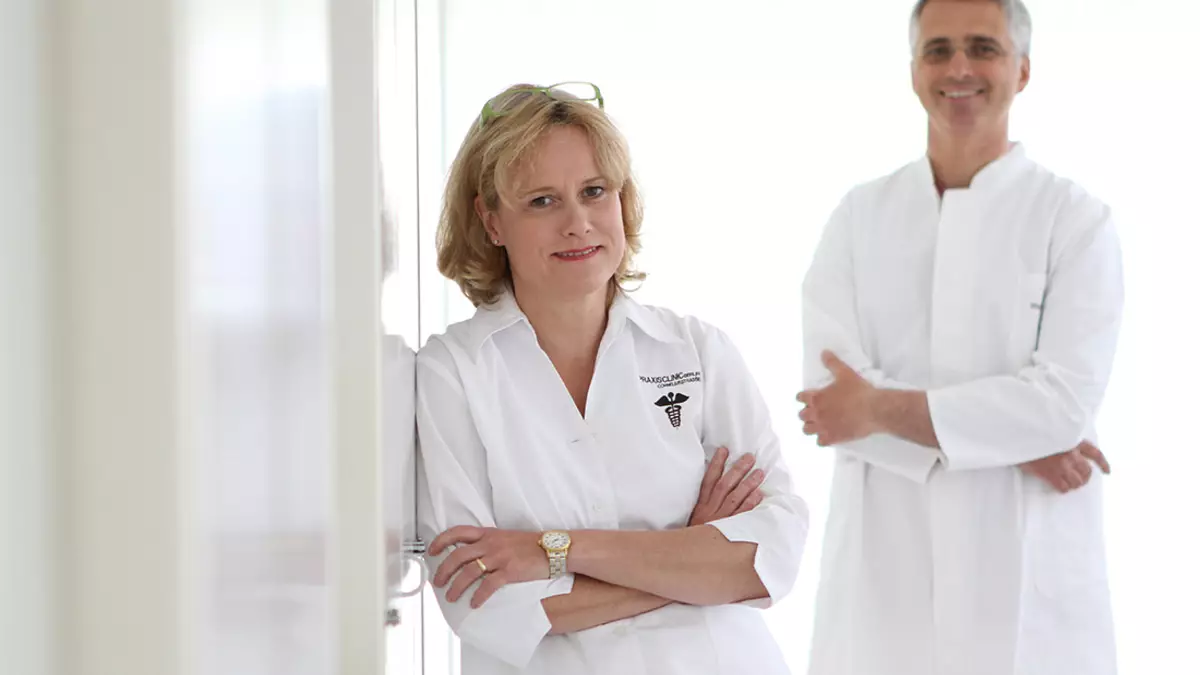
In this context, a reliable, patient-focused Dental Practice that understands both German standards and international expectations becomes invaluable. In the southwest of the city, in the district of Steglitz, Zahnarzt-Praxis Berlin Steglitz (Dr. Djamchidi & A. Jannack) stands out as a calm, medically sophisticated point of reference for both locals and the international community. Here, the classic German term "Zahnarzt" meets modern medicine, English-speaking communication, and a deeply personal approach.
For patients who have moved from the UK, the US, Canada, Australia, or elsewhere in Europe, the questions are always similar: Will they really listen to me? Will they explain my options in language I understand? Are the treatments evidence-based and up to date? Can I get a second opinion without being judged? And perhaps most of all: will they be gentle, especially if I am afraid?
At this Dental Practice in Berlin Steglitz, the answer is grounded in both human warmth and a high level of medical qualification, including a rare dual approval: Dr. Djamchidi is both a fully trained physician and ENT specialist and a licensed dentist. This double approbation, combined with the endodontic and aesthetic expertise of dentist Annette Jannack, creates a unique environment where complex oral surgery, implantology, and tooth preservation are handled with a depth that is reassuring even for the most cautious patient.
To understand why this particular Zahnarzt-Praxis is so well suited for international patients in Berlin, it is worth taking a closer look at the people behind it, the medical philosophy that guides them, and the way the team gently leads new patients from initial anxiety to lasting confidence.
One of the most distinctive features of this Dental Practice is the unusual combination of expertise found in Dr. Djamchidi. Unlike most dentists, he is not only trained in dentistry but also holds a full medical degree as a physician and specialist in ENT (ear, nose, and throat). This double approbation – MD and DDS – is more than an impressive detail on a CV. It fundamentally changes the way complex dental and implant treatments are planned and carried out.
For many patients, dental implants are an important topic: missing teeth can affect self-confidence, chewing function, digestion, and even social life. Implantology, however, is not just a matter of placing a titanium screw into the jawbone. Especially in the upper jaw, the anatomical structures around the teeth are closely connected with the maxillary sinus, a hollow space within the bone that is part of the ENT specialist’s territory. Here the boundaries between oral surgery and ENT medicine blur.
As an ENT specialist and dentist in one person, Dr. Djamchidi sees the entire system: teeth, gums, jawbone, sinuses, nasal cavity, and airway. When planning implants in the region of the upper molars, he pays particular attention to the maxillary sinus floor, also known as the maxillary sinus base. This structure can be very close to the roots of the teeth or even partially pneumatized, meaning the sinus has expanded after tooth loss, leaving less bone for the implant.
In such cases, a sinus lift – a specific oral surgery procedure – is often necessary. During a sinus lift, bone material is gently added between the maxillary sinus floor and the oral cavity to create a stable, well-supported bed for the implant. For many patients, the description alone can sound frightening. But for a practitioner who knows the sinus both from the “dental side” and from the “ENT side”, this procedure becomes safer, more predictable, and more individualized.
Because of his dual training, Dr. Djamchidi can evaluate not only the height and width of the jawbone but also the condition of the sinus membrane, the presence of sinusitis, anatomical variations, and the patient’s general ENT health. This comprehensive view helps to minimize risks such as sinus perforation, infection, or chronic sinus problems after implant placement. It also means that borderline cases – where a dentist alone might hesitate or refer out – can often be managed confidently under one roof, with careful pre-operative diagnostics and interdisciplinary decision-making built into a single person.
Beyond implantology, the combination of ENT and dental knowledge has additional benefits. Snoring, mouth breathing, recurrent sinus infections, and temporomandibular joint problems often interact. A physician with ENT and dental expertise can recognize how a deviated septum, enlarged turbinates, chronic allergies, or previous nasal surgery might influence oral health, sleep quality, and even gum disease. This is particularly interesting for expats who may have a complex medical history from different countries; having one practitioner who can piece together these details can be a relief.
In practical terms, this “double view” manifests in careful anamnesis (medical history taking), targeted imaging where needed, and a very balanced approach to treatment planning. Instead of rushing toward the most extensive intervention, the team can discuss minimally invasive options, staged procedures, or alternative solutions when full implant reconstruction may not be ideal. English-speaking patients benefit from clear explanations of benefits, risks, and biocompatibility considerations, helping them to make informed decisions that feel medically and personally right.
While oral surgery and implants are a major pillar of the practice, the second core strength is something quieter but at least as important: saving natural teeth wherever reasonably possible. This is where dentist Annette Jannack’s expertise comes in. Her focus lies on endodontics – the art and science of root canal treatment – and on high-quality aesthetic dentistry that respects the natural structure of each tooth.
In many healthcare systems, root canal treatment can have a bad reputation. Patients fear pain, repeated sessions, or a future tooth fracture. At Zahnarzt-Praxis Berlin Steglitz, endodontics is approached in a modern, evidence-based way, with an emphasis on microscopic dentistry and long-term success. The underlying philosophy is clear: Zahnerhalt vor Zahnersatz – preserving the tooth comes before replacing it.
Endodontics becomes necessary when the dental pulp – the soft tissue inside the tooth – is inflamed or infected, often due to deep caries, cracks, or trauma. Without treatment, the infection can spread to the surrounding bone, leading to pain, swelling, and in severe cases systemic problems. Root canal treatment removes the diseased tissue, disinfects the root canal system, and seals it to prevent new bacterial penetration.
Modern endodontics, as practiced by A. Jannack, is far more refined than the stereotypical image from decades ago. Under magnification, with the help of optical aids such as loupes or microscopes, even fine and curved root canals can be located and cleaned. Sophisticated instruments and irrigation protocols are used to achieve a high degree of disinfection. The canals are then filled with biocompatible materials designed to support a stable, bacteria-tight seal. The aim is not just to eliminate pain but to restore a functional, durable tooth that integrates harmoniously into the bite.
From the patient’s perspective, this approach has several advantages. First, keeping your own tooth preserves the natural feeling of chewing; even the best implant or crown is a substitute, not the original. Second, by maintaining the tooth root, the jawbone is stimulated and better preserved, reducing the risk of bone loss that often follows extractions. Third, in many clinical situations, a well-done root canal treatment combined with a high-quality crown or filling can be more conservative for the surrounding teeth than extensive bridgework or multiple implants.
For patients anxious about the procedure itself, clear communication is key. At this practice, the steps of root canal treatment are explained in simple, non-technical English if desired. Questions are welcomed, and treatment is planned so that you know in advance how long the appointment will likely take, what sensations to expect, and how the tooth will be protected between visits. Pain management is taken seriously, with local anaesthesia tailored to your sensitivity, and additional calming strategies available for patients with dental anxiety.
Aesthetic dentistry, another focus for A. Jannack, is always approached with respect for natural tooth substance. Instead of aggressive reduction of enamel, minimally invasive techniques are used whenever possible: carefully shaped composite fillings, onlays, or veneers that harmonize with the neighbouring teeth in colour, shape, and translucency. The combination of endodontics and aesthetics is particularly valuable after complex root canal work; the tooth can be both fully functional and visually indistinguishable from its neighbours, supporting confident smiling and speaking in professional and private settings.
For many expats in Berlin, dental anxiety is compounded by cultural and linguistic uncertainty. Even if you coped well with dental visits in your home country, the idea of discussing fears, past experiences, or specific wishes in German can be daunting. At Zahnarzt-Praxis Berlin Steglitz, dental anxiety is treated not as an inconvenience but as an important part of the medical picture.
The practice has cultivated an “anxiety-free” concept that combines several elements: a calm, friendly welcome; unrushed first appointments; honest but gentle explanations; and flexible options for pain control and sedation. The team understands that anxiety is not just about fear of physical pain but also about loss of control and the worry of not being understood. By offering an English-speaking dentist and staff who are used to working with international patients, the practice lowers this emotional threshold significantly.
For very nervous patients, treatments can be carried out with supportive measures such as twilight sleep (conscious sedation) in cooperation with anaesthesia specialists. In twilight sleep, you remain responsive but deeply relaxed, with a reduced memory of the procedure afterwards. This can be a good option for longer oral surgery sessions, complex implant placements, or extensive endodontic work. Local anaesthesia is, of course, always part of the standard protocol, adjusted to your individual needs.
In addition to conventional medicine, some patients are interested in complementary support such as gentle homeopathic remedies for stress, swelling, or healing support. While these cannot replace evidence-based dental treatment, they can be integrated as a personal comfort measure when desired. The practice maintains a realistic, transparent approach: scientifically grounded dentistry remains the core, but your individual preferences for additional calming strategies are respected.
The environment itself helps to reduce tension. Instead of a sterile, impersonal clinic feel, the practice rooms in Berlin Steglitz offer a more intimate, human scale. The reception staff greet you by name, and appointments are scheduled to avoid long waiting times. Time is taken at the beginning of each session to review what will happen that day, re-check your comfort level, and allow last-minute questions. For many patients, simply knowing that they can raise a hand to pause treatment or that the dentist will constantly check in with them makes a huge difference.
The physical setting of this Dental Practice in Berlin Steglitz is also part of its character. Located in a classic Altbau, a historic building typical for Berlin’s older neighbourhoods, the practice offers high ceilings, generously proportioned rooms, and a sense of architectural history that many expats fall in love with when they first walk along Schloßstraße or through the residential streets of Steglitz and nearby Zehlendorf.
However, honesty is essential: this historic charm comes with stairs and no elevator. The practice is not barrier-free, and patients with significant mobility limitations should be aware that they will need to climb stairs to reach the treatment rooms. Instead of hiding this fact, the team communicates it openly so that you can make an informed decision or plan assistance if needed.
At the same time, the location has practical advantages. Steglitz, in Berlin’s southwest, is well connected by public transport, and the area around Schloßstraße is known for its shops, cafés, and services. For those arriving by car, parking options in the surrounding streets are often better than in the very centre of Berlin. Many patients combine their dental visit with errands or a relaxed coffee, integrating oral care into everyday urban life rather than treating it as an isolated, stressful event.
The Altbau atmosphere can also contribute to a feeling of authenticity. For some international patients, being treated in a building with original details – high windows, wooden staircases, and a sense of Berlin’s architectural past – turns a dental appointment into part of their personal city experience. Instead of a generic clinic that could be anywhere in the world, this practice is unmistakably rooted in its local context: Berlin Steglitz, between the city’s pulse and the calmer villa districts stretching toward Zehlendorf.
To make the experience concrete, imagine you are an expat who has just moved to Berlin for work. After a few months, an old filling starts to hurt. You search online for a Dental Practice that not only looks competent but also mentions English-speaking service and a clear treatment philosophy. You discover Zahnarzt-Praxis Berlin Steglitz and decide to book your first appointment.
Before your visit, the practice may send you forms for anamnesis – your medical history – which you can fill out calmly at home. If you feel more confident in English, you indicate this. When you arrive, you walk up the steps of the Altbau and ring the bell. Inside, the atmosphere is warm rather than clinical; the staff greet you, guide you through any remaining paperwork, and invite you to take a seat.
During the first conversation, you are encouraged to describe not only your current dental problem but also your past experiences: have you had any complications with anaesthesia? Are you particularly sensitive to certain medications? Do you experience dental anxiety? Have you had ENT issues such as chronic sinusitis, snoring, or allergies? This detailed anamnesis allows the team to link your oral situation with your overall health – an area where the dual medical-dental background of Dr. Djamchidi can be especially valuable.
Next, a thorough examination is carried out. This may include digital X-rays or other imaging to assess not just the visible part of the teeth but also the roots, surrounding bone, and, if relevant, the relationship to the maxillary sinus floor. If there are signs that a root canal treatment is needed, or if older root fillings appear problematic, the case may be discussed with A. Jannack, whose endodontic experience helps to determine whether the tooth can be preserved. If tooth loss or missing teeth are an issue, implantology options and alternatives are evaluated.
After diagnostics, you return to the consultation room, where findings are explained in clear language. Instead of simply being told what will be done, you are presented with options: for example, a minimally invasive filling versus a crown, a root canal treatment versus extraction and implant, immediate versus staged implant placement. If the maxillary sinus or ENT aspects are relevant, you might see how your X-ray shows the position of the sinus membrane relative to the planned implant site. The potential need for a sinus lift is described calmly, including how your individual anatomy and general health influence the choice.
Importantly, costs and timelines are also discussed transparently. The differences between statutory and private insurance in Germany can be confusing for newcomers; here you have the opportunity to ask questions and understand what is covered, what is considered elective, and how to plan financially. A second opinion is always welcome; you are not pressured to decide immediately.
Once you feel comfortable with the treatment plan, appointments are scheduled in a way that fits your work and family life. If you are anxious about the procedure itself, additional measures can be arranged: extra time for each session, use of twilight sleep, or simply starting with a shorter, easier treatment to build trust before tackling more complex work.
On the treatment day, the team again reviews the plan and checks in with your emotional state. Anaesthesia is performed carefully; for many, the moment of injection is feared the most, so techniques and topical numbing agents are used to minimize discomfort. During endodontic treatment, you may notice the dentist working under magnification, taking the time necessary to clean and shape the root canals thoroughly. During implant surgery, the ENT-dental know-how ensures that delicate structures around the maxillary sinus are respected and protected.
Aftercare is not an afterthought. You receive clear post-operative instructions, including how to manage discomfort, what to eat, and which activities to temporarily avoid. If desired, follow-up calls can be arranged to check on your recovery. Long-term, you are invited to return not only for treatment but also for prophylaxis – professional teeth cleaning and prevention-focused visits that maintain your results and detect problems early.
This focus on prophylaxis is another key aspect of the practice’s philosophy. For many expats, regular check-ups and professional cleanings are an established habit from their home countries. In Germany, the concept is similarly important but can be organized differently depending on insurance. At Zahnarzt-Praxis Berlin Steglitz, prophylaxis is integrated into the overall concept of tooth preservation and oral health. Specially trained staff perform thorough cleanings, remove plaque and tartar, and offer individualized advice on brushing techniques, flossing, and interdental cleaning devices that suit your lifestyle.
From a medical perspective, consistent prophylaxis reduces the risk of caries, gum disease, and implant complications. Healthy gums and well-maintained tooth surfaces are also essential for aesthetic outcomes; even the most beautiful crown or veneer needs a stable biological foundation. For patients with implants, regular checks of the surrounding bone and soft tissue help to prevent peri-implantitis, a type of inflammation around implants that can threaten their long-term stability.
Beyond the clinical details, many expats are concerned about something more subtle: cultural fit. They want a practice where they feel neither like outsiders nor like a number in a system. Zahnarzt-Praxis Berlin Steglitz has evolved over many years with Berlin’s changing population, treating both long-established Steglitz families and newcomers working in international companies, research institutions, and embassies. The team is used to explaining German forms, clarifying referrals, and helping patients navigate the healthcare landscape without making them feel inadequate.
Language support is part of this. While the core language of the practice is German, you can receive explanations and consultations in English, allowing you to understand complex issues such as biocompatibility of materials, the pros and cons of certain implant systems, or the expected prognosis of a root-treated tooth. Questions are welcomed, and there is space to express not only medical but also personal concerns, such as aesthetics in professional life, time away from work, or caring for children while undergoing treatment.
In summary, what makes this Dental Practice in Berlin Steglitz special is not just one factor but the combination of many: the rare double approbation of Dr. Djamchidi as both physician/ENT specialist and dentist, the endodontic and aesthetic focus of A. Jannack devoted to tooth preservation, the anxiety-sensitive approach with options such as sedation and twilight sleep, the honest communication about the Altbau location with stairs, and the genuine effort to integrate international patients into a high-quality, transparent, and humane dental care journey.
For expats seeking not only a technically competent Zahnarzt but a long-term partner for oral health in Berlin’s southwest – near Schloßstraße, between the vibrant city and the green edges of Zehlendorf – this practice offers an inviting, trustworthy option. It is a place where advanced implantology and oral surgery meet gentle prophylaxis and tooth preservation, and where the complexity of sinus anatomy or root canal morphology is translated into understandable language, empowering you to take confident decisions about your own health.
Whether you need a simple check-up, a second opinion on a proposed treatment, a carefully planned implant in the region of the maxillary sinus floor, or a complex root canal retreatment under microscopic conditions, Zahnarzt-Praxis Berlin Steglitz (Dr. Djamchidi & A. Jannack) combines medical depth with personal attention. Here, the classic Berlin Altbau backdrop frames a modern, patient-centred approach that can turn the challenge of finding a dentist in a foreign country into the comforting feeling of having finally found your dental home.
Disclaimer regarding our articles: No investment advice, no buy or sell recommendation. Information on prices, companies, and markets is provided without guarantee; changes are possible at any time. Stock market transactions can lead to substantial losses. Our articles are created and reviewed in whole or in part automatically with the support of AI.