
A Trusted Dental Practice in Berlin Steglitz for Expats and Locals
Published on 03/15/2026 at 07:01 | Editorial responsibility: Rafael Müller, Editor-in-Chief AD HOC NEWS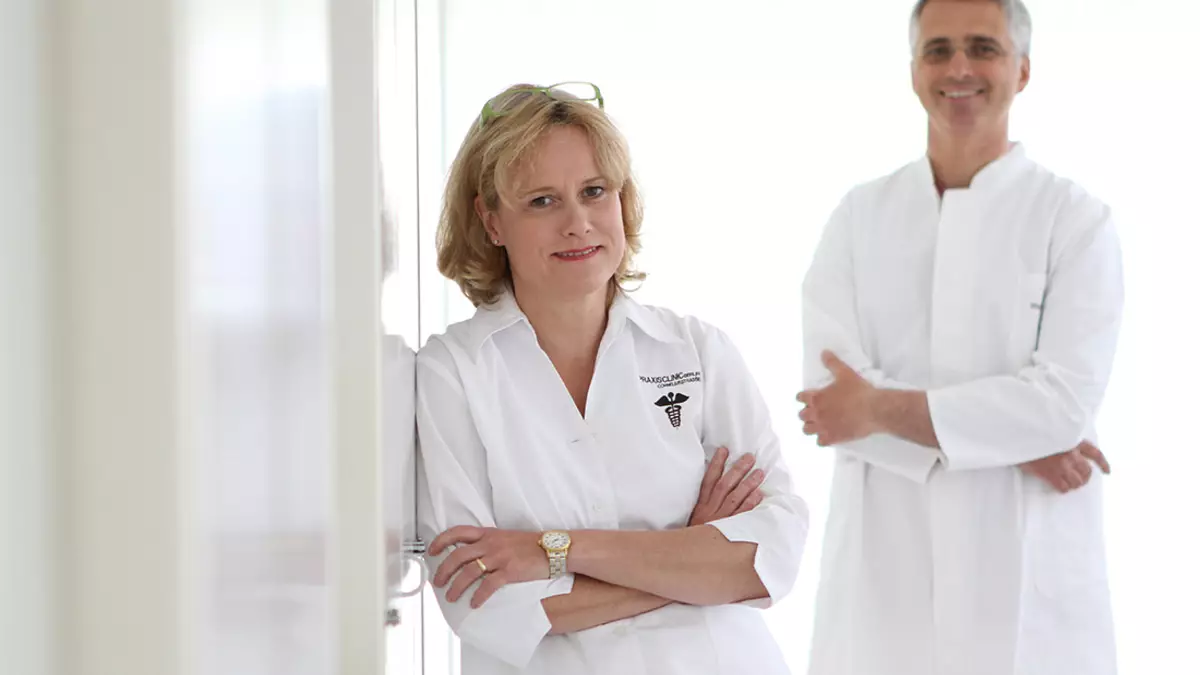
Moving to a new country often means building your life again from scratch: new language, new paperwork, new habits, and of course, a completely new healthcare system. Many international residents in Berlin say that one of the most stressful parts of settling in is finding a dentist they can truly trust. Questions pile up quickly: Will the dentist speak English? Will they take my concerns seriously? Will they explain the treatment plan transparently and respectfully, without rushing or pressuring me?
For people living in the southwest of the city, discovering a reliable Dental Practice in Berlin Steglitz can make a huge difference to everyday peace of mind. Dental care is deeply personal; it touches not just your health, but also your self-confidence, your appearance, and sometimes very old fears. Navigating all of this in a language that is not your own can be intimidating.
This is where the Zahnarzt-Praxis Berlin Steglitz of Dr. Djamchidi & Annette Jannack stands out. Located near the lively Schloßstraße, this Dental Practice combines an unusually high level of medical competence with a warm, patient-centered approach that speaks directly to both locals and the international community. The team is experienced in treating patients who come from different health systems and who may be used to very different ways of communicating with doctors.
At the heart of the practice lies a unique "double approbation" profile: Dr. Djamchidi is not only a dentist, but also a fully qualified physician and ENT (Ear, Nose, Throat) specialist. This rare combination of MD and dental training is especially valuable in areas such as implantology, oral surgery, and sinus-related procedures. His colleague, dentist Annette Jannack, brings additional depth with a strong focus on tooth preservation, endodontics, and aesthetic dentistry. Together, they offer a spectrum of care that ranges from gentle prophylaxis to complex implant treatments, all within one coordinated team.
Finding this kind of integrated expertise is not common, even in a healthcare-rich city like Berlin. For expats and locals alike, it offers something priceless: the confidence that your oral health is being viewed not just as a set of teeth, but as an essential part of your whole body and long-term wellbeing.
To understand why this practice is particularly attractive for people in Berlin Steglitz, Zehlendorf, and the broader Berlin Southwest, it helps to look at both the medical background of the team and the lived experience of their patients. From the first phone call to the final follow-up appointment, the focus is on communication, empathy, and evidence-based treatment.
Many international residents arrive in Berlin with stories of dental anxiety. Some had a painful visit as a child; others come from countries where dentistry was either extremely expensive or very basic. In Germany, the healthcare system is structured differently: statutory insurance, private insurance, treatment plans, and the distinction between what is medically necessary and what is considered aesthetic. For someone new to this environment, it is easy to feel lost and embarrassed to ask questions.
An English-speaking dentist who understands these fears is more than a convenience; it can be a lifeline. At Zahnarzt-Praxis Berlin Steglitz, time is taken to explain not just what treatment is recommended, but also why it is recommended within the German system. This includes clear explanations of tooth preservation strategies, options for implantology, and the role of prophylaxis in preventing future problems. Being able to ask, "What does this term mean?" or "Is this really necessary now?" and to receive a calm, understandable answer in English makes a profound difference to trust.
Dental anxiety often shows up physically: tension in the jaw, shallow breathing, a racing heart at the sound of the drill. A practice that acknowledges these reactions and offers solutions such as minimally invasive techniques, gentle injections, and even twilight sleep when appropriate allows patients to feel safe enough to finally deal with postponed treatments. In many cases, what starts as an emergency visit becomes the beginning of a long-term, constructive relationship between patient and dental team.
One of the strongest medical pillars of the practice is the double approbation of Dr. Djamchidi. In Germany, "Approbation" refers to the official licence to practice medicine or dentistry. Most professionals hold one licence in their respective field. Here, however, you meet a practitioner who is both a physician and a dentist, with additional specialization in ENT medicine. This combination is particularly powerful in implantology and oral surgery, because the mouth does not exist in isolation from the rest of the head and neck.
When planning dental implants, especially in the upper jaw, the anatomical relationship between the teeth, the jawbone, and the maxillary sinus is crucial. The maxillary sinus is an air-filled cavity located above the upper back teeth, separated from the roots by a thin layer of bone. If this bone is too thin or has been resorbed after tooth loss, there may not be enough stable bone to place an implant safely. In such cases, a sinus lift or sinus floor elevation is often needed to create sufficient bone height.
For a practitioner who is also an ENT specialist, the maxillary sinus is not an abstract structure but a familiar and regularly treated area. Understanding sinus health, ventilation, and its connection to the nasal passages allows for more precise risk assessment before implant placement. Chronic sinusitis, polyps, or anatomical variations can all influence the planning and timing of oral surgery. With a unified view of both dental and ENT aspects, the likelihood of complications is reduced, and treatment can be better individualized.
This "double view" is also important for questions of biocompatibility and systemic health. Implants, bone materials, and filling substances are foreign bodies that interact with the immune system. A physician-dentist like Dr. Djamchidi evaluates not only the local gum and bone situation, but also your general medical history: allergies, autoimmune diseases, cardiovascular risks, and medications that may affect blood clotting or bone metabolism. This holistic screening is especially relevant for expats whose medical history may span several countries and healthcare records.
In practical terms, this means that if you are considering implantology or more complex oral surgery at Zahnarzt-Praxis Berlin Steglitz, your consultation will include questions and examinations that go beyond the standard dental approach. You can expect a detailed anamnesis about your general health, medications, previous operations, and ENT symptoms like chronic nasal obstruction or pressure behind the cheeks. Imaging such as digital X-rays or 3D scans helps visualize the maxillary sinus floor, nerve pathways, and bone density. The goal is not only to place implants, but to place them in a way that supports long-term stability and harmony with the surrounding structures.
Patients often ask whether a sinus lift is painful or risky. Here again, the dual training provides reassurance. When a practitioner is used to operating in and around the sinus from both dental and ENT perspectives, the procedure becomes a controlled, routine step rather than an experiment. Techniques are chosen to be as minimally invasive as possible, with careful attention to tissue handling, sterile conditions, and postoperative care. In addition, the option for twilight sleep or deeper sedation can be discussed for those who feel anxious about longer sessions.
Beyond implantology, the ENT background is also valuable for diagnosing and managing conditions that sit between dentistry and otolaryngology: tension-related facial pain, suspected jaw joint problems, or persistent discomfort in the upper jaw area. Sometimes what feels like a "toothache" is actually sinus-related, or vice versa. Having a Zahnarzt who can also think like an ENT physician reduces the chance of misdiagnosis and unnecessary treatments.
If implantology and oral surgery represent one pillar of the practice, tooth preservation is the other. This is where dentist Annette Jannack brings her special expertise in endodontics and aesthetic dentistry. Endodontics focuses on the inside of the tooth, especially the root canal system. When deep decay or trauma allows bacteria to reach the dental pulp, the nerve becomes inflamed or dies, leading to pain or infection. In the past, such teeth were often extracted. Today, high-quality root canal treatment can save many of them for years or even decades.
The philosophy of "saving the tooth before replacing it" (in German, "Zahnerhalt vor Zahnersatz") is central to the approach of Zahnarzt-Praxis Berlin Steglitz. While implants and bridges are valuable tools, nothing is as perfectly adapted to your mouth as your natural tooth. Preserving it, when medically reasonable, protects bone structure, chewing function, and often leads to a more natural aesthetic result.
Modern endodontics is a precise, technical field. It requires not only patience and fine motor skills, but also the right equipment. At this practice, microscopic dentistry plays a crucial role. Using an operating microscope, very small structures inside the tooth become visible: fine canal branches, hidden additional canals, or tiny cracks that might be missed with the naked eye. By seeing more, the dentist can clean and shape the root canals more thoroughly, reducing the risk of persistent infection.
During a typical root canal treatment with Annette Jannack, several steps are carefully followed. After local anesthesia and isolation of the tooth, the infected or damaged pulp tissue is removed. The root canal system is then cleaned and disinfected using specialized instruments and irrigating solutions. Working under magnification and proper illumination allows the dentist to navigate complex anatomies, remove bacterial biofilm, and prepare the canals for a stable filling. The canals are then sealed with biocompatible materials that aim to prevent bacteria from re-entering.
For the patient, the process is usually much more comfortable than the reputation of root canals would suggest. Thanks to modern anesthesia and gentle technique, many people report that the experience is no more unpleasant than getting a filling. For anxious patients, the key is clear communication: understanding what will happen, how long it will take, and what sensations are normal. At this practice, time is taken to answer these questions in detail, also in English, so that expats do not have to guess what is being done inside their own mouth.
Once the root canal treatment is complete, the tooth must be restored, often with a high-quality filling or a crown to protect it from fracture. This is where aesthetic dentistry and functional design come together. The goal is not only to make the tooth look natural, but also to ensure that the bite forces are evenly distributed and comfortable. For front teeth, color matching and shape are carefully considered; for molars, chewing surfaces are reconstructed to feel familiar and efficient.
From a long-term perspective, choosing tooth preservation whenever realistic can delay or avoid more invasive procedures like implants. This is beneficial not only medically but also financially, especially for international residents who may have to coordinate German insurance coverage with private insurance from their home country. A dentist who can explain the pros and cons of preservation versus replacement, including cost transparency, supports informed decision-making.
Many people carry some level of dental anxiety, and for expats it is often amplified by uncertainty about the healthcare environment. The team at Zahnarzt-Praxis Berlin Steglitz acknowledges this openly rather than dismissing it. The entire practice concept is oriented toward creating an atmosphere where patients feel seen as individuals, not as a collection of teeth that need to be "fixed" quickly.
From the first contact, whether by phone or email, the staff pays attention to how comfortable you are in German and offers communication in English where needed. For patients who become nervous just thinking about the dentist, it can be helpful to start with a pure consultation appointment: a chance to speak with the dentist, review findings, and discuss options, without any invasive procedures on that day. This step-by-step approach helps rebuild trust, especially after previous negative experiences elsewhere.
When treatment is planned, modern options for anxiety control are available. Local anesthesia is standard and tailored to your comfort. For more complex procedures or for patients with pronounced dental anxiety, twilight sleep (conscious sedation) can be considered. In twilight sleep, you remain responsive but feel very relaxed and often remember little of the procedure afterwards. This can be a good compromise for those who are not comfortable with full general anesthesia but still need help to manage their fear.
Furthermore, the practice respects that some patients are interested in complementary methods, such as gentle homeopathic support for anxiety or healing. While these do not replace evidence-based dentistry, they can be integrated as part of an overall calming, patient-centered concept when desired. The key is open, non-judgmental dialogue: you can express your preferences, ask for breaks during treatment, or agree on a signal if you need the dentist to pause.
Another important pillar of trust is the willingness to offer a serious second opinion. International patients in particular sometimes receive treatment proposals from different dentists and feel unsure which path to follow. At Zahnarzt-Praxis Berlin Steglitz, a second opinion is approached respectfully. The aim is not to criticize colleagues, but to review the clinical situation thoroughly and explain alternative strategies. Knowing that you can ask for this kind of evaluation, in English, without pressure, helps many patients feel more in control of their healthcare decisions.
The practice is located in Berlin Steglitz, a district known for its blend of lively shopping streets and quiet residential areas. Near Schloßstraße, one of the main commercial arteries of Berlin Southwest, the Zahnarzt-Praxis sits in a classic Berlin Altbau building. For many, entering such a historic staircase, with its characteristic high ceilings and traditional stairwell, is part of the authentic Berlin experience.
However, authenticity comes with a practical caveat: this historic building does not have an elevator. There are stairs to climb to reach the practice, and it is therefore not barrier-free. The team communicates this openly so that patients can plan accordingly. For most people, the staircase is manageable and often even charming; for those with severe mobility limitations, it is important to know in advance that step-free access is unfortunately not available.
On the positive side, the location offers good accessibility by both public transport and car. Berlin Steglitz is well connected to other districts, including nearby Zehlendorf, Lankwitz, and Friedenau. Many patients from the broader Berlin Southwest appreciate having a high-quality Dental Practice within easy reach of their homes, workplaces, or international schools. Nearby parking options, combined with the central yet residential atmosphere, make it convenient to integrate dental appointments into a busy urban schedule.
Once you have decided to visit Zahnarzt-Praxis Berlin Steglitz, what can you expect from your first appointment? Understanding this "patient journey" in advance can take much of the anxiety out of the process, especially if you are more familiar with a different healthcare model in your home country.
The first step is usually to schedule an appointment by phone or online. When you call, you can ask to speak in English and briefly explain whether your visit is preventive (for example, prophylaxis and check-up), symptom-related (pain, broken tooth), or treatment-oriented (implant consultation, second opinion, root canal). The reception team will guide you through any necessary basic information and, if relevant, discuss insurance status (statutory, private, or self-pay).
On the day of your visit, you arrive at the Altbau entrance and walk up the stairs to the practice. Inside, the ambiance is calm and professional, without the cold, overly clinical feeling that can heighten anxiety. You fill out an anamnesis form, which includes your medical history, medications, allergies, and dental concerns. If German is challenging, the staff can help you understand the key questions or provide explanations in English. This phase is more than bureaucracy; it ensures that the dentists have a complete picture of your health before recommending anything.
The first conversation with the dentist is an opportunity to describe your expectations and fears. You might say, for example, that you have not seen a dentist for many years, that you are worried about a specific tooth, or that you are interested in implants but unsure if you are a candidate. The dentist listens, asks clarifying questions, and explains how the examination will proceed. If you feel nervous, you can agree on a slow pace and breaks.
Next comes the clinical examination. This may include a general inspection of the teeth and gums, probing for periodontal issues, checking restorations, and evaluating occlusion (how the teeth meet). Depending on your situation, X-rays or other imaging may be taken to assess hidden problems like decay between teeth, bone levels, or root conditions. If implantology, oral surgery, or sinus-related questions are involved, more detailed imaging might be recommended to visualize the maxillary sinus floor and bone anatomy.
After gathering all the diagnostic information, the dentist discusses the findings with you. This is a key aspect of the patient journey at this practice: the explanation is not rushed, and you are encouraged to ask as many questions as you need. If several treatment options exist, each is described with its advantages, disadvantages, approximate timeline, and expected durability. For example, if a tooth can be saved with endodontics, the dentist will explain what microscopic root canal treatment involves and how it compares to extraction plus implant from both a medical and financial perspective.
For expats, this is often the first time they receive such a structured, transparent plan in Germany. Terms like prophylaxis, tooth preservation, oral surgery, and biocompatibility are defined in everyday language. The goal is to empower you to make an informed decision, not to pressure you into an immediate commitment. If you wish, you can take the treatment plan home, think about it, or even send it to your insurance provider for pre-authorization.
Once you and the dentist agree on a treatment path, appointments are scheduled in a logical sequence. For complex cases, sessions may be grouped to minimize repeated visits, while always keeping your comfort and healing time in mind. For patients with busy schedules or frequent travel, the practice strives to coordinate appointments efficiently so that care is thorough yet compatible with modern, often international lifestyles.
During treatments, whether it is a prophylaxis session, a root canal, or implant placement, the same communication style continues. You are told what is happening at each step, how long it will take, and what sensations are normal. If you have chosen sedation or twilight sleep for an oral surgery procedure, you receive clear instructions about preparation and aftercare. Postoperative follow-up is structured to catch any complications early and to answer questions as you heal.
Over time, regular check-ups and professional tooth cleaning support long-term stability. For many international residents, this continuity of care is a major source of comfort. Instead of bouncing from one unknown clinic to another, you build a relationship with a single team that knows your history, your preferences, and your particular dental situation.
When considering all of these aspects together, Zahnarzt-Praxis Berlin Steglitz (Dr. Djamchidi & A. Jannack) emerges as more than just another dental practice near Schloßstraße. It is a medically sophisticated, humanly sensitive option for everyone in Berlin Southwest who values both high-level expertise and genuine communication.
The rare double approbation of Dr. Djamchidi, uniting MD, ENT specialization, and dentistry, offers a strong foundation for safe, well-planned implantology and oral surgery. Complex areas such as the maxillary sinus floor, bone grafting, and biocompatible material selection are approached with a physician's eye and a dentist's precision. For patients, this means increased safety and the reassurance that their overall health is taken seriously.
At the same time, the dedication of Annette Jannack to endodontics, tooth preservation, and aesthetics brings a complementary focus: instead of rushing to replace, the practice first asks how the natural tooth can be saved. Microscopic dentistry, careful root canal treatment, and thoughtfully designed restorations give many teeth a second life, protecting your smile and chewing comfort for the long term.
The anxiety-free concept, with empathy, minimally invasive techniques, and options like twilight sleep, respects the emotional reality of dental treatment. It is especially valuable for expats who may face language barriers and fear of the unknown. Here, an English-speaking dentist does not mean just translating a few words; it means truly understanding the cultural and psychological background that patients bring into the treatment room.
Finally, the location in a classic Berlin Altbau in Steglitz, close to Schloßstraße and well connected to Zehlendorf and the wider Berlin Southwest, combines charming historic architecture with urban convenience. The honest acknowledgment of the stairs and non-barrier-free access reflects the practice's broader philosophy: transparent, realistic, and respectful communication in all matters.
For locals and international residents alike, choosing this Dental Practice in Berlin Steglitz means choosing a place where medical depth and human warmth go hand in hand. Whether you need a second opinion on implantology, a carefully executed root canal, regular prophylaxis, or simply a trustworthy Zahnarzt who speaks your language and respects your story, this practice offers a stable, experienced partner for your oral health journey in Berlin.


