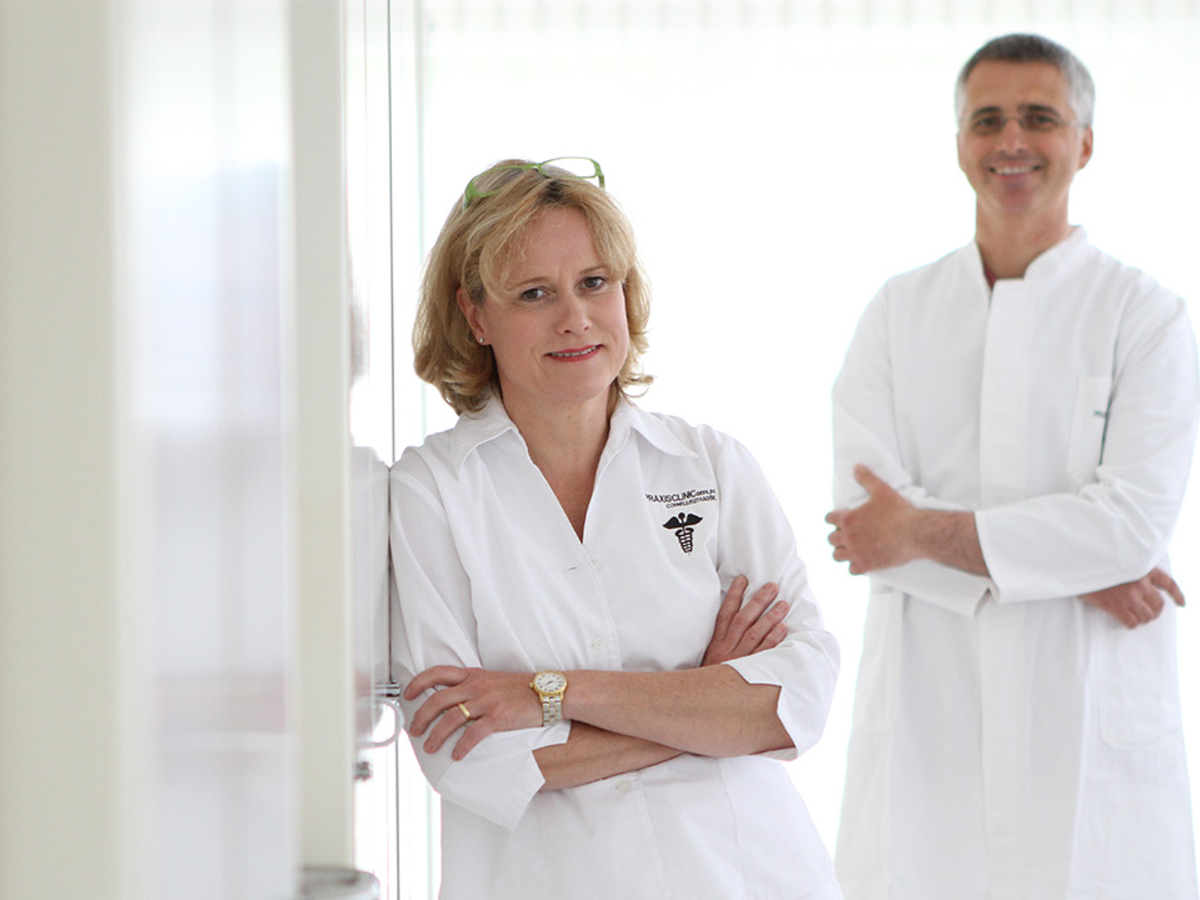
A Trusted Dental Practice in Berlin Steglitz for Expats and Locals
14.03.2026 - 07:01:06 | ad-hoc-news.de
Arriving in a new country is exciting, but needing a dentist for the first time in that new home can be stressful. You may wonder whether the standards are as high as you are used to, whether anyone will really listen to your concerns, and whether you will be understood in English when you try to explain a complex dental or medical history. Many expats in Berlin describe the same worries: unfamiliar health insurance rules, appointments that feel rushed, or the fear of dental treatment in a system that sometimes appears distant and bureaucratic.
In this context, finding a Dental Practice in Berlin Steglitz that combines medical excellence with clear communication and genuine empathy becomes more than a convenience; it becomes a cornerstone of feeling at home. The Zahnarzt-Praxis of Dr. Djamchidi & A. Jannack in Berlin-Steglitz is designed precisely for this interface between high-level medicine and everyday human needs. It is a place where international residents and locals alike can receive careful, evidence-based treatment, explained in understandable language, and delivered with a strong focus on safety, aesthetics, and long-term health.
Dental anxiety is common across cultures. Many people avoid oral surgery or even simple prophylaxis appointments because of past negative experiences, language misunderstandings, or the feeling of not being taken seriously. For expats, this anxiety is often amplified: What if something goes wrong? How do I explain my medications in German? Who will coordinate between dentist, ENT specialist, and general physician if I need an implant near the maxillary sinus? At this Steglitz clinic, these questions are anticipated and integrated into the treatment concept from the very first visit.
From the moment you walk up the classic Berlin Altbau staircase to the practice, you sense that this is a different kind of environment. The team understands that trust has to be earned step by step. They take time to explore your expectations, your fears, and your practical needs, including insurance and documentation for German health funds or international policies. And for English-speaking patients, it is a relief to discover that medical details, consent forms, and follow-up instructions can be discussed in English, eliminating the guesswork and anxiety that comes with partial understanding.
The result is a modern Dental Practice that merges German precision dentistry with an unusually broad medical perspective and a warm, human approach. For patients who are new to Berlin, this combination offers something rare: a long-term dental home where both routine tooth preservation and complex implantology are handled under one medically competent roof.
One of the key reasons this particular practice stands out in Berlin Southwest is the unique qualification of Dr. Djamchidi. He holds a double approbation: he is both a fully trained physician and ENT specialist and a licensed dentist. In practical terms, this means that your implantology or oral surgery is not viewed only from the perspective of teeth and gums, but also in the context of the entire head-and-neck region, systemic health, and airway function.
When planning implants, especially in the upper jaw near the maxillary sinus floor, a thorough understanding of ENT anatomy is critical. The maxillary sinus lies directly above the roots of the upper premolars and molars. In many patients, the bone between the tooth roots and the sinus cavity is quite thin. After tooth loss, this bone tends to resorb, leaving insufficient height for secure implant placement. In these situations, a sinus lift or augmentation of the sinus floor may be necessary to create a stable, long-lasting foundation for implants.
Because of his ENT background, Dr. Djamchidi is intimately familiar with the anatomy of the sinuses, the nasal cavity, and the surrounding structures. He understands not only how to open, elevate, and augment the sinus floor safely, but also how chronic sinusitis, allergies, or anatomical variations like septal deviations might influence healing and long-term success. This synergy of ENT and dental expertise provides multiple concrete benefits for patients:
First, there is enhanced diagnostic precision. When assessing implant feasibility in the upper jaw, he can interpret radiographs and three-dimensional imaging with an understanding of both dental and ENT details. He can differentiate between healthy sinus mucosa and subtle signs of sinus disease that might compromise implant stability or increase the risk of postoperative infections.
Second, treatment planning becomes more holistic. For example, if you suffer from recurrent sinus infections, nasal obstruction, or snoring, these issues can be acknowledged in the implant planning phase. The goal is to avoid situations where an implant might penetrate the sinus cavity or where bone grafting is done into an environment that is already chronically inflamed. When necessary, ENT-related problems can be addressed or stabilized before advanced oral surgery proceeds.
Third, there is improved intraoperative safety. During sinus lift procedures or other complex interventions near the maxillary sinus floor, the risk of perforating the sinus membrane, damaging nearby structures, or missing subtle bleeding sources is reduced when the surgeon has advanced ENT surgical training. For the patient, this translates into a higher likelihood of minimally invasive procedures with fewer complications, less postoperative discomfort, and more predictable bone regeneration.
Fourth, postoperative management benefits from the double approbation. If after implant placement you experience pressure sensations, nasal discharge, or other symptoms, these can be assessed not only as dental side effects but also as potential ENT issues. Appropriate medications, nasal care strategies, and follow-up imaging can be coordinated in a single treatment philosophy, rather than sending you back and forth between separate specialists who may not communicate effectively with each other.
Beyond implantology, this comprehensive medical perspective is relevant to many other situations: patients with cardiovascular disease, diabetes, autoimmune conditions, or those taking blood thinners and multiple medications. With a physician's training, Dr. Djamchidi can evaluate the biocompatibility of materials, the interactions between dental procedures and systemic conditions, and the safest form of sedation or local anesthesia for each patient. For an expat who may already feel lost in the German health-care maze, it is reassuring to know that your dentist can also think like a physician and, when needed, coordinate with your general practitioner or specialist.
This is particularly valuable for oral surgery under twilight sleep or sedation. The assessment of your cardiovascular status, airway, and medications is crucial to minimizing risk. In this practice, discussions about sedation do not happen in a vacuum; they are informed by a comprehensive medical understanding. Whether you receive minimally invasive implant placement, surgical tooth extraction, or a sinus lift, the entire process is framed within a safety culture built on double medical training.
While implantology and oral surgery are crucial for replacing lost teeth, a cornerstone of modern dental medicine is the philosophy of preserving natural teeth whenever possible. This approach, often summarized in German as Zahnerhalt vor Zahnersatz (tooth preservation before tooth replacement), is embodied in the work of dentist Annette Jannack, who focuses on endodontics and aesthetic restorative care.
Endodontics, the field that includes root canal treatment, is often misunderstood. Many patients imagine it as a painful last resort. In reality, when performed with modern methods and microscopic dentistry, endodontic therapy can be a gentle, highly precise procedure that allows a severely damaged or infected tooth to remain functional and comfortable for many years. For expats and locals alike, this can mean avoiding more extensive surgery or the costs and biological compromises associated with early extractions and implants.
In this Steglitz Dental Practice, endodontic work is carried out with a focus on both technical excellence and patient comfort. The process usually begins with a detailed diagnostic phase: careful clinical examination, sensitivity tests, and high-quality imaging to evaluate the shape of the root canals, the extent of infection, and the condition of surrounding bone. Because each tooth is unique, a standardized quick fix is not sufficient. Instead, treatment is tailored to the individual anatomy and medical background of the patient.
During root canal treatment, the goal is to remove inflamed or infected tissue from the root canal system, disinfect the interior of the tooth, and then fill and seal it in a way that prevents bacteria from re-entering. Microscopic dentistry plays a key role here. Under magnification, the dentist can visualize fine canal branches that are invisible to the naked eye, detect hidden fractures, and precisely shape and fill the canals. This level of detail contributes to long-term success and reduces the risk of retreatment or tooth loss.
Biocompatibility is another central theme in the work of Annette Jannack. The materials used to fill and seal root canals, as well as the restorative materials placed on top (such as inlays, onlays, or crowns), are chosen with respect to their interaction with the body, their longevity, and their aesthetic integration. For patients with sensitivities or complex medical histories, this careful material selection adds an additional layer of safety and comfort.
Yet endodontics is only one part of her broader preservationist philosophy. By combining tooth-preserving measures with high-quality aesthetic dentistry, teeth that might otherwise seem unsalvageable can often be restored to both function and beauty. Instead of viewing a discolored or structurally compromised tooth as a candidate for extraction, the clinic explores options such as internal bleaching after root canal therapy, minimally invasive ceramic restorations, or customized crowns that harmonize with surrounding teeth.
For many international patients, there is also a cultural aspect: expectations for smile aesthetics differ from country to country. Some cultures prioritize very bright, perfectly aligned teeth, while others value a more natural, individual appearance. During consultation, Annette Jannack listens to these preferences and integrates them into the treatment plan. This person-centered approach means that the final result does not look like a generic set of teeth, but rather like a natural, healthy smile that fits your face and personality.
Ultimately, the guiding question in every case is: can we preserve, stabilize, and strengthen this tooth instead of replacing it? Implants and prosthetics certainly have their place and are executed to a high standard in the practice. However, by prioritizing tooth preservation, the clinic supports long-term oral health, helps maintain natural chewing patterns, and protects the surrounding bone and soft tissue. This philosophy resonates strongly with patients who seek conservative, biologically respectful care.
Fear of dental treatment is not a sign of weakness; it is a widespread human reaction, often rooted in previous experiences, childhood memories, or stories from family and friends. In a foreign country, this fear is easily amplified by uncertainties about communication, treatment options, and cultural differences in doctor-patient relationships. The Dental Practice in Berlin Steglitz responds to this reality with a comprehensive anxiety-aware concept.
From your first phone call or online contact, the team invites you to openly share your concerns. Many patients begin by saying they are embarrassed about the state of their teeth or ashamed of their fear. In this clinic, such worries are met with calm reassurance and clear information. The staff is accustomed to guiding patients who have avoided dental visits for many years, including those who arrive with advanced tooth decay, broken restorations, or complex problems in implantology and endodontics.
One cornerstone of anxiety reduction is time. Appointments are structured to allow for thorough explanations, step-by-step planning, and breaks when needed. Instead of pushing patients through a rigid schedule, the practice adapts to the individual pace at which each patient feels ready to proceed. For many expats, having the option to discuss everything in English significantly lowers anxiety, because there is no fear of missing critical details or signing consents that are not fully understood.
Another aspect of the anxiety-free concept is the spectrum of comfort measures, from gentle local anesthesia techniques to sedation and twilight sleep for more extensive procedures. Twilight sleep involves the use of sedative medications that help you feel deeply relaxed and partially or fully unaware of the treatment, while your vital functions are monitored. This can be particularly useful for long implant surgeries, complex oral surgery, or for patients with pronounced dental phobia.
Because of the double medical training of Dr. Djamchidi, decisions about sedation are grounded in a thorough evaluation of your general health, medications, and potential interactions. This enhances safety and allows the team to tailor the depth of sedation to your needs. For those who prefer to remain fully conscious but calm, the practice also emphasizes minimally invasive techniques, careful soft-tissue handling, and clear pre- and postoperative instructions that reduce the fear of the unknown.
Some patients appreciate complementary approaches, whether it is a soothing environment, gentle communication during injections, or, where desired, supportive methods such as homeopathic remedies as an adjunct to conventional treatment. While the core of the practice is firmly rooted in evidence-based dentistry and medicine, there is room to address emotional well-being and personal preferences in a respectful, individualized way.
In addition, the clinic actively encourages second opinion consultations. If you have already received a treatment recommendation elsewhere and feel uncertain, you can schedule a focused visit to review X-rays, implant plans, or proposed root canal treatments. This is particularly valuable for expats who may not yet know whether recommendations are in line with German standards or their expectations from their home country. A transparent second opinion, explained in clear language, can greatly reduce anxiety and help you make confident decisions about your health.
The practice is located in Berlin-Steglitz, in the southwestern part of the city, not far from Schloßstraße, one of Berlin's best-known shopping streets. This area combines everyday urban life with a comfortable, residential feel. Many patients from neighboring districts like Zehlendorf, Lichterfelde, and other parts of Berlin Southwest appreciate that they can combine a dental visit with errands, a café stop, or a relaxed walk through the tree-lined streets.
The building itself is a classic Berlin Altbau, with high ceilings, original charm, and the characteristic sense of history that defines much of Steglitz architecture. As is typical for many historic houses in the area, the practice is accessible via stairs and does not have an elevator. This lack of barrier-free access is communicated openly, so that patients with mobility limitations can plan accordingly or consider whether this environment suits their needs. For those who can manage stairs, the ascent becomes part of the authentic Berlin experience: the creak of old steps, the light in the stairwell, and the feeling of entering a place with character rather than an anonymous glass box.
Once inside, the atmosphere is designed to be calm and welcoming rather than clinical and intimidating. The practice may not have the sterile, impersonal feel of a large hospital, but it does combine modern equipment with a warm interior. Treatment rooms are equipped for advanced procedures in implantology, oral surgery, and endodontics, yet the overall feeling remains personal and human-scale.
For those arriving by car, the Steglitz location offers practical advantages compared to more densely packed inner-city areas. Parking options in the surrounding streets are often more accessible than in central Mitte or Prenzlauer Berg, and the connection to major routes through Berlin Southwest makes it feasible to travel from neighboring areas such as Zehlendorf or even Potsdam. Public transport connections via nearby bus and U-Bahn or S-Bahn stations allow for easy access from other parts of the city as well.
This combination of centrality within Berlin Southwest and the everyday charm of Steglitz makes the practice attractive not only for residents of the immediate neighborhood but also for expats living elsewhere in the city who seek a stable, reliable dental home.
When you schedule your first appointment at this Dental Practice in Berlin Steglitz, the aim is to create a clear, structured and reassuring experience from the start. The journey typically begins even before you arrive, with the team asking you for basic medical information and, if possible, any previous X-rays or documentation you may have from your home country. For many international patients, this preparation helps bridge the gap between different health-care systems.
Upon arrival, you check in at reception and are guided through the initial paperwork. If German forms feel unfamiliar, staff members can help translate essential points or provide explanations in English, ensuring that you understand what you are signing. This upfront clarity reduces the sense of bureaucratic uncertainty that often worries expats.
The first phase of the visit is anamnesis: a detailed medical and dental history. Instead of focusing only on your teeth, the dentist explores relevant systemic conditions such as diabetes, cardiovascular diseases, lung problems, autoimmune disorders, medication lists, allergies, and previous surgeries. For those considering implantology, oral surgery, or sedation, this step is crucial. Thanks to the medical background of Dr. Djamchidi, this conversation is comparable to a consultation with a physician, integrating dental considerations into your overall health context.
Next comes the clinical examination and any necessary imaging. This may include digital X-rays or three-dimensional scans, particularly if there are questions about the maxillary sinus floor, bone volume, or complex root canal anatomy. The team uses this data to assess tooth preservation options, evaluate existing fillings or crowns, and identify issues such as hidden caries, cracks, or endodontic lesions.
Once the diagnostic picture is complete, the dentist discusses findings with you in a calm, step-by-step manner. If you have multiple problems, they are prioritized: which teeth require urgent attention, which can be monitored, and where prophylaxis and professional cleaning can help prevent future issues. At this point, you are encouraged to ask questions and to share your concerns about pain, costs, aesthetics, and time frames.
For some patients, the immediate priority is to address acute pain or infection. In such cases, the first treatment may focus on stabilizing the situation through root canal therapy, temporary restorations, or gentle extractions where absolutely necessary. For others, particularly those with long-standing dental anxiety, the first visit may be more about information, reassurance, and planning than about invasive procedures.
If you are considering implants or sinus lift procedures, you will receive a detailed explanation of the anatomical situation, including the relationship between tooth roots and the sinus, the thickness of the available bone, and the conditions under which bone grafting might be recommended. The unique ENT and dental combination of skills allows your questions about breathing, sinus health, or chronic nasal problems to be addressed in the same consultation. Together, you and the dentist weigh the benefits and risks of different options, including tooth preservation via endodontics versus extraction and implant placement.
The treatment plan that emerges is documented and can be provided in German and explained in English, which is particularly valuable if you need to discuss coverage with your insurance company or employer. Clear cost estimates and schedules help you integrate dental care into your life without unpleasant surprises.
On treatment days, patient comfort remains central. Whether you come for comprehensive prophylaxis, microscopic root canal treatment with Annette Jannack, or implantology and oral surgery with Dr. Djamchidi, the procedures are carried out with attention to pain control and emotional well-being. If you have chosen sedation or twilight sleep, you are monitored carefully and given detailed post-treatment instructions tailored to your general health and living situation. International patients often appreciate that these instructions can be summarized in English, enabling safe recovery at home.
Follow-up visits are scheduled to monitor healing, adjust restorations, and fine-tune aesthetics. Over time, the practice encourages you to view check-ups and prophylaxis not as stressful events but as routine, preventive care that helps you avoid emergencies. The aim is to transform the dental chair from a place of fear into a setting where you feel listened to, respected, and medically secure.
Each new patient brings a unique story, yet many share the same underlying wish: to find a Zahnarzt who combines technical skill with empathy, clarity, and cultural understanding. In the Zahnarzt-Praxis of Dr. Djamchidi & A. Jannack in Berlin-Steglitz, this wish is taken seriously. The practice unites high-level implantology, oral surgery, endodontics, and prophylaxis under a medical roof that is unusual even by German standards.
The double approbation of Dr. Djamchidi ensures that implant planning near the maxillary sinus floor, sinus lift procedures, and complex surgical cases are handled with the dual insight of a physician/ENT specialist and a dentist. This integrated perspective enhances diagnostic accuracy, treatment safety, and postoperative care, particularly for patients with existing sinus issues, chronic diseases, or complex medication regimens.
At the same time, the preservation-focused work of Annette Jannack offers a strong alternative to unnecessary extractions. Through advanced endodontics, microscopic dentistry, and carefully planned aesthetic restorations, many teeth that might once have been deemed hopeless can now be preserved and returned to stable function. This approach respects both the biology of the tooth and the personal wishes of the patient regarding appearance and comfort.
Layered onto this medical and technical foundation is a sincere commitment to reducing dental anxiety and supporting international patients. From English-speaking consultations and transparent second opinions to options like sedation and twilight sleep, the practice meets patients where they are. The historic Altbau location in Steglitz, complete with stairs and classic Berlin atmosphere, situates the practice in a vibrant yet down-to-earth neighborhood near Schloßstraße and within easy reach of Zehlendorf and other parts of Berlin Southwest.
For expats who feel vulnerable in a new health-care system, and for locals seeking a long-term, trustworthy dental home, this combination is compelling: a place where oral surgery and implants are performed with a physician's vigilance, where tooth preservation is valued as much as replacement, and where individual fears and cultural differences are not inconveniences but integral parts of the care concept.
In a city as diverse as Berlin, choosing a dental practice is ultimately about more than just technology. It is about finding a team that listens, explains, and stands by you over time. In Berlin-Steglitz, the Dental Practice of Dr. Djamchidi & Annette Jannack offers precisely that: a medically sophisticated, human-centered approach that gives both international residents and locals the confidence to open their mouths and trust that they are in good hands.
So schätzen die Börsenprofis Aktien ein!

Für. Immer. Kostenlos.