A Trusted Dental Practice in Berlin Steglitz for Expats and Locals
Published on 03/13/2026 at 07:01 | Editorial responsibility: Rafael Müller, Editor-in-Chief AD HOC NEWS
Arriving in a new country is exciting, but when you suddenly need a dentist, the adventure can quickly become stressful. You may worry about whether you will be understood in English, whether your medical history from abroad will be taken seriously, or whether the local standards of care will match what you are used to. For many expats in Berlin, the simple task of finding a trusted dental practice turns into an emotional challenge, especially if dental anxiety is already part of the picture.
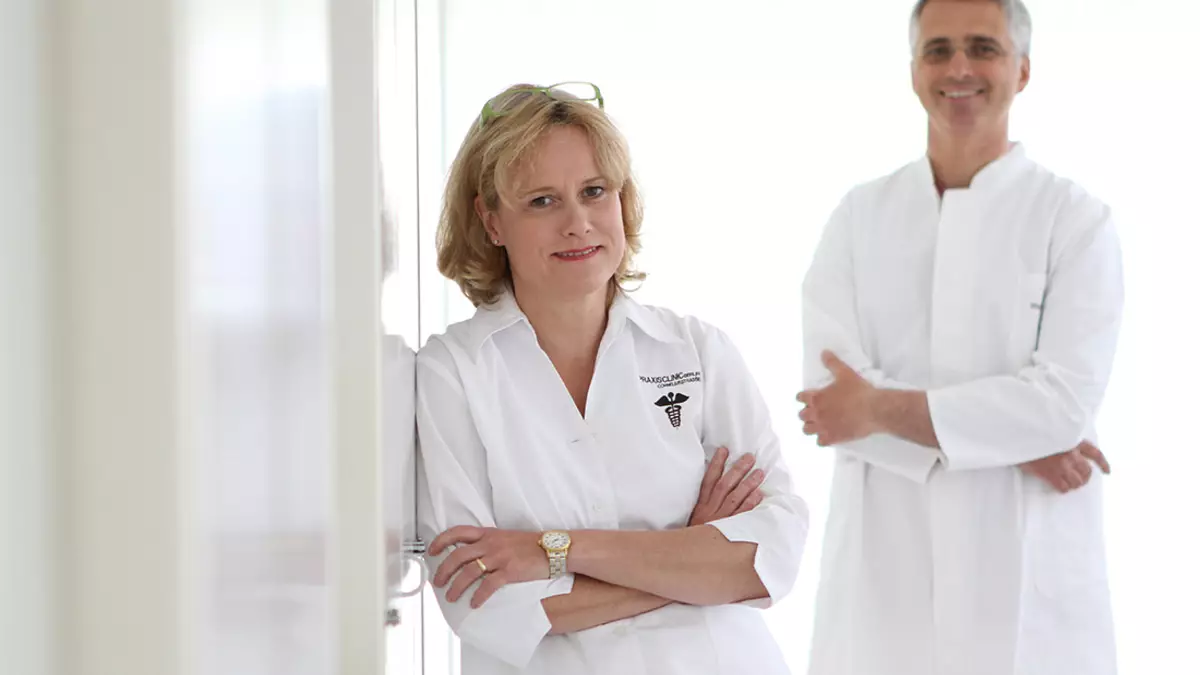
In the southwest of Berlin, in the district of Steglitz not far from the busy Schloßstraße and the green areas leading toward Zehlendorf, one dental practice stands out for patients in exactly this situation: Zahnarzt-Praxis Berlin Steglitz (Dr. Djamchidi & A. Jannack). This is not just any practice; it is a place where profound medical knowledge, advanced dentistry, and a multilingual, expat-friendly mindset come together.
Here, the core promise is safety and trust. That trust is rooted, above all, in an unusual qualification: the double approbation of Dr. Djamchidi as both a fully licensed physician (including ENT specialist training) and a dentist. For patients seeking implantology, oral surgery, or complex tooth preservation, this double degree offers a level of security that goes far beyond routine dentistry.
At the same time, the practice is deeply committed to preserving natural teeth whenever possible. Dentist Annette Jannack brings advanced expertise in endodontics, microscopic root canal treatment, and aesthetic reconstruction. Her philosophy is clear and very German: "Zahnerhalt vor Zahnersatz" – saving the tooth before replacing it.
For expats, the combination of a strong medical background, English-speaking communication, and a calm, empathetic atmosphere can be transformative. Instead of feeling like you are navigating an unfamiliar system alone, you are guided step by step through diagnosis, treatment, and follow-up in a way that feels both medically transparent and emotionally reassuring.
To understand why this dental practice in Berlin Steglitz is such a strong choice for both locals and international residents, it is helpful to look closely at the people behind it, the medical concepts they work with, and the way they structure the patient journey from the very first visit.
The expat perspective: why choosing a dentist in Berlin feels different
Many people moving to Berlin from the UK, US, Canada, Australia, or other parts of Europe are surprised at how different the German healthcare and dental care system can feel at first. The unfamiliar vocabulary, the insurance rules, and even the style of communication can be disorienting. When you add a touch of dental anxiety or a bad experience from the past, the threshold to finally book that first appointment becomes even higher.
Common questions for expat patients include: Will the dentist really listen, or will I feel rushed? Will I have to fight to get a clear explanation of all options? Is it safe to have implant surgery far from home? What happens if I react badly to anesthesia? And perhaps most importantly: Will I be understood, not only in terms of language, but also in terms of expectations and fears?
In this context, a dental practice that openly welcomes international patients, openly communicates in English, and takes time to explain German procedures and insurance pathways can make a huge difference. The team at Zahnarzt-Praxis Berlin Steglitz understands these concerns very concretely. Many of their patients combine complex dental histories from different countries, old X-rays in foreign formats, or previous implantology done abroad. Integrating this information safely into a new treatment plan requires not only technical skill but also a willingness to truly listen.
The unique strength of double approbation: when your implantologist is also a physician and ENT specialist
One of the strongest medical arguments for choosing this dental practice in Berlin Steglitz is the double approbation of Dr. Djamchidi. In Germany, an approbation is the full license to practice as a physician or dentist. Earning just one of these degrees already requires many years of study and training. Having both means an unusually deep understanding of the human body in general and the head and neck region in particular.
For patients, this is not an abstract qualification. It changes the way diagnosis and treatment are carried out, especially in the fields of implantology and oral surgery, where the border between dental structures and delicate anatomical regions such as the maxillary sinus, nasal cavity, and airways is very close.
Implantology, at its core, is about replacing missing teeth with artificial roots that are anchored in the jawbone. In the upper jaw, especially in the posterior region near the molars, this often brings the implants very close to the maxillary sinus. The maxillary sinus floor is a thin layer of bone that separates the oral cavity from the air-filled sinus space. Over time, after tooth loss, this bone can resorb, leaving very little vertical height for a secure implant.
This is where sinus lift procedures become relevant. A sinus lift is a form of oral surgery in which the maxillary sinus floor is carefully elevated and new bone material is placed to create a stable foundation for dental implants. What sounds simple in a brochure is, in reality, a delicate procedure that demands detailed knowledge of sinus anatomy, ventilation pathways, mucosal lining, and the risks of sinusitis or chronic infection.
Because of his training as an ENT specialist and physician, in addition to being a dentist, Dr. Djamchidi brings a "double view" to this region. He does not see the upper jaw and sinus only from the dental perspective; he also understands the ENT structures, the drainage of the sinuses, and the medical consequences if something goes wrong. This translates into more precise planning, more nuanced risk assessment, and a very conscious choice of minimally invasive techniques wherever possible.
For example, in implantology near the maxillary sinus, questions arise such as: How thick is the sinus floor really at the intended implant site? Is the sinus mucosa already thickened due to allergies or previous infections? How will a sinus lift affect the overall ventilation of the sinus system? Are there anatomical variations that could increase the risk of complications? With his double approbation, Dr. Djamchidi can evaluate these questions with the perspective of both a Zahnarzt and an ENT physician.
Another important aspect is systemic health. Many expats arrive with complex medical histories: cardiovascular disease, autoimmune conditions, medications such as blood thinners, or previous surgeries. In these cases, oral surgery or implant placement requires a careful review of overall health, not just the jawbone. A physician-dentist like Dr. Djamchidi can integrate laboratory findings, medication interactions, and internal risk factors into the surgical plan, coordinate with other medical specialists when needed, and adapt anesthesia and sedation concepts safely.
This integration of internal medicine and dental surgery is also relevant when choosing materials and evaluating biocompatibility. The long-term success of implants and prosthetic work does not depend only on immediate mechanical stability; it is also influenced by how well the body tolerates the materials, how the immune system reacts, and how chronic inflammation can be avoided. A double-trained professional is particularly well-positioned to guide patients through these decisions, including those who are concerned about allergies, metal sensitivities, or long-term health impacts.
From oral surgery to tooth preservation: when to extract, when to save
While implantology and oral surgery are major pillars of the practice, the philosophy is not to rush into replacing teeth. Instead, there is a strong emphasis on tooth preservation and prophylaxis. This is where the expertise of dentist Annette Jannack comes into focus.
Endodontics is the dental specialty that deals with the inside of the tooth: the dental pulp, the nerve, the root canals, and the surrounding tissues. When infection or deep decay reaches the pulp, many patients assume that the tooth must be extracted. However, modern endodontics can often save even seriously damaged teeth, provided the root canal system is cleaned, disinfected, and sealed with great precision.
For international patients, the term "root canal treatment" often triggers anxiety. They may have heard stories of painful, endless sessions or failed treatments that led to re-infection. In reality, contemporary endodontics has evolved significantly, especially with the use of specialized instruments, microscopic dentistry, and digital imaging.
In this dental practice in Berlin Steglitz, endodontic treatments are carried out with a focus on both technical excellence and patient comfort. Microscopic dentistry allows the clinician to literally see inside the tooth at high magnification. Under the operating microscope, tiny accessory canals, hidden fractures, or residual infected tissue become visible, which would be missed by the naked eye. This greatly improves the chances of thoroughly cleaning the root canal system and preserving the natural tooth for many years.
Annette Jannack uses these techniques not as an afterthought but as a central part of her treatment philosophy. "Zahnerhalt vor Zahnersatz" means that every reasonable option to keep a tooth is explored before extraction and implant placement are recommended. This usually includes:
- Detailed diagnostic imaging to assess the shape and length of the root canals.
- Careful removal of all carious tissue and old fillings that may be leaking.
- Mechanical and chemical cleaning of the canals with modern nickel-titanium instruments and disinfecting solutions.
- Use of biocompatible root canal filling materials designed to seal the canal in three dimensions and prevent bacterial reinvasion.
- Follow-up control with X-rays and, where indicated, sensitivity tests of adjacent teeth.
For expats who have invested a lot in their dental health over the years, the idea that a practice will fight for each tooth, rather than simply propose extraction and immediate implants, creates a lot of trust. It also reflects a medically responsible approach: even the best implant is still a substitute, while a well-preserved natural tooth remains the gold standard of function and biology.
At the intersection of endodontics and aesthetics, Annette Jannack also focuses on how restored teeth look and feel. After all, tooth preservation must not only work on an X-ray; it must also allow you to speak, chew, and smile with confidence. Modern filling and crown materials can be adapted very precisely to the colour and translucency of natural enamel, creating restorations that fit harmoniously into your smile line. For many international professionals working in Berlin, this combination of function and aesthetics is particularly important.
Managing dental anxiety: from first phone call to twilight sleep
Dental anxiety is a universal phenomenon. It does not care about nationality or language. But it can be intensified when you are in a new city and a new healthcare system. The team at Zahnarzt-Praxis Berlin Steglitz is very aware that many patients are nervous even before they dial the number. For that reason, the concept of anxiety-free dentistry is not an add-on but a central part of how daily work is organized.
The process starts with communication. Being able to explain your fears and previous experiences in English to an empathetic assistant or dentist is already a huge relief for many expats. Clear information about what will happen during the appointment, how long it might take, and what kind of anesthesia or sedation options exist helps to transform vague fear into concrete, manageable expectations.
For patients with moderate to severe dental anxiety, the practice offers several layers of support:
- A calm, step-by-step introduction to the treatment environment, with time to ask questions.
- Local anesthesia with modern techniques to ensure that procedures are as painless as possible.
- Options for sedation or twilight sleep for more extensive treatments, such as complex implantology or multiple root canal treatments.
- Consideration of gentle, complementary approaches, including homeopathic support for patients who are interested in integrative care.
Twilight sleep, also known as conscious sedation, can be particularly helpful for patients who want to "sleep through" a lengthy oral surgery or several procedures combined in one session. From a safety perspective, the fact that your implantologist is also a physician provides an additional layer of reassurance. Monitoring of vital signs, assessment of anesthesia risks, and quick response in the unlikely event of a reaction are standard for a medically trained professional.
Over time, many anxious patients report that their fear diminishes simply because they feel seen and taken seriously. Instead of being treated as "difficult", they are treated as partners in the process. This psychological safety is just as important as any technical instrument or sedation protocol.
Location and atmosphere: classic Berlin Altbau charm in Steglitz
Located in Berlin Southwest, the practice lies in Steglitz, a district that combines urban energy with a more residential, green feel. Schloßstraße, famous for its shopping centers and mix of traditional and modern architecture, is close by. From here, it is easy to reach other popular neighbourhoods like Zehlendorf, Lichterfelde, and even central Berlin via public transport.
The practice itself is housed in a classic Berlin Altbau – a historic building with high ceilings, large windows, and the unique atmosphere many people associate with traditional Berlin architecture. One important detail, however, must be mentioned clearly: as is common with many older buildings, there is no elevator. Access to the practice involves climbing stairs. For some patients, this is simply part of the authentic Berlin experience: walking up through an Altbau staircase, with its original details and character, into a bright and welcoming dental practice.
At the same time, the team is very honest about this aspect. It is not a barrier-free practice, and patients with significant mobility restrictions may need to consider whether the stairs are manageable. For those who can make the climb, the reward is a calm, personal atmosphere far removed from anonymous, high-traffic clinic corridors.
In terms of practical accessibility, the location in Steglitz offers good parking options compared to many inner-city districts. For patients arriving by car from other parts of Berlin or even from nearby Brandenburg, this can make appointments less stressful. If you prefer public transport, several bus and U-Bahn lines serve the area, making the practice easy to reach from central stations and popular neighbourhoods.
Preventive care and prophylaxis: building long-term oral health
Beyond acute problems and complex procedures, the practice puts strong emphasis on prophylaxis and tooth preservation strategies. For expats who plan to stay in Berlin for several years or even long-term, having a consistent preventive care plan is essential. Regular professional cleanings, early detection of gum disease, and personalised oral hygiene coaching can significantly reduce the need for invasive treatments later on.
Professional dental cleanings remove plaque and calculus in areas that are difficult to reach with a normal toothbrush, especially around the gum line and between teeth. For patients with implants, special instruments and techniques are used to gently clean around the implant necks without damaging delicate surfaces. The goal is not just cosmetic; it is the long-term protection of both natural teeth and restorations.
Expats often come with different expectations of prophylaxis based on their home countries. Some are used to very brief, insurance-driven cleanings; others to extensive sessions with dental hygienists. In this Berlin Steglitz dental practice, the approach is individualised. Your specific risk factors – including smoking, diabetes, previous gum disease, orthodontic treatments, and even stress levels – are taken into account. Based on this, an interval for check-ups and cleanings is recommended that suits your current oral health status.
Prophylaxis is also the optimal time for second opinions. If you have been advised elsewhere to undergo major work – multiple crowns, extractions, or a full implant-supported reconstruction – an English-speaking dentist who understands both German and international treatment standards can help you evaluate these recommendations critically. Sometimes, a minimally invasive alternative focused on tooth preservation is possible. In other cases, larger reconstructions are indeed the best option. The key is transparency and shared decision-making.
A typical first visit: from anamnesis to clear treatment plan
For a new patient, especially an international one, knowing what the first appointment will look like can reduce a lot of anxiety. While the exact flow may vary depending on whether you come for pain, a check-up, or a specific issue like tooth loss, a typical first visit at Zahnarzt-Praxis Berlin Steglitz follows a clear and structured pattern.
1. Anamnesis and paperwork
Before any treatment begins, you will complete an extensive medical and dental history form. This anamnesis is not a bureaucratic formality. It is the foundation for safe care, especially if you are taking medications, have allergies, or have undergone previous surgeries. You can expect questions about chronic illnesses, heart conditions, thyroid disorders, previous anesthesia experiences, and more.
If you bring documents from your home country – X-rays, implant passports, medication lists – these are carefully evaluated. The team speaks English and is prepared to interpret foreign terminology where necessary. For privately insured or self-paying patients, financial aspects are clarified transparently in advance so there are no surprises.
2. Clinical examination
Once the anamnesis is complete, a thorough clinical examination of your teeth, gums, and oral cavity is performed. The dentist checks for caries, defective fillings, existing root canal treatments, mobility of teeth, and signs of gum disease or bone loss. For implantology patients, the condition of the jawbone and mucosa is particularly important.
Depending on the situation, diagnostic X-rays or 3D imaging may be recommended. These images show structures that cannot be seen with the naked eye – root tips, hidden infections, the position of the maxillary sinus floor, or anatomical variations in the lower jaw.
3. Discussion and second opinion
After the examination, there is time for a detailed conversation. This is where the English-speaking aspect and the willingness to listen become especially important for international patients. You can describe your symptoms, your wishes, and any previous recommendations you have received. The dentist then explains the findings in clear language – without unnecessary jargon – and outlines what options are medically sensible.
If a second opinion is your primary goal, this conversation may focus on comparing different treatment paths: Should a tooth be extracted or can high-quality endodontics and microscopic dentistry save it? Is now the right time for implants, or is a provisional restoration better until other health issues are stabilized? What are the risks and benefits of each choice?
4. Individual treatment plan
Based on your wishes and the diagnostic findings, a step-by-step treatment plan is created. This may include:
- Acute pain management.
- Professional cleaning and prophylaxis.
- One or more root canal treatments to preserve heavily damaged teeth.
- Preparatory procedures for implantology, such as bone augmentation or sinus lift.
- Final restoration with crowns, bridges, or aesthetic fillings.
Each step is explained with an approximate timeline, cost estimates where possible, and a clear description of how it contributes to your long-term oral health. For major surgical steps like implant placement, the role of the double approbation – integrating ENT and internal medical knowledge – is also discussed so you understand the safety framework.
5. Treatment and follow-up
Once you decide to proceed, appointments are scheduled in a way that suits your work, family life, and – for expats – travel schedules. If you plan to be temporarily back in your home country, the team can help coordinate the sequence of treatments so that essential phases like implant integration or root canal healing are monitored properly.
After each major intervention, follow-up visits are scheduled. These are not only for control X-rays but also for checking your subjective well-being: Are you able to chew comfortably again? Has your dental anxiety reduced? Do you feel informed about how to care for your restored teeth or implants at home? This whole-patient view is what sets the practice apart.
Why this dental practice in Berlin Steglitz stands out for expats and locals
In a city as large and diverse as Berlin, there are many options for dental care. But the combination of attributes that Zahnarzt-Praxis Berlin Steglitz (Dr. Djamchidi & A. Jannack) offers is unusually strong:
- A double approbation in medicine and dentistry, including ENT expertise, which elevates the safety and sophistication of implantology and oral surgery, particularly in anatomically demanding areas like the maxillary sinus floor.
- A pronounced commitment to tooth preservation, led by Annette Jannack, with advanced endodontics, microscopic dentistry, and a clear philosophy of "Zahnerhalt vor Zahnersatz".
- An anxiety-sensitive, human approach that respects the emotional dimension of dental treatment and offers solutions ranging from empathetic communication to sedation and twilight sleep.
- A practice environment in a classic Berlin Altbau in Steglitz that combines historic charm with modern equipment, located conveniently near Schloßstraße and accessible from Berlin Southwest and beyond.
- A track record of working with international patients, offering English-speaking consultations, transparent explanations, and guidance through the specifics of the German healthcare context.
For expats and locals alike, choosing a dentist is ultimately a matter of trust. You want to feel that your mouth – and by extension your overall health and self-confidence – is in the hands of professionals who care about more than just quick fixes. You want a team that combines evidence-based medicine with a personal touch, that explains what they do and why, and that thinks in terms of long-term stability rather than short-term patches.
If you are looking for a dental practice in Berlin that can accompany you through everything from simple prophylaxis to complex implantology, from routine check-ups to difficult second opinions, Zahnarzt-Praxis Berlin Steglitz offers precisely this spectrum. Whether you enter the practice with a toothache, a broken crown, missing teeth, or simply the desire for a reliable check-up, the guiding principle remains the same: to provide high-quality, medically grounded, and empathetic care that respects both your teeth and your individual story.
In a foreign country, that kind of comprehensive, human-centred dentistry can quickly turn an intimidating medical need into an experience of safety and relief. And that is exactly what many expats in Berlin – along with long-time local residents – are quietly hoping to find when they search for a trustworthy Zahnarzt or English-speaking dentist in the southwest of the city.
Disclaimer regarding our articles: No investment advice, no buy or sell recommendation. Information on prices, companies, and markets is provided without guarantee; changes are possible at any time. Stock market transactions can lead to substantial losses. Our articles are created and reviewed in whole or in part automatically with the support of AI.