A Trusted Dental Practice in Berlin Steglitz for Expats and Locals
Published on 03/11/2026 at 07:01 | Editorial responsibility: Rafael Müller, Editor-in-Chief AD HOC NEWS
Arriving in a new country is exciting until something hurts. For many expats in Berlin, a sudden toothache or a broken filling quickly turns from a minor annoyance into a real source of stress. You start searching online for a dental practice, compare reviews, wonder who speaks English, and worry about unfamiliar medical systems and insurance rules. At the same time, you might carry dental anxiety from past experiences and feel unsure whom you can truly trust with your health in a new city.
In Berlin, the choice of dentists is large, but the quality, philosophy, and communication style vary widely. The German term "Zahnarzt-Praxis" appears in your search results again and again, yet you are looking for more than a name on a doorbell. You want a place where the dentist understands international health expectations, can explain complex treatments clearly in English, and combines modern medical science with empathy and a conservative, tooth-preserving mindset.
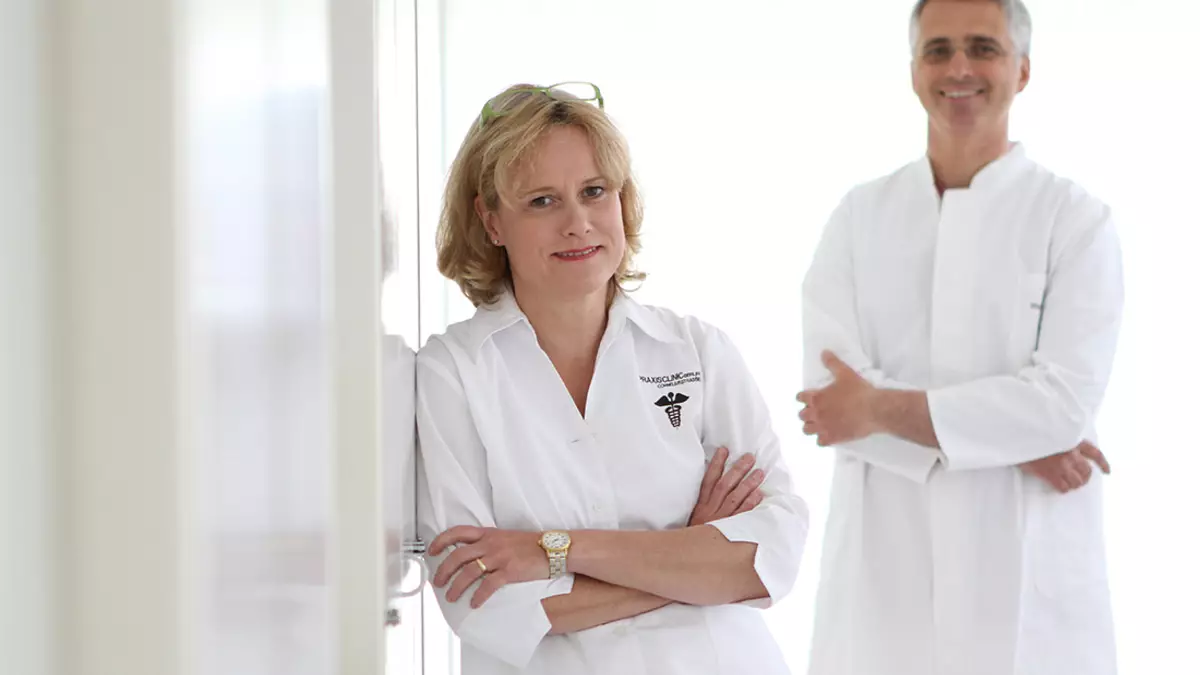
In the heart of Berlin Steglitz, not far from the busy Schloßstraße and within easy reach of Zehlendorf and Berlin Southwest, the dental practice of Dr. Djamchidi & A. Jannack offers exactly this blend. It is a Dental Practice in Berlin Steglitz where advanced implantology, oral surgery, and endodontics meet an unusually holistic, medically grounded perspective.
For many international patients, the first concern is communication. Will the dentist understand my questions? Will they listen to my fears about treatment? In this practice, English-speaking care is an integral part of daily routine, not an exception. Explanations about treatment options, costs, and insurance-compatible planning are discussed in clear, accessible language, helping you make informed decisions without feeling lost in translation or German bureaucracy.
Beyond language, there is the emotional side: dental anxiety is extremely common, especially if you have had painful or rushed treatments in the past. The team in this Steglitz practice recognizes that a visit to the dentist is never just about teeth. It is about trust, vulnerability, and the feeling that your concerns are taken seriously from the very first handshake.
What truly sets Zahnarzt-Praxis Berlin Steglitz (Dr. Djamchidi & A. Jannack) apart is a rare qualification: the "Double Approbation" of Dr. Djamchidi. He is both a fully trained physician, specialized in ENT (ear, nose, throat), and a dentist. This dual medical and dental license is much more than a line on a CV; it has direct, practical benefits for your safety and results, particularly in implantology and oral surgery.
When placing dental implants in the upper jaw, the surgeon works very close to the maxillary sinus, a hollow space in the facial bones above your back teeth. The thin bone between tooth roots and the maxillary sinus floor is sometimes only a few millimeters thick. If teeth have been missing for a long time, the bone may shrink even further. In such cases, a sinus lift or elevation of the maxillary sinus floor is often needed to create enough stable bone to anchor an implant securely.
Here, the combined ENT and dental training of Dr. Djamchidi is particularly valuable. As an ENT physician, he is intimately familiar with the anatomy, ventilation, and function of the maxillary sinus, nasal passages, and surrounding structures. He understands not only how to create sufficient bone volume for an implant, but also how to preserve the delicate balance of the sinus system to minimize complications such as sinusitis or chronic irritation.
For you as a patient, this means that implantology is not performed in isolation. The health of your nose, sinuses, and airway is assessed alongside your jawbone. Before planning an implant or sinus lift, detailed diagnostics such as X-rays or 3D imaging are evaluated from both a dental and a medical angle. Questions like "How close is the implant to the sinus?", "Is the sinus well ventilated?", or "Are there existing ENT issues that might affect healing?" are not afterthoughts but central to the treatment plan.
This physician-level perspective becomes even more important if you have allergies, chronic sinus problems, or systemic conditions such as diabetes, cardiovascular disease, or autoimmune disorders. A practitioner who is licensed in both medicine and dentistry can better evaluate interactions between overall health, medications, and oral surgery. This can affect decisions regarding the timing of surgery, antibiotic coverage, choice of anesthetic, and the selection of implant materials with good biocompatibility.
Biocompatibility is a key concept in modern implantology: materials must integrate with your bone and soft tissue without causing chronic inflammation or rejection. Thanks to his double approbation, Dr. Djamchidi can weigh systemic health, ENT conditions, and local jawbone quality together when recommending specific implants or graft materials. For patients with complex medical histories, this combination significantly increases safety and confidence.
Furthermore, the ENT background refines the minimally invasive approach to oral surgery. Whenever possible, interventions are kept as gentle and tissue-sparing as feasible. This means smaller incisions, precise handling of soft tissue, and careful preservation of important anatomical structures. The result for you: reduced swelling, less discomfort, and faster recovery, which is especially appreciated by working professionals and expats with busy schedules.
On the other side of this complementary team stands Annette Jannack, whose focus is on endodontics, tooth preservation, and aesthetics. While implants and oral surgery are essential when teeth cannot be saved, her philosophy can be summed up as "Saving the tooth before replacing it" (Zahnerhalt vor Zahnersatz). This is not only emotionally reassuring for many patients but also medically and functionally sound: a well-preserved natural tooth often remains the gold standard.
Endodontics, commonly known as root canal treatment, has changed dramatically in recent years. Many people still associate it with pain and multiple long sessions. In a modern setting like this Steglitz dental practice, root canal therapy is a high-precision procedure focused on cleaning and sealing the interior of the tooth, often under magnification and with the aid of microscopic dentistry techniques. The goal is to remove infected or inflamed tissue from the root canal system while preserving as much healthy tooth structure as possible.
During such treatment, microscopic or magnification-assisted dentistry allows the dentist to see tiny canal branches, hidden cracks, or leftover tissue that would be invisible to the naked eye. This reduces the risk of persistent infection and increases the long-term success of the treated tooth. For you, it means a higher likelihood that your tooth will remain functional and symptom-free for many years instead of being extracted and replaced with a prosthetic solution.
In addition to meticulous endodontics, Annette Jannack places a strong emphasis on aesthetics that respects natural anatomy and function. Fillings, inlays, onlays, and crowns are planned not just to look white, but to harmonize with your bite, jaw joints, and facial features. The aim is a smile that feels like your own, not like a foreign object in your mouth.
Tooth preservation goes hand in hand with prophylaxis and preventive care. Professional cleaning, individualized oral hygiene coaching, and early detection of small defects are essential pillars of this philosophy. Instead of treating problems only when pain forces you into the chair, the practice encourages a preventive rhythm: regular check-ups, prophylaxis sessions, and monitoring of existing restorations. For expats used to different systems abroad, the team is happy to explain which services are typically covered by German insurance and how supplemental insurance or private billing works, helping you plan sensibly instead of reacting under time pressure.
For many patients, the most dramatic transformation is not in the X-ray but in how they feel about going to the dentist. Dental anxiety is addressed here not as a side note but as a central part of the care concept. From the moment you enter the practice, you notice that the atmosphere is quieter and more personal than in large clinic chains. Warm communication, clear explanations, and realistic time frames help you feel oriented and in control.
Before any procedure, you can discuss your fears openly: previous traumatic experiences, sensitivity to injections, or even a strong gag reflex. The team can then tailor options such as particularly gentle local anesthesia techniques, breaks during treatment, or calming support measures. For some patients, mild sedation or so-called twilight sleep may be discussed, in which you remain responsive but are deeply relaxed and later remember little of the procedure. This can be especially helpful for extensive treatments such as multiple implants or complex root canal revisions.
Some patients also appreciate supportive methods such as gentle homeopathic remedies or relaxation techniques. While these are not substitutes for scientific dentistry, they can complement the overall experience of safety and comfort. The crucial point is that you are not treated as "difficult" or "overly sensitive" but as a person whose fears are legitimate and worthy of respect.
The practice itself is located in a classic Berlin Altbau building in Steglitz, reflecting the architectural charm characteristic of this part of Berlin Southwest. High ceilings, period details, and a sense of history create an ambiance that feels distinctly different from a soulless medical box. At the same time, it is important to be transparent: the building is not barrier-free. There is no elevator, and access involves climbing stairs. For patients with limited mobility, this can be a challenge and must be taken into account when planning visits.
Rather than hiding this fact, the practice presents it honestly while underscoring the advantages of the location. It is conveniently situated near Schloßstraße, one of Berlin's key shopping streets, with good public transport links and parking options in the surrounding area. For many, visiting the dentist can be combined with errands or a walk through one of Steglitz's green side streets. If you have questions about accessibility or need extra time due to the stairs, the team encourages you to call ahead so that your appointment can be scheduled and organized as comfortably as possible.
To help you imagine how your own first appointment might unfold, it is useful to walk through a typical patient journey in this Zahnarzt-Praxis.
It usually begins with a phone call or an online inquiry, often prompted by acute pain, a broken filling, or the desire for a second opinion. The receptionist speaks both German and English and can help you describe your concern, arrange a suitable appointment, and explain what documents or insurance cards you should bring. If you are unfamiliar with German health insurance, you can ask in advance how billing generally works for statutory or private patients.
On the day of your visit, you arrive at the Altbau building in Steglitz, climb the stairs, and step into a practice atmosphere that blends classic Berlin character with modern dental technology. A detailed medical and dental anamnesis is taken, including allergies, medications, past operations, and any ENT or sinus issues. This is especially relevant because of the practice's focus on implantology, oral surgery, and the ENT-dental interface.
During the initial consultation, the dentist listens carefully to your concerns. If you are in pain, the priority is relief. If you are seeking a comprehensive treatment plan, the focus is on understanding your long-term wishes, whether that means maximum tooth preservation, improved aesthetics, or functional rehabilitation with implants. Clinical examination is combined with appropriate diagnostics such as X-rays or, where indicated, 3D imaging to assess bone structure, root anatomy, or the relationship between teeth and maxillary sinus.
The findings are then explained to you step by step, often using images as a visual aid. You hear terms like maxillary sinus floor, bone augmentation, root canal treatment, or minimally invasive surgery, but they are translated into everyday language so you know exactly what is being proposed and why. If you want, you can also obtain a second opinion on an existing treatment recommendation from another practice. The goal is not to pressure you into a decision but to support you in choosing what feels right medically, functionally, and financially.
Treatment planning is individualized: a small cavity might be solved with a gentle filling; an inflamed tooth could require microscopic endodontics; a missing tooth may be best replaced with a carefully planned implant that respects sinus and bone anatomy. Whenever possible, tooth preservation is prioritized before moving towards prosthetic solutions. Prophylaxis appointments are integrated into the plan so that newly treated teeth and implants remain stable in the long term.
On treatment days, measures to reduce dental anxiety are activated from the beginning. You can agree on a hand signal to request a break, choose whether to listen to music, and decide in advance whether you prefer standard local anesthesia, intensified numbing techniques, or, for major interventions, sedation. After the procedure, you receive clear aftercare instructions, including what to expect in terms of healing, which symptoms are normal, and when to contact the practice.
If oral surgery or implant placement is involved, follow-up appointments are scheduled to monitor healing and the integration of implants into the bone. Here, the dual expertise of an ENT specialist and dentist again plays a crucial role in evaluating sinus health, soft tissue adaptation, and overall stability. The long-term goal is a harmonious combination of function, aesthetics, and comfort, rather than just a quick fix.
For expats who may move between countries over time, documentation is crucial. The practice can provide you with detailed records and radiographs in digital form so that your dental history remains transparent and portable, no matter where life takes you next.
When comparing options for a dentist in Berlin, especially in the Steglitz and Zehlendorf area, several questions guide a wise choice: Does the practice combine advanced dental knowledge with broader medical understanding? Are tooth preservation, biocompatibility, and minimally invasive methods genuinely prioritized? Is dental anxiety treated with respect? And is there someone who can explain it all clearly in English?
Zahnarzt-Praxis Berlin Steglitz (Dr. Djamchidi & A. Jannack) answers these questions convincingly. The rare double approbation of Dr. Djamchidi means that implantology and oral surgery are grounded in both dental and ENT medicine, increasing safety and predictability, especially in the anatomically complex upper jaw near the maxillary sinus. At the same time, the conservative, endodontics-focused philosophy of Annette Jannack ensures that every natural tooth is given a fair chance before extraction is considered.
The practice's approach to prophylaxis and tooth preservation supports long-term stability, while its aesthetic sensibility delivers results that look and feel natural. Dental anxiety is addressed with empathy and flexible options ranging from gentle local techniques to twilight sleep when appropriate. For international patients and Berlin newcomers, English-speaking communication and guidance through insurance and treatment options transform a potentially intimidating experience into a manageable, even empowering one.
The historic Altbau setting in Berlin Steglitz, with its characteristic stairs and lack of elevator, is part of an authentic Berlin experience. Combined with a central, well-connected location close to Schloßstraße and the neighborhoods of Berlin Southwest and Zehlendorf, it makes high-level dental and medical expertise accessible to a diverse community of locals and expats.
If you are looking for more than just a quick fix, and instead want a partner for your oral health who bridges medicine and dentistry, respects your fears, and speaks your language, this dental practice offers a compelling answer. Whether you need a straightforward check-up, complex root canal treatment, advanced implantology with sinus considerations, or simply a trusted English-speaking dentist in Berlin, Zahnarzt-Praxis Berlin Steglitz (Dr. Djamchidi & A. Jannack) stands out as a top choice.
Disclaimer regarding our articles: No investment advice, no buy or sell recommendation. Information on prices, companies, and markets is provided without guarantee; changes are possible at any time. Stock market transactions can lead to substantial losses. Our articles are created and reviewed in whole or in part automatically with the support of AI.