A Trusted Dental Practice in Berlin Steglitz for Expats and Locals
10.03.2026 - 07:01:06 | ad-hoc-news.de
Moving to Berlin is exciting, but navigating the healthcare system can feel overwhelming. Many international residents quickly discover that finding a dentist who combines modern treatment, clear explanations in English and genuine empathy is not as easy as it sounds. Even simple questions about insurance or treatment options can be stressful when you are unsure about medical terms or cultural expectations.
For many people, dental anxiety is already a real issue. Add to that the pressure of a foreign language, unfamiliar rules and the fear of making a wrong decision about your health, and you have a recipe for postponing important treatments. However, delaying care can turn a small problem into a complex one, especially when it comes to teeth, gums and jaw health.
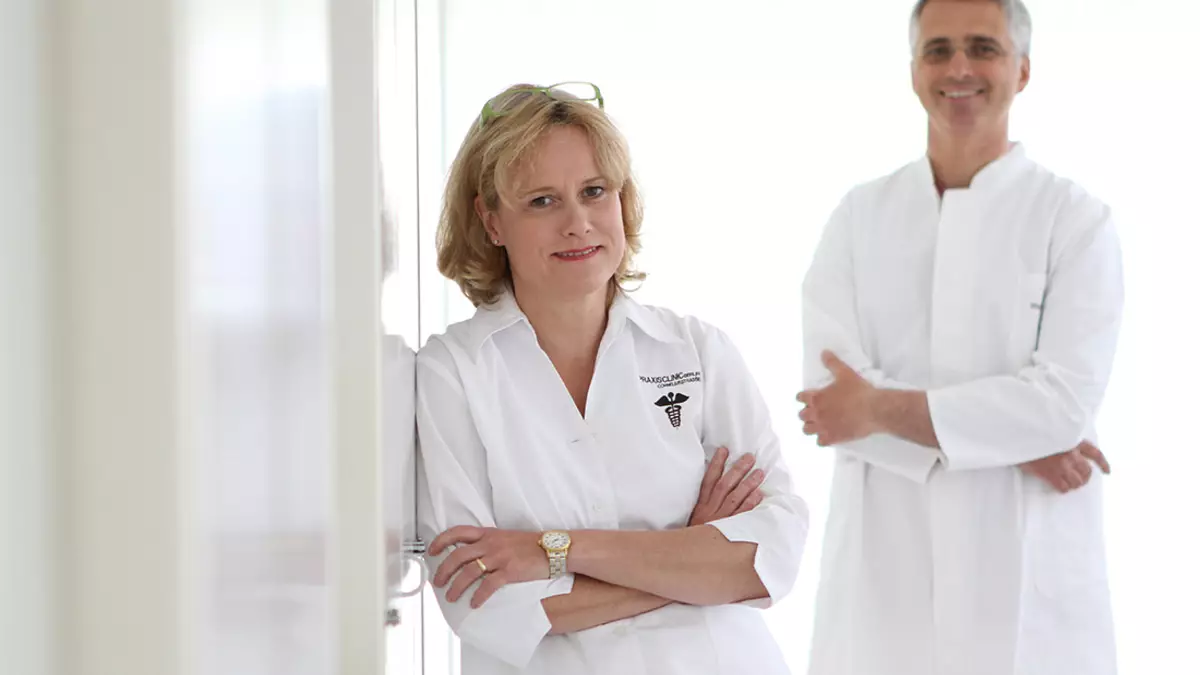
In this context, a Dental Practice that truly understands both the German system and the needs of international patients becomes invaluable. Zahnarzt-Praxis Berlin Steglitz (Dr. Djamchidi & Annette Jannack) is one such place: a medical home for your oral health in Berlin Southwest, where expert knowledge meets calm, kind communication.
Located close to Schloßstraße in the heart of Steglitz, this Dental Practice in Berlin Steglitz is particularly well suited to expats who want more than just a quick filling. Here, the team focuses on long-term tooth preservation, aesthetic harmony and medically sound decisions that consider your whole body, not just your smile.
One of the most distinctive aspects of this practice is something very typical for Germany but still quite rare worldwide: the so-called "Double Approbation" of Dr. Djamchidi. In simple terms, he is both an ENT specialist (ear, nose, throat physician) and a fully qualified dentist. This combination of MD and dental training is a major advantage in fields like Implantology and Oral Surgery, where the border between the mouth and the rest of the head and neck region is clinically crucial.
The double view: why ENT + dentistry matters for implants
When people think about dental implants, they often picture small titanium screws replacing lost teeth. But behind the scenes, Implantology is far more complex. The upper jaw, for example, lies directly below the maxillary sinus cavity. This air-filled space above the back teeth in the upper jaw plays a vital role in breathing, resonance of the voice and overall sinus health. To place implants safely in this region, the dentist must understand not only bones and teeth but also the delicate anatomy of the maxillary sinus floor and the surrounding structures.
As both an ENT physician and a dentist, Dr. Djamchidi can approach these areas with a true 360-degree medical perspective. During treatment planning, he assesses not only the available bone but also the condition of the sinus mucosa, ventilation pathways and potential ENT-related risk factors. This is especially relevant when a sinus lift is considered, a procedure that gently elevates the maxillary sinus floor and inserts bone material to create enough stable volume for an implant.
For a layperson, a sinus lift may sound intimidating. However, in the hands of a specialist who regularly works with sinus anatomy from both the dental and ENT side, it becomes a carefully controlled and minimally invasive intervention. The aim is simple: to give you a strong, long-lasting implant without compromising your sinus health or breathing comfort.
This "double degree" background also helps in complex Oral Surgery cases. For example, if chronic sinus issues, prior nose surgeries or polyps are part of your medical history, the risk analysis for implants changes. An ENT-trained implantologist like Dr. Djamchidi can interpret medical imaging, understand the interplay between nasal passages, sinuses and oral structures and give a realistic prognosis. That means fewer surprises later and a higher level of medical safety from day one.
Biocompatibility is another key aspect. Implant materials, bone substitutes and membranes need to integrate well with the body and not trigger unnecessary inflammation. Having a physician's view helps in choosing materials and planning pre- and postoperative care, especially if you have allergies, autoimmune conditions or are taking systemic medications. This is where a comprehensive anamnesis, or medical history, becomes essential: the more details the doctor understands about your overall health, the better he can tailor your implant plan to your body's specific needs.
Patients who are anxious about surgery often feel more at ease when they know that their surgeon not only understands their teeth but also their sinuses, airways and general health. During the consultation, questions about snoring, nasal breathing, previous ENT infections or even headaches are not treated as side topics but as relevant pieces of the puzzle. For many expats who are used to holistic, multidisciplinary medicine, this integrated approach feels both familiar and reassuring.
Annette Jannack: Endodontics and the art of preserving your own tooth
While implants and Oral Surgery are essential tools, a high-quality Zahnarzt-Praxis always follows one essential principle: Zahnerhalt vor Zahnersatz – preserving your natural tooth before replacing it. This is where endodontic specialist Annette Jannack comes in. Her focus lies on Endodontics, which most patients know as root canal treatment, and on aesthetic dentistry that restores both function and beauty.
Root canal treatment has a somewhat frightening reputation, but modern Endodontics is far removed from the painful stories many people remember from years ago. Today, microscopic dentistry, advanced instruments and precise local anesthesia allow the dentist to work with astonishing accuracy and comfort. The goal is to remove infected or inflamed tissue from inside the tooth, disinfect the root canals thoroughly and seal them in such a way that bacteria cannot re-enter.
In practical terms, this means that even a severely damaged tooth can often be saved instead of extracted. The tooth continues to function as a natural part of your bite, preserving jawbone and chewing dynamics. This is not only more biologically friendly; it is often more economical over the long term, because every missing tooth can trigger a chain reaction of shifting, jaw strain and additional prosthetic needs.
In her work, Annette Jannack focuses strongly on microscopic dentistry. Under high magnification, tiny structures inside the tooth that would otherwise be invisible become clear. Additional root canals, hairline cracks or residual tissue can be identified and treated. This level of detail is especially important in retreatments, where an older root canal therapy has failed and precise, careful work is necessary to eliminate persistent infection.
Biocompatibility also plays a central role in Endodontics. The materials used to fill and seal canals, the adhesives for crowns and the restorative materials must work harmoniously with the surrounding tissue. For patients with sensitivities or a strong interest in biological dentistry, this is a key discussion point. In this practice, such questions are welcomed, and treatment options are explained transparently, including their advantages and limitations.
Beyond the technical side, Annette Jannack is dedicated to aesthetics and tooth-colored restorations. After all, preserving a tooth is only part of the story; shaping it so that it integrates seamlessly with your smile, facial proportions and natural shading is equally important. Through careful shade matching, minimally invasive preparation and modern ceramic or composite materials, the transition between natural enamel and restoration becomes nearly invisible.
Anxiety-free dentistry: empathy, calm and, if needed, sedation
Many expats arrive in Berlin with previous negative experiences at the dentist. Some have stopped going entirely due to dental anxiety, only returning when pain becomes unbearable. In Zahnarzt-Praxis Berlin Steglitz, these feelings are taken seriously from the first contact. The team understands that anxiety is not a sign of weakness but often the result of earlier trauma, cultural differences or simple fear of the unknown.
From the reception to the treatment room, the focus is on creating a calm, respectful atmosphere. Appointments are planned so that there is enough time to discuss your expectations, explain procedures and answer questions in clear, understandable language. For English-speaking patients, having an English-speaking dentist and team members is especially important. Being able to describe your symptoms and fears in your native language builds trust and reduces stress.
For patients with strong dental anxiety, the practice offers several options. These can range from gentle relaxation techniques and homeopathic support to pharmacological approaches such as sedation or twilight sleep. In twilight sleep, also known as conscious sedation, you remain responsive but feel deeply relaxed and often have little memory of the procedure afterward. Combined with minimally invasive techniques and effective local anesthesia, this makes even longer sessions much more tolerable.
Discussing these options openly is part of the practice philosophy. Some patients prefer to begin with shorter, non-invasive appointments to rebuild trust before moving on to major treatments. Others may wish for a comprehensive session under sedation to address several issues at once. Whatever your preference, joint decision-making is central: you are not simply told what will happen; you are guided through the possibilities and invited to participate actively in the planning.
The charm of a classic Altbau: location and accessibility in Steglitz
The practice is situated in a classic Altbau building in Steglitz, not far from the busy shopping area around Schloßstraße and within easy reach of Zehlendorf and other parts of Berlin Southwest. For many Berliners, these historic buildings with high ceilings, original staircases and characteristic facades are part of the city's unique charm. Entering such a space feels distinctively Berlin: a mix of history, elegance and everyday life.
At the same time, honesty about accessibility is important. This Altbau does not have an elevator, and the practice is reached via stairs. For patients with limited mobility, this can be a challenge and should be considered when booking. The team can provide details in advance and help you assess whether the access is suitable for you. For many patients, however, the stairs are a small price to pay for the quiet, intimate atmosphere of a traditional Berlin building as opposed to a large, anonymous clinic.
Another practical benefit is the good connection to public transport and the availability of parking options in the surrounding streets. Being close to Schloßstraße means you can combine your appointment with shopping or other errands, making oral care easier to integrate into a busy schedule. For families living in Steglitz, Lankwitz, Zehlendorf or the broader Berlin Southwest region, the location is both central and familiar.
From first contact to follow-up: your patient journey
To make the experience as transparent as possible, it helps to imagine what your first visit to Zahnarzt-Praxis Berlin Steglitz might look like. After arranging an appointment, you receive essential information about documents, insurance cards and any previous findings you should bring. If German forms worry you, you can ask what can be provided in English and which parts the team can help you with on-site. Reducing bureaucratic fear is part of the service.
On arrival, you enter the Altbau staircase and climb to the practice, where you are greeted by the reception team. The first few minutes may be dedicated to basic administrative questions, but soon the focus shifts to your story: Why have you come? What are your current symptoms? How have your previous experiences with dentists been, both in Germany and abroad?
The anamnesis process is thorough and covers not only dental complaints but also systemic health, medications, allergies and lifestyle factors. Because of the double medical background in the team, questions may also touch on ENT topics, breathing, sinus problems or headaches. This broad view makes it easier to identify connections that might otherwise be overlooked.
Next comes the examination. Depending on your issue, this may include clinical inspection, digital radiographs and, for implantology or complex Endodontics, more detailed imaging. Throughout, the dentist explains what they are doing and why. For example, when evaluating the upper jaw for implants, the relation between the roots, maxillary sinus floor and available bone is often shown directly on the images, giving you a clear picture of your situation.
Following the examination, you receive a detailed consultation. Instead of a quick one-sentence recommendation, different treatment paths are outlined: for instance, tooth preservation via root canal treatment versus extraction and implant, or minimally invasive fillings versus larger restorations. The expected durability, esthetic outcome, functional benefits and costs are compared. If you already have a treatment plan from another Zahnarzt or clinic, you can request a second opinion and have it discussed openly.
Once a decision is made, the treatment schedule is organized in a way that fits both your medical needs and your personal situation. For example, if you are flying frequently for work or are only in Berlin for a limited time, the team will try to bundle sessions logically. For major procedures such as implant placement or complex root canal treatments, pre- and post-operative instructions are given in clear language. If sedation or twilight sleep is planned, fasting times, medication adjustments and escort arrangements are communicated carefully.
During treatment, techniques are tailored to comfort and precision: rubber dam isolation for root canals to keep the field dry and hygienic; microscopic magnification to detect fine structures; minimally invasive access to preserve as much healthy tooth substance as possible; and gentle soft-tissue handling in Oral Surgery to support quick healing.
Aftercare is not an afterthought. Regular controls, Prophylaxis appointments and professional cleanings are recommended based on your risk profile. This preventive focus is one of the pillars of long-term oral health. Professional dental cleaning removes plaque and tartar in places that even excellent home care cannot reach, protecting gums, bone and restorations. For implant patients, these visits are crucial to monitor the stability of the implant and the health of the surrounding tissue.
Why this Dental Practice in Berlin Steglitz stands out
For both locals and international residents, Zahnarzt-Praxis Berlin Steglitz offers a rare combination of attributes:
First, there is the medical depth: a double approbation in ENT and dentistry for advanced Implantology and Oral Surgery, paired with high-level Endodontics and microscopic dentistry. This ensures that both replacement and preservation of teeth are handled at a specialist level.
Second, the philosophy is genuinely patient-centered. Anxiety, previous bad experiences or cultural differences are not brushed aside. Instead, they form part of the treatment plan: from extended consultations and English-language explanations to sedation options and minimally invasive strategies. You are encouraged to ask questions, request a second opinion or take time to make your decision.
Third, the setting balances Berlin authenticity with modern care. The historic Altbau in Steglitz offers atmosphere and individuality, while the equipment and techniques inside are up to date. The location near Schloßstraße and accessible from Zehlendorf and the wider Berlin Southwest region makes it a practical choice for everyday life.
Finally, the core treatment philosophy centers on long-term health: tooth preservation where possible, carefully planned implants where necessary and ongoing Prophylaxis to maintain results. Whether you arrive with a single aching tooth, complex sinus-related issues or a wish for a more aesthetic smile, you will receive a comprehensive assessment and a treatment plan tailored to your personal goals and medical reality.
For anyone seeking not just a random dentist but a true partner in oral health in Berlin, this Zahnarzt-led team offers exactly that: expertise you can trust, communication you can understand and a treatment experience designed to make you feel genuinely cared for.