A Trusted Dental Practice in Berlin Steglitz for Expats and Locals
07.03.2026 - 07:01:04 | ad-hoc-news.de
Arriving in Berlin as an expat or international student, you quickly learn how complex everyday healthcare can feel in a new country. Insurance forms are in German, medical letters are full of unfamiliar terms, and when it comes to something as intimate and anxiety?provoking as a visit to the dentist, many people hesitate for months. Pain is ignored, a sensitive tooth is "watched" rather than treated, and preventive check?ups keep getting postponed because the thought of explaining everything in a foreign language feels simply too much.
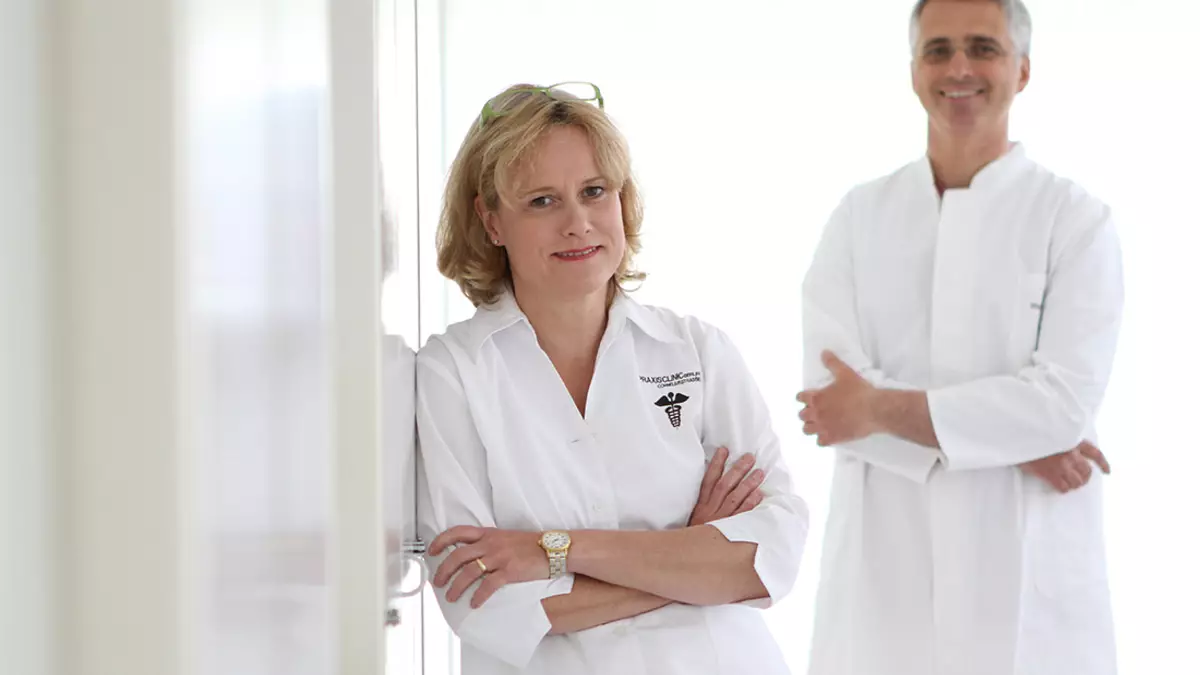
Yet oral health is closely connected to general health. Untreated dental inflammation can put strain on the entire body, disturb sleep and concentration, and even influence chronic conditions. For many internationals in Berlin, the ideal is clear: a Dental Practice that combines high German treatment standards with understandable English, medical transparency and a genuinely gentle approach to dental anxiety. In Berlin Steglitz, on the border of the popular Schloßstraße shopping area and the green neighborhoods leading toward Zehlendorf, Zahnarzt-Praxis Berlin Steglitz (Dr. Djamchidi & A. Jannack) aims to offer exactly that.
This article explores what makes this Dental Practice in Berlin Steglitz stand out – especially its rare combination of medical and dental qualifications, its focus on tooth preservation and endodontics, and its understanding of the specific needs of expats who may be nervous not only about treatment, but also about navigating the German healthcare system itself.
At the center of this Zahnarzt-Praxis stands Dr. Djamchidi, who holds a rare "double approbation": he is both a fully trained physician and ENT specialist (ear, nose and throat) and a qualified dentist. In many countries, medical and dental training are completely separate. Here, they are combined in one person. For patients, this offers an unusually wide diagnostic and therapeutic perspective, especially in complex fields such as Implantology and Oral Surgery.
When a dental implant is planned in the upper jaw, the region is very close to the maxillary sinus – the air?filled space behind your cheeks, part of the paranasal sinus system. The bone that separates the tooth roots from the maxillary sinus is called the maxillary sinus floor. If this bone is too thin, an implant cannot be safely anchored without additional measures. A common procedure in such cases is the sinus lift, where the sinus floor is carefully elevated and bone material is added to create a stable base for the future implant.
This is precisely where a double qualification in medicine and dentistry becomes so valuable. As an ENT specialist, Dr. Djamchidi is intimately familiar with the anatomy of the sinus system, the nasal cavity and the surrounding structures. He understands how chronic sinusitis, nasal polyps or anatomical variants can influence not only breathing and smell, but also the safety and long?term success of implants in the upper jaw. As a dentist and implantologist, he also masters the minimally invasive oral surgical techniques that are needed to place implants gently and precisely.
For the patient, this means that the decision for or against an implant is not made in isolation. Before a single screw touches bone, the entire region is assessed from both a dental and a medical point of view: Is the mucosa of the maxillary sinus healthy? Is the drainage of the sinus into the nose free and stable? Are there previous ENT operations or chronic inflammations that need attention? This kind of integrated assessment significantly reduces the risk of complications such as sinus perforation, postoperative sinusitis or implant failure.
Another benefit of the dual qualification is the understanding of systemic health. Many expats arrive in Berlin with a history of allergies, asthma or chronic conditions such as high blood pressure, autoimmune diseases or medication regimens after surgery in their home country. As a physician, Dr. Djamchidi is trained to evaluate the interaction between dental treatments and general health: How do blood thinners influence oral surgery? Which sedative method is safe for a patient with heart disease? When is antibiotic prophylaxis indicated? This broad medical view can make the difference between a routine appointment and truly safe care.
In Implantology, long?term success is not only about placing a titanium or ceramic screw into the jawbone. It is about creating a biologically stable environment with good blood supply, healthy gums and enough bone volume. An ENT?trained implantologist is accustomed to working in delicate, anatomically complex regions where millimeters matter. This precision directly benefits patients, whether they need a simple single?tooth implant or a more advanced reconstruction after bone loss.
Beyond surgery, the dual role as physician and dentist also supports a more holistic conversation. Many patients are surprised to learn how strongly chronic dental inflammation can influence fatigue, headaches or even sinus problems. With his background, Dr. Djamchidi can explain in accessible English how conditions in the mouth may interact with the rest of the body, and where treatment can realistically improve overall well?being.
While implants and oral surgery often draw attention, the philosophy of Zahnarzt-Praxis Berlin Steglitz is not "replace first" but "preserve first". This approach is embodied by dentist Annette Jannack, whose specialist focus lies in Endodontics – the field that deals with the inside of the tooth, especially the dental nerve and root canal system. In German, the principle is often expressed as "Zahnerhalt vor Zahnersatz" – preserving the natural tooth before replacing it with artificial restorations.
Many people associate root canal treatment with pain and long sessions. Modern endodontics, especially when carried out with microscopic dentistry and precise tools, is very different from this outdated image. The goal of root canal treatment is to remove inflamed or infected nerve tissue from inside the tooth, carefully clean and disinfect the fine root canals, and then seal them three?dimensionally so that bacteria cannot re?enter. When this is done meticulously, the natural tooth – with its functional root in the jawbone – can often be preserved for many years, sometimes decades.
Under the operating microscope, structures become visible that would otherwise remain hidden: additional canal branches, hair?thin cracks, calcified areas or old, incomplete fillings. By seeing more, the dentist can treat more precisely and more conservatively. This is the essence of minimally invasive dentistry: doing only what is necessary, but doing it in a highly controlled way. For the patient, this means less removal of healthy tooth substance and a higher chance that the tooth can be saved instead of extracted.
The choice of materials in Endodontics also matters. Biocompatibility is a key concept: root filling materials, sealers and post systems should interact as gently as possible with the surrounding tissue and immune system. Carefully selected, biocompatible materials help reduce irritation and support the body in encapsulating or integrating the treated tooth. This is particularly relevant for patients with allergies or sensitivities, who are sometimes more common in international, health?aware urban populations.
By focusing strongly on tooth preservation, A. Jannack provides an important counterbalance to the trend of replacing teeth quickly with implants. An implant can be an excellent solution when a tooth is truly lost or non?restorable. But every natural tooth that can be saved with high?quality endodontics protects the jawbone from resorption, maintains natural chewing sensation and often feels simply "more like me" than any prosthetic solution. Patients in this Dental Practice are therefore encouraged to explore all preservation options before moving to replacement.
Root canal treatment is often combined with modern restorative techniques: adhesive fillings, inlays, onlays or crowns that rebuild the tooth in a way that it can handle everyday chewing forces. The result is not just a pain?free tooth, but a functionally stable and aesthetically pleasing result. Especially in the front region, where appearance matters for confidence in professional and social contexts, this combination of Endodontics and aesthetic reconstruction is central.
For many people, the greatest barrier to dental care is not time or money – it is fear. Dental anxiety is extremely common and can be intensified by unfamiliar surroundings, childhood experiences or simply the thought of losing control. For expats in Berlin, this anxiety is often mixed with an additional worry: "Will I be able to communicate? Will they really understand me when I try to explain my medical history in English?"
Zahnarzt-Praxis Berlin Steglitz responds to this with an "anxiety?free" concept that is both human and medically grounded. First, the team consciously takes time. An initial appointment does not have to mean immediate treatment. It can be used for a calm conversation, a gentle examination, a review of existing X?rays and a thorough anamnesis – the medical history. Questions about previous experiences, fears and expectations are not treated as a side topic but as central information that influences the treatment plan.
For patients with strong dental anxiety, different support options are available. Besides a very gentle local anesthetic technique, there is the possibility of sedation – sometimes called "twilight sleep". In this state, the patient remains responsive but deeply relaxed, with little or no memory of the procedure afterwards. For more extensive oral surgery or complex Implantology procedures, medically supervised sedation can be a decisive factor in making necessary treatment emotionally tolerable.
Some patients also value complementary approaches such as homeopathic support for anxiety or wound healing. While such methods do not replace evidence?based dentistry, they can, when used thoughtfully, contribute to an overall feeling of care and support. The decisive point is that no patient is made to feel ashamed of their fear. Dental anxiety is taken seriously, and treatment is paced and structured accordingly.
Being an English?speaking dentist in Berlin means more than translating a few phrases. It means explaining procedures and options in a way that matches the patient's cultural background and prior knowledge. Many internationals are used to different approaches in their home countries – for example, more aggressive tooth extraction policies or, conversely, a stronger focus on cosmetic dentistry and teeth whitening. In open discussions, the team explains how German guidelines work, how insurance coverage in Berlin Southwest typically applies to prophylaxis or root canal treatments, and where private co?payments may be needed for higher?end solutions.
The Dental Practice is located in a classic Berlin Altbau in Steglitz, a district that combines residential calm with lively urban life. Altbauten – older, historic buildings – are part of the typical cityscape in the southwest of Berlin, especially around Schloßstraße and the axis leading towards Zehlendorf. High ceilings, solid walls and traditional staircases characterize this architecture. They also come with a practical consequence: the building of this Dental Practice is not barrier?free. There is no elevator; access is via stairs.
The practice communicates this clearly and honestly, so that patients with limited mobility can plan accordingly or, if necessary, seek a barrier?free clinic. At the same time, the Altbau atmosphere is part of the authentic Berlin experience: entering a well?preserved staircase, walking up to a bright, renovated floor and stepping into a modern medical space is something many locals and long?term residents associate with trusted healthcare providers in the inner districts.
For those arriving by car, the location in Berlin Southwest offers practical advantages: Steglitz is well connected by main roads, and in the side streets around the practice, parking is often easier to find than in the very center of the city. For those using public transport, Schloßstraße is one of the best?connected shopping streets in Berlin, with U?Bahn lines and buses linking quickly to other parts of the city, including campus areas and residential neighborhoods in Zehlendorf.
Knowing what to expect can greatly reduce anxiety before the first appointment. A typical first visit to Zahnarzt-Praxis Berlin Steglitz is structured to give you orientation and control from the beginning. After you enter the Altbau and climb the stairs, you are welcomed at reception and asked for your health insurance card and, if available, previous dental documents. The team is used to dealing with both statutory and private German insurance, and they understand that expats may hold international health plans or university coverage.
In the first conversation, the focus is on anamnesis: existing illnesses, medications, allergies, pregnancy, previous surgeries, ENT conditions and, of course, dental history. If you bring reports from other doctors or a second opinion written in another language, the medical background of Dr. Djamchidi is useful in understanding and integrating them into the treatment plan. This is also the time to speak openly about dental anxiety, previous traumatic experiences or specific wishes regarding aesthetics.
A careful clinical examination follows, often supported by modern diagnostic tools. Depending on your needs, this may include digital X?rays, vitality tests of teeth, periodontal assessment (for gum health) and, if Implantology is being discussed, a detailed evaluation of the jawbone and, where indicated, the maxillary sinus region. Here again, the combination of ENT and dental knowledge ensures that not only the teeth, but also the surrounding structures are taken into account.
After the findings have been gathered, the next step is consultation. In plain, understandable English, the team outlines the different treatment options, their advantages and disadvantages, costs and expected duration. For example, if a tooth is inflamed, you may be presented with a choice between high?quality Endodontics with the aim of tooth preservation and extraction followed by an implant or bridge. Biocompatibility of materials, long?term prognosis and your personal situation (for example, upcoming moves or pregnancies) are all considered.
If you wish, this can also be the moment to obtain a second opinion on a plan you received elsewhere. Many patients appreciate being able to show external X?rays or estimates and hearing a calm, independent assessment. There is no pressure to decide immediately. Instead, the goal is that you leave the consultation with clarity and a realistic image of what is medically sensible and financially acceptable.
Actual treatment is then planned in stages. Prophylaxis – professional tooth cleaning and individual prevention strategies – often forms the basis. For those with dental anxiety, shorter, more frequent appointments can help build trust. Larger interventions, such as root canal treatments under the microscope, complex fillings, oral surgery or implant placement, are scheduled in a way that respects your work and family life and, where necessary, includes options like sedation or extended time slots to avoid stress.
Throughout this journey, communication remains central. Treatment steps are explained before they are carried out; you are encouraged to ask questions and to signal if you need a break. For many internationals, this combination of technical excellence with emotional transparency is what transforms a feared Dental Practice visit into a tolerable – sometimes even positive – experience.
Choosing a dentist in a foreign country is ultimately a decision about trust. Zahnarzt-Praxis Berlin Steglitz offers several elements that can build this trust for both locals and the international community in Berlin Southwest. The rare double approbation of Dr. Djamchidi as physician/ENT specialist and dentist means that Implantology and Oral Surgery are planned and carried out with an unusually broad medical horizon, especially in delicate regions such as the maxillary sinus floor. Risks are minimized, and systemic health factors are respected.
At the same time, the preservation?oriented focus of Annette Jannack ensures that Endodontics, microscopic dentistry and tooth preservation always receive priority where they make sense. Instead of rushing to replace teeth, the philosophy is to protect what nature has provided, using minimally invasive techniques and biocompatible materials whenever possible.
For patients with dental anxiety or cultural and language barriers, the practice offers a calm, empathetic space with English?speaking dentists and staff, options for sedation or twilight sleep and a willingness to integrate complementary wishes like homeopathy into a primarily evidence?based framework. The honest communication about the historic Altbau building – including the fact that there is no elevator and access is via stairs – underlines a culture of transparency that also applies to medical decisions and cost discussions.
Embedded in the lively yet residential district of Steglitz, with easy access from Schloßstraße and neighboring areas like Zehlendorf, this Zahnarzt-Praxis combines classic Berlin charm with contemporary dental medicine. For expats searching for a reliable, English?speaking dentist – a real "Zahnarzt" who can also explain everything in clear, reassuring language – and for locals seeking high?level Implantology, Oral Surgery, tooth preservation and prophylaxis, Zahnarzt-Praxis Berlin Steglitz (Dr. Djamchidi & A. Jannack) offers a compelling, medically grounded option.