A Trusted Dental Practice in Berlin Steglitz for Expats and Locals
Published on 03/04/2026 at 07:01 | Editorial responsibility: Rafael Müller, Editor-in-Chief AD HOC NEWS
Relocating to Berlin is exciting, but finding a trustworthy dentist can quickly become one of the most stressful items on your to-do list. Different healthcare rules, insurance systems, unfamiliar terminology, and the fear of misunderstanding treatment options in another language can all increase dental anxiety. Many international residents delay check-ups or urgently needed treatment because they are unsure where to go, how to communicate their concerns, or whether the standard of care will match what they are used to from home.
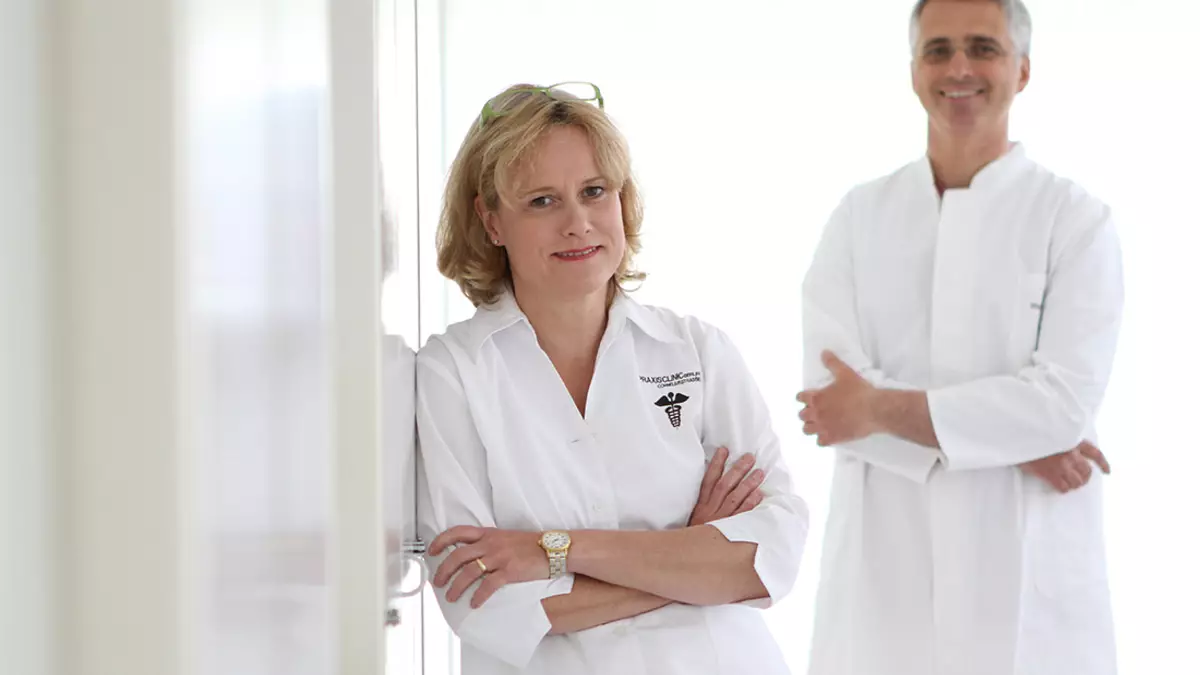
In this context, a dental practice that combines high medical standards, clear English communication, and a human, empathetic approach becomes invaluable. Zahnarzt-Praxis Berlin Steglitz (Dr. Djamchidi & A. Jannack) is a Dental Practice in Berlin Steglitz designed precisely for patients who value safety, in-depth explanation, and a holistic medical perspective. Located in a classic Altbau close to Schloßstraße in Berlin's southwest, the practice welcomes both locals and the growing international community in Steglitz and Zehlendorf.
For expats who have experienced rushed appointments, unexplained procedures, or language barriers elsewhere, this practice stands out through its combination of double approbation (medical doctor and dentist), advanced endodontics, and a clear philosophy: preserve what nature has given you whenever possible, and replace only when truly necessary.
One of the most unique aspects of this Dental Practice is the profile of Dr. Djamchidi. Unlike most dentists, he holds a double approbation: he is both a fully trained physician and ENT specialist and a licensed dentist. This combined qualification is particularly relevant in the fields of implantology and oral surgery, where the border between mouth, nose, throat, and jaw structures is not just theoretical but highly practical.
When planning dental implants, especially in the upper jaw, understanding the anatomy of the maxillary sinus floor is critical. The roots of the upper molars lie in close proximity to the sinus cavity. If a tooth has been missing for a longer period, the bone under the sinus may shrink, leaving less vertical bone height for secure implant placement. In such cases, a procedure called sinus lift is often needed: the maxillary sinus floor is gently elevated, and bone is built up to create a stable foundation for the implant.
This is exactly where an ENT specialist's experience becomes a major safety factor. As a physician and ENT doctor, Dr. Djamchidi is deeply familiar with the delicate structures of the paranasal sinuses, nasal cavity, and surrounding soft tissues. He can assess not only the dental and bony situation but also the overall health of the sinus system, ventilation, and mucosa. For patients, this means a more comprehensive risk assessment and a better-tailored surgical plan.
For example, before performing a sinus lift or placing implants in the region of the maxillary sinus floor, it is crucial to evaluate whether there is underlying chronic sinusitis, polyps, or anatomical variations such as narrow drainage pathways. An ENT-informed diagnostic view helps to minimise the risk of postoperative sinus infections, pressure problems, or persistent discomfort. Thanks to his double background, Dr. Djamchidi can interpret radiographic findings from both a dental and ENT perspective and, if needed, integrate medical pre-treatment to prepare the area optimally.
Beyond the sinuses, a physician's training plays an important role in complex cases: patients with cardiovascular disease, anticoagulant therapy, diabetes, autoimmune conditions, or allergies benefit from a practitioner who can understand their full medical history, medication plans, and potential interactions. When sedation or twilight sleep is considered, this overall internal medicine awareness adds another layer of safety and reassurance.
This medical depth is not only relevant for implantology and oral surgery but also for everyday decisions. For instance, biocompatibility of materials used in crowns, bridges, or implants is a growing concern among health-conscious patients. A physician-dentist can more easily integrate systemic aspects, tolerance of materials, and long-term implications into the choice of restorations and treatment planning. For many expats used to a strong emphasis on integrative health, this combined view feels particularly familiar and trustworthy.
While implants and surgical procedures are important, the philosophy of this Dental Practice in Berlin Steglitz is clear: preserve the natural tooth wherever realistically possible. This philosophy is embodied by Annette Jannack, whose clinical focus lies in endodontics and tooth preservation. Instead of quickly moving to extraction and prosthetic replacement, she invests time and expertise into high-quality root canal treatment as a cornerstone of modern tooth preservation.
Endodontics is the discipline that deals with the inner life of the tooth: the pulp tissue, nerves, and blood vessels within the root canals. When deep decay, repeated restorative work, cracks, or trauma allow bacteria to enter this space, inflammation or infection can develop. Untreated, this may lead to pain, swelling, and abscesses, and eventually to tooth loss. Root canal treatment aims to clean, disinfect, and seal the complex root canal system so that the tooth can continue to function without pain or infection.
Many patients are surprised by how technically demanding modern endodontics has become. High-quality treatment typically involves microscopic dentistry: using an operating microscope or strong magnification, the dentist can visualise tiny canal openings, fine accessory canals, and anatomical variations that are invisible to the naked eye. Under this magnification, instrumentation and irrigation of the canals become more precise, allowing thorough removal of inflamed tissue and biofilm.
In this practice, endodontic procedures are not rushed. Detailed diagnostics, including imaging and careful testing of tooth vitality, are used to determine whether root canal treatment is the best option. Once decided, each step is explained in understandable, everyday English or German, depending on the patient's preference. Patients often experience this as a welcome contrast to experiences where they have felt uninformed or left alone with technical jargon.
The concept "Zahnerhalt vor Zahnersatz" – tooth preservation before tooth replacement – is more than a slogan here. It guides decisions about whether a tooth should be preserved with endodontic retreatment, post and core build-up, and a high-quality crown, or whether extraction and implantology are truly indicated. By first exploring all realistic options for preservation, A. Jannack helps patients to keep their own teeth for as long as possible, which often leads to better chewing comfort, aesthetics, and long-term oral health.
When replacement does become necessary, the transition is smooth. Knowing the exact history and structural integrity of the tooth and surrounding bone allows for a well-founded decision regarding implants, bridges, or other prosthetic solutions. This consistent focus on preservation before replacement aligns closely with what many international patients expect from a modern, evidence-based dental practice.
Dental anxiety is more common than many people admit. For expats, it is often amplified by the added fear of not understanding what the dentist is saying or signing. Missing words in German, concerns about bureaucratic forms, or uncertainty about insurance coverage can all intensify the stress. Zahnarzt-Praxis Berlin Steglitz responds to this reality with an explicit anxiety-aware concept.
From the first contact, the team aims to create a calm and respectful atmosphere. Communication is friendly, unhurried, and available in clear English, making it easier for international patients to explain past traumatic experiences or specific fears. Instead of judging or minimising these concerns, the team acknowledges them and offers structured solutions.
For those with significant dental anxiety or strong gag reflex, options such as sedation or twilight sleep can be discussed. While not every procedure requires such measures, simply knowing that these options exist can already reduce anxiety. In medically complex cases, the double training of Dr. Djamchidi as physician and dentist ensures that sedation or medication decisions are approached with full attention to the patient's overall health, allergies, and current treatments.
In addition, many patients appreciate a minimally invasive approach wherever possible: conserving tooth substance, using gentle injection techniques, and planning procedures in stages so that the psychological and physical burden remains manageable. For some, complementary gentle methods such as homeopathic support or relaxation strategies during treatment can be integrated into the plan. This multimodal, patient-centred approach turns the dental chair from a place of fear into a place of gradual desensitisation and growing trust.
For patients who are still unsure or who have received different recommendations elsewhere, the practice also offers a structured second opinion service. With clear explanations in English or German, the pros and cons of various options are laid out in a way that empowers you to make an informed choice, rather than feeling pushed into a quick decision.
The practice is located in the heart of Berlin-Steglitz, close to Schloßstraße and well connected to public transport in Berlin's southwest. The area is characterised by a mix of residential streets, shops, and medical practices, making it practical for combining appointments with everyday errands. Patients from neighbouring districts such as Zehlendorf, Lichterfelde, and Friedenau often find the location convenient, with straightforward routes by bus, S-Bahn, or car.
The building itself is a typical Berlin Altbau, with high ceilings, preserved architectural details, and the characteristic charm that many people associate with historic Berlin. This does mean, however, that the practice is not barrier-free: access is via stairs, and there is no elevator. The team communicates this openly so that patients with limited mobility can plan accordingly or discuss alternative arrangements in advance.
For many, this historic setting adds to the "classic Berlin" experience. The combination of old-building atmosphere with modern equipment and up-to-date hygiene and treatment standards is part of the practice's identity. Nearby parking options and the central yet neighbourhood-like location make it relatively easy for both locals and expats to integrate regular prophylaxis appointments or longer treatment sessions into their daily lives.
Imagining your first visit can help reduce uncertainty. Typically, the journey starts with a straightforward appointment request, either by phone or via the online contact on the practice website. Because the team is accustomed to international patients, you can easily communicate in English from the outset, clarifying your concerns, insurance status, and whether you are coming for a check-up, pain, or a second opinion.
On the day of your appointment, you arrive at the historic building and walk up the stairs to the practice floor. Inside, the atmosphere is welcoming rather than clinical: calm colours, clear signage, and a team that greets you by name. New patients are asked to fill in an anamnesis form, covering general health, medications, allergies, previous dental experiences, and any specific fears or expectations. If German forms feel intimidating, staff can help you understand the key sections or provide explanations in English.
During the first consultation, the dentist takes time to talk to you before starting any examination. You are invited to describe what brought you here: recurring toothache, a broken filling, interest in implantology, discomfort with previous root canal treatment, or simply the desire to find a long-term partner for oral health in Berlin. This conversation also includes a brief screening of your general health, which is particularly important if complex procedures, sedation, or interactions with chronic conditions are foreseeable.
The clinical examination then begins: a systematic check of teeth, gums, bite, and soft tissues, often complemented by radiographic imaging if needed. If implants are being considered, special attention is paid to bone quantity and quality, sinus anatomy in the upper jaw, and the relationship to surrounding structures. Here, the "double view" of a physician and dentist is particularly valuable, blending detailed anatomical knowledge with practical surgical experience.
After the examination, the dentist shares the findings in clear, non-technical language. Instead of simply listing dental terms, they explain what each finding means for your current and future oral health. For example, a deep cavity may be described in terms of how close it is to the nerve, what options exist (filling, inlay, or root canal treatment), and what the realistic prognosis is for each path. Photos or images may be used so you can literally see what is going on.
If endodontic treatment is recommended, A. Jannack might explain how microscopic dentistry allows for more precise cleaning of the root canals, why several visits might sometimes be needed, and how this investment in tooth preservation can help you avoid extraction and prosthetic work for many years. If implantology is on the table, Dr. Djamchidi may walk you through the steps of bone assessment, potential sinus lift, implant placement, and later prosthetic restoration, highlighting safety measures that derive from his ENT and medical training.
Cost transparency is another key element of the patient journey. German insurance structures can be confusing – with distinctions between public health insurance, private insurance, and self-pay services. The practice team helps you understand what is typically covered, what may require additional investment, and how to prioritise treatments according to medical urgency and your budget. This is especially useful for expats who are still navigating the German system and may be used to very different frameworks from their home countries.
Once a treatment plan is agreed upon, appointments are scheduled in a way that respects both your calendar and the clinical requirements, such as healing periods between surgical steps. Throughout the treatment process, you remain in control: questions are welcomed, alternatives can be revisited, and adjustments are made if your circumstances change. Follow-up visits and prophylaxis sessions are actively encouraged to maintain the stability of any restorative or implant work and to catch potential problems early.
Preventive care, or prophylaxis, is treated as a central pillar rather than an optional add-on. Professional cleanings, individual oral hygiene guidance, and regular checks for early signs of gum disease contribute to long-term tooth preservation and the protection of your investment in complex treatments.
For English-speaking residents, finding a "Zahnarzt" who truly understands both the medical and personal dimensions of dental care can make the difference between avoidance and long-term oral health. Zahnarzt-Praxis Berlin Steglitz (Dr. Djamchidi & A. Jannack) brings together several elements that set it apart in Berlin's southwest: a double approbation that ensures a physician-level view on complex implantology and sinus-related procedures, a strong focus on endodontics and tooth preservation, and a consistent, anxiety-aware approach that respects the fears and cultural backgrounds of international patients.
The combination of medical depth and human warmth is further enhanced by the practice's location in a characteristic Steglitz Altbau near Schloßstraße: accessible from surrounding areas like Zehlendorf and well integrated into everyday urban life. While the lack of elevator and the presence of stairs are part of the historic architecture, many patients appreciate the authentic Berlin feel paired with modern equipment and stringent hygiene standards inside.
Whether you are seeking a second opinion on an implant plan, looking for a dentist who will genuinely try to save a compromised tooth, or simply want a reliable partner for prophylaxis and routine check-ups, this Dental Practice offers a high level of clinical competence and communication tailored to both locals and the international community.
In a city as diverse as Berlin, where healthcare systems and expectations from different countries meet, Zahnarzt-Praxis Berlin Steglitz stands out as a place where advanced oral surgery, implantology, root canal treatment, and everyday tooth preservation are carried out with the combined precision of dentistry and medicine. For many expats, this blend of technical excellence, English-speaking support, and empathetic care is exactly what they have been searching for.
Disclaimer regarding our articles: No investment advice, no buy or sell recommendation. Information on prices, companies, and markets is provided without guarantee; changes are possible at any time. Stock market transactions can lead to substantial losses. Our articles are created and reviewed in whole or in part automatically with the support of AI.