A Trusted Dental Practice in Berlin Steglitz for Expats and Locals
22.02.2026 - 07:01:08 | ad-hoc-news.de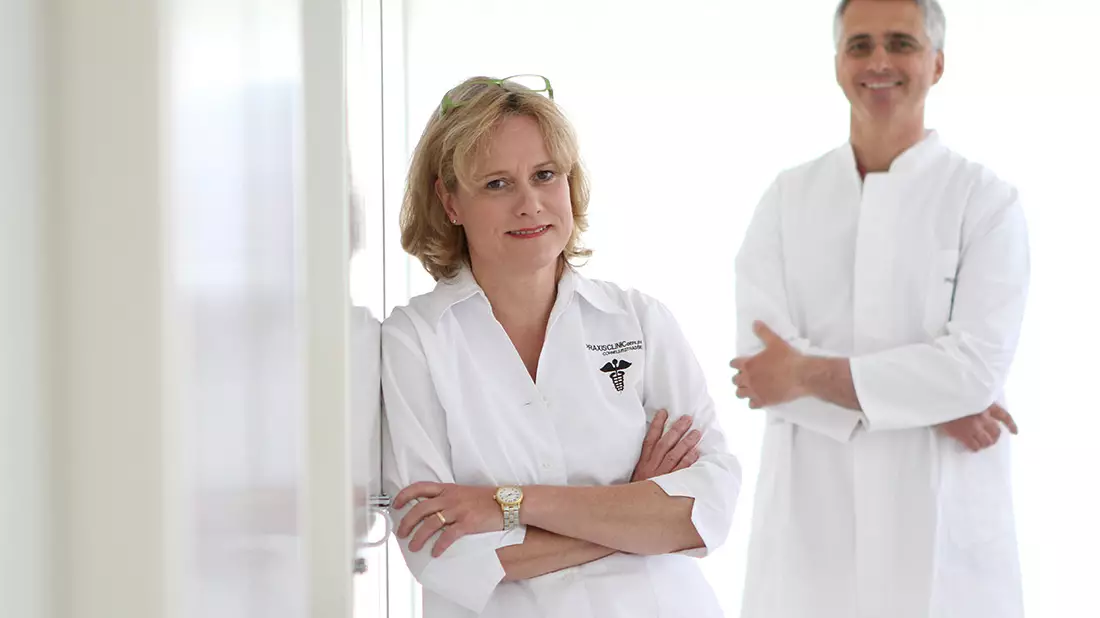
Moving to Berlin, or even just crossing town to a new district, can turn something as simple as a dental check-up into a genuine challenge. If you are an international resident, you may worry about language barriers, different medical expectations, or painful past experiences at the dentist. You might be searching the internet for a Dental Practice that feels safe, transparent, and genuinely interested in your long-term health, not only in quick fixes. In Berlin, and especially in the southwest districts around Steglitz and Zehlendorf, that search can feel endless.
For many expats, the idea of sitting in a dental chair in a foreign health-care system triggers a mix of dental anxiety and uncertainty. Will the dentist understand my questions in English? Will they explain treatment options clearly? How do I know if the quality standards match what I am used to in my home country? These are very real concerns, particularly in Germany, where the health system, insurance structures, and even the way appointments are organized can be quite different.
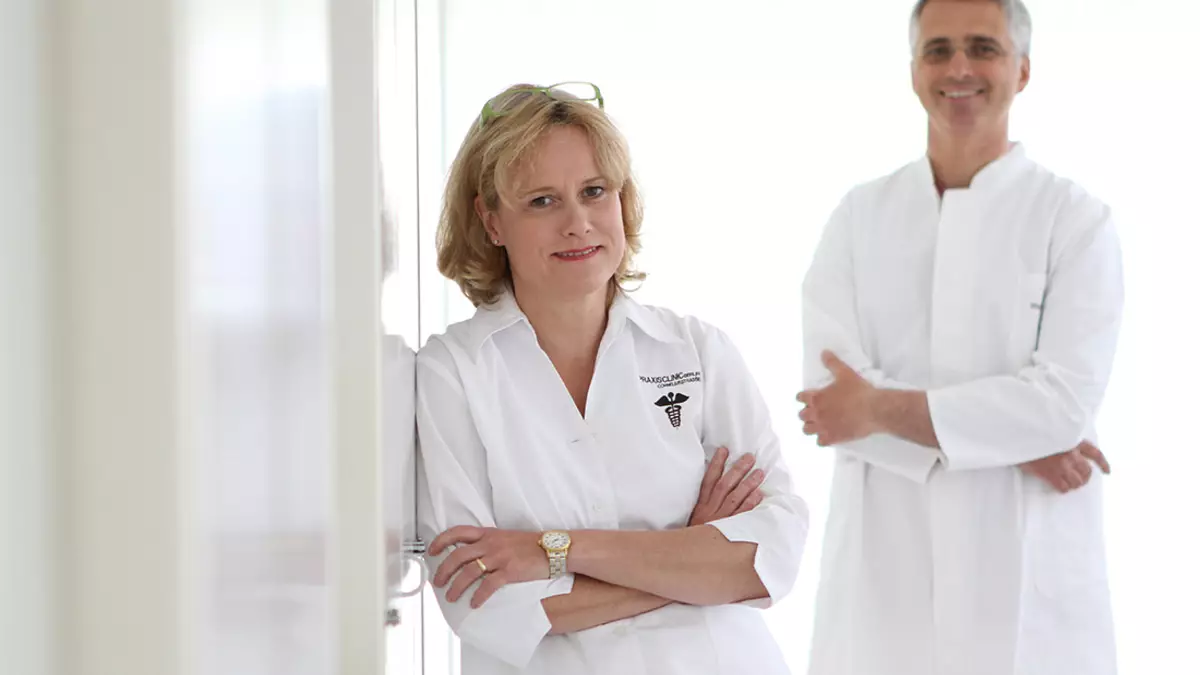
In this context, Zahnarzt-Praxis Berlin Steglitz (Dr. Djamchidi & A. Jannack) stands out as a rare combination of medical depth and personal warmth. This Dental Practice in Berlin Steglitz offers something highly unusual: the double approbation of Dr. Djamchidi as both physician and dentist, with specialization in ENT (ear, nose, and throat), combined with the advanced endodontic and aesthetic expertise of dentist Annette Jannack. Together, they create a therapeutic partnership that focuses on safety, tooth preservation, and a calm, anxiety-sensitive atmosphere for both locals and international patients.
At first glance, their practice is not a glass-and-steel high-rise. Instead, it is located in a classic Berlin Altbau in Steglitz, a short walk from Schloßstraße, one of the main shopping boulevards in Berlin Southwest. The historic staircase, the high ceilings, and the traditional layout create a very typical Berlin atmosphere. There is no elevator, and patients must be able to manage stairs to reach the practice rooms. However, once inside, you find a modern, well-equipped environment where advanced oral surgery, implantology, tooth preservation through endodontics, and individualized prophylaxis are carried out with meticulous care.
The double perspective: why a physician-dentist is a major advantage in implantology
Many patients searching for dental implants in Berlin compare prices, materials, and brands of implant systems. Yet one of the most important safety factors is often overlooked: the depth of anatomical and medical understanding behind each individual case. Here, the unique profile of Dr. Djamchidi becomes a central benefit. He is not only a dentist (Zahnarzt) but also a fully trained physician and ENT specialist. This double approbation means he has undergone comprehensive medical training in the diagnosis and treatment of conditions of the ear, nose, throat, and related anatomical structures of the head and neck.
In practical terms, this dual qualification is especially significant when it comes to implantology and oral surgery in the upper jaw. Dental implants in the posterior maxilla are located close to an important anatomical space called the maxillary sinus. The bone between the roots of the upper molars and the maxillary sinus floor is often thin, and in many patients, bone volume in this region is reduced due to tooth loss, age, or previous infections. To place implants safely and achieve long-term stability, additional procedures such as sinus lifts or bone augmentation may be required.
As an ENT specialist and dentist, Dr. Djamchidi is familiar not only with the dental side of this challenge but also with the complex function of the paranasal sinuses, nasal airflow, mucosal health, and the relationships between ENT conditions and oral health. When planning implants, this allows him to evaluate not just the jawbone, but the entire surrounding structure: the condition of the maxillary sinus floor, the presence of any chronic sinus disease, previous ENT surgeries, or structural variations such as septal deviations or altered drainage pathways.
This broader medical understanding leads to more individualized treatment concepts. Before surgery, careful diagnostics, including imaging and medical history, help identify potential risks. If a sinus lift is required, the procedure can be planned in a way that respects both the mechanical needs of implant stability and the physiological needs of the sinus. Minimally invasive techniques are preferred whenever possible to reduce trauma and support better healing.
For patients, especially those with existing ENT issues such as chronic sinusitis, allergies, or previous nasal or sinus surgery, this combined perspective offers a meaningful safety advantage. It reduces the risk of complications, improves the integration of the implant into the overall health of the upper jaw region, and ensures that possible ENT-related symptoms are considered rather than ignored. Many international patients who are used to a multidisciplinary approach in their home countries find this particularly reassuring.
Beyond implants, the physician's view also supports broader oral surgery decisions. Complex extractions, operations in proximity to important anatomical structures, and the assessment of systemic conditions (such as cardiovascular disease, diabetes, or medication affecting blood clotting) require careful risk management. As a physician, Dr. Djamchidi is trained to understand interactions between dental treatment and general health, including medication effects and potential contraindications for surgery or sedation. This can be especially comforting for patients on long-term medication or those with complicated medical histories.
Endodontics and aesthetics with Annette Jannack: preserving what nature gave you
While implants are a powerful tool for rebuilding lost teeth, the philosophy of Zahnarzt-Praxis Berlin Steglitz in many cases is clear: save the natural tooth whenever possible. This is where the expertise of Annette Jannack comes to the forefront. Her clinical focus lies on endodontics (root canal treatment) and aesthetic dentistry, combining microscopic precision with an eye for natural, harmonious smiles.
Endodontics, often simply called root canal treatment, is one of the most misunderstood branches of dentistry. Many patients associate it with pain or long sessions and assume that extraction and an implant might be easier. In reality, modern endodontics, especially when performed with magnification and careful techniques, can be a gentle and highly successful way to preserve a damaged tooth for many years.
Inside every tooth is a fine network of nerves and blood vessels known as the dental pulp. Deep decay, cracks, or trauma can inflame or infect this tissue, leading to pain, sensitivity, or swelling. If left untreated, the infection can spread beyond the tooth, causing abscesses or bone loss. The goal of root canal treatment is to remove this inflamed or infected tissue, disinfect the root canals, and seal them carefully so that bacteria cannot re-enter.
In the hands of an experienced clinician like Annette Jannack, this becomes a highly detailed procedure. Under magnification, including the options of microscopic dentistry, tiny canal structures can be located and cleaned more thoroughly. Modern instruments allow a minimally invasive approach in which as much healthy tooth substance as possible is preserved while still removing diseased tissue. Disinfection protocols are designed to reach bacteria deep in the canal system, and biocompatible filling materials are used to create a long-lasting seal.
After the root canal, the tooth is often stabilized with an inlay, onlay, or crown that restores its function and appearance. Here, Jannack's expertise in aesthetics is essential. She works with high-quality, tooth-colored materials that mimic the natural translucency and shade variations of real enamel. The result is not just a saved tooth, but one that integrates harmoniously into your smile.
This approach reflects the principle of "Zahnerhalt vor Zahnersatz" – tooth preservation before tooth replacement. Tooth preservation respects the complex biology of your natural teeth and jaw. The periodontal ligament, which connects the root to the bone, plays an important role in sensing pressure and protecting the jaw joint. Preserving these natural structures is often better for long-term oral health than immediate extraction.
For international patients, this conservative philosophy can be very reassuring. Instead of feeling rushed into expensive prosthetic solutions, you are guided through a logical, stepwise plan: first stabilization and preservation, then, only if necessary, replacement through implants or other prosthetics. Jannack takes time to explain in clear, patient-centered language what is happening inside your tooth, why a particular treatment is recommended, and what the alternatives are.
Prophylaxis and tooth preservation as a long-term strategy
While endodontics and implantology are essential when damage has already occurred, the practice also places great emphasis on prevention. Professional prophylaxis appointments combine gentle cleaning of hard-to-reach areas, removal of plaque and tartar, and individualized advice on oral hygiene techniques adapted to your specific situation. For many busy professionals and families in Steglitz, Zehlendorf, and the wider Berlin Southwest area, these sessions become an important routine.
Fluoride applications, monitoring of early caries, and the evaluation of factors such as diet, stress, or grinding (bruxism) help reduce the need for more invasive treatment in the future. The team's focus on tooth preservation extends beyond single teeth to the overall stability of your bite and jaw joints.
Anxiety-sensitive dentistry: from homeopathy to twilight sleep
Many people, especially those who have moved countries, carry previous experiences of dental anxiety with them. The unfamiliar language and different health system can amplify this fear. Zahnarzt-Praxis Berlin Steglitz acknowledges this openly and has developed an anxiety-sensitive approach that combines communication, atmosphere, and medical techniques.
From the first contact, the team strives to create a calm, respectful environment. English-speaking staff and clinicians ensure that international patients can describe symptoms, ask questions, and understand the explanation of diagnoses and treatment steps. Time is allocated for consultation, not only for technical procedures. This space is crucial for patients who need to rebuild trust in dental care.
When it comes to actual treatment, a spectrum of options is available to reduce anxiety and discomfort. For some, a detailed explanation and a slow, minimally invasive approach are enough. Local anesthesia techniques are refined to make injections as gentle as possible. For others, additional support is helpful. Homeopathic adjuncts or mild sedative strategies can be used in selected cases, aiming for a holistic balance between mind and body.
For patients with severely heightened anxiety or complex surgical needs, forms of sedation, sometimes referred to as twilight sleep, may be discussed. In twilight sleep, patients remain in a deeply relaxed, drowsy state while still maintaining essential protective reflexes. This allows oral surgery or more extensive treatments to be carried out with minimal subjective stress. The choice of method always takes into account your general health, medication, and personal preferences, and is discussed transparently.
The goal is never to push patients into more sedation than necessary, but to offer a spectrum of support that meets them where they are. This balanced concept is particularly valued by expats who may have had mixed experiences in different countries and now seek a practice in Berlin that truly listens.
Location, architecture, and accessibility: a real Berlin Altbau experience
The practice is located in Berlin-Steglitz, not far from the vibrant Schloßstraße, a central axis of Berlin Southwest known for shopping, cafés, and good public transport connections. For many residents of Steglitz and nearby Zehlendorf, the practice is easy to integrate into daily routines, whether before work, after university, or between errands.
The building itself is a classic Berlin Altbau, with characteristic high ceilings, traditional staircases, and architectural details that create a warm, historical atmosphere. This brings a unique charm that many patients appreciate as a "real Berlin" experience – very different from anonymous medical centers. However, it also comes with a clear limitation: the building is not barrier-free. There is no elevator, and access to the practice rooms is only via stairs.
The team is transparent about this and encourages patients to consider it when planning their visit. For those who can manage stairs, the experience is often positive: the historic character creates a sense of continuity and calm, while the interior of the practice offers modern equipment, digital diagnostics, and contemporary treatment methods. Parking options in the surrounding streets and good connections to buses and the S-Bahn make it feasible for many patients from across Berlin Southwest.
Your first visit: a step-by-step patient journey
For new patients, particularly those arriving from abroad, understanding what will happen during the first visit can reduce anxiety. A typical initial appointment at this Dental Practice in Berlin Steglitz is structured to combine thorough medical assessment with clear communication.
It usually begins with a detailed anamnesis, where you provide information about your oral complaints, general health, medications, allergies, and previous treatments. Here, the dual role of the practice as a medical and dental center becomes palpable. Systemic conditions such as heart disease, blood pressure problems, diabetes, thyroid disorders, or autoimmune conditions are taken seriously in planning dental interventions.
Clinical examination follows, often supported by digital X-rays or three-dimensional imaging when necessary. The dentist assesses not just the visible teeth but also the gums, jaw joints, bite pattern, and, if implants or sinus-related issues are suspected, the region of the maxillary sinus floor. At this stage, both the physician's and the dentist's perspectives help to build a complete clinical picture.
After diagnostics, the team takes time for a structured consultation. If you are experiencing acute pain, immediate measures for tooth preservation or pain relief will be prioritized, such as initiating root canal treatment or stabilizing a fractured tooth. If you are mainly seeking long-term planning, the doctor may outline several options, for example:
• Tooth preservation through endodontics versus extraction and implantology
• Minimally invasive fillings or inlays versus more extensive crowns
• Stepwise prophylaxis and monitoring for early caries or gum disease
• Aesthetic improvements in the smile line balanced with functional needs
Insurance questions, including the differences between German statutory insurance and private coverage, are explained as far as possible from the practice perspective. Although the team cannot replace a health insurance adviser, they are experienced in helping international patients understand typical German procedures, such as cost estimates and approvals.
If dental anxiety is a major factor for you, the first visit may be limited to consultation, diagnostics, and perhaps a gentle cleaning or minimal treatment to build trust. Future appointments can then be planned with sedation or other supportive strategies if needed. The goal is that you leave the first visit with a clear understanding of your oral situation, your options, and the next steps, rather than feeling rushed or overwhelmed.
Why this Steglitz practice works so well for international patients
For many expats, one of the hardest aspects of health care in Germany is the feeling of not fully understanding what is going on. Technical terms, assumptions about what patients should already know, and cultural differences in communication style can make even a routine check-up stressful. An English-speaking dentist with experience in explaining complex concepts in understandable language can make a significant difference.
In Zahnarzt-Praxis Berlin Steglitz, international patients find a combination of medical and interpersonal qualities that builds trust:
• A physician-dentist with ENT specialization who understands the broader context of implantology, sinus anatomy, and systemic health.
• An endodontics and aesthetics specialist who prioritizes tooth preservation and uses microscopic dentistry and biocompatible materials for root canal treatment and restorations.
• An anxiety-sensitive approach, with options ranging from gentle communication and minimally invasive techniques to homeopathic support and sedation or twilight sleep where medically appropriate.
• A location in the heart of Berlin Southwest, easily accessible from Steglitz, Zehlendorf, and surrounding districts, providing a blend of authentic Berlin Altbau charm and modern clinical equipment.
The team understands that international patients may need more explanation about how German practices handle second opinions, cost estimates, and documentation. You are encouraged to ask questions, request written treatment plans, or bring previous X-rays or findings from other countries. Seeking a second opinion is not only accepted but also respected as a sign that you take your health seriously.
Even small details can make a big difference: knowing that your dentist can switch to English when you are searching for the right word, or that medical forms can be explained patiently, reduces the sense of bureaucratic fear. Over time, regular prophylaxis visits, successful root canal treatments, or well-integrated implants can transform your relationship with dental care from one of fear to one of partnership.
Conclusion: a high-trust option for Steglitz, Zehlendorf, and beyond
Choosing a dental practice is always personal. For expats and long-term residents alike, the combination of clinical expertise, transparent communication, and a humane atmosphere is crucial. Zahnarzt-Praxis Berlin Steglitz (Dr. Djamchidi & A. Jannack) brings together the rare double approbation of a physician-ENT-dentist with the tooth-preserving focus of an endodontics and aesthetics specialist. Their work spans implantology, oral surgery, microscopic root canal treatment, prophylaxis, and individualized strategies for managing dental anxiety.
Set in a historic Altbau near Schloßstraße, accessible via stairs, this practice offers a distinctly Berlin environment enriched by international-friendly communication and modern medical standards. Whether you are facing complex implant planning near the maxillary sinus floor, seeking a careful root canal treatment to save a compromised tooth, or simply looking for an English-speaking Dental Practice that understands the realities of life between countries, this Steglitz-based team provides a grounded, trustworthy option.
For locals from Steglitz and Zehlendorf and for international residents from all over Berlin, the message is clear: you do not need to choose between high-level medical expertise and empathetic care. In this practice, both come together under one roof, supported by a philosophy that respects your natural teeth, your general health, and your need to feel heard and understood in every stage of your dental journey.