A Trust-Building Dental Practice in Berlin Steglitz for Expats and Locals
Published on 05/10/2026 at 07:01 | Editorial responsibility: Rafael Müller, Editor-in-Chief AD HOC NEWS
Moving to a new country often means starting from scratch with everything that once felt familiar and safe. For many international residents in Berlin, one of the most stressful parts of this transition is healthcare. You may be used to a different insurance system, different ways of giving informed consent, and, of course, you might not yet speak German fluently. When it comes to your teeth and oral health, this unfamiliarity can quickly turn into genuine dental anxiety.
Finding a trusted Dental Practice in Berlin that not only offers modern, evidence-based care, but also understands the expat perspective, is not always easy. You may ask yourself: Will they speak English? Will I fully understand my treatment options and costs? Will the dentist take time for my questions, or will I feel rushed? And how will I know that the recommended treatment is really necessary and safe?
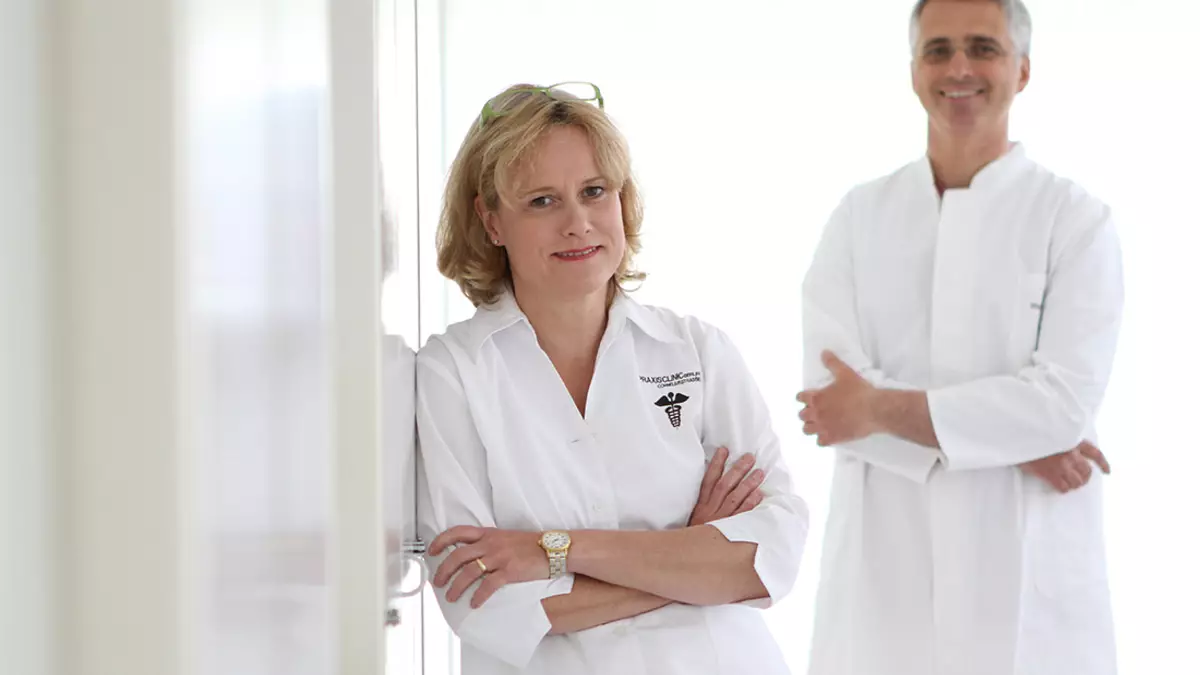
In Berlin's southwest, in the district of Steglitz close to the well-known Schloßstraße and neighboring Zehlendorf, Zahnarzt-Praxis Berlin Steglitz (Dr. Djamchidi & A. Jannack) has developed a clear answer to these concerns. The practice is shaped by two strong pillars: a double-approbated dentist and physician with ENT specialization, and a highly skilled expert in endodontics and aesthetic, tooth-preserving dentistry. Together, they create a treatment environment where expats and locals alike can feel medically safe, personally understood, and genuinely welcome.
For many international patients, the first contact with a German Zahnarzt can be intimidating. Forms are in German, insurance terms differ from those at home, and the system of statutory and private health insurance is complex. In this Dental Practice in Berlin Steglitz, the team is used to guiding patients through these questions step by step, with clear explanations in English and a strong focus on informed choice.
One of the most unique aspects of Zahnarzt-Praxis Berlin Steglitz is the professional background of Dr. Djamchidi. He is not only an experienced dentist, but also a fully qualified physician with specialization in ENT (ear, nose, and throat). This so-called double approbation (double degree MD and DDS) is rare even in large medical hubs, and it has very concrete benefits for complex dental treatments such as implantology and oral surgery.
Dental implants are more than just small titanium screws placed into the jaw. Especially in the upper jaw, implantology often takes place in anatomical regions that are very close to the maxillary sinus floor. This cavity inside the facial bones is part of your respiratory system, linked with your nose and the surrounding structures. If an implant is inserted without deep understanding of sinus anatomy, there is a risk of perforating the sinus membrane, causing chronic inflammation, sinusitis, or even long-term discomfort.
Here is where the ENT expertise of Dr. Djamchidi becomes a decisive safety factor. As a physician trained in the anatomy, physiology, and pathology of the upper respiratory tract, he not only views your teeth, but your entire facial and sinus region as one interconnected system. Before any implant is placed, he carefully evaluates bone structure, sinus position, and individual risk factors. This often includes advanced imaging and precise planning designed to preserve the health of the maxillary sinus floor and surrounding structures.
For patients who may require a sinus lift procedure to build up bone height in the upper jaw, this dual perspective is especially valuable. A sinus lift involves gently elevating the sinus membrane and adding bone material to create a stable foundation for implants. When performed by a professional who understands both the surgical dentistry component and the ENT dimension of sinus health, the procedure can be safer, more predictable, and better integrated into your overall health profile.
Many expat patients bring complex medical histories: allergies, previous surgeries, chronic sinusitis, or conditions affecting the respiratory system. Because Dr. Djamchidi is also a physician, he can assess these internal medical factors in a way that goes beyond the classic dental examination. He understands how systemic conditions, medications, and general health interact with oral surgery and implantology. This physician's view is particularly relevant when it comes to:
<b>Biocompatibility and implant materials</b>: Choosing materials that work harmoniously with your body, and considering potential sensitivities or pre-existing conditions.
<b>Sedation and twilight sleep</b>: Assessing whether sedation or "twilight sleep" is medically safe for you, taking into account your cardiovascular and respiratory health.
<b>Chronic ENT issues</b>: Integrating implant planning with any existing sinus or nasal problems, reducing the risk of postoperative complications.
This combination of oral surgery skills and ENT knowledge allows him to perform procedures such as implants, bone augmentation, and sinus lifts in a minimally invasive, tissue-conserving way. For patients, that often translates into less swelling, better healing, and fewer complications. It also means that in complex situations, a second opinion within the same practice is, in a sense, already built in: you receive both the dental and medical perspective in one consultation, in one language, in one room.
While implants and oral surgery receive much public attention, modern dentistry has a clear scientific priority: preserving natural teeth whenever reasonably possible. This philosophy of "Zahnerhalt vor Zahnersatz" (tooth preservation before replacement) lies at the heart of the work of Annette Jannack, the second key pillar of this Dental Practice in Berlin Steglitz.
Her focus is on endodontics, root canal treatment, and high-quality aesthetic restorations. Endodontics is the discipline that deals with the inner life of the tooth: the pulp, the fine nerve canals, and the surrounding bone. For many patients, "root canal" sounds frightening, often associated with pain and long sessions. In reality, modern root canal treatment can be highly predictable and, when performed under magnification and with gentle techniques, surprisingly comfortable.
When a tooth is deeply decayed, cracked, or inflamed, bacteria can reach the inner pulp chamber and cause pain, abscesses, or swelling. In the past, such teeth were often extracted. Today, thanks to microscopic dentistry and advanced endodontic techniques, many of these teeth can be saved. During a root canal treatment, the inflamed or dead pulp tissue is carefully removed, the inside of the tooth is disinfected and shaped, and the tiny canals are sealed to prevent re-infection. The tooth is then rebuilt, often with a high-quality filling or crown that restores both function and aesthetics.
In this practice, endodontics is not simply a standard procedure, but a field of special interest. Working under magnification and with modern instruments, Annette Jannack invests the necessary time and precision to clean even complex root systems. This microscopic dentistry approach is especially relevant for molars, which may have curved or additional canals that are easy to miss without proper visualization. For expat patients with a history of dental work from different countries, this level of detail is reassuring: old root canals can be evaluated, retreated where needed, and integrated into a long-term tooth preservation plan.
Tooth preservation is not just about eliminating pain; it is about maintaining the harmony of your bite, facial structure, and oral function. Every natural tooth you keep supports your jawbone, stabilizes your chewing pattern, and helps you avoid the cascade of changes that can occur after extractions. Implants and bridges are excellent solutions when teeth cannot be saved, but they should come second to well-executed preservation whenever possible.
This is exactly the treatment philosophy in the Steglitz dental practice: first, a thorough examination and diagnostics, then an honest discussion of what can realistically be preserved. When a tooth can be saved through endodontics, a high-quality root canal treatment plus an aesthetic restoration often remains the most biologically sound option. Only when preservation is clearly not in your best interest is tooth replacement considered.
Beyond root canal treatment, aesthetics also play a major role. Many patients, especially professionals and international residents, are highly aware of how their smile affects their self-confidence at work and in social situations. In this practice, aesthetic dentistry is always aligned with function. Composite fillings, inlays, onlays, and crowns are chosen and shaped to blend with your natural tooth color and anatomy. The goal is not an artificial "Hollywood" smile but a healthy, harmonious, and natural-looking result.
Dental anxiety is extremely common, and it often becomes more intense when you are living in a foreign country. Not fully understanding the language can increase the sense of helplessness. Past negative experiences in dental chairs, fear of pain, or shame about the current condition of your teeth may all play a role.
Zahnarzt-Praxis Berlin Steglitz explicitly addresses this anxiety. From the first phone call or email, the team aims to respond in clear English (or German, if you prefer), explaining appointment procedures and insurance questions in a calm and structured way. During your visit, the dentists and staff take time to ask about your fears and past experiences. Nothing is dismissed as "just nerves"; anxiety is treated as a valid clinical and human factor that deserves respect.
For patients with mild to moderate dental anxiety, a combination of empathy, gentle local anesthesia, and a step-by-step explanation of each treatment step can already make a big difference. The atmosphere in the practice is deliberately warm and personal rather than overly clinical or rushed. If you wish, more integrative measures such as homeopathic support can be discussed as complementary care, always with the understanding that such approaches supplement but do not replace evidence-based treatment.
For stronger anxiety or more invasive procedures such as oral surgery and implantology, the practice can offer sedation or so-called twilight sleep options, where medically appropriate. Under twilight sleep, you remain responsive but deeply relaxed, with little memory of the treatment afterwards. Because of the physician training of Dr. Djamchidi, the indications and risks of sedation can be evaluated with a full view of your general health status. This is a crucial safety aspect, especially for expat patients who may have complex medical backgrounds or medications prescribed in other countries.
An important part of reducing anxiety is also transparency about alternatives. The dentists welcome questions and are open to providing a second opinion. If you already received a treatment plan elsewhere, they will help you understand the proposed measures, explain minimally invasive options, and discuss which steps are truly necessary. This second opinion culture is especially helpful if you are new to the German system and want reassurance before committing to larger treatments.
The setting of a healthcare provider shapes how we feel as soon as we arrive. Zahnarzt-Praxis Berlin Steglitz is located in a classic Berlin Altbau, a historic building that carries the typical charm of older architecture in Steglitz. High ceilings, characterful facades, and the sense of solid, long-standing structures are part of the local atmosphere.
However, this authentic Berlin experience also comes with a practical consequence: the building is not barrier-free. There is no elevator, and patients reach the practice via stairs. For most people, this is manageable and simply part of the feeling of being in a classic Berlin residential and practice building. For some, especially those with significant mobility issues, it may be a limiting factor that needs to be considered in advance.
The team is transparent and honest about this: there is no attempt to hide the lack of an elevator. Instead, they encourage patients to mention any mobility concerns when booking an appointment, so that potential support measures or alternative solutions can be discussed.
On the positive side, the location is well connected and easy to integrate into daily life. Steglitz, in Berlin's southwest, sits between central districts and the green residential areas of Zehlendorf. The practice is within reach of Schloßstraße, one of the main shopping streets of Berlin Southwest, known for its mix of malls, boutiques, and cafes. For many patients, this means that a dental appointment can be combined with errands, shopping, or a relaxed walk.
Public transport connections are convenient, and for those who prefer to come by car, there are parking options in the surrounding streets and near the commercial areas of Steglitz. For expats living in Zehlendorf, Lichterfelde, or other southern districts, the practice is easy to reach without having to cross the entire city.
To understand whether a dental practice is right for you, it helps to imagine the entire patient journey from first contact to follow-up. At Zahnarzt-Praxis Berlin Steglitz, this journey is designed to combine structured medical workflows with a personal, patient-centered touch.
<strong>1. Initial contact and appointment</strong>
You may discover the practice through personal recommendations, online research, or because you are specifically looking for an English-speaking dentist in the Steglitz or Zehlendorf area. When you call or write an email, you can indicate that you prefer communication in English. The team will help you find a suitable appointment and clarify, if necessary, whether you are insured under German statutory health insurance, private insurance, or an international plan.
They may ask you to bring relevant medical documents: medication lists, previous x-rays, or reports from dentists abroad. If you are anxious, you can already mention this, so that the team can allow extra time and prepare psychologically supportive conditions.
<strong>2. Arrival and anamnesis</strong>
On the day of your appointment, you enter the Altbau building and walk up the stairs to the practice. Inside, you will be greeted by staff who are used to international patients and who can guide you through the basic forms. The anamnesis form (medical history) is crucial because of the medically oriented approach of the practice. You will be asked not only about dental complaints, but also about chronic conditions, medications, allergies, and any ENT or respiratory issues.
The goal is to create a full picture of your health so that treatments can be adapted accordingly. This is where the double approbation of Dr. Djamchidi and the systemic view of the team come into play: your health is not segmented into isolated parts; it is seen as an integrated whole.
<strong>3. Clinical examination and diagnostics</strong>
Once in the treatment room, the dentist will first spend time talking with you. You will be invited to explain your main concerns: pain, aesthetic questions, fear of future problems, or confusion about previous treatment recommendations. You are encouraged to express everything that worries you, including fears, financial concerns, or experiences from your home country.
Then, a thorough clinical examination follows, often combined with digital x-rays or other imaging if necessary. The dentists pay attention not just to obvious cavities or broken fillings, but also to the state of your gums, bone levels, bite alignment, and the condition of previous root canals or crowns. In implantology cases, particular focus lies on jawbone quality and the proximity to the maxillary sinus floor.
<strong>4. Explanation of findings and treatment planning</strong>
After diagnostics, the dentist will sit down with you and explain the findings in understandable English. Images and x-rays are shown on a screen so that you can visually follow what is being discussed. This phase is crucial for building trust: instead of simply presenting a "plan", the dentist shares a problem-solving strategy with you.
For example, if a tooth is deeply decayed but still salvageable, the dentist may recommend endodontic treatment combined with an aesthetic crown. You will learn why this approach supports tooth preservation and what the long-term prognosis is. If an implant is being considered, you will hear not only about the implant itself, but also about bone conditions, sinus anatomy, and alternative options.
You can ask about minimally invasive techniques, possible use of sedation or twilight sleep, and how many sessions will be required. Cost transparency is also part of this conversation. If you wish to obtain a second opinion or compare the plan with recommendations from your home country, the practice respects this and can provide written documentation for you.
<strong>5. Prophylaxis and basic stabilization</strong>
Before complex treatments, the practice often focuses on prophylaxis and basic stabilization. Professional cleaning, gum therapy where needed, and optimization of your daily oral hygiene routine are essential steps. This preventive approach supports long-term tooth preservation and reduces the risk of inflammation around implants or restorations later on.
Especially for expats who may have experienced different standards of prophylaxis in other countries, this can be an eye-opening phase. You learn which toothbrushes, interdental tools, and techniques are recommended in Germany, and how to adapt them to your personal situation.
<strong>6. Treatment sessions: from endodontics to oral surgery</strong>
Depending on your individual plan, treatment sessions can range from relatively simple fillings to complex root canal procedures with microscopic dentistry, or oral surgery for implants. Throughout all of this, pain control and your subjective comfort remain central. Local anesthesia is used generously and precisely. If sedation or twilight sleep is agreed upon and medically indicated, it is performed with careful monitoring.
In endodontics, you may experience how meticulous, quiet work under magnification can gradually transform a painful tooth into a stable, symptom-free pillar of your bite. In implantology or sinus-related procedures, you benefit from the physician-ENT perspective that seeks to protect not only the jawbone but also the health of the surrounding structures.
<strong>7. Aftercare, follow-up, and long-term planning</strong>
After treatment, you receive clear instructions for aftercare, again in English if you prefer: what to eat, which pain medication is appropriate, how to care for the treated area, and when to return for control. In implant cases, staged follow-up is essential to monitor integration and gum health. In endodontics and restorative work, periodic checks ensure that the tooth and surrounding tissues remain healthy.
Beyond the immediate horizon, the practice helps you think in terms of a long-term oral health plan. Which teeth are currently stable? Where do we need to watch for changes? Which future measures might be needed, and how can they be budgeted and timed in a realistic way? This long view is particularly appreciated by international patients who may not know how long they will stay in Berlin. Knowing that your treatment is strategically planned, rather than reactive, creates a sense of security and continuity.
When you step back and consider all of these elements together, the strengths of Zahnarzt-Praxis Berlin Steglitz become clear. This is not just a place to receive quick fixes or emergency care. It is a medically grounded Dental Practice in Berlin Steglitz that combines the depth of a physician's training, the precision of a specialist in endodontics, and the personal empathy needed to support anxious or uncertain patients.
The rare double approbation of Dr. Djamchidi ensures that complex implantology and oral surgery, especially in the delicate region near the maxillary sinus floor, are planned and performed with an integrated ENT and dental perspective. This increases safety, supports minimally invasive techniques, and offers genuine reassurance, particularly for patients with complex medical backgrounds.
At the same time, the work of Annette Jannack underlines a clear commitment to tooth preservation before replacement. Through advanced endodontics, microscopic dentistry, and high-quality aesthetic restorations, many teeth that would once have been extracted can now be saved and functionally reintegrated. This focus on preserving your natural dentition is not only biologically sensible; it also respects your identity and comfort.
Layered onto this medical and technical foundation is a practice culture that actively addresses dental anxiety, cultural differences, and language barriers. As an English-speaking dentist team in Berlin, they understand the concerns of expats navigating German bureaucracy and healthcare norms for the first time. Transparency, clear explanations, and openness to a second opinion are not extras, but integral parts of the way care is delivered.
The location in Steglitz, in a characterful Altbau near Schloßstraße and within reach of Zehlendorf and other southwest districts, offers a blend of authentic Berlin architecture and practical accessibility. While the lack of an elevator and the presence of stairs are important practical considerations, they are also part of the traditional Berlin building culture that many international residents come to appreciate.
Ultimately, whether you are a long-term local, a student from abroad, a professional on a posting, or a family newly relocated to Berlin, this practice offers a rare combination: deep medical competence, modern dental technology, and a genuinely human approach. If you are searching for a Zahnarzt in Berlin who can navigate both your clinical needs and your personal context as an international patient, Zahnarzt-Praxis Berlin Steglitz (Dr. Djamchidi & A. Jannack) stands out as a compelling choice for tooth preservation, implantology, prophylaxis, and comprehensive oral health.
Disclaimer regarding our articles: No investment advice, no buy or sell recommendation. Information on prices, companies, and markets is provided without guarantee; changes are possible at any time. Stock market transactions can lead to substantial losses. Our articles are created and reviewed in whole or in part automatically with the support of AI.