A Holistic Dental Practice in Berlin Steglitz for Confident, Healthy Smiles
07.04.2026 - 07:01:02 | ad-hoc-news.de
Arriving in a new country is exciting, but it also means rebuilding your entire healthcare network from scratch. For many international residents in Berlin, one of the most stressful searches is for a high-quality, trustworthy dental practice. The stakes feel especially high when you are dealing with dental anxiety, a history of complicated treatments, or the fear of not being fully understood in a different language and healthcare system.
In the southwest of Berlin, in the district of Steglitz near well-known areas like Schloßstraße and Zehlendorf, Zahnarzt-Praxis Berlin Steglitz (Dr. Djamchidi & A. Jannack) offers a particularly reassuring answer to these worries. This is not just another dental practice. It is a place where medical and dental expertise merge, where tooth preservation takes priority over quick replacements, and where expats as well as locals can feel genuinely heard and safe.
Many newcomers to Berlin are surprised by how different the German healthcare landscape feels. Making an appointment by phone in German, understanding health insurance rules, and navigating a system where doctors may seem more direct than in other countries can all be intimidating. At the same time, you want a dental practice where you are treated as a person, not just a set of teeth. You want clear explanations, gentle treatment, and someone who understands both your medical and personal background.
This is exactly the gap that Zahnarzt-Praxis Berlin Steglitz aims to close: a Dental Practice in Berlin Steglitz that combines specialist-level medical knowledge with a calm, empathetic approach, and where English-speaking patients can communicate confidently about even complex treatments.
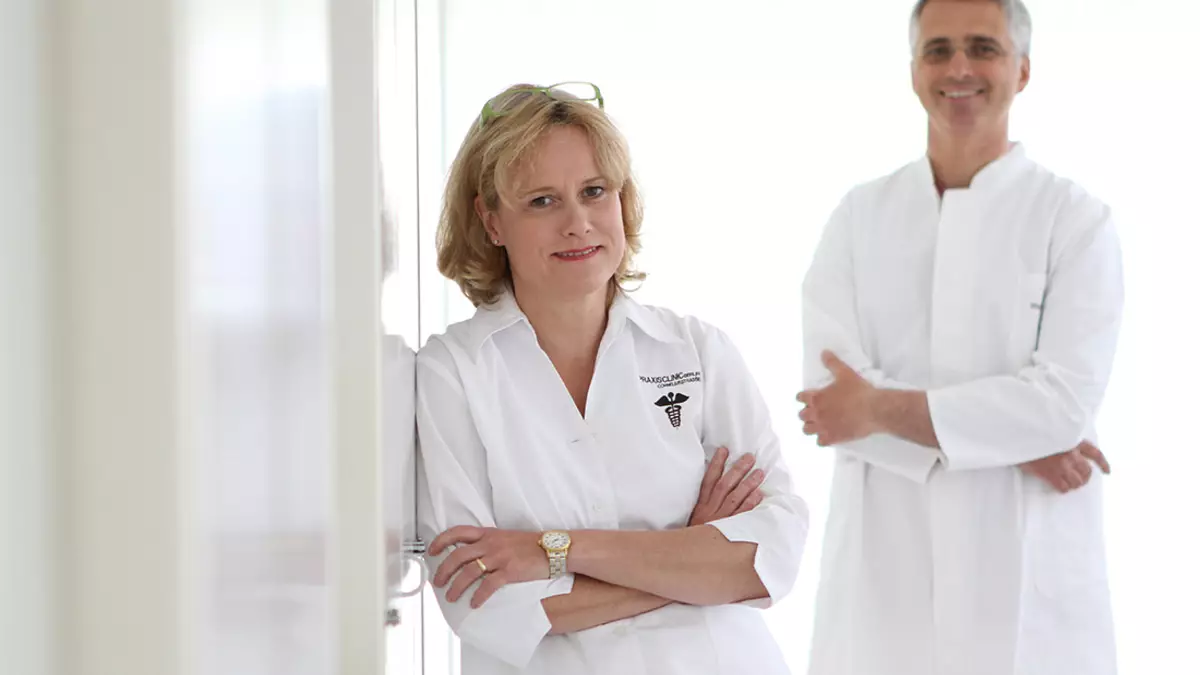
At the heart of this Zahnarzt-Praxis are two practitioners with complementary strengths. On one side is Dr. Djamchidi, who holds a rare double approbation: he is both a fully qualified physician (with specialization in ENT – Ear, Nose, and Throat) and a dentist. On the other side is dentist Annette Jannack, whose work is focused on Endodontics and microscopic dentistry, with a deep commitment to tooth preservation and minimally invasive treatment.
This combination of profiles allows the team to deliver a level of integrated care that goes far beyond standard oral surgery or routine check-ups. For patients who are considering implants, worried about the health of their sinus region, or facing difficult decisions about whether to save or remove a tooth, this dual expertise can make a decisive difference.
Implantology always touches more than just the tooth gap. The upper jaw in particular is closely connected to the maxillary sinus, part of the delicate anatomy of the facial region. For patients, terms like “sinus lift” or “bone augmentation” can sound frightening. What happens if an implant extends into the sinus? How safe is the procedure? How do you know that your personal anatomy has been thoroughly evaluated?
This is precisely where the double degree of Dr. Djamchidi becomes a unique advantage. As an ENT specialist and dentist, he understands both the function of the maxillary sinus floor and the long-term biomechanics of implants. Before any implantology procedure, he approaches the case from both perspectives: the physician’s view of the nasal and sinus system and the dentist’s understanding of chewing forces, bone structure, and prosthetic planning.
In practical terms, this means that if you are missing teeth in the upper jaw, the planning process for implants does not focus only on bone volume. It includes an assessment of the ventilation and health of your sinus, possible past infections, anatomical variations, and the risk profile of a sinus lift if needed. Instead of seeing the mouth in isolation, your overall anatomy guides the treatment plan.
For example, a patient with chronic sinusitis and missing molars may not be an ideal candidate for a straightforward sinus lift without first evaluating and optimizing sinus health. Because of his ENT background, Dr. Djamchidi can interpret radiologic images of the sinuses, understand the pattern of previous infections, and coordinate or integrate medical management where necessary. This reduces complications and increases the safety margin around the implant site.
From a lay perspective, one might say: the implants are not just placed where there is enough bone; they are placed where they fit well into your entire facial system. The maxillary sinus floor is treated with respect, not as an obstacle. By understanding both respiratory and dental function, the practice can design implant solutions that support good long-term health rather than simply closing a gap.
Another benefit of the dual qualification is the ability to recognize when oral symptoms have deeper medical causes. Ear and jaw pain can overlap; sinus pressure can be misinterpreted as toothache and vice versa. With experience in ENT and oral surgery, the practice can more reliably differentiate between dental problems and ENT-related issues, helping you avoid unnecessary treatments and guiding you to the right form of therapy.
In Implantology, this holistic medical-dental synergy is especially important in older patients or those with complex medical histories. Medications, bone metabolism, previous surgeries, allergies, and systemic diseases all influence implant healing and the risk of complications. As a physician, Dr. Djamchidi is trained to evaluate these risk factors thoroughly, interpret them in the context of surgery, and adapt the treatment concept accordingly. For expats who may have had different styles of care in their home countries, this extensive pre-operative thought process can be particularly reassuring.
Patients often ask: Is the implant material safe for me? How does my sinus respond? What happens if my bone is too thin? In this Dental Practice, such questions are not brushed aside but addressed directly with careful explanations about biocompatibility, surgical access, and healing phases. The goal is not only to provide a technically correct implant but to integrate it into your broader health situation in a way that you understand and feel comfortable with.
While implantology often captures the spotlight, the philosophy of Zahnarzt-Praxis Berlin Steglitz is strongly rooted in preservation: saving natural teeth for as long as is medically reasonable. This is where the expertise of dentist Annette Jannack becomes central. Her focus lies in Endodontics and microscopic dentistry—fields that directly address the deepest structures of a tooth.
Endodontics deals with the interior of the tooth: the root canal system where the dental nerve and blood vessels once lived. When bacteria penetrate this area—through deep caries, cracks, or trauma—the tooth can become painfully inflamed or silently infected. Root canal treatment is the method by which this inner system is cleaned, disinfected, and sealed so the tooth can continue to function in the mouth.
Many people associate root canal treatment with discomfort, but modern Endodontics, when performed carefully and often under magnification, is both precise and surprisingly gentle. In this Dental Practice, the philosophy is “Zahnerhalt vor Zahnersatz”—tooth preservation before tooth replacement. Instead of recommending an extraction and implant at the first sign of trouble, the team looks closely at whether the tooth can be saved through advanced root canal therapy.
With the help of microscopic dentistry, details that would be invisible to the naked eye become clear. Extra root canals, hidden curvature, fine cracks, or old, leaking fillings can be identified and addressed. This increases the success rate of root canal treatments and re-treatments significantly. For patients, this means more realistic chances to keep their natural tooth—even in complicated cases that might have been written off elsewhere.
Tooth preservation has not only emotional value (many people feel strongly about keeping their natural teeth); it has functional and economic value as well. A preserved tooth maintains natural chewing dynamics, preserves bone volume in the jaw, and avoids or delays the need for more extensive prosthetics or implants. Especially in younger patients or those with multiple affected teeth, a strong Endodontics concept helps to stabilize oral health for the long term.
Of course, a realistic, medically honest assessment is crucial. Not every tooth can or should be saved at any price. Severe fractures, extensive bone loss, or inaccessible root canals may change the plan. However, the presence of a practitioner dedicated to Endodontics ensures that extraction is never the default option just for convenience. A careful risk-benefit analysis is made, and patients are guided through their options step by step, including when a second opinion might be wise.
For international patients, it can be especially important to see this thought process spelled out clearly in English. Instead of simply hearing “root canal” or “implant”, you receive a structured explanation: why saving the tooth is or is not recommended, how the procedure will work, what instruments and disinfecting protocols are used, and how follow-up will be handled. This slows down the decision process in a healthy way, allowing you to choose a path that fits your personal values and medical needs.
Many adults carry a lifetime of dental anxiety. Childhood memories of painful treatments, clinical smells, or brusque communication can stay with us. Arriving in a foreign city such as Berlin and needing urgent oral surgery or a root canal can trigger those fears all over again—amplified by language barriers and the unfamiliarity of the German healthcare environment.
The team at Zahnarzt-Praxis Berlin Steglitz understands that dental anxiety is not a minor issue but a central factor in whether patients seek help at all. Their approach is built on three pillars: time, transparency, and tailored support. Appointments—especially first visits—are structured to allow sufficient time for conversation. Before any procedure, you receive a clear explanation of what will happen, why it is necessary, and what sensations you may feel. This transparency alone reduces anxiety significantly, because the unknown is often more frightening than the procedure itself.
For those with pronounced fear, the practice offers additional strategies. These can range from very gentle, step-by-step desensitization and relaxation-focused visits to options such as medical sedation or so-called twilight sleep. In twilight sleep, you remain responsive but are in a deeply relaxed, amnesic state, making invasive treatments subjectively much more tolerable. The fact that a physician with ENT and general medical training is present adds an extra layer of safety to any form of sedation.
Some patients are also interested in complementary methods, such as the careful use of homeopathy or calming natural remedies alongside conventional treatments. While such methods are never a substitute for proper dentistry, they can be integrated respectfully as supportive elements if desired. The emphasis is on a personalized concept: what do you need—physically and emotionally—to get through treatment as stress-free as possible?
Central to this anxiety-reducing approach is also the willingness to provide a second opinion. If you have been recommended complicated oral surgery or implants elsewhere, you can bring your documents and x-rays to this practice to receive an independent assessment. For many people, simply hearing a careful, clearly explained second opinion from an English-speaking dentist reduces their sense of helplessness and restores a feeling of control.
Beyond acute treatment, preventive care (Prophylaxis) is strongly emphasized. Regular professional cleanings, early detection of small caries, and monitoring of gum health help avoid major interventions later—something that is particularly appealing to anxious patients who prefer to prevent problems rather than react to them.
Steglitz, located in Berlin’s southwest, offers a pleasant mix of residential calm and urban infrastructure. Within walking distance of Schloßstraße—with its shops, cafés, and public transport connections—you find Zahnarzt-Praxis Berlin Steglitz housed in a classic Berlin Altbau building. For many, this architectural style is part of the city’s unmistakable charm: high ceilings, solid staircases, and the feel of historical substance all around.
However, honesty about accessibility is crucial. As is typical for many historic Altbau properties in Berlin, the building does not have an elevator. Access to the practice involves climbing stairs. For most patients this is manageable and part of the “classic Berlin experience”, but for individuals with significant mobility limitations, this can pose a real challenge. The practice team communicates this transparently so you can plan ahead and decide whether this location fits your needs.
On the positive side, the area is very well connected. Patients coming from other parts of Berlin or from neighboring districts like Zehlendorf or Lankwitz appreciate the relatively easy access by car and the availability of parking options in the surrounding streets. Public transport connections within Berlin Southwest are strong, making it feasible to reach the practice even if you live further away.
Inside the practice, the atmosphere is deliberately designed to contrast with the sometimes anonymous feel of large clinics. The reception area is welcoming, staff speak German and English, and appointment organization is structured but not rushed. This blend of classic Berlin architecture and modern medical technology creates a distinct sense of place—rooted in the city’s history, yet oriented toward contemporary standards of care.
For expats, navigating a first dental visit in Germany can feel unfamiliar. What documents do you need? How detailed will the anamnesis (medical history) be? What happens during a consultation? In Zahnarzt-Praxis Berlin Steglitz, the patient journey is designed to be transparent from start to finish.
The process usually begins with your contact—by phone or online—to request an appointment. If you are more comfortable in English, you can say so right away. When you arrive for your first visit, you complete a detailed medical questionnaire. This anamnesis form covers not only dental history but also general health: medications, systemic diseases, allergies, surgeries, and any ENT-related issues such as sinus problems, snoring, or chronic infections. This is where the combined medical perspective already begins to matter.
During the first consultation, you meet your dentist—often with sufficient time reserved to discuss your concerns in detail. You can explain previous experiences, fears, and expectations. If you bring previous x-rays or documentation from other countries, these are reviewed and incorporated. The dentist then conducts a thorough clinical examination: checking your teeth, gums, bite, existing fillings and crowns, and any signs of wear from grinding or clenching.
In many cases, digital x-rays or 3D imaging will be recommended to obtain a precise picture of the jawbone, roots, and sinus region. This is particularly important for Implantology and Endodontics. Advanced imaging helps in planning root canal treatments down to each root canal and in assessing the maxillary sinus floor prior to implant placement or sinus lift procedures.
After the examination and imaging, you receive a structured explanation of the findings. This is a key moment for building trust. Instead of simply hearing a list of problems, you are shown where inflammation is present, where bone might be missing, or where existing restorations are failing. The dentist outlines several options, always starting with tooth preservation when feasible, before moving to prosthetic or surgical alternatives.
If root canal treatment is indicated, the steps are described: how the tooth will be isolated, how the root canals will be cleaned and shaped, what disinfecting agents are used, and how the canals will be sealed. If an implant is being considered, the conversation covers bone structure, sinus anatomy, implant material, and any need for bone augmentation. Questions about biocompatibility, healing times, and long-term prognosis are welcomed, not rushed.
Once a treatment plan is agreed upon, appointments are scheduled in a way that matches your life situation. For expats with busy work schedules or frequent travel, the team tries to coordinate visits efficiently while not compromising on medical thoroughness. During each treatment session, the dentist and assistants explain what is happening step by step and check in with you regularly about your comfort level. Options for local anesthesia, sedation, or twilight sleep are discussed ahead of time so there are no surprises.
After each intervention—whether it is an oral surgery procedure, a complex root canal, or a finer aesthetic reconstruction—you receive clear aftercare instructions in understandable language. Follow-up visits are planned to monitor healing, adjust bite if necessary, and perform Prophylaxis measures to stabilize the results. This cyclical process—from anamnesis to follow-up—forms a coherent patient journey instead of isolated single visits.
For expats, an important aspect is also the administrative side: billing, interaction with German health insurance (whether statutory or private), and providing documentation in a way that can be used for reimbursement with international insurers if needed. While each case is individual, the practice staff are familiar with the needs of international residents and can help you navigate this bureaucratic layer with more confidence.
The goal of every visit is that you leave not only with a treated tooth or a placed implant, but with a deeper understanding of your oral health and a feeling of being actively involved in your own care.
When you consider how central oral health is for overall wellbeing—chewing, speaking, self-confidence—it becomes clear that choosing the right Zahnarzt (dentist) is an important decision, especially if you plan to stay in Berlin for several years or longer. Zahnarzt-Praxis Berlin Steglitz stands out in several key areas that matter to both long-term residents and newcomers.
First, the double approbation of Dr. Djamchidi brings a unique advantage in Implantology and oral surgery. You are not just receiving an implant; you are being evaluated by a practitioner who fully understands both dental mechanics and the complex ENT structures of the facial region. This enhances safety in procedures like sinus lifts, reduces the risk of complications near the maxillary sinus floor, and results in treatment plans that integrate your entire anatomy, not just isolated x-ray findings.
Second, the presence of a dedicated preservationist like Annette Jannack, with a focus on Endodontics and microscopic dentistry, ensures that tooth preservation (Zahnerhalt vor Zahnersatz) remains the guiding principle whenever medically sensible. Root canal treatment is not seen as a last resort but as a sophisticated, evidence-based discipline that can often save teeth once destined for extraction. For patients who value their natural teeth and wish to avoid extensive prosthetics, this expertise is invaluable.
Third, the practice has developed a clearly anxiety-aware environment. From gentle communication and extra time for anxious patients to advanced options like sedation and twilight sleep, everything is geared toward lowering psychological barriers. For those who delayed visits for years due to fear, this can be the decisive factor to finally seek help. Having an English-speaking dentist and team further reduces stress, as you can ask nuanced questions and express your worries without fighting for words.
Fourth, the location in Berlin’s southwest—close to Schloßstraße and accessible from areas like Zehlendorf and Lichterfelde—offers a practical balance of centrality and calm. The Altbau staircase, though not barrier-free, situates the Dental Practice in the authentic architectural fabric of Steglitz, while the interior space and equipment meet modern standards. Transparent communication about the stairs allows patients with mobility needs to make informed choices.
Finally, the overall treatment philosophy is both modern and human. Preventive measures like Prophylaxis are integrated into long-term planning; oral surgery is performed with a minimally invasive mindset; materials and procedures are chosen with biocompatibility and longevity in view. At the same time, the team does not lose sight of the person behind the teeth. Whether you come from Berlin, another part of Germany, or from abroad, you are invited into a conversation, not just a procedure.
For expats who have hesitated to commit to a local Zahnarzt because of language, trust, or fear of complex treatments, Zahnarzt-Praxis Berlin Steglitz offers a compelling combination of scientific depth and genuine care. It is a Dental Practice in Berlin Steglitz where you can bring your questions, medical history, and cultural background—and find a team ready to meet you at eye level, in English or German.
If you are looking for a practice where Implantology, Endodontics, oral surgery, and tooth preservation come together under one roof, and where both medical safety and personal comfort are taken seriously, this clinic in Steglitz may well become your long-term partner for oral health in Berlin.