A Dental Practice in Berlin Steglitz Where Medicine and Dentistry Meet
25.05.2026 - 07:01:38 | ad-hoc-news.de
Moving to a new country changes more than your address. It also changes how you feel about something as basic, and as intimate, as going to the dentist. Many international residents in Berlin discover that finding a trustworthy dental practice is not as easy as typing a few words into a search engine. There are questions that go far beyond price or location: Will the dentist really listen to me? Will they explain treatments in English, not just in technical German? Will they understand that my last dental experience was painful, rushed, or simply frightening?
In Germany, the healthcare system is highly structured, and the distinction between statutory and private insurance, between Hausarzt and specialist, can feel confusing. On top of that, dentistry has its own terminology and standards. The German word for dental practice is "Zahnarzt-Praxis", and for many expats it quickly becomes one of the most important search terms they type. Yet a search result alone cannot answer the deeper question: who can I trust with my health, my appearance, and my peace of mind?
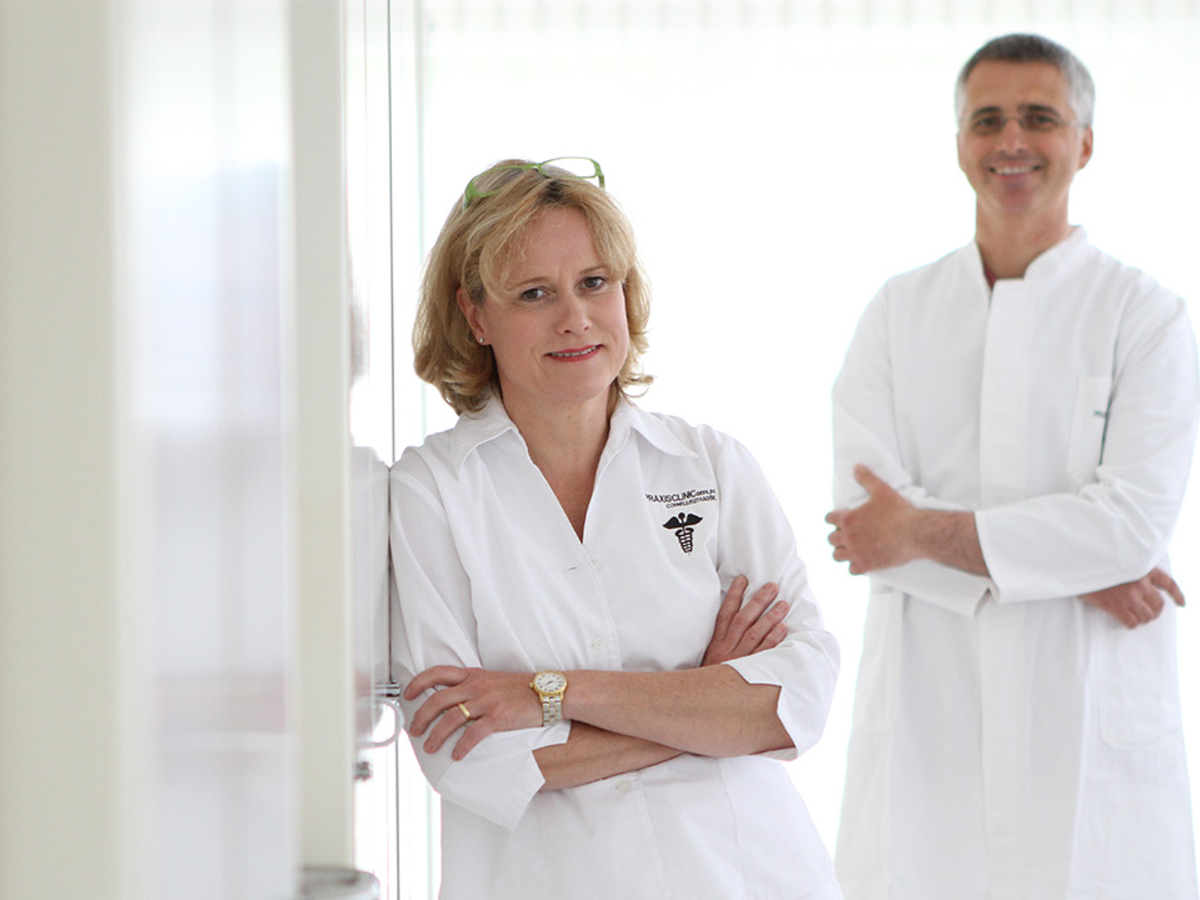
In Berlin’s southwest, in the classic district of Steglitz close to Schloßstraße and neighboring Zehlendorf, Zahnarzt-Praxis Berlin Steglitz (Dr. Djamchidi & A. Jannack) positions itself exactly at this intersection of medical competence, human warmth, and international openness. Here, the focus is not only on teeth, but on you as a whole person—your medical history, your fears, your aesthetic wishes, and your everyday life.
Many patients who arrive for the first time describe a long journey of dental anxiety and uncertainty. Some avoided Oral Surgery or Implantology procedures back home because they lacked confidence in the information they received. Others postponed necessary Root Canal Treatment due to fear of pain or of losing the tooth altogether. At this Dental Practice in Berlin Steglitz, those fears are taken seriously and addressed step by step, with clear explanations and time for questions in both German and English.
For expats, the language barrier is more than a matter of vocabulary. It is a barrier of trust. Medical decisions, especially around Implantology, Tooth Preservation, or aesthetic treatments, cannot be made comfortably if you are not fully sure what is being done and why. An English-speaking dentist who takes the time to break down complex procedures into understandable images and analogies can make an enormous difference. This is exactly where the team around Dr. Djamchidi and dentist Annette Jannack has developed its profile.
One of the most distinctive features of this Zahnarzt-Praxis is the professional background of Dr. Djamchidi. He does not only hold a dental degree. He also holds a full medical degree and specialist training in ENT (ear, nose, and throat medicine). In German this is referred to as a "double Approbation": he is a licensed physician and a licensed dentist, with dual training and clinical experience in both fields.
Why does this matter for dental patients, particularly those contemplating Implantology or more advanced Oral Surgery? Because your mouth is not an isolated system. It is physically connected to your respiratory tract, your sinuses, your jaw joints, and your general health. When planning a dental implant in the upper jaw, the critical area is often the Maxillary Sinus Floor. This is the air-filled cavity above your back upper teeth. The distance between the bone where an implant should be placed and this sinus cavity can be small, especially after years of tooth loss and bone resorption.
In many cases, safe implant placement in this region requires a Sinus Lift or sinus floor elevation. This procedure gently creates more vertical bone height by lifting the membrane of the maxillary sinus and filling the space with bone material. Although commonly performed in modern Implantology, it is a procedure that demands precise knowledge of sinus anatomy, variation, and pathology. Here, the combination of ENT training and dental specialization is particularly valuable.
As an ENT specialist, Dr. Djamchidi is deeply familiar with conditions such as chronic sinusitis, nasal septal deviations, allergies, and other factors that affect the ventilation and overall health of the paranasal sinuses. As a dentist and oral implantologist, he applies this expertise when evaluating whether a Sinus Lift is advisable, how to design it minimally invasively, and how to reduce the risk of complications. This "double view" allows a more holistic risk assessment: the focus is not only on the implant itself, but also on the long-term health of the entire sinus region and its interaction with breathing and general well-being.
From a patient perspective, this medical depth translates into concrete safety benefits. Before any Oral Surgery, such as extraction, bone augmentation, or Implantology, the anatomical and medical situation is carefully studied. Imaging, clinical examination, and a detailed anamnesis (medical history) are evaluated both from a dental and from a medical ENT standpoint. Relevant systemic conditions—such as diabetes, anticoagulant medication, autoimmune diseases, or chronic respiratory issues—are taken into account. This is especially reassuring for patients who have complex medical histories or who are on multiple medications.
The biocompatibility of materials is another important topic. Implants, prosthetic components, and filling materials must not only be mechanically stable; they should also integrate harmoniously with the body. A practitioner with medical and dental training can better evaluate potential interactions, allergies, or inflammatory tendencies and advise you about appropriate alternatives where necessary.
For many international patients, this dual perspective also supports clearer communication: complex interactions between sinuses, jawbone, and implants can be explained in accessible language, often with the help of diagrams or 3D visualizations. Understanding why a particular Oral Surgery is recommended, what the steps are, how pain will be managed, and what healing typically looks like, gives patients a concrete sense of control. In turn, this can greatly reduce pre-operative anxiety.
While Implantology and Oral Surgery benefit strongly from Dr. Djamchidi’s double Approbation, the philosophy of Zahnarzt-Praxis Berlin Steglitz is not to rush towards implants as the first solution. Instead, the practice builds on a key principle of modern dentistry: Zahnerhalt vor Zahnersatz—"saving the tooth before replacing it." This philosophy is brought to life in the work of dentist Annette Jannack, who focuses on Endodontics, Tooth Preservation, and aesthetic restorative dentistry.
Endodontics is the dental field dedicated to the inside of the tooth: the pulp chamber and the root canals. When bacteria penetrate deep caries or when trauma affects a tooth, the pulp can become inflamed or infected. In the past, such teeth were often extracted. Today, with advanced Root Canal Treatment and Microscopic Dentistry, many of these teeth can be preserved for years, sometimes decades.
Under the surgical microscope, structures inside the tooth that are invisible to the naked eye become clearly visible. Fine accessory canals, fractures, or calcifications can be located and treated with precision. Using modern instruments and irrigation techniques, infected tissue is carefully removed, the canals are disinfected, and the space is shaped in a way that allows for dense, three-dimensional filling. The aim is not merely to stop pain in the short term, but to create a stable, bacteria-tight seal that supports long-term preservation.
Dentist Annette Jannack brings extensive experience and a preservationist mindset to this field. Rather than immediately planning crowns, bridges, or implants, she first evaluates whether a damaged tooth can be saved through Endodontics and intelligent restorative work. This approach aligns strongly with biological thinking: the natural tooth, when properly treated, is usually the best implant you will ever have. It is anchored by your own periodontal ligament, responds to chewing forces in a physiologic way, and maintains the natural architecture of your bone and gums.
Tooth Preservation at this Dental Practice also involves careful Prophylaxis and minimally invasive restorative techniques. Preventive care—including professional cleanings, individualized oral hygiene coaching, and early detection of enamel demineralization—helps avoid the need for large fillings or complicated procedures later. When fillings are required, the emphasis lies on conserving as much healthy tooth structure as possible. Adhesive techniques allow small, precise restorations that blend with the natural tooth color and maintain strength.
Aesthetics are not treated as a luxury add-on, but as an integral part of comprehensive dentistry. After Root Canal Treatment or other Endodontics, a tooth often needs a high-quality, aesthetic restoration to restore both function and appearance. This can range from partial ceramic inlays and onlays to full crowns, always designed to harmonize with the surrounding dentition. For many patients, especially adults who are building their careers and social lives in Berlin, feeling confident when smiling or speaking is as important as being free from pain. Here, Jannack’s dual focus on function and aesthetics creates durable, natural-looking results.
Beyond the technical aspects, what makes a dental visit bearable—or even pleasant—is the atmosphere. Many people carry deep-seated Dental Anxiety from earlier experiences: the smell of disinfectants, the sound of drills, rushed communication, or a feeling of being lectured rather than supported. At Zahnarzt-Praxis Berlin Steglitz, anxiety is treated not as a weakness, but as a normal human reaction that deserves respect.
The team takes time to understand your specific fears. For some, it is injections; for others, it is the feeling of loss of control during longer treatments. The first step is often a conversation outside the chair, where you can describe previous experiences without being interrupted. This creates a basis for trust and for planning measures that match your personal needs.
For patients with moderate to pronounced Dental Anxiety, various strategies are available. These range from gentle, detailed step-by-step explanations and frequent breaks during treatment to pharmacological support. Sedation options, including so-called twilight sleep, allow certain Oral Surgery or extensive procedures to be performed with reduced awareness, while vital functions are monitored. Twilight sleep can be especially helpful for longer Implantology sessions or multiple Root Canal Treatments that would otherwise be emotionally overwhelming.
Minimally invasive techniques are another important tool for reducing fear and improving recovery. Modern anesthetic protocols, fine instruments, and careful tissue handling decrease post-operative swelling and discomfort. Simple measures like numbing gel before injections, or music and distraction strategies during treatment, are integrated into everyday practice. Patients are encouraged to signal at any time if they need a pause or have questions.
The practice also respects that some patients are interested in complementary approaches, such as homeopathic support or gentle herbal remedies around stressful procedures. While evidence-based dentistry remains the foundation, individualized supportive measures can help some people feel more grounded and cared for. The key is open, non-judgmental dialogue: you are invited to share what has helped you in the past, and to co-create a plan that makes sense medically and emotionally.
Arriving at Zahnarzt-Praxis Berlin Steglitz is also an encounter with the architectural character of the city. The practice is located in an Altbau—a classic Berlin historic building. This means high ceilings, period details, and a certain charm that many residents of Berlin Southwest cherish. At the same time, it also means there is no elevator. Access to the practice requires the use of stairs, and the building is not barrier-free.
The practice is transparent about this limitation, because honest information is part of patient-centered care. Patients with significant mobility restrictions, wheelchair users, or those who cannot climb stairs will need to plan accordingly or consider alternative arrangements. However, for many patients, entering an Altbau practice is part of the "classic Berlin experience"—a reminder of the city’s history and style that contrasts with anonymous, glass-fronted medical centers.
The location in Steglitz, near Schloßstraße, offers convenient access from surrounding neighborhoods such as Zehlendorf and other parts of Berlin Southwest. Public transport connections are strong, and for those arriving by car, the area offers reasonable parking options compared with denser inner-city districts. This balance between central accessibility and a more relaxed neighborhood atmosphere contributes to a less stressful overall visit.
To help you imagine what it is like to become a patient at this Dental Practice in Berlin Steglitz, consider a typical first visit. You have booked your appointment online or by phone, in German or English. Before you arrive, you may receive a short questionnaire to fill out your medical and dental history. This is the anamnesis form, which helps the team quickly understand important factors: allergies, medications, previous surgeries, chronic illnesses, and of course your specific dental concerns.
When you arrive, you step through the classic entrance of the historic building and walk up the staircase to the practice level. Inside, the atmosphere is calm and professional rather than clinical and cold. The reception team greets you and confirms your data. If German is not your native language, you can communicate in English without feeling embarrassed or misunderstood.
During your first consultation, you sit down with either Dr. Djamchidi or dentist Annette Jannack, depending on your main concern. If you are worried about missing teeth, unstable dentures, or future Implantology, you will most likely meet with Dr. Djamchidi. He will listen to your story, ask about your expectations, and perform a thorough clinical examination. If necessary, diagnostic images are taken to evaluate your bone situation, sinus anatomy, and overall oral health.
You will not be rushed into treatment decisions. Instead, the findings are explained in plain language, illustrated with images where helpful. You learn how the Maxillary Sinus Floor relates to potential implants, what options exist for bone augmentation if needed, and what timeline and healing phases to expect. If you have concerns about sedation or twilight sleep, these are addressed in detail, including safety aspects and potential side effects. You are welcome to ask for a Second Opinion, and the practice openly supports such requests as a sign of responsible decision-making.
If your main problem involves recurring tooth pain, sensitivity to cold or heat, or a tooth that was already recommended for extraction elsewhere, you may be referred to or initially see dentist Annette Jannack. She will perform diagnostic tests, such as sensitivity checks and percussion, and evaluate radiographs to determine whether Endodontics can save the tooth. You will learn what Root Canal Treatment actually involves: how the canals are cleaned and shaped, why several sessions may be required in complicated cases, and how Microscopic Dentistry improves precision.
Throughout this first visit, Prophylaxis and long-term Tooth Preservation are also discussed. The team explains how lifestyle factors, diet, stress, and systemic health can influence your dental situation. Preventive measures are tailored to your specific risk profile: for example, more frequent cleanings if you have periodontal vulnerability, special fluoride strategies if you have high caries risk, or protective splints if you grind your teeth at night.
Before you leave, you receive a transparent treatment plan. This includes an outline of recommended procedures, possible alternatives, and an estimate of costs—always in the context of the German insurance system. For expats used to other healthcare models, the team can help explain how statutory insurance, private supplementary insurance, or fully private coverage interact with dental services in Germany. Written information can be provided in German and, where possible, in English to help you review everything at home.
On treatment days, the focus shifts to comfort and precision. For example, if you undergo a Root Canal Treatment with microscopic assistance, time is scheduled generously so that the procedure can be carried out without hurry. Anesthesia is applied carefully, and you have the possibility to pause or communicate at any point. If you are scheduled for an Implantology session with a Sinus Lift, you will have already discussed sedation options in advance. The team monitors you closely during and after the procedure, and you receive clear aftercare instructions both verbally and in written form.
Follow-up is an integral part of the patient journey. Healing is checked, function is tested, and adjustments are made if necessary. If you receive a definitive crown, bridge, or implant-supported restoration, aesthetic and functional fine-tuning ensures that your bite, speech, and appearance feel natural. For many patients, these final appointments are also a moment of emotional relief: the problem that once caused pain or embarrassment has been resolved, and they can smile without thinking about it.
Ultimately, what sets Zahnarzt-Praxis Berlin Steglitz (Dr. Djamchidi & A. Jannack) apart is the coherent combination of high-level medical expertise, strong focus on Tooth Preservation, and a deeply human, anxiety-aware approach. The double Approbation of Dr. Djamchidi means that questions around Implantology and Oral Surgery are approached with both a physician’s and a dentist’s eye, offering particular safety and depth in the sensitive region of the sinuses and jawbone. At the same time, the practice does not see implants as an automatic solution, but as part of a spectrum that begins with careful Endodontics, Microscopic Dentistry, and Prophylaxis under the guidance of preservation-oriented dentist Annette Jannack.
For international residents of Berlin, the presence of an English-speaking dentist and a team accustomed to working with expats helps bridge cultural and linguistic gaps. Explanations are adapted to your level of medical knowledge, your previous experiences, and your personal comfort zone. Dental Anxiety is proactively addressed rather than ignored, with practical solutions ranging from minimally invasive techniques to sedation and twilight sleep options when indicated.
The practice’s location in a historic Altbau in Steglitz, close to Schloßstraße and well connected to Zehlendorf and the broader Berlin Southwest area, adds to its character. While the stairs and lack of elevator mean the building is not barrier-free, many patients value the authentic Berlin flair and the quieter neighborhood atmosphere. Clear communication about accessibility allows you to make informed decisions before your first visit.
If you are searching not just for a Zahnarzt, but for a Dental Practice that respects your individuality, explains modern Implantology and Endodontics in understandable terms, and places Tooth Preservation and your long-term health at the center, Zahnarzt-Praxis Berlin Steglitz (Dr. Djamchidi & A. Jannack) offers a compelling choice. Whether you come from another part of Germany or from another continent, whether you are facing your first Root Canal Treatment or are planning a complex implant-supported restoration, this practice is prepared to guide you carefully through each step.
In a city as diverse as Berlin, it is reassuring to know that there are medical professionals who combine international openness with deep local experience. Here, the goal is not only a technically perfect filling, crown, or implant, but a sustainable relationship of trust. Your questions, your fears, and your wishes are welcome—and so are you.
So schätzen die Börsenprofis Aktien ein!

Für. Immer. Kostenlos.