A Dental Practice in Berlin Steglitz Where Medicine and Dentistry Meet
Published on 05/20/2026 at 07:01 | Editorial responsibility: Rafael Müller, Editor-in-Chief AD HOC NEWS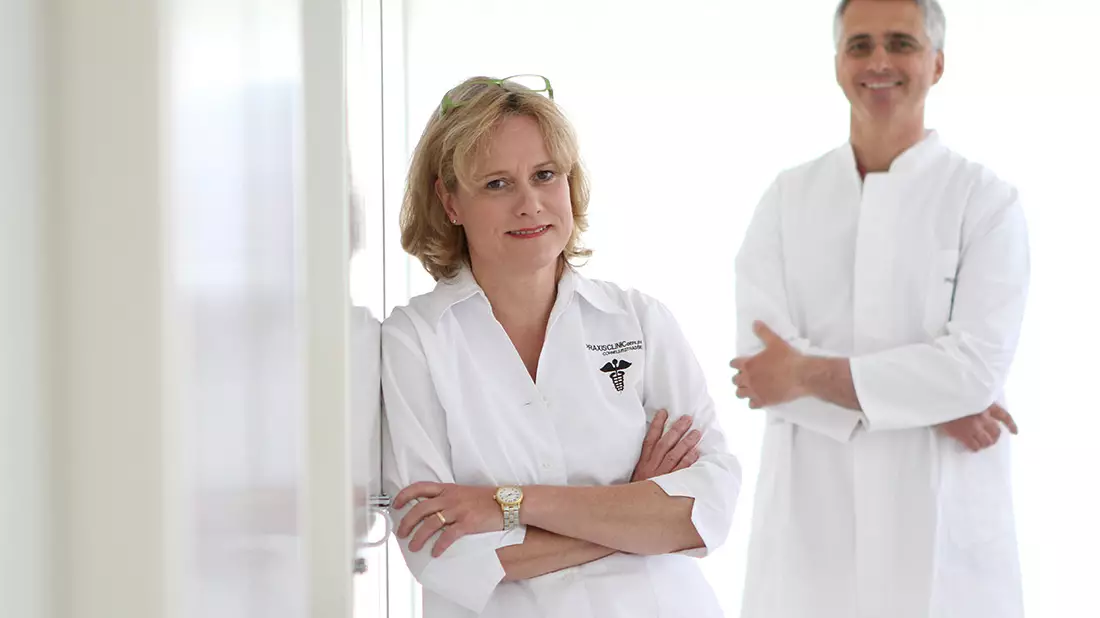
Arriving in a new country usually comes with a long to-do list: registration at the Bürgeramt, health insurance questions, opening a bank account. Somewhere on that list, often far too late, appears another essential task: finding a trustworthy dental practice. For many expats in Berlin, especially those used to a different health system, the search for a reliable, English-speaking dentist can trigger real stress. Add dental anxiety, unfamiliar bureaucracy, and uncertainty about treatment standards, and a simple toothache quickly becomes an emotional burden.
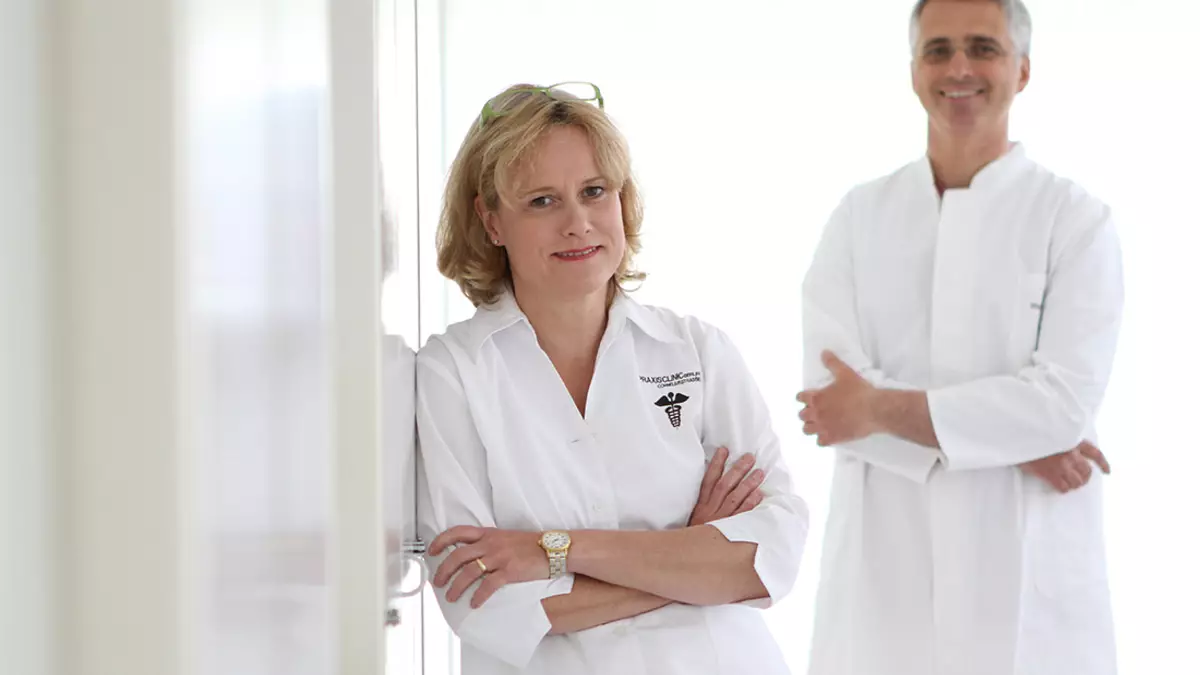
In this context, discovering a Dental Practice in Berlin Steglitz that not only speaks your language but also understands your medical history in depth can feel like a small miracle. The Zahnarzt-Praxis Berlin Steglitz of Dr. med. Dr. med. dent. Djamchidi and dentist Annette Jannack offers precisely this: a combination of high-level medical expertise, modern dental care from tooth preservation to implantology, and an atmosphere that respects the anxieties and life situations of both international and local patients.
The practice, located in a classic Altbau near the lively Schloßstraße in Berlin’s southwest, is more than just a place for fillings and check-ups. It is a space where oral surgery, tooth preservation, prophylaxis and aesthetics are thought together with general health. For expats who may be afraid of misunderstandings, hidden costs, or aggressive treatment recommendations, this coordinated, patient-centered approach is particularly valuable.
Instead of rushing to replace teeth, the team prioritizes what in German is called "Zahnerhalt vor Zahnersatz" – saving natural teeth before considering crowns, bridges or implants. At the same time, when tooth replacement is truly needed, the practice benefits from a unique feature in Berlin: the double approbation of Dr. Djamchidi as both physician (MD, ENT specialist) and dentist (DDS). This dual qualification is especially relevant for complex implantology, sinus lift procedures and the safe assessment of the maxillary sinus floor.
For anyone new to the German healthcare landscape, this makes the practice not only a regular Zahnarzt address, but a medical partner able to bridge the gap between general medicine and dentistry in a way that few clinics can offer.
To understand what makes Zahnarzt-Praxis Berlin Steglitz special, it helps to look more closely at the profile of its leading physician and dentist. Dr. med. Dr. med. dent. Djamchidi holds two full German medical licenses – a so-called double approbation. He is not only a dentist but also a fully trained physician with specialization in ear, nose and throat (ENT) medicine. This is not simply a decorative title; it profoundly shapes how he plans and performs treatments, particularly in implantology and oral surgery.
Implantology, the discipline that replaces missing teeth with titanium or ceramic implants anchored in the jawbone, is no longer a niche procedure. For many adults, especially expats who may have had dental work done in different countries over the years, implants offer a stable, aesthetic way to restore chewing function and appearance. However, in the upper jaw, particularly in the posterior region near the maxillary sinus, implant placement can be anatomically demanding.
The roots of upper molars and premolars lie very close to the maxillary sinus floor, sometimes separated only by a thin layer of bone. When a tooth is lost, this bone tends to resorb over time. If an implant is then placed without sufficient planning or regard for the sinus anatomy, complications can arise: sinus infections, chronic inflammation, implant instability, or even perforation of the sinus membrane. This is precisely where the double training of an ENT physician and dentist becomes a genuine safety advantage.
As an ENT specialist, Dr. Djamchidi is intimately familiar with the delicate structures of the sinus system, nasal cavity and surrounding bone. He understands how the maxillary sinus communicates with the rest of the upper airways, how mucosal diseases or allergies may influence healing, and how to interpret radiological images not only from a dental but also from a medical perspective. When he evaluates the maxillary sinus floor before an implant, he is not just checking bone height, but also sinus health: Are there cysts? Thickened mucosa? A previously undiagnosed chronic sinusitis?
In many implant cases in the upper jaw, a sinus lift procedure is necessary. This is a surgical technique in which the maxillary sinus floor is carefully lifted and bone is built up underneath to create enough volume for a stable implant. For someone without specialized ENT knowledge, this area can be a blind spot. For someone like Dr. Djamchidi, it is familiar territory. He knows how to gently elevate the sinus membrane, how to avoid perforations, and how to manage the interface between oral cavity and sinus to minimize infection risk.
Another crucial aspect of double approbation is the systemic view of the patient. Many expats arrive in Berlin with complex medical histories: autoimmune diseases, cardiovascular issues, medication for blood thinning, or diabetes. Some have undergone ENT surgeries or have chronic sinus problems that have never been clearly linked to their dental situation. A practitioner who is at home in both general medicine and dentistry can connect these dots more easily. Before planning oral surgery or implant placement, Dr. Djamchidi is able to evaluate laboratory values, medications and ENT findings in a coherent way.
This interdisciplinary mindset extends to questions of biocompatibility as well. Choosing the right implant material, bone substitute, or local anesthetic is not only a technical question but also a medical one. In patients with allergies, autoimmune conditions, or unclear chronic fatigue syndromes, the wrong material can potentially exacerbate symptoms. An MD-DDS who knows both immunological and dental literature can better weigh risks and benefits, discuss alternatives, and tailor treatment concepts to the individual patient rather than following a standard protocol.
For expats worried about whether their dentist really sees the whole person, this dual background can be deeply reassuring. It signals that the practice is not focused solely on teeth, but on health in a wider sense. Especially in cases where oral surgery intersects with ENT structures – for example in sinus lift procedures, removal of cysts near the sinus floor, or complex implantology in the upper jaw – having a surgeon who understands both disciplines increases the probability of a safe, predictable outcome.
In parallel to this medically anchored surgical expertise stands the work of dentist Annette Jannack, who brings a strong focus on tooth preservation, endodontics and aesthetics. While implants and oral surgery often receive more attention in marketing, the true art of dentistry frequently lies in preventing the need for such interventions in the first place. This philosophy is captured by the German expression "Zahnerhalt vor Zahnersatz" – prioritizing the preservation of natural teeth over replacement.
Endodontics is the branch of dentistry that deals with the inside of the tooth – the pulp, root canals and surrounding tissue. When deep caries or trauma infects the tooth nerve, many practices are quick to suggest extraction, especially if the tooth already carries a large filling or crown. However, modern endodontics, particularly when supported by microscopic dentistry, can often save such teeth for many years or even decades.
In a contemporary root canal treatment, the goal is not only to remove inflamed or necrotic tissue from the canals, but also to disinfect them thoroughly and seal them in a three-dimensional way. This requires a combination of precise mechanical cleaning, chemical rinsing protocols and high-quality filling materials. Under the operating microscope, structures that are invisible to the naked eye become visible: additional canal branches, micro-cracks, hidden infection reservoirs. By using magnification and fine instruments, an endodontically trained dentist like Annette Jannack can reach and clean areas that would otherwise remain contaminated.
For patients, especially those from countries where root canal treatments were sometimes considered painful or unreliable, it can be enlightening to learn how much this field has evolved. Properly performed endodontics, combined with regular prophylaxis and careful restoration (for example with an onlay or crown), can stabilize even severely damaged teeth. This not only maintains chewing function and aesthetics but also protects the jawbone. Each lost tooth leads to bone resorption and can shift the bite, potentially resulting in temporomandibular joint problems over time.
By emphasizing tooth preservation, the practice also acts responsibly in terms of cost and sustainability. While implantology has its place and can be a wonderful solution in many cases, it is always an intervention into the bone, with its own risks and healing requirements. When a natural root can be preserved through well-executed endodontics, this is often the biologically and economically favorable option. For expats navigating German insurance structures (public or private), a dentist who first checks how a tooth can be saved, rather than recommending immediate replacement, can become a long-term partner rather than a one-time provider.
At the same time, aesthetics are not neglected. After endodontic treatment, teeth often require careful reconstruction to avoid fractures and discoloration. Modern filling materials and ceramic solutions make it possible to combine stability with natural appearance. Annette Jannack’s work reflects the idea that functional dentistry and aesthetic dentistry are not opposites but two sides of the same coin. A tooth that looks natural, aligns well with the bite, and is biologically calm in the bone is the ideal result of such a preservation-focused approach.
All the expertise in implantology and endodontics would mean little if patients were too afraid to walk through the practice door. Dental anxiety is extremely common, and expats often carry additional layers of worry: Will I understand what the dentist is saying in German? Will I be pressured into expensive treatments? Will my past traumatic experiences be taken seriously, or will they be dismissed as overreaction?
In Zahnarzt-Praxis Berlin Steglitz, anxiety is not treated as a nuisance but as a central topic. The team is accustomed to patients who have avoided the dentist for years, who feel ashamed of the condition of their teeth, or who have specific phobias related to injections, drilling sounds, or loss of control. One of the first steps is therefore not a technical procedure, but a conversation in clear, accessible language. The presence of an English-speaking dentist and staff who are used to working with international patients makes it easier to express fears and expectations without the filter of a foreign language.
To create an anxiety-reducing environment, the practice combines several strategies. Appointments are structured in such a way that sufficient time is reserved for explanations. Before any oral surgery, root canal treatment or implantology, the steps are described in detail: what the patient will feel, how long it will take, what anesthetic options are available. For many people, knowing what will happen is already a powerful antidote to fear.
In addition to local anesthesia, sedation options are available for patients whose anxiety remains high. So-called twilight sleep (conscious sedation) can help especially during longer sessions such as multiple implants or extensive endodontics. Under careful medical monitoring, the patient remains responsive but deeply relaxed, and often remembers little or nothing of the procedure afterwards. This can be a crucial bridge for those who otherwise might never agree to important treatments. As a physician, Dr. Djamchidi has extensive experience with sedation, including assessment of cardiovascular status, medication interactions and recovery times.
For patients who prefer a more natural approach, complementary methods such as homeopathy or gentle relaxation techniques can be integrated. While these do not replace proper anesthesia or scientifically grounded treatment, they can support overall well-being and signal that the practice takes emotional comfort seriously. The guiding idea is minimally invasive dentistry – not only with respect to tissues, but also regarding the psyche. No aggressive lectures, no pressure, but clear information and a pace adapted to the individual patient.
Between Zehlendorf and the busy shopping axis of Schloßstraße, Steglitz offers a particular Berlin mix of residential calm and urban energy. The Zahnarzt-Praxis Berlin Steglitz is housed in a historic Altbau building typical for the area, with characterful details and high ceilings. This architectural charm, however, comes with a practical limitation that the team addresses openly: the building is not barrier-free. There is no elevator, and access to the practice requires climbing stairs.
For many patients, this is simply part of the classic Berlin experience – visiting a practice in an Altbau staircase that has seen generations come and go. The wooden steps, stucco elements and tall windows create an atmosphere quite different from a sterile, anonymous medical center. For some, this contributes to a sense of warmth and authenticity; it feels like entering a carefully maintained, lived-in environment rather than a cold institution.
Nonetheless, transparency is important. Patients with severe mobility restrictions should know in advance that this specific location involves stairs. The practice team is used to discussing individual options on the phone or by email, and will gladly clarify whether and how assistance can be organized in a particular case. Those who are able to climb stairs, however, often appreciate the combination of historic building and modern interior design.
From a practical standpoint, the location scores with good transport connections within Berlin southwest. Steglitz is well linked by S-Bahn and U-Bahn, with Schloßstraße serving as a major hub. For patients coming from Zehlendorf or other southern districts, the journey is usually straightforward, whether by car, bike or public transport. Parking options in side streets or nearby parking facilities make it easier for those coming from further away, including international residents who may live outside the city center.
To understand how this Dental Practice in Berlin Steglitz actually feels in everyday life, it helps to walk through a hypothetical first visit. Imagine an expat who has been living in Berlin for a year. They have been postponing a dental appointment due to anxiety and uncertainty about the German system. Occasional sensitivity in a molar and a missing tooth in the upper jaw are slowly turning into constant worries. After searching online for an English-speaking dentist and reading about the double approbation and endodontic focus, they decide to book a consultation.
The journey begins not in the chair but with contact. Via phone or the online form, the patient schedules an initial appointment. Right away, the staff offers communication in English if preferred. Basic questions about insurance – statutory or private – and cost estimates are clarified in advance as far as possible to avoid surprises. The patient is encouraged to bring previous X-rays or documentation from their home country if available.
On the day of the appointment, after climbing the Altbau stairs, the patient enters a reception area that combines modern equipment with a personal touch. The team is aware that first impressions matter. Instead of rushing through forms, they invite the patient to sit and fill out a structured medical history (anamnesis) at a calm pace. Questions cover not only teeth and gums, but general health: medications, allergies, chronic conditions, ENT problems, past surgeries.
During the first conversation with either Dr. Djamchidi or Annette Jannack, the focus is on listening. The patient can explain their previous experiences, anxieties and expectations in their own words. The dentist asks targeted questions: How long has the tooth been sensitive? Has there been swelling? Does the patient have a history of sinus issues, especially on the side of the missing tooth in the upper jaw? Together they decide which diagnostics are necessary.
Typically, this includes a clinical examination and, if indicated, X-rays. For implant planning in the upper jaw, a three-dimensional imaging (such as CBCT) may be recommended to precisely evaluate the maxillary sinus floor and bone structure. For a tooth suspected of needing root canal treatment, detailed periapical radiographs help visualize the root system and any inflammation at the tip. All findings are explained step by step, with images shown on a screen so that the patient can literally see what the dentist sees.
Based on this information, the team presents a treatment plan that respects the priority of tooth preservation. If the sensitive molar can be saved with endodontics, the procedure is outlined: number of sessions, type of anesthesia, prognosis, and costs. If the missing tooth area in the upper jaw is suitable for an implant, the role of sinus anatomy is discussed in understandable language: the height of the bone, any need for sinus lift, timing of implant placement, and healing phases. For questions related to overall health or ENT history, patients benefit from the dual knowledge of an MD and DDS who can integrate information from both fields.
Importantly, no decision must be made on the spot. Patients are explicitly encouraged to ask questions, take time, or even seek a second opinion if they wish. For expats accustomed to more transactional or time-pressured medical environments, this can be a welcome change. The practice sees itself not as a sales point for procedures but as a consultant and partner in long-term oral health.
When treatment begins, be it a root canal, implant surgery, or prophylaxis session, the anxiety-aware approach continues. Sedation or twilight sleep is offered when appropriate, and the steps of the procedure are always reviewed again before starting. The technical work – from meticulous canal disinfection in endodontics to minimally invasive incision techniques in oral surgery – is accompanied by constant checking of the patient’s comfort. Breaks are possible; a prearranged signal allows the patient to indicate if they need a pause.
After the procedure, detailed aftercare instructions are provided, again in English if desired. Follow-up appointments monitor healing, adjust bite if necessary, and ensure that both the functional and aesthetic outcomes are stable. Long-term, patients become part of a prophylaxis program that aims to prevent future problems through regular professional cleaning, check-ups, and early intervention when small changes appear.
For many international patients, this kind of structured, respectful patient journey transforms their relationship with dentistry. What began as fear and uncertainty becomes a sense of control and partnership. The practice is no longer a place to be avoided until pain becomes unbearable, but a regular station on the path to overall well-being in their new home city.
When assessing why Zahnarzt-Praxis Berlin Steglitz stands out among many options in Berlin’s southwest, several factors come together. Medically, the double approbation of Dr. med. Dr. med. dent. Djamchidi adds a level of safety and depth that is especially relevant for implantology, sinus lift procedures and complex oral surgery near the maxillary sinus. The ability to assess ENT structures, general health and local dental conditions within one person’s expertise significantly reduces fragmentation of care.
At the same time, dentist Annette Jannack’s strong profile in endodontics, microscopic dentistry and aesthetics ensures that tooth preservation is not a mere slogan but a lived principle. Patients benefit from modern root canal techniques, biocompatible materials and reconstructions that are both functional and beautiful. This combination of high-level oral surgery and dedicated tooth preservation allows the practice to offer a full spectrum of solutions – from prophylaxis and conservative care to advanced implants.
For expats and locals alike, the interpersonal and organizational framework is just as important. English-speaking communication, openness to questions about German insurance and billing, and the explicit invitation to express dental anxiety create a climate of trust. Sedation options, twilight sleep, and an empathetic handling of fear demonstrate that emotional safety is considered part of medical quality.
The location in a historic Altbau in Steglitz, close to Schloßstraße and easily reachable from Zehlendorf and other parts of Berlin southwest, contributes to both charm and accessibility, even if the lack of an elevator means that patients must be able to manage stairs. This honest framing respects patients’ right to clear information and aligns with the overall transparency of the practice.
In a city as diverse and dynamic as Berlin, health care providers who understand both the technical and human side of medicine are invaluable. Zahnarzt-Praxis Berlin Steglitz, with its unique blend of medical and dental qualifications, focus on tooth preservation and anxiety-aware care, has established itself as a strong option for anyone seeking a reliable dental partner – whether they were born around the corner or have just arrived from another continent.
For expats looking for a practice that navigates German bureaucracy with them, explains complex procedures in clear English, and offers a medically sound, minimally invasive approach, this practice may well become the long-term dental home they were hoping to find in Berlin.
Disclaimer regarding our articles: No investment advice, no buy or sell recommendation. Information on prices, companies, and markets is provided without guarantee; changes are possible at any time. Stock market transactions can lead to substantial losses. Our articles are created and reviewed in whole or in part automatically with the support of AI.