A Dental Practice in Berlin Steglitz Where Medicine and Dentistry Meet
Published on 05/06/2026 at 07:01 | Editorial responsibility: Rafael Müller, Editor-in-Chief AD HOC NEWS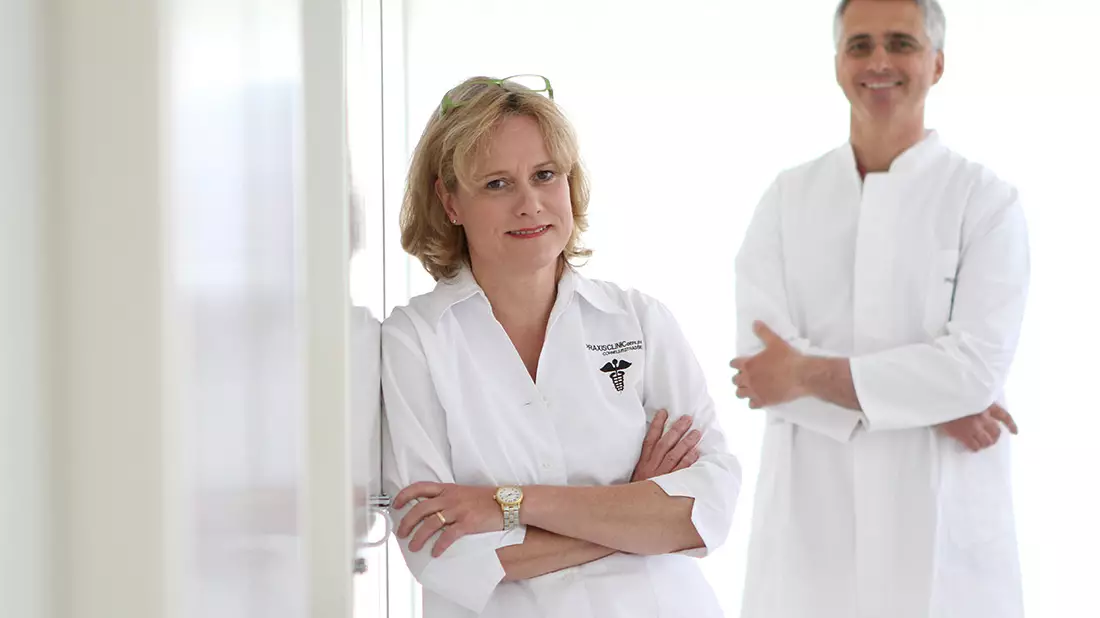
Moving to a new country is exciting, but it also means rebuilding the most basic parts of everyday life: finding a GP, a trusted dentist, and a place where you can ask health questions without feeling misunderstood. For many people in Berlin, particularly expats and international students, the search for a reliable Dental Practice quickly becomes stressful. The German system is different, medical terminology sounds unfamiliar, and even booking an appointment can feel like navigating a maze of insurance rules, referral letters, and technical vocabulary.
Dental care adds another layer to this challenge. Many people already struggle with dental anxiety, fear of pain, or memories of rushed, impersonal treatments. Combine that with a language barrier and uncertainty about what is considered "standard" care in Germany, and it is easy to postpone important check-ups and treatments. Yet postponing dental visits often leads to more complex problems later: advanced decay, root canal treatments that become more difficult, or even the need for oral surgery and implantology.
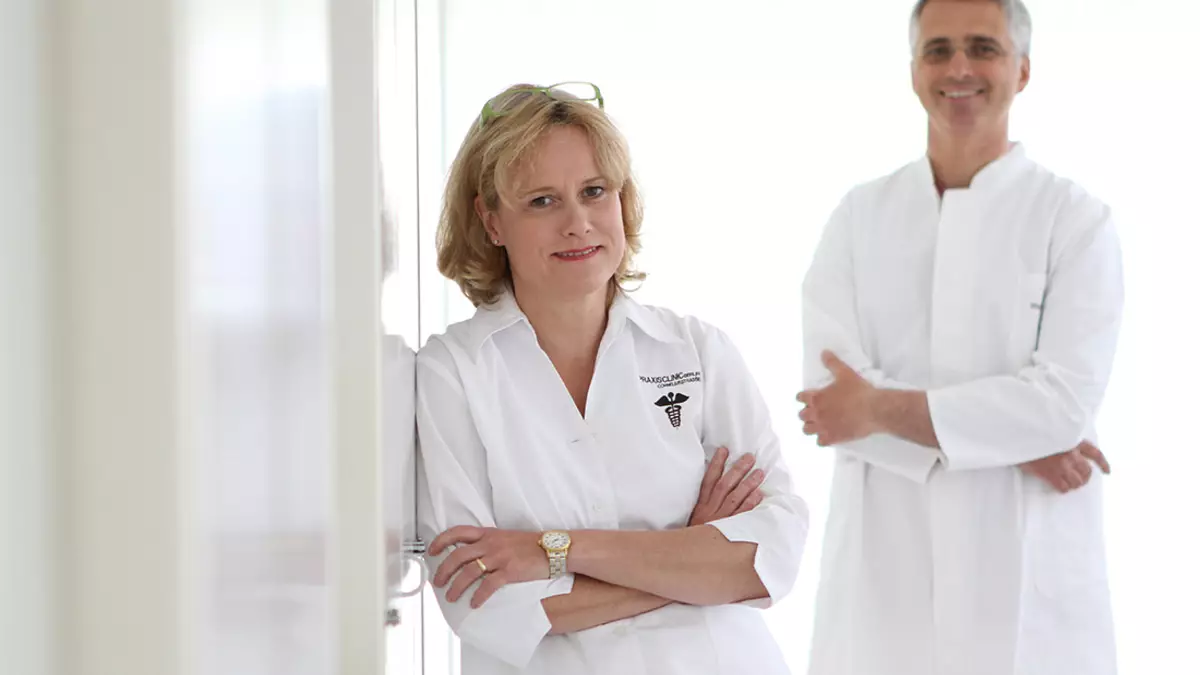
In this context, a Dental Practice in Berlin Steglitz that actively understands both the emotional and the medical complexity of dental care can make all the difference. Zahnarzt-Praxis Berlin Steglitz (Dr. Djamchidi & A. Jannack) offers a rare combination: double approbation in medicine and dentistry, a strong focus on tooth preservation and endodontics, and an atmosphere designed to take patient fears seriously. For international patients, the presence of English-speaking dentists and staff, clear explanations, and time for questions are not just extras; they are essential for building trust.
One of the most distinctive features of this Dental Practice is the profile of Dr. Djamchidi. Unlike most dentists, he holds a double approbation: he is both a licensed physician and ENT specialist (ear, nose, and throat) and a fully qualified dentist. In German, this dual qualification is often referred to as "Doppelapprobation", and it is especially valuable in areas where dentistry and general medicine overlap, such as implantology, oral surgery, and procedures involving the maxillary sinus floor.
When patients hear about implants or sinus lifts, they sometimes imagine these procedures as purely dental interventions. In reality, the upper jaw sits in direct anatomical relation to the maxillary sinuses, delicate air-filled spaces in the skull that influence breathing, pressure equalization, and even the sound of the voice. The roots of upper molars may lie very close to, or sometimes even within, the maxillary sinus. During implant placement here, especially in the region of the posterior upper jaw, the surgeon must work millimeter-precisely to protect the sinus membrane and avoid complications such as sinusitis or chronic pressure sensations.
This is where the combined ENT and dental perspective of Dr. Djamchidi becomes a concrete advantage for patients. As an ENT specialist, he understands the sinus anatomy, nasal airflow, and the broader head-and-neck region in depth. As a dentist and oral surgeon with strong experience in implantology, he can translate this anatomical knowledge into safer, more predictable procedures for the placement of dental implants and for sinus lift operations. For patients, this synergy means that surgical planning does not stop at the gum line; it includes the entire surrounding anatomy.
During preparation for implantology, a careful assessment of bone quantity and quality in the upper jaw is essential. If the natural bone height beneath the sinus floor is insufficient, a sinus lift may be required to create stable conditions for implants. In such cases, the sinus membrane must be gently lifted, and bone graft material is introduced into the space between the jawbone and the sinus floor. This requires not only surgical precision, but also an understanding of how the sinus will respond after the procedure: how it drains, how it ventilates, and how the patient's overall ENT health may influence healing.
A physician with ENT training can better evaluate pre-existing sinus problems such as chronic sinusitis, nasal polyps, or structural deviations in the nasal septum. In some instances, it may even be advisable to treat ENT conditions before planning extensive implantology. For patients with allergies, asthma, or recurrent infections, this integrated view is particularly reassuring. Instead of being referred from one specialist to another, they benefit from a coordinated approach within one Dental Practice where the medical and dental aspects are considered together.
Another advantage of a double approbation lies in risk management for patients with general medical conditions. People with cardiovascular disease, diabetes, autoimmune disorders, or those taking blood thinners sometimes worry about whether they can safely undergo oral surgery, sedation, or complex implant procedures. A clinician who is also a physician is trained to interpret medical findings, laboratory values, and medication plans. He can assess how stable a patient's condition is, whether prophylactic antibiotics are indicated, how to manage anticoagulant therapy, and what form of anesthesia or sedation is safest.
For example, a patient with well-controlled diabetes needs special consideration regarding wound healing and infection risk. A physician-dentist can coordinate with the patient's general practitioner or internist and adjust timing and postoperative care accordingly. Similarly, for patients with high blood pressure or heart disease, the correct choice of local anesthetics, stress reduction during treatment, and careful monitoring can significantly reduce the risk of complications. In addition, patients with complex medication regimens often appreciate that their dentist can discuss possible interactions and side effects in the same level of detail as their GP.
In the field of implantology, biocompatibility is another important topic. Many patients, especially health-conscious expats, are aware of issues such as metal allergies, systemic inflammation, and the relationship between oral health and overall well-being. They may ask for alternatives, want to know more about the materials used, and expect an evidence-based explanation. With his medical background, Dr. Djamchidi can place implantology in a broader context, discussing not only the technical aspects of oral surgery, but also how the chosen materials and procedures may influence the body over time.
Ultimately, the double approbation means that patients in Berlin Southwest who choose this practice for implants, oral surgery, or a second opinion receive more than just a standard evaluation. They experience a comprehensive, medically-informed approach that covers the links between the jaws, the maxillary sinuses, nasal region, and general health. For those who are anxious, have chronic ENT problems, or live with systemic conditions, this integrated ENT and dental perspective often brings a deep sense of safety and trust.
While implantology and oral surgery are crucial for replacing lost teeth, the philosophy of Zahnarzt-Praxis Berlin Steglitz goes beyond replacement towards preservation. This is where the expertise of dentist Annette Jannack comes into focus. Her special interest lies in endodontics – the discipline that deals with diagnosis and treatment of diseases of the dental pulp and root canal system. In simple terms, endodontics is the science of saving teeth that would otherwise be lost to infection or decay.
Many people associate root canal treatment with fear or old stories of painful procedures. Modern endodontics, however, is both more precise and more gentle than most patients expect. The core aim is to remove infected or inflamed tissue from inside the tooth, disinfect the root canal system, and fill it in a way that prevents reinfection. When performed to a high standard, root canal therapy allows the natural tooth to remain in the mouth for many years, often decades, preserving chewing function and avoiding the need for extraction and replacement.
Annette Jannack follows the principle of "Zahnerhalt vor Zahnersatz" – tooth preservation before tooth replacement. This approach respects the biological and functional superiority of a natural tooth whenever it can be safely maintained. Each tooth is a highly specialized structure, anchored in the jawbone and surrounded by the periodontal ligament, a complex tissue that transmits fine sensations and helps regulate bite forces. Even the best prosthetic solution cannot fully mimic this natural system. By prioritizing preservation, the Dental Practice actively supports long-term oral health and reduces the risk of a cascade of further interventions.
Contemporary endodontics relies on microscopic dentistry and advanced imaging. Under magnification, structures inside the tooth that are invisible to the naked eye become clearly visible: fine accessory canals, unusual root shapes, or micro-cracks that could compromise long-term success. Using this level of detail, an endodontically focused dentist like Annette Jannack can locate and treat complex canal systems more thoroughly, reducing the risk of persistent bacteria and recurrent inflammation.
The root canal treatment process usually follows several carefully structured steps. First, a precise diagnosis is made: the dentist evaluates symptoms such as sensitivity to hot or cold, pain on biting, swelling, or radiological changes around the root tips. Digital radiographs or three-dimensional imaging may be used to map the root canal system and related structures. Once the decision for endodontic therapy is made, local anesthesia ensures that the tooth and surrounding tissues are completely numb. For anxious patients, additional options such as sedation or twilight sleep can be discussed.
After opening the tooth from the chewing surface or backside, the dentist gains access to the pulp chamber and root canals. Using fine, flexible instruments, the infected or necrotic pulp tissue is removed. The canals are then shaped in a controlled manner to allow effective cleaning, irrigation, and disinfection. Throughout this process, specialized solutions are used to break down biofilms and flush out debris. The goal is to create an environment that is as free from bacteria as possible.
Once the canals are cleaned and dried, they are filled with biocompatible materials – often gutta-percha combined with a sealer that adheres tightly to the canal walls. This hermetic seal is critical; it prevents oral bacteria from re-entering the root system and causing recurrent inflammation around the root tip (apical periodontitis). In many cases, a tooth that has undergone root canal therapy will later receive a high-quality filling or crown to protect it from fracture, especially if it is a heavily loaded molar.
For patients, the benefit of such meticulous endodontics is clear: keeping their own tooth instead of facing extraction and prosthetic replacement. Saving a tooth often helps stabilize neighboring teeth and maintains the integrity of the bite. It can also reduce the need for complex prosthetic solutions such as bridges or implants. In the broad therapeutic spectrum of this Dental Practice, the work of Annette Jannack complements the implantological expertise of Dr. Djamchidi perfectly: teeth are preserved whenever possible and, when they cannot be saved, tooth replacement strategies are planned in a medically and functionally sophisticated way.
Many people delay dental visits for one main reason: dental anxiety. These fears may be rooted in childhood experiences, a general sensitivity to pain, or simply the feeling of losing control in the dental chair. For expats in Berlin, the anxiety can be amplified by language barriers and unfamiliar treatment routines. Not understanding what is happening or why a certain procedure is necessary can turn mild nervousness into strong fear.
In Zahnarzt-Praxis Berlin Steglitz, the concept of "anxiety-free dentistry" is more than a marketing phrase. It starts with communication: patients are encouraged to describe their fears openly. The dentists and team then adapt the pace and the structure of appointments accordingly. Detailed, step-by-step explanations in clear, understandable English or German help patients see treatment as a sequence of manageable steps rather than one overwhelming block. This is particularly valued by international patients who may be used to different interaction styles in their home countries.
When appropriate, minimally invasive techniques are used to reduce discomfort and preserve as much healthy tooth structure as possible. For example, in tooth preservation or prophylaxis, modern instruments can gently remove plaque and calculus without aggressive scraping. In restorative treatments, local anesthesia is carefully dosed to ensure numbness without overshooting. For patients with strong gag reflexes or specific phobias, short breaks and adjustable chair positions can make a big difference.
Beyond standard local anesthesia, the practice offers additional options such as sedation and twilight sleep for more extensive oral surgery, implantology, or for patients whose fear is particularly intense. In twilight sleep, patients remain responsive but experience the treatment in a deeply relaxed, dream-like state, often with only fragmented memories afterwards. This can help those who otherwise might avoid necessary procedures for years. Medical monitoring of circulation, breathing, and oxygen saturation helps ensure safety throughout the process.
The practice also respects patients who prefer more gentle supportive methods. While medical standards always take priority, aspects such as homeopathic support, calming rituals, or relaxation techniques can be integrated on request, as long as they do not interfere with safety or evidence-based care. The overarching goal is to create an environment in which patients feel welcomed as individuals, not as numbers in a schedule.
For the many people in Berlin who come from different cultural backgrounds, simply being heard in their own language is a powerful anxiety reducer. Having an English-speaking dentist who understands the nuances of consent, shared decision-making, and expectations from other healthcare systems can calm the experience dramatically. When a dentist takes time to clarify the difference between private and statutory insurance services, or between German prophylaxis routines and those of other countries, patients feel respected and more in control.
The practice of Dr. Djamchidi & A. Jannack is located in Berlin-Steglitz, not far from Schloßstraße, one of the main shopping streets in the Berlin Southwest. The neighborhood combines residential calm with urban convenience: shops, cafes, and excellent public transport connections make it easy to integrate a dental visit into everyday life. For patients coming from neighboring areas such as Zehlendorf or other parts of Berlin Southwest, the location is particularly practical.
The building itself is a classic Berlin Altbau – a historic structure with character, high ceilings, and the unmistakable flair that many people associate with the city's traditional architecture. This comes with a relevant detail: there is no elevator, and access to the Dental Practice requires climbing stairs. It is important to state this clearly, especially for patients with limited mobility, prams, or heavy luggage. While this means the practice is not barrier-free in the strict sense, many patients nevertheless value the authentic Berlin setting and the sense of history that an Altbau environment provides.
Inside, the interior aims to contrast positively with any stereotype of cold, clinical spaces. Warm colors, thoughtful lighting, and an inviting waiting area signal to patients that this is a place where human interaction matters. The atmosphere is calm rather than hectic; appointment management is structured so that waiting times are reasonable, and staff can greet patients by name. For those arriving by car, the surrounding streets and nearby areas often provide parking options, though as in much of Berlin, allowing a little extra time for parking search is always wise.
For expats familiar with glass-and-steel clinic towers, the combination of a historic building and modern equipment may feel uniquely Berlin: a blend of old-world charm and up-to-date medical technology. This fusion reflects the practice's approach in general: respect for tradition and anatomy, paired with contemporary methods such as microscopic dentistry, digital imaging, and minimally invasive techniques.
Stepping into a new practice, especially in a foreign healthcare system, feels much easier when you know what to expect. The typical patient journey in this Dental Practice is designed to make both local and international patients feel oriented from the first contact.
The journey often begins with a phone call or online contact. The team clarifies whether you come as a new patient, need an emergency appointment, seek a second opinion, or are planning a specific treatment such as implantology or root canal therapy. For expats, questions around health insurance – public versus private, or international coverage – can also be addressed at this stage. You are informed which documents to bring, such as insurance card, medication lists, and if available, previous X-rays or medical reports.
At the first on-site visit, you enter the Altbau staircase, climb the stairs, and arrive at the reception. After registration, which can usually be handled in both German and English, you are given a brief medical questionnaire. This anamnesis form covers general health conditions, allergies, medications, previous dental experiences, and any specific fears or wishes you may have. For international patients, it is reassuring that time is taken to explain any unfamiliar terms in the form.
During the initial consultation, the dentist reviews your medical history with you, asking follow-up questions where necessary. If you have ENT issues, chronic sinus problems, or systemic diseases, this is where the double approbation of Dr. Djamchidi adds particular value. He can interpret your medical history not only from a dental but also from a physician's perspective. If you see Annette Jannack for endodontic evaluation, she will focus on the history of pain, previous treatments, and any functional complaints such as difficulty chewing or sensitivity to temperature.
A comprehensive clinical examination follows. This may include an inspection of teeth, gums, oral mucosa, and jaw joints, as well as periodontal probing and functional tests. If necessary, radiographs or three-dimensional imaging help visualize root morphology, bone levels, and the relationship of the teeth to the maxillary sinus floor. Throughout this process, the dentists explain what they are looking at and why each step matters. For many patients, especially those with dental anxiety, understanding the purpose of each examination step already reduces stress.
After collecting the diagnostic information, the dentist outlines treatment options. If tooth preservation is possible, endodontic therapy or other conservative measures are discussed in detail: how many appointments are needed, what costs might arise depending on your insurance coverage, and what the long-term prognosis is. If a tooth cannot be saved, or if you are already missing teeth, the focus shifts to implantology, bridges, or other forms of tooth replacement. In complex cases involving the sinus region or the need for oral surgery, the ENT perspective of Dr. Djamchidi helps you understand the anatomical situation and the advantages and risks of procedures like sinus lift or bone augmentation.
Importantly, the pace is adjusted to your needs. Some patients like to make decisions immediately, others prefer to go home, think about the information, and possibly obtain a second opinion. The practice welcomes critical questions and encourages informed decision-making. Written treatment plans, transparent cost estimates, and clear explanations are designed to help you feel comfortable with your choice, whether it's a root canal treatment, a new implant, or a professional prophylaxis program.
On treatment days, the focus shifts from planning to execution, always with attention to comfort and anxiety reduction. For a root canal treatment with Annette Jannack, for example, local anesthesia is checked carefully before starting. She may use a dental microscope or magnifying loupes to visualize fine structures, and modern instruments to clean and shape the root canals effectively. Breaks are offered if needed, and you are encouraged to signal at any time if you feel discomfort.
For implantology or oral surgery with Dr. Djamchidi, preoperative planning, including ENT considerations, ensures that the procedure is as minimally invasive and safe as possible. Segmented radiographs, 3D planning tools, and, where indicated, templates for guided implant placement can help optimize implant position relative to bone availability and the maxillary sinus. If sedation or twilight sleep is chosen, you are monitored medically throughout, and postoperative instructions are explained verbally and provided in writing.
Aftercare is considered an integral part of the patient journey. For endodontically treated teeth, follow-up appointments check healing and the stability of the final restoration. For implants, regular reviews ensure that the surrounding gums and bone remain healthy and that occlusion (bite) remains balanced. Prophylaxis – professional tooth cleaning and individualized preventive counseling – is recommended at intervals appropriate for your risk profile. Patients are educated on how to care for their teeth and gums at home, taking into account their lifestyle, diet, and any special factors such as orthodontic appliances or prosthetic constructions.
For expats, the ongoing relationship with an English-speaking Zahnarzt who understands both the German healthcare system and international expectations becomes a stabilizing factor in everyday life. Over time, regular check-ups feel less like an obligation and more like a normal part of self-care, just like visiting a trusted GP or physiotherapist.
When deciding on a Dental Practice in a city as large and diverse as Berlin, both locals and international residents look for several key elements: high professional competence, a sense of safety and respect, clear communication, and a convenient, authentic location. Zahnarzt-Praxis Berlin Steglitz (Dr. Djamchidi & A. Jannack) brings these elements together in a way that is particularly well-suited to the needs of patients in Berlin Southwest.
The double approbation of Dr. Djamchidi – as both physician/ENT specialist and dentist – offers a level of integrated care that is still uncommon in everyday dental practice. Especially for implantology, sinus lift procedures, and oral surgery in the region of the maxillary sinus floor, this combined view provides tangible safety benefits. Patients with complex medical backgrounds appreciate the ability to discuss systemic diseases, medications, and ENT problems within the same consultation in which dental treatment is planned.
At the same time, the strong focus on endodontics and tooth preservation under the care of Annette Jannack ensures that teeth are not extracted lightly. Thorough root canal treatments with the aid of microscopic dentistry and biocompatible materials give many compromised teeth a second chance. The guiding mindset of "Zahnerhalt vor Zahnersatz" means that implants and prosthetics are used when necessary, but always after exploring conservative options first.
The practice also stands out in its approach to dental anxiety. Recognizing that fear, especially in a foreign-language environment, can prevent people from seeking timely care, the team emphasizes empathy, minimally invasive techniques, sedation and twilight sleep options, and transparent, patient-centered communication. English-speaking dentists and staff make it easier for expats to articulate their concerns, understand treatment plans, and feel truly involved in decisions.
Set in a classic Berlin Altbau in Steglitz near Schloßstraße, the practice combines the charm of historic architecture with modern dental technology. While the lack of an elevator and the presence of stairs mean that the facility is not barrier-free, many patients appreciate the authentic Berlin character and good public transport connections. For residents of Steglitz, Zehlendorf, and the wider Berlin Southwest, this Dental Practice offers a local, neighborhood-based option that does not compromise on medical depth.
From the first anamnesis to follow-up prophylaxis, the patient journey is designed around clarity, respect, and individual needs. Whether you are seeking a second opinion on implantology, need a complex root canal treatment, or are simply looking for a trustworthy, English-speaking dentist to look after your family's oral health, Zahnarzt-Praxis Berlin Steglitz provides a comprehensive, medically grounded solution. In a city where cultures, expectations, and healthcare systems meet, this is a place where modern dentistry, ENT expertise, and human-centered care converge.
Disclaimer regarding our articles: No investment advice, no buy or sell recommendation. Information on prices, companies, and markets is provided without guarantee; changes are possible at any time. Stock market transactions can lead to substantial losses. Our articles are created and reviewed in whole or in part automatically with the support of AI.