A Dental Practice in Berlin Steglitz Where Medicine and Dentistry Meet
28.04.2026 - 07:01:02 | ad-hoc-news.de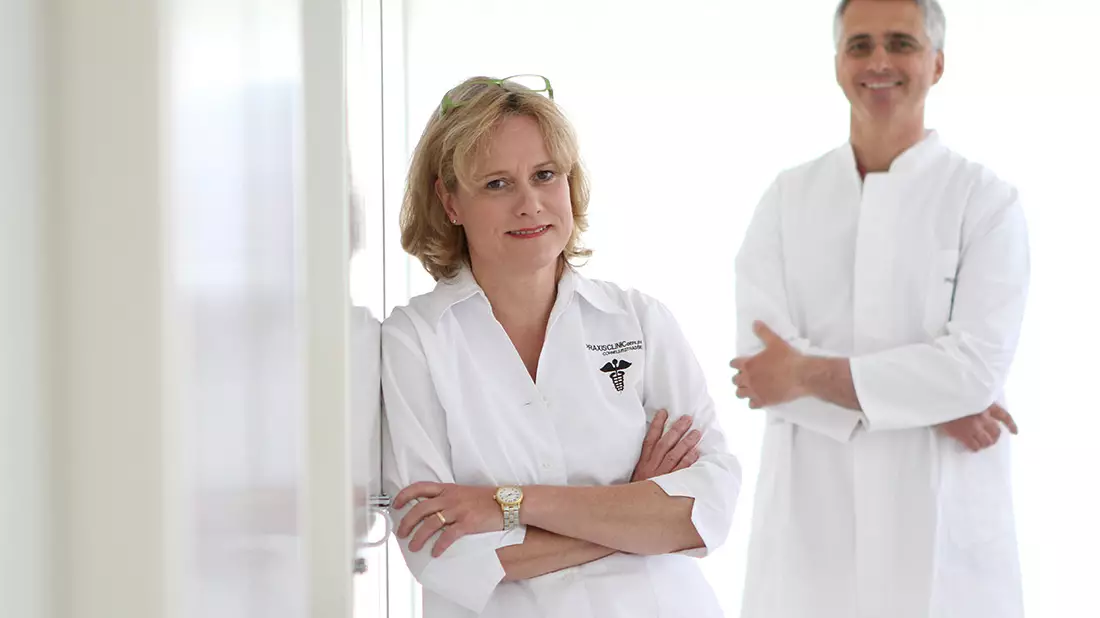
Arriving in a new country, you quickly learn that dental care is one of the most intimate and trust-based aspects of the healthcare system. You may have switched banks and mobile providers with a few clicks, but choosing a dentist feels very different. For many expats in Berlin, the search for a Dental Practice that combines medical excellence, clear communication in English, and genuine empathy can be surprisingly difficult. Add past experiences with dental anxiety, fear of pain, or confusion about insurance and treatment plans to the mix, and the threshold to finally book an appointment becomes even higher.
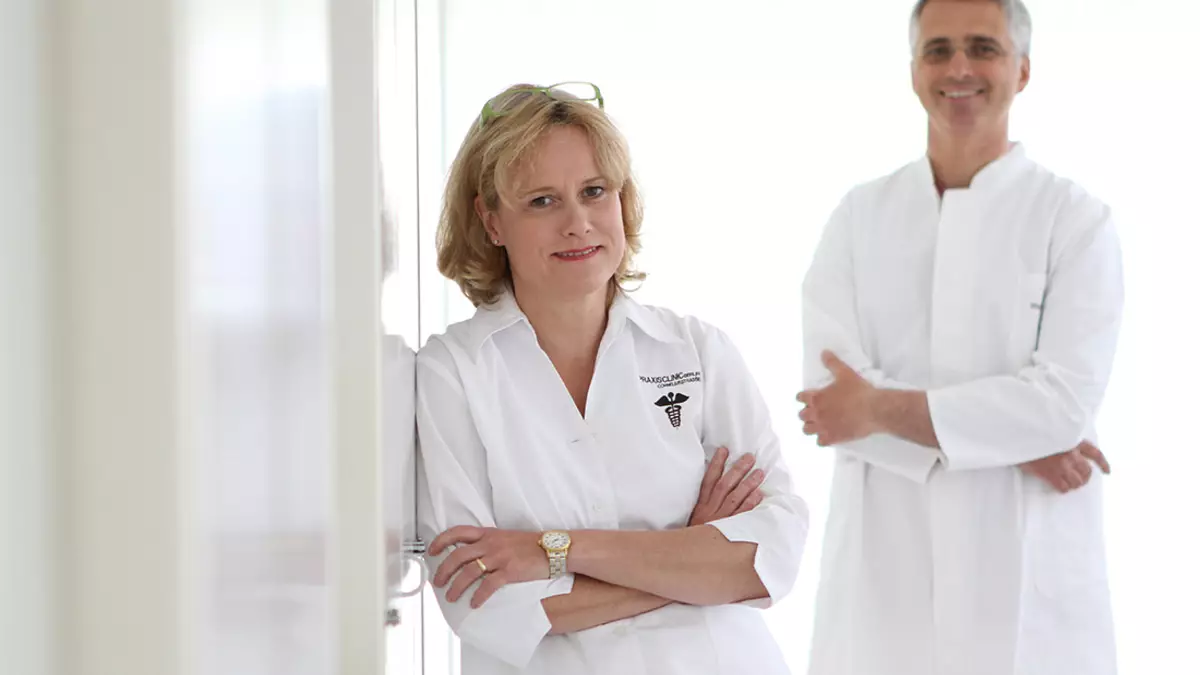
In Berlin's southwest, between Steglitz, Schloßstraße and the leafy streets leading toward Zehlendorf, one particular Dental Practice in Berlin Steglitz stands out: the Zahnarzt-Praxis of Dr. Djamchidi & A. Jannack. This historic Altbau practice offers something very rare in dentistry, not only in Germany but internationally: a true double medical perspective. Here, the core unique selling point is the "Double Approbation" of Dr. Djamchidi, who is both a fully qualified physician and ENT specialist as well as a dentist. Alongside him, dentist Annette Jannack focuses on endodontics, microscopic dentistry, and dental aesthetics, with a clear philosophy of tooth preservation before replacement.
For international residents and locals alike, this combination means a level of integrated care that goes beyond the usual scope of a standard Zahnarzt. It brings general medicine, otolaryngology (ear, nose, throat) and high-level restorative dentistry together under one roof. The result is a Dental Practice that can handle complex implantology, sinus-related interventions, and advanced root canal treatment with a depth of understanding that many patients do not even realize is possible.
To understand why this matters, it helps to look at the typical worries of expats and even long-term Berliners. Many have experienced rushed consultations where they leave uncertain about what exactly will be done, why a crown is needed instead of a filling, or whether an implant is truly the best option. Language barriers can turn technical explanations into a blur, and the German healthcare system—with its insurance forms, cost estimates, and consent documents—can feel intimidating. Patients often wish for a dentist who not only speaks English, but who is used to explaining complex medical topics in clear, reassuring language, and who can connect dental decisions to overall health.
This is precisely where the double qualification of Dr. Djamchidi becomes a major advantage. Being both an ENT specialist and a dentist means he is deeply familiar with the anatomy of the entire head and neck region—not just the teeth and jaws, but also the nasal cavity, sinuses, and airways. For implantology and oral surgery, this integrated view is more than a bonus; it is a critical safety factor.
When a dental implant is placed in the upper jaw, especially in the region of the premolars and molars, it stands in very close relationship to the maxillary sinus. This air-filled space, the maxillary sinus floor, can lie just above the roots of your upper teeth. After tooth loss, the bone in this area can shrink over time, making the distance between the oral cavity and the maxillary sinus even smaller. If there is not enough vertical bone height, an implant cannot simply be screwed in like a wall plug. It requires careful planning, sometimes involving a sinus lift procedure in which the floor of the maxillary sinus is gently elevated and bone substitute material is placed to create a stable foundation for the implant.
For many patients, reading about the maxillary sinus floor and sinus lift might sound intimidating. However, for an ENT-trained implantologist like Dr. Djamchidi, this region is familiar territory. As an ear, nose and throat specialist, he is trained to assess sinus health, mucosal conditions, ventilation patterns, and anatomical variations. This means that before performing implantology in the upper jaw, he can interpret radiographic images and 3D scans, not only from a dental perspective but also from a sinus and airway standpoint. He can identify risk factors such as chronic sinusitis, narrow drainage pathways, or mucosal thickening, which could influence whether a sinus lift is advisable, how it should be done, or whether conservative alternatives should be considered.
This "double view"—the combination of an ENT doctor's understanding of sinus anatomy and a dentist's expertise in oral surgery—translates into more individualized, safer implant planning. It reduces the risk of complications, such as perforation of the sinus membrane or postoperative sinus infections, and it allows for minimally invasive approaches whenever possible. For example, in some cases, a careful choice of implant length and angle, guided by 3D imaging, can avoid the need for a large sinus lift entirely. In other cases, when a sinus lift is essential, ENT-level knowledge of the sinus cavity helps to protect delicate structures and preserve natural drainage pathways.
The benefits of double approbation do not end with implants. Beyond implantology, an ENT background helps in diagnosing facial pain that might not be purely dental in origin. Headaches, pressure behind the cheeks, and diffuse pain in the upper teeth can occasionally be referred from sinus disease or muscle tension. A practitioner who can differentiate between dental and ENT causes can prevent unnecessary root canal treatments, extractions, or other invasive procedures. In other words, the "physician's view" is not only about performing more complex surgery; it is also about avoiding treatment that is not truly needed and guiding patients to the right form of therapy.
In this Dental Practice in Berlin Steglitz, this holistic medical-dental approach is complemented by a strong emphasis on tooth preservation. While implants and prosthetics are important, the philosophy championed by dentist Annette Jannack is clear: whenever possible, save the natural tooth first. This concept, often summarized in German as "Zahnerhalt vor Zahnersatz", is at the heart of modern endodontics.
Endodontics is the field of dentistry that focuses on the inside of the tooth—specifically, the dental pulp and root canal system. When deep decay, trauma, or a crack reaches the pulp, bacteria can invade and cause inflammation or infection. In the past, such a tooth might have been extracted. Today, with advanced root canal treatment techniques and microscopic dentistry, many of these teeth can be preserved for many years, sometimes for a lifetime.
Under the care of a dentist like Annette Jannack, endodontics becomes a meticulous, step-by-step process. After a thorough clinical examination and X-ray imaging, local anesthesia is administered for pain-free treatment. An access cavity is gently prepared in the tooth, and the root canals are located—often with the help of a dental microscope, which magnifies the tiny internal structures and illuminates them for better visibility. Microscopic dentistry plays a decisive role here: canals that might be missed by the naked eye can be detected and treated, which directly improves the long-term success of the root canal therapy.
Once the canals are located, they are carefully cleaned, shaped, and disinfected. Modern endodontics relies on biocompatible irrigation solutions and flexible nickel-titanium instruments that follow the natural curvature of the root, reducing the risk of procedural errors. The aim is to remove infected tissue, eliminate bacteria, and create a shape that can be effectively filled and sealed. The choice of filling material and technique is also oriented toward biocompatibility—the ability of materials to integrate harmoniously with the body without causing adverse reactions. After the root canal system is densely filled, the tooth is restored, often with an onlay or crown, to protect it from fracture and restore full function.
From a patient's point of view, choosing such a tooth preservation strategy can have multiple benefits. Biologically, the natural tooth and its ligament support maintain a natural feeling when chewing, and they help to preserve the surrounding bone. Financially, although high-quality root canal treatment requires skill and time, it can be more cost-effective in the long run than extraction followed by implant placement. Emotionally, many patients feel more comfortable knowing that their own tooth remains in place instead of being replaced with an artificial root.
In the Zahnarzt-Praxis of Dr. Djamchidi & A. Jannack, this preservation-first mindset does not stand in opposition to implantology; rather, the two disciplines complement each other. When a tooth cannot be saved despite best efforts—for example, due to vertical root fracture or severe structural loss—implantology and oral surgery come into play as a carefully considered plan B. Because the practice has strong competence in both preserving teeth and replacing them, patients receive balanced advice that is not biased toward one specific type of treatment. A second opinion in such a context can be especially valuable. Those who have been told elsewhere that multiple extractions and implants are necessary may appreciate a more nuanced assessment that questions whether all teeth truly need to be removed, or whether some could be preserved through advanced endodontics and restorations.
For many, however, the greatest barrier to seeking care is not technical complexity but dental anxiety. Fear of the dentist is widespread and very human, especially among those who have had painful treatments in the past or who feel embarrassed about the condition of their teeth. Expats may also worry that they will not be understood, either linguistically or emotionally. An English-speaking dentist who can explain each step slowly, who acknowledges fear as something normal rather than something to be dismissed, is often the key to breaking this cycle.
This Dental Practice has made "anxiety-free" dentistry a central element of its identity. From the moment patients enter the historic Altbau building in Steglitz, the team aims to create a calm and respectful atmosphere. Being located in a classic Berlin building, the practice is not barrier-free—there are stairs and no elevator—but the interior has been designed with warmth, natural light, and a human scale that contrasts with the impersonal feel of some large clinics. For many, this contributes to the sense of visiting a familiar place rather than a sterile medical facility.
At the clinical level, the practice addresses dental anxiety with several options. First is time: anxiety sufferers are not rushed. Extended consultations allow for detailed questions, step-by-step explanations, and the development of a treatment plan that feels manageable. The language used is adapted to the patient's level of knowledge; medical jargon is translated into everyday words without being patronizing.
Second are the anesthesia and sedation options. Local anesthetics are used for most procedures, but for more complex cases or patients with pronounced fear, additional techniques may be considered. Twilight sleep (conscious sedation) can help people undergo longer sessions of oral surgery or extensive restorative work without perceiving the treatment as stressful. Because of the physician-level background in the practice, the risks and benefits of such sedation can be discussed in a medically sound way, including considerations related to overall health, medication interactions, and monitoring. For those who prefer gentle, supportive measures, integrative options such as homeopathic support or relaxation strategies may also be discussed.
Beyond anxiety, international patients often worry about logistics. How easy is it to reach the practice? Will I find parking? What if I live in Zehlendorf or another part of Berlin? The location in Berlin's southwest is one of the strengths of this practice. Situated in Steglitz, not far from Schloßstraße with its shops and transport connections, the practice is well positioned for patients coming from central Berlin as well as from surrounding neighborhoods like Lankwitz, Lichterfelde and Zehlendorf. For those arriving by car, the area offers realistic parking possibilities, a rarity in many central districts. Public transport access is also convenient, making it a sensible choice for people commuting from other parts of the city.
At the same time, the historic nature of the building means that there is no elevator. Patients must be able to manage stairs to reach the practice rooms. This is communicated openly—there is no attempt to gloss over accessibility limitations. However, many visitors experience this aspect as part of the "classic Berlin experience": entering a well-preserved Altbau, with its characteristic staircases and architectural details, on their way to a personal, non-corporate medical environment. For some, especially those who value authenticity and the feel of older European city quarters, this adds a certain charm.
To help you imagine what your first visit might feel like, consider the following typical patient journey for someone new to the practice, perhaps a recent arrival in Berlin who has postponed dental care out of uncertainty.
The process often begins online, with a visit to the practice website and the "Über uns" section. There, patients can read about the team, see photos, and confirm that English-speaking dentists are available. Many feel reassured knowing that both the medical and administrative staff are used to working with international patients, private and statutory insurance, and self-paying guests.
After booking an appointment—either by phone or online—the first in-person contact is at the reception. You will be greeted in German or English, depending on your preference. New patient forms, including a detailed anamnesis (medical history), are completed. For expats, this is often the first moment of relief: questions about previous illnesses, medications, allergies, and past dental experiences are taken seriously, not rushed. If you have documents from your home country, such as X-rays or treatment records, these can be reviewed and integrated into your new file.
The first consultation with either Dr. Djamchidi or Annette Jannack (depending on your concerns) focuses on listening. You may discuss your chief complaint—pain, a broken tooth, bleeding gums, or purely aesthetic wishes such as whitening or aligning your smile—as well as your broader health status. If dental anxiety is a concern, you are encouraged to talk about it openly. This helps the dentist select the right pacing and method for examination and treatment.
A clinical examination of the teeth, gums, and oral cavity follows, often supported by digital X-rays or, if indicated, 3D imaging. If you are considering implants, for instance after losing a molar in the upper jaw, special attention will be paid to bone volume and the relationship to the maxillary sinus. The ENT-dental perspective of Dr. Djamchidi allows him to assess whether the sinus floor is close to the planned implant site, whether a sinus lift is required, and how your individual anatomy might influence the surgical approach.
If your main issue is a deep cavity or previously failed root canal treatment, you might be examined by Annette Jannack. Under magnification, microcracks or additional canals can be identified, shaping a tailored endodontic plan. You will receive an explanation of what root canal therapy involves, why microscopic dentistry increases success rates, and how the practice ensures biocompatibility and minimally invasive access to preserve as much tooth structure as possible.
After diagnostics, the dentist prepares a structured treatment plan. This usually includes: a description of each recommended procedure in plain language; alternative options, such as attempting to save a tooth with endodontics rather than extracting it immediately; an overview of the stages and approximate timing; and a transparent cost estimate, divided according to what might be covered by insurance and what counts as private co-payment. Expats coming from healthcare systems where costs are rarely discussed openly often appreciate this clarity. You are invited to ask questions, seek clarification, or request a second opinion from within the practice itself.
On treatment days, the focus is on comfort and predictability. Before starting, the dentist reviews the plan once more and checks in about your current state—sleep, stress, and any changes in medication. An effective local anesthetic is administered, with enough time allowed for it to take full effect. For implantology or more extensive oral surgery, the team ensures that all instruments, including any navigation or imaging aids, are prepared to minimize treatment time without sacrificing precision.
During a sinus lift or implant placement, for example, the surgical field is managed with great care. The soft tissue is gently reflected, access to the bone is created in a minimally invasive way, and instruments designed to protect the Schneiderian membrane (the delicate lining of the sinus) are used. Biocompatible bone graft materials are selected based on current evidence and individual needs. The aim is always to balance stability with respect for the body's natural structures. Postoperative instructions are given in detail, covering medication, oral hygiene, diet, and what to expect regarding swelling or mild discomfort.
For root canal treatment with Annette Jannack, a similar level of precision applies. A dental dam is used to isolate the tooth and keep the working field clean. Mechanical and chemical disinfection is carried out systematically, and the canals are filled with materials chosen for their sealing ability and compatibility with the periapical tissues. Patients who may have heard frightening stories about root canals are often surprised at how uneventful the actual experience is when performed under modern conditions—with proper anesthesia, magnification, and gentle instruments.
Preventive care, or prophylaxis, is another pillar of the practice, complementing both oral surgery and endodontics. Regular professional cleanings, targeted oral hygiene instruction, and risk-based recall intervals help to reduce the likelihood of new decay or gum disease. For patients with implants, maintenance is particularly important: the tissues around implants require special attention to prevent peri-implant inflammation. Here again, the practice's focus on education and patient empowerment is evident. You are encouraged to understand not only what the hygienist is doing, but why each step matters for long-term stability.
Over time, many patients who originally came only for an urgent problem—pain, a broken restoration, or an aesthetic concern—choose to stay with the practice. They appreciate the combination of high medical-dental expertise, the option of sedation or very gentle local anesthesia when needed, and the integrity of a team that does not push aggressive over-treatment. For families, having a consistent Dental Practice in Berlin Steglitz that can care for them across years brings peace of mind. For expats, knowing that explanations will be understandable, that the paperwork maze of the German system will be guided, and that their cultural background is respected helps to transform what was once a source of stress into a manageable, even positive part of life in Berlin.
When comparing different practices in the city, some patients use simple checklists: Is the dentist experienced in implantology? Are there options for oral surgery on-site, or will I be referred elsewhere for extractions and sinus lifts? Is there a strong focus on tooth preservation and sophisticated root canal treatment, or is extraction frequently recommended as the first choice? Are modern tools like microscopic dentistry and 3D imaging available? And beyond technology: Do I feel comfortable in this environment? Are my questions welcomed, or do I feel rushed?
The Zahnarzt-Praxis of Dr. Djamchidi & A. Jannack consistently meets these criteria while adding layers of value that are harder to quantify: the rare double approbation connecting ENT medicine with dentistry, a deep commitment to endodontics and minimally invasive tooth preservation, and a calm, empathetic approach to dental anxiety. Combined with its convenient setting in Steglitz, close to Schloßstraße and accessible from Zehlendorf and other neighborhoods in Berlin's southwest, it forms a compelling choice for anyone seeking reliable, high-quality oral health care.
In the end, choosing a dentist is not only about techniques like implantology, oral surgery, or prophylaxis. It is about trust—trust that your individual situation will be seen in context, that your fears will be taken seriously, and that the long-term health of your mouth and body will guide every recommendation. In this historic Berlin Altbau, you find a modern medical-dental team that lives this philosophy in daily practice. For expats, locals, and everyone in between, it offers a place where international experience, advanced science, and genuine human warmth come together in one Dental Practice in Berlin Steglitz.