A Dental Practice in Berlin Steglitz Where Medicine and Dentistry Meet
Published on 04/23/2026 at 07:01 | Editorial responsibility: Rafael Müller, Editor-in-Chief AD HOC NEWS
Living in Berlin can feel like an adventure in the best sense: new neighborhoods, new cafés, a new language. But as many expats quickly realise, the moment you need medical or dental care, that sense of adventure can suddenly turn into anxiety. How do you find a Dental Practice you can really trust? Will anyone speak English clearly enough to explain your options? And will the treatment standards match what you are used to from home?
In Germany, even the word for dentist – Zahnarzt – can feel intimidating when you are scrolling through endless lists of names and unfamiliar qualifications. You may have heard that the healthcare system is excellent, yet the pathways and terminology are completely different from those in the UK, the US, Canada, or elsewhere. Add a history of dental anxiety or bad experiences, and the search for the right practice can feel like one more bureaucratic hurdle in a new country.
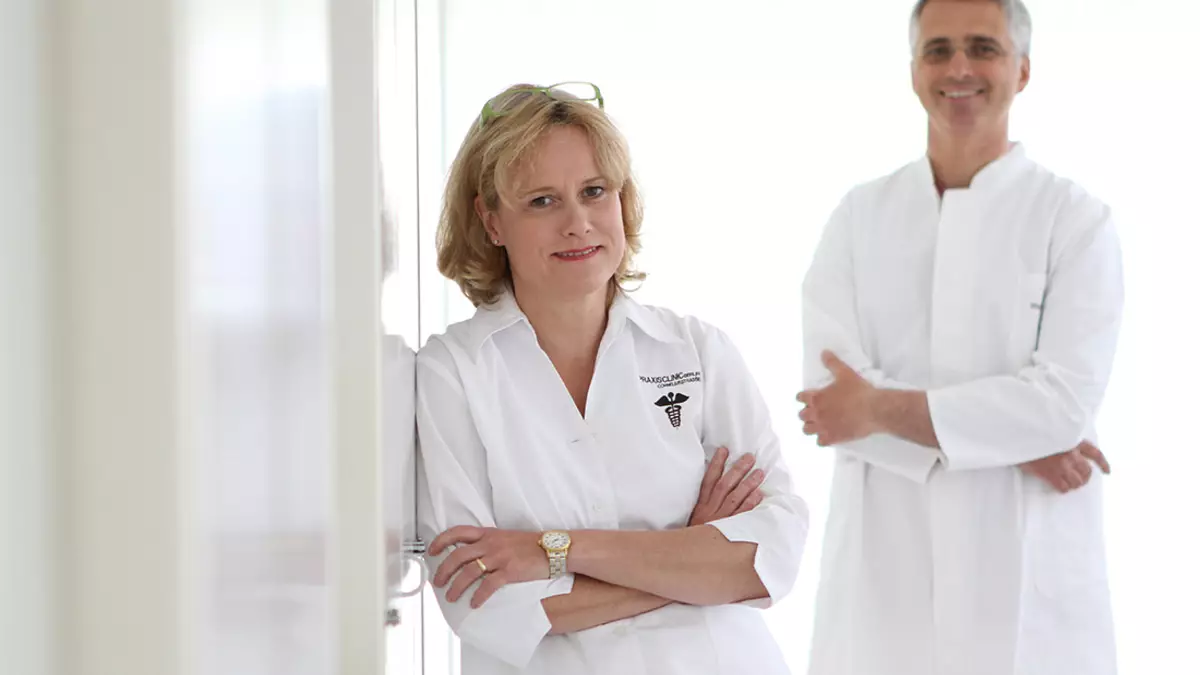
Against this backdrop, Zahnarzt-Praxis Berlin Steglitz (Dr. Djamchidi & A. Jannack) stands out as far more than just another address on the map. This Dental Practice in Berlin Steglitz combines the rare medical authority of a double-licensed physician and dentist with the meticulous, tooth-preserving focus of an experienced endodontic and aesthetics practitioner. For international patients and locals alike, it offers something that is surprisingly hard to find: scientifically grounded expertise, clear communication in English, and a warm, human approach that takes your fears seriously.
Located in a classic Altbau not far from Schloßstraße, at the heart of Berlin’s southwest between Steglitz and Zehlendorf, this practice brings together the charm of historic Berlin architecture with modern, minimally invasive dentistry and oral surgery. Here, the team understands that you are not just seeking healthy teeth – you are looking for clarity, safety, and a sense of being genuinely understood.
One of the most distinctive features of Zahnarzt-Praxis Berlin Steglitz is the background of Dr. Djamchidi. Unlike the vast majority of dentists, he holds a double approbation – he is both a fully licensed physician and ear, nose and throat (ENT) specialist, and a qualified dentist. This combination is exceptionally rare and offers a unique safety benefit, especially in complex fields such as implantology and oral surgery.
Why does this matter in practice? Dental implants, sinus lifts and other surgical procedures are not confined to the teeth alone. They are performed in a region where multiple highly sensitive structures meet: the maxillary sinus floor, the nasal cavity, the roots of the upper molars and premolars, and the delicate nerves and blood vessels of the midface. Every implant placed in the upper jaw has a relationship to the maxillary sinus – the air-filled space behind your cheeks that plays a key role in breathing and resonance.
A dentist trained solely in dentistry sees this region primarily from the perspective of bone height, prosthetic planning and bite function. A medically trained ENT specialist, by contrast, looks at the same area as part of a functional, breathing, mucosa-lined system that drains into the nasal cavity. When a single person combines both perspectives – the dentist’s view and the ENT physician’s view – decisions about whether, where, and how to place an implant become far more nuanced and safer.
For example, in advanced implantology there are situations where the natural bone of the upper jaw is too thin or too close to the maxillary sinus floor. To secure a stable implant, a sinus lift may be necessary – a procedure in which the sinus membrane is carefully elevated and bone substitute material is placed underneath to gain height. While sinus lifts are considered routine in modern oral surgery, they still require exceptional precision. Perforating the sinus membrane can lead to complications, and an undetected or pre-existing sinus disease can increase the risk of infection or chronic problems.
Here, the double qualification of Dr. Djamchidi becomes a direct safety factor. As an ENT specialist, he is deeply familiar with the structure and function of the paranasal sinuses, including the delicate membrane lining, normal and pathological variations, and the drainage pathways into the nose. He can evaluate the condition of the sinus clinically and radiologically, interpret imaging not only from a dental, but also from a medical ENT perspective, and recognise risk factors such as chronic sinusitis, polyps, or mucosal thickening before they cause trouble.
As a dentist and implantologist, he then integrates this information into a minimally invasive surgical plan. Instead of treating the sinus merely as an anatomical obstacle, he considers it as a living organ system. This dual insight can mean, for example, choosing a shorter implant to respect sinus anatomy, combining or staging treatments in a way that supports sinus health, or modifying the surgical technique to reduce trauma to the sinus membrane. For patients, that translates into a lower risk of post-operative sinus problems and a smoother recovery.
The physician’s background also plays a role in understanding your overall health – medication interactions, chronic conditions, allergies – and how they affect implantology and oral surgery. If you have cardiovascular disease, diabetes, autoimmune conditions, or are taking blood thinners, it is reassuring to know that your implant surgeon is thinking with both a dental and a medical brain. In practical terms, this means more precise risk assessment, better coordination with your general practitioner or specialist, and a customised plan that respects your whole body, not just your teeth.
In addition, questions of biocompatibility – how well implant materials, bone substitutes or sutures are tolerated by your body – are viewed through a medical lens. Being able to link systemic symptoms, immune reactions or previous medical history with dental choices provides another layer of safety for patients who are concerned about long-term health and not only about replacing a missing tooth.
When you sit in the chair for an implant consultation at this Dental Practice in Berlin Steglitz, you are not simply receiving an evaluation of bone and prosthetics. You are receiving what might be called a "double view" – a comprehensive ENT and dental assessment of the region where dentistry and medicine meet. For expats accustomed to multi-disciplinary care back home, this combination offers a rare level of reassurance in Berlin.
If the "double approbation" of Dr. Djamchidi brings a strong medical and surgical dimension to the practice, the work of Annette Jannack brings a different, but equally important focus: maximum tooth preservation, endodontics, and aesthetics. Her philosophy can be summarised in one guiding principle: save the natural tooth whenever reasonably possible – Zahnerhalt vor Zahnersatz.
Endodontics, often referred to simply as root canal treatment, is one of the most misunderstood areas of dentistry. Many people imagine pain, endless appointments, or unreliable results. In reality, modern endodontics – especially when carried out with magnification and precise instruments – is one of the most powerful tools we have to preserve a natural tooth that might otherwise be lost.
Inside each tooth lie the root canals, tiny channels that contain nerves, blood vessels and connective tissue. When deep decay, cracks, or trauma allow bacteria to invade this space, the tissue becomes inflamed or infected. If left untreated, this can lead to severe pain, swelling, and abscesses, and can even affect your general health. The traditional solution used to be extraction. Today, thanks to advanced endodontic techniques, many of these teeth can be saved and remain functional for many years.
In the hands of a practitioner like Annette Jannack, root canal treatment is a carefully structured, technically demanding procedure. Under magnification, she identifies even finely divided root canals, shapes them gently with specialised instruments, disinfects them thoroughly with activated irrigants, and seals them with modern, biocompatible materials. This focus on microscopic dentistry – seeing and treating the smallest anatomical details – is what often makes the difference between a root canal that merely "tries" to help and one that has a high long-term success rate.
For patients, the benefit is not only medical, but also emotional and financial. Preserving a natural tooth means maintaining your natural chewing function and preserving bone, which in turn supports neighbouring teeth and the overall symmetry of your smile. It can also postpone or remove the need for complex prosthetic solutions such as bridges or implants. While implantology is an excellent option when a tooth cannot be saved, a carefully performed endodontic treatment can often keep that step unnecessary for a long time.
Endodontics in this practice is also closely linked to aesthetics and function. Once the internal infection has been treated, the outer part of the tooth is often rebuilt with high-quality fillings, inlays or crowns that match the colour, shape and translucency of your natural teeth. The goal is not only a symptom-free, infection-free tooth, but also a result that you are happy to see in the mirror every day.
This preservation-first mindset shapes the entire treatment strategy. When you come in with a major problem – a severely damaged tooth, pain when chewing, or a recommendation elsewhere for extraction – you can expect a detailed second opinion. Instead of rushing to remove the tooth and place an implant, Jannack will explain whether there is a realistic chance of saving the tooth via endodontics or other conservative measures. The emphasis is on honest, evidence-based guidance: if keeping the tooth is feasible and sensible, that route is explored; if it is not, you will receive a clear and transparent explanation of why a replacement is the healthier long-term choice.
This approach resonates deeply with many international patients familiar with the idea that "the best implant is the tooth you never had to remove." Combined with high standards of prophylaxis – professional cleanings, early detection of decay, and tailored home-care advice – the focus in this practice is firmly on tooth preservation first, replacement second.
Of course, knowledge and technique alone are not enough to make a dental visit feel safe – especially if you struggle with dental anxiety. Many expats admit, sometimes sheepishly, that they have avoided the dentist for years, either back home or since arriving in Berlin. Past traumatic experiences, fear of pain, or simple embarrassment about the condition of their teeth can make even calling for an appointment daunting.
The team at Zahnarzt-Praxis Berlin Steglitz is acutely aware of this reality. Their "anxiety-free" concept starts long before you sit in the treatment chair. It begins with a calm, respectful reception, clear explanations in both German and English, and the explicit invitation to speak openly about your fears. You will not be judged for having delayed treatment, for feeling ashamed, or for needing more time to make decisions.
During treatment planning, great care is taken to explain each step in simple terms: what will happen, what you may feel, and how long it will take. Visual aids such as radiographs or intraoral images can be shown and interpreted in a language you can understand, so that you never feel left in the dark. This transparent approach is particularly valuable for patients from countries where informed consent and shared decision-making are the norm – it helps bridge the cultural gap to the German healthcare system.
When it comes to actual procedures, the practice offers various options to make them as comfortable as possible. Standard local anaesthesia is used generously and patiently, with enough time for it to take full effect before any work begins. For those with pronounced dental anxiety or a strong gag reflex, options such as sedation or so-called twilight sleep (conscious sedation) may be discussed. Under twilight sleep, you remain responsive but deeply relaxed and typically remember little of the procedure afterward, which can be a game changer for anxious patients facing longer sessions.
For some patients, complementary approaches such as gentle homeopathic support or relaxation techniques can be integrated, as long as they are safe and clearly distinguished from evidence-based medical care. Crucially, the emphasis is never on forcing a method on you, but on listening to your concerns and tailoring a strategy that allows you to move forward step by step. Whether you are there for a simple prophylaxis appointment or a complex oral surgery, the priority is that you feel seen, heard and in control.
Part of feeling comfortable in a new city is also feeling oriented in physical space. Zahnarzt-Praxis Berlin Steglitz is located in a classic Altbau – a historic Berlin building with high ceilings, characteristic facade and the sort of stairwell that many locals associate with "real" Berlin living. This setting contributes to a warm, authentic atmosphere that is very different from some anonymous clinic environments.
However, historic charm comes with a very practical limitation: the building does not have an elevator. Access to the practice is via stairs, which means that the premises are not barrier-free. For patients with significant mobility impairments, this can be a serious obstacle, and the team is open and honest about this condition. If you or a family member have reduced mobility, it is strongly recommended to discuss access details by phone before booking, to ensure safety and comfort.
On the positive side, the location in Berlin’s southwest between Steglitz and Zehlendorf is easy to reach for many residents and expats. The practice is situated within reach of Schloßstraße, one of Berlin’s main shopping streets, well-known for its mix of boutiques, malls and cafés. Public transport connections in the area are excellent, and for those arriving by car, there are generally reasonable parking options in the surrounding streets compared to more central districts.
This combination – a traditional Berlin Altbau, central yet calmer surroundings, and realistic communication about accessibility – makes the experience feel distinctly local without sacrificing the professionalism and modern standards international patients expect.
To help you imagine what it is like to become a patient at this Dental Practice in Berlin Steglitz, consider the journey of a hypothetical new patient – an English-speaking professional who has recently moved to Berlin and has been postponing dental care due to uncertainty and fear.
The journey begins even before you step into the building. When you visit the practice website, you find information in clear language, including the background of both practitioners and their areas of focus – implantology, oral surgery, tooth preservation, prophylaxis and aesthetics. Seeing that one practitioner is both a physician and dentist, and that the other is deeply specialised in endodontics, gives you an initial sense of security. You use the contact form or call to schedule an appointment, relieved to hear fluent English on the phone and a friendly, unhurried tone.
On the day of your visit, you arrive a little early to allow time to fill in the anamnesis forms. As you climb the stairs of the Altbau, you notice the typical Berlin stairwell – original banisters, high windows, the quiet echo of footsteps. Inside the practice, the atmosphere is calm and uncluttered. Instead of feeling like a number in a system, you are greeted by name and given time to sit, breathe, and review your medical history forms.
During the anamnesis, you are asked not only about your dental concerns, but also about your general health: medications, chronic illnesses, allergies, past surgeries. When you mention that you have had sinus issues in the past and that another dentist back home recommended an implant in the upper jaw, you see that the information is taken very seriously. It is comforting to know that someone with ENT training will be evaluating your case.
The consultation itself is a conversation, not a monologue. Your dentist listens carefully as you explain your symptoms, fears and expectations. Radiographs or 3D imaging may be taken to assess the condition of your teeth, jawbone and maxillary sinus floor. The images are then shown to you on a screen and explained step by step: where the bone is sufficient, where it is thinner, how close roots or future implants would be to the sinus cavity, and what this means for treatment.
If an implant is indeed advisable, you hear how the double qualification in medicine and dentistry informs the plan – for example, by evaluating sinus health from an ENT perspective, or by choosing a minimally invasive surgical route that reduces trauma to neighbouring structures. If, on the other hand, there is a tooth that might still be saved, you are introduced to the possibility of a high-quality root canal treatment instead of extraction. The pros and cons of each option are laid out transparently, in English, with no rush to push you in any particular direction.
Before any major procedure, prophylaxis and stabilisation of your overall oral environment are addressed. A professional cleaning helps reduce bacterial load and gives a clearer picture of your gums and tooth surfaces. Instructions for at-home care are adapted to your habits and what is realistically achievable in your daily life, not an idealised scenario. This is especially relevant for expats adjusting to new routines and possibly dealing with travel, childcare or demanding jobs.
On the day of treatment – whether for root canal work, implant placement, or another procedure – the anxiety-free approach is visible again. The steps are reviewed once more; you are reminded of the sedation or anaesthesia plan; and you are invited to say if you need a pause at any time. During a root canal session with Annette Jannack, for example, you might notice the use of fine instruments, rubber dam isolation and careful, unhurried movements under magnification. The sensation is more one of precision and focus than of brute force.
After the procedure, post-operative instructions are given in detail, including what to expect in terms of discomfort, how to manage pain safely with medication, and when to return for follow-up. In the case of implants, you will learn how the bone will integrate with the implant surface over time (osseointegration) and what steps are planned for the final prosthetic crown. In the case of endodontics, you will hear how the disinfected root canals will help your body heal and why a suitable final restoration is crucial for long-term stability.
Throughout this journey, you are encouraged to ask questions, to seek a second opinion if you wish, and to come back for regular prophylaxis visits that help protect the investment you are making in your oral health. Bit by bit, the unknown German healthcare system begins to feel less foreign, and the word Zahnarzt becomes associated not with fear, but with a team of people you know and trust.
Choosing a dental practice in a new city is ultimately about more than just qualifications on paper. It is about feeling that your unique situation – as an expat, as a person with a specific medical history, as someone who may be anxious or time-pressed – is genuinely understood. Zahnarzt-Praxis Berlin Steglitz (Dr. Djamchidi & A. Jannack) brings together an unusual blend of strengths that address exactly these needs.
You benefit from the double approbation of a practitioner who is both a physician and an ENT specialist as well as a dentist, especially if you require implantology or oral surgery near the sensitive maxillary sinus floor. This comprehensive medical and dental perspective adds a layer of safety and nuance that is rarely available in a single person. At the same time, you have access to a dedicated endodontics and aesthetics specialist whose commitment to tooth preservation, microscopic dentistry and biocompatible methods helps save teeth that might otherwise be lost.
Overlaying this clinical expertise is a practice culture built around empathy, transparency and communication in English. Dental anxiety is not dismissed; it is addressed with practical tools like sedation and twilight sleep, and with the equally important human tools of patience and respect. The location in a classic Steglitz Altbau, with its characteristic stairs and non-barrier-free access, offers a slice of authentic Berlin architecture, while still being conveniently placed near Schloßstraße and the broader Berlin southwest, including Zehlendorf.
For international residents and locals alike, this combination – high-level medical and dental training, advanced tooth preservation, an anxiety-aware environment, and a central yet neighbourhood-like location – makes Zahnarzt-Praxis Berlin Steglitz a compelling choice. Whether you are seeking a thorough second opinion, planning complex implants, hoping to finally address a long-standing dental problem, or simply looking for a reliable partner in prophylaxis and ongoing care, this practice provides a trustworthy, well-rounded home for your oral health in Berlin.
In a city full of options, few places unite such medical depth with such a personal, expat-friendly approach. If you are ready to move from uncertainty to informed, confidence-building care, this Dental Practice in Berlin Steglitz offers exactly that: a safe, medically grounded, and genuinely human space to look after your smile.
Disclaimer regarding our articles: No investment advice, no buy or sell recommendation. Information on prices, companies, and markets is provided without guarantee; changes are possible at any time. Stock market transactions can lead to substantial losses. Our articles are created and reviewed in whole or in part automatically with the support of AI.