A Dental Practice in Berlin Steglitz Where Medicine and Dentistry Meet
Published on 04/22/2026 at 07:01 | Editorial responsibility: Rafael Müller, Editor-in-Chief AD HOC NEWS
Moving to a new country is exciting, but it can also make even simple things feel complicated. Many international residents in Berlin discover this the moment they need a dentist. Suddenly, there are new systems, health insurance rules, and medical terms in a different language. The search for a truly trustworthy dental practice becomes more than just a Google query; it becomes a question of safety, communication, and feeling understood.
For many expats and internationally minded Berliners, dentistry is also closely tied to emotion. Perhaps you had a difficult experience in the past. Perhaps you postponed treatment because of dental anxiety or a fear of pain. When you finally decide to seek help, you want more than a quick fix. You want a team that listens, explains clearly in English, and plans treatment with your whole health in mind, not just your teeth.
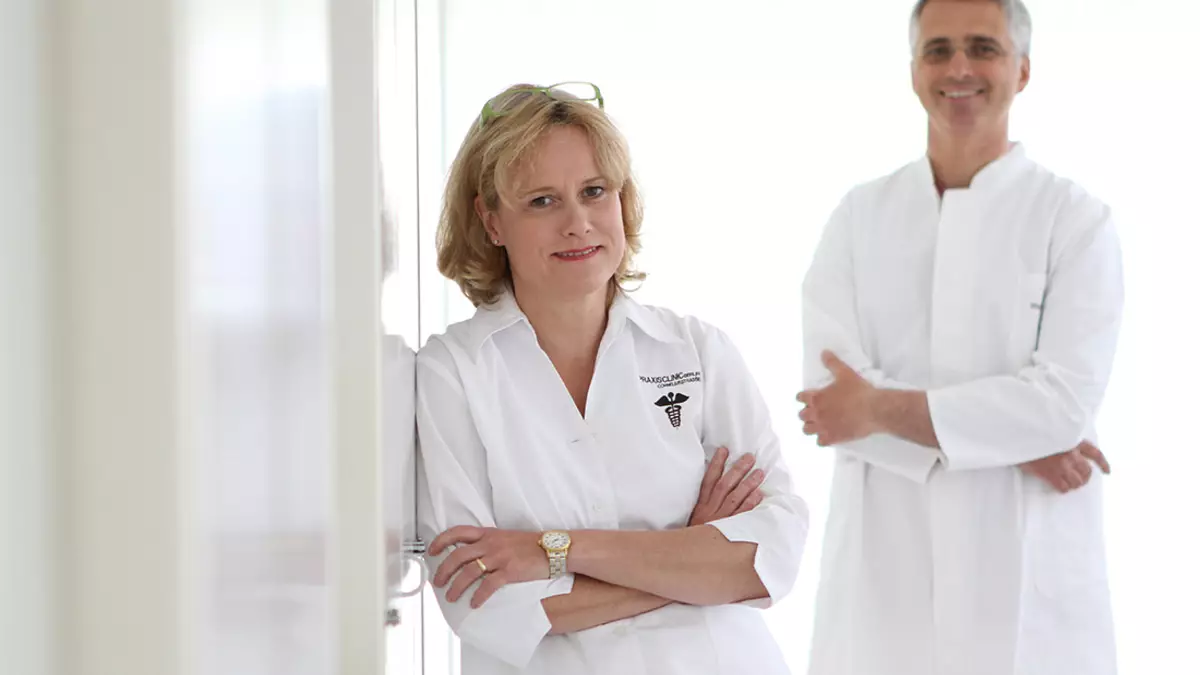
In Berlin-Steglitz, the Dental Practice (Zahnarzt-Praxis) of Dr. Djamchidi & A. Jannack offers precisely this combination: high-end medical and dental expertise, a calm and respectful atmosphere, and a particular strength in complex implantology, oral surgery, tooth preservation, and aesthetic dentistry. Located in a classic Altbau building near Schloßstraße in the southwest of Berlin, this practice has become a reference point for patients from Steglitz, Zehlendorf, and far beyond who are seeking quality, transparency, and a personal connection.
For international patients, one of the main challenges in Germany is understanding how the healthcare landscape works. In many countries, a dentist is primarily seen as a separate specialist who focuses only on the mouth and teeth. In Berlin, you may find that some dental practices are highly specialized, while others offer a broader medical background. It is in this context that the unique profile of this Dental Practice in Berlin Steglitz stands out.
Head of the practice, Dr. Djamchidi, holds what in Germany is referred to as a "double Approbation". This means he is fully qualified and licensed both as a physician and as a dentist. More specifically, he is an ENT (Ear, Nose, Throat) specialist and a dentist with a strong focus on implantology and oral surgery. For patients, this double qualification is not just a title. It translates into a deeper understanding of how the mouth, jaw, nose, sinuses, and airways interact.
When planning dental implants, sinus lifts, or other surgical treatments in the upper jaw, the proximity to the maxillary sinus floor becomes crucial. The roots of the upper molars and premolars often lie very close to the sinus cavity. An ENT and dental expert like Dr. Djamchidi is trained to interpret this anatomical interface from both perspectives: the surgical demands of implantology and the functional vulnerability of the sinus and nasal system. This combined view significantly enhances safety, especially in more complex situations.
At the same time, co-practice owner and dentist Annette Jannack provides a complementary focus on endodontics and aesthetic dentistry. Where many practices might lean quickly towards extraction and replacement, she is known for her philosophy of "saving the tooth before replacing it" (Zahnerhalt vor Zahnersatz). With advanced root canal treatment techniques, microscopic dentistry, and a passion for preserving natural structure, she offers a sophisticated form of tooth preservation that appeals to patients who want biologically respectful, minimally invasive solutions.
Behind all of this is a shared conviction: a modern dental practice should combine science-based treatment with human empathy. It should provide clear explanations, options such as sedation or twilight sleep for anxious patients, and an environment where questions are not only welcome but expected. For someone arriving from abroad, uncertain about the German healthcare system and perhaps intimidated by the word "Zahnarzt", this can make all the difference.
To understand why a double degree in medicine and dentistry is so valuable in implantology and oral surgery, it helps to briefly look at the anatomy of the upper jaw. Above the roots of the upper back teeth lies the maxillary sinus, a hollow, air-filled space that forms part of the facial skeleton and the respiratory system. The thin bone between the tooth roots and the sinus cavity is known as the maxillary sinus floor.
When teeth in this region are lost, the bone that once held them in place gradually shrinks. This makes it harder to place dental implants of adequate length and stability. In such cases, a sinus lift procedure can be performed: bone is gently added under the sinus floor, lifting the membrane slightly upward and creating more vertical height for implants.
This intervention is technically demanding. The surgeon must work very close to delicate soft tissues and structures that affect breathing, sinus drainage, and the risk of infection. An ENT specialist is trained to evaluate sinus health, nasal breathing, and the overall condition of the upper airway system. When that ENT specialist is also your implant dentist, as in the case of Dr. Djamchidi, the planning of an implant and sinus lift becomes more holistic.
Instead of treating the jaw in isolation, he can consider existing sinus problems, previous nasal surgeries, or chronic infections that might influence healing. He can interpret imaging of the sinuses with the same confidence as a specialist in a hospital setting, assess whether a sinus lift is advisable, and choose minimally invasive approaches wherever possible. For patients, this dual expertise means a lower risk of complications, such as sinusitis after implant placement, and a more tailored solution when standard treatment plans are not sufficient.
Moreover, many systemic medical conditions, such as allergies, respiratory disorders, or chronic inflammatory diseases, require careful integration into dental treatment planning. A physician-dentist like Dr. Djamchidi can directly interpret your medical history, medications, and potential interactions without always needing external consultations. This is particularly reassuring for older patients, those with cardiovascular conditions, or anyone requiring oral surgery under specific precautions.
Imagine you are an international professional living near Schloßstraße or in nearby Zehlendorf. You might need an implant to replace a lost molar that has been missing for years. You may already know that the bone has resorbed and that a sinus lift has been recommended elsewhere. Stepping into a practice where your implantologist can also examine your nasal airflow, understand your history of sinus infections, and design an implant plan that respects both chewing function and respiratory health can feel like a significant upgrade in safety and comfort.
In addition to his ENT and dental qualifications, Dr. Djamchidi focuses on minimally invasive surgical techniques. Whenever possible, incisions are kept small, bone preservation is prioritized, and procedures are conducted in a way that aims to minimize post-operative swelling and discomfort. For international patients worried about recovery time, days off work, or the logistics of combining treatment with travel, this gentle approach is particularly valuable.
While implants and oral surgery often attract the most attention, everyday dental health is built on prevention and the reliable preservation of existing teeth. This is where the expertise of dentist Annette Jannack becomes central. Her special interest lies in endodontics, the field that deals with the inside of the tooth, particularly the root canal system.
Many people associate root canal treatment with pain and multiple visits. Modern endodontics, however, can be a precise, comfortable, and highly successful procedure when conducted with the right tools and training. In this practice, root canal therapy is not seen as a last resort, but as a proactive way to preserve a tooth that would otherwise be lost. The philosophy "Zahnerhalt vor Zahnersatz" guides each decision: better to keep your natural tooth, when medically sensible, than to remove it and replace it with a crown, bridge, or implant.
During root canal treatment, the inflamed or infected pulp inside the tooth is removed. The canals are then cleaned, shaped, disinfected, and sealed to prevent reinfection. The quality of this procedure directly influences the long-term survival of the tooth. Here, microscopic dentistry plays a key role. Using magnification, special lighting, and fine instruments, Annette Jannack can locate and treat intricate canal structures that would be nearly impossible to manage with the naked eye.
This level of precision reduces the risk of missed canals, residual bacteria, or microleakage, all of which can lead to persistent symptoms and eventual tooth loss. For patients worried about biocompatibility and the body's reaction to dental materials, careful selection of filling and sealing substances adds another layer of reassurance. The goal is a biologically respectful, stable restoration that integrates smoothly into your overall oral health.
In combination with her skills in aesthetic dentistry, this tooth-preserving approach can be transformative. Instead of immediately proposing crowns or veneers on structurally compromised teeth, she often explores whether reinforcement, onlays, or minimally invasive restorations are feasible. Only when the tooth is beyond saving or clearly compromises your long-term health does replacement become the first option.
This mindset appeals to patients who come from dental cultures where aggressive drilling, early extraction, or quick cosmetic fixes are common. Many expats report that in their home countries, they were never offered the option of high-level endodontic therapy or microscopic dentistry; instead, they were directed straight to implants or bridges. In the Steglitz practice of Dr. Djamchidi and Annette Jannack, your own tooth is given every reasonable chance to remain part of your smile.
The term "holistic" is often used loosely in healthcare, but in this Dental Practice in Berlin Steglitz it has a concrete meaning: consider the whole person, not only the tooth. Dental anxiety is taken seriously here, not dismissed as an overreaction. Many patients, especially those who have moved between countries and healthcare cultures, carry hidden fears from childhood experiences, previous trauma, or stories they have heard from friends and family.
The team understands that for some people, even making the first appointment is a major emotional step. From the first phone call, clear and gentle communication is prioritized. English-speaking staff can explain procedures, discuss your medical history, and clarify what German insurance might cover. During consultations, time is set aside so you can ask all your questions without feeling rushed.
For patients with strong dental anxiety, several additional options are available. Sedation and so-called twilight sleep (conscious sedation) can help you experience treatment in a deeply relaxed state. Local anesthesia ensures that procedures are pain-free, while sedative medications reduce awareness and memory of the treatment. This can be particularly useful for longer sessions, such as multiple implant placements or complex root canal work.
Some patients also appreciate supportive approaches, such as gentle communication techniques, the option to pause treatment at any time by raising a hand, or the use of homeopathic remedies as a complementary measure if desired. While the practice is firmly grounded in evidence-based medicine and dentistry, it does not ignore the psychological and emotional dimensions of care. The atmosphere is designed to be warm rather than clinical, with an emphasis on respect, privacy, and individual pacing.
This combination of advanced clinical options and genuine empathy can be especially helpful for those who have postponed necessary treatments for years. International residents who may feel uneasy about explaining their fears in German often find relief in being able to have these conversations in English, with a dentist who understands both the medical and emotional context.
The practice is located in Berlin-Steglitz, a district in the southwest of the city known for its mix of classic architecture, residential calm, and bustling shopping areas like Schloßstraße. The building itself is a traditional Berlin Altbau, with characteristic high ceilings and historical details. This gives the practice a charm that many patients appreciate, but it also comes with a practical note: the building is not barrier-free, and there is no elevator. Access is via stairs.
Rather than hiding this fact, the team communicates it openly, so patients can plan accordingly. For many Berliners, climbing the stairs of an Altbau is part of the city's identity and daily rhythm. If you enjoy the idea of experiencing the "classic Berlin" feel, you may even appreciate this authentic detail. However, for individuals with mobility limitations, this lack of elevator is an important factor to consider. The reception staff can provide precise information about the number of steps and discuss whether assistance is possible in your specific case.
On the positive side, the location is highly convenient. Steglitz sits at the meeting point of several main traffic routes in Berlin Southwest, and public transport connections via bus, S-Bahn, and U-Bahn make reaching the practice straightforward from central Berlin, Zehlendorf, or neighboring districts. For those arriving by car, parking options in nearby streets or parking garages around Schloßstraße are usually available, especially if you allow a little extra time.
This central yet residential setting makes the practice attractive to a wide range of patients: local families from Steglitz, professionals commuting in from Zehlendorf, students and researchers from nearby universities, and expats who have chosen Berlin Southwest as their base. After an appointment, you can easily run errands along Schloßstraße, enjoy a café, or continue your day with minimal disruption.
To help you imagine what your own experience might look like, consider the following hypothetical patient journey. You are an English-speaking professional who has recently moved to Berlin for work. After ignoring a sensitive tooth for months, you finally search online for a "dental practice Berlin Steglitz" and discover the Zahnarzt-Praxis of Dr. Djamchidi & A. Jannack. You are particularly drawn to the combination of medical and dental expertise, the focus on endodontics, and the explicit mention of support for anxious patients.
You call the practice, and a member of the team answers in German but quickly switches to fluent English when you ask. You explain that you have dental anxiety and are unsure whether you need a root canal or an extraction. The receptionist calmly walks you through the process: first appointment for diagnosis and consultation, possible X-rays, and then a discussion of treatment options with either Dr. Djamchidi or Annette Jannack, depending on your needs.
On the day of your visit, you arrive a little early and climb the Altbau stairs, noticing the feeling of entering a classic Berlin building. Inside, the practice is bright and orderly, with a balance of professional equipment and a welcoming atmosphere. At the desk, you are handed a medical history form, available in German, but the staff offers to help translate any questions you do not understand. You note allergies, previous surgeries, and any medications you are taking.
During the anamnesis, your dentist takes time to review your health background, not just your dental record. Because of his dual training as a physician and dentist, if you see Dr. Djamchidi, he pays special attention to your respiratory health, sinus history, and any systemic conditions that might influence treatment. If you see Annette Jannack, she focuses in detail on your dental history, sensitivity to previous treatments, and your wishes regarding aesthetics and tooth preservation.
Diagnostic imaging is performed, typically digital X-rays, and in more complex cases three-dimensional imaging such as CBCT may be used to evaluate the maxillary sinus floor, root morphology, and bone volume. Your dentist then invites you to look at the images together on a screen. In clear, simple English, they explain what they see: the depth of a cavity, the presence of an infection at the tip of a root, or the extent of bone loss in a missing-tooth area.
Rather than dictating a single solution, multiple options are presented. For example, if you have an inflamed tooth that could be saved, endodontic root canal treatment with microscopic assistance is outlined, including its success rates, steps, and timeline. If the tooth is cracked beyond repair, extraction and possible implant placement are discussed. Where relevant, the impact on the sinus and the need for a sinus lift are explained in detail. You are encouraged to ask questions; nothing is brushed aside as "too technical".
If you mention that you are very nervous about treatment, sedation options are reviewed. For some procedures, twilight sleep can be organized so that you remain responsive but relaxed and later recall very little of the session. Local anesthetic is always used to ensure a pain-free experience, and the dentist checks in frequently throughout the procedure to confirm your comfort.
Once you have chosen a treatment path, a transparent cost estimate is prepared, tailored to your type of insurance (statutory, private, or self-paying). The staff can help you understand what German health insurance typically covers for root canals, implants, and prophylaxis, and what may require out-of-pocket investment. For expats unfamiliar with terms like "Heil- und Kostenplan", this guidance is especially helpful.
On treatment day, you are welcomed back by familiar faces. If you opted for sedation, specific instructions about eating, drinking, and accompaniment are reviewed. During the procedure itself, whether it is a root canal by Annette Jannack or an implant placement by Dr. Djamchidi, the focus remains on gentle, precise, and minimally invasive technique. Advanced instruments, microscopic dentistry, and careful handling of soft tissues all contribute to a smoother recovery.
Afterwards, you receive written and verbal post-operative instructions, again in clear English if you prefer. You are advised about pain management, oral hygiene around the treated area, and warning signs that would warrant a follow-up call. A control appointment is usually scheduled to assess healing, finalize restorations, or, in the case of implants, proceed with the prosthetic phase once integration is complete.
Over time, as trust grows, you may shift from crisis-driven visits to a preventive rhythm. Regular prophylaxis sessions, professional tooth cleaning, and check-ups help maintain your oral health and protect the investment you have made in treatments. The practice's focus on tooth preservation, biocompatibility, and minimally invasive care supports a long-term strategy: keep your mouth healthy with as little intervention as necessary, and with as much precision as the situation requires.
For international residents of Berlin, the choice of a dental practice often depends on a combination of factors: language, expertise, location, atmosphere, and the ability to handle complex cases with confidence. The Zahnarzt-Praxis of Dr. Djamchidi & A. Jannack in Berlin-Steglitz brings together several rare strengths in one place.
First, the double Approbation of Dr. Djamchidi as both physician and dentist, and his specialist training in ENT and implantology, provide a sophisticated level of safety and planning for surgical and implant procedures, especially those involving the maxillary sinus floor and the nasal region. For patients needing sinus lifts, bone augmentation, or implants near delicate anatomical structures, this dual perspective is a significant advantage.
Second, the practice's emphasis on endodontics and microscopic dentistry under the guidance of Annette Jannack ensures that tooth preservation remains a priority whenever medically sensible. Instead of quickly resorting to extractions and prosthetics, the team invests in advanced root canal treatment, high-quality restorations, and a philosophy of "saving the tooth before replacing it". This approach resonates with patients who value their natural teeth and seek long-term, biocompatible solutions.
Third, the atmosphere is deliberately designed to be anxiety-aware and supportive. Options such as sedation and twilight sleep, along with empathetic communication and the possibility of English-speaking consultations, make it easier for nervous or trauma-affected patients to finally address long-postponed dental issues. For many expats, simply knowing that their dentist understands both their language and their fears can be the decisive factor in making that first appointment.
Fourth, the location in Berlin Southwest, close to Schloßstraße and well connected to Steglitz and Zehlendorf, offers a practical balance of accessibility and neighborhood calm. The historic Altbau setting, with its typical Berlin stairs and architectural character, gives the practice a sense of local identity. While it is important to acknowledge that the building is not barrier-free and requires climbing stairs, this is communicated openly and honestly so patients can make fully informed decisions.
Finally, the practice’s comprehensive view of oral health, integrating implantology, oral surgery, endodontics, prophylaxis, and aesthetics, means that you do not need to coordinate multiple separate providers for most treatments. Whether you seek a second opinion on a complex case, wish to plan full-mouth rehabilitation, or simply need reliable, regular check-ups with an English-speaking dentist, you can find a consistent team and philosophy under one roof.
In a city as dynamic and diverse as Berlin, having a stable, trustworthy dental home is a quiet but powerful source of security. For both long-term locals and newcomers from abroad, the Dental Practice of Dr. Djamchidi & A. Jannack in Berlin-Steglitz stands out as a place where medical thoroughness, advanced technology, and genuine human care come together. If you are ready to move from uncertainty and avoidance to clarity and confidence about your oral health, this practice offers a thoughtful, medically grounded, and internationally friendly path forward.
Disclaimer regarding our articles: No investment advice, no buy or sell recommendation. Information on prices, companies, and markets is provided without guarantee; changes are possible at any time. Stock market transactions can lead to substantial losses. Our articles are created and reviewed in whole or in part automatically with the support of AI.