A Dental Practice in Berlin Steglitz Where Medicine and Dentistry Meet
Published on 04/21/2026 at 07:01 | Editorial responsibility: Rafael Müller, Editor-in-Chief AD HOC NEWS
Moving to a new country can be exciting, but it also means rebuilding your entire health network from scratch. In Germany, and especially in a large city like Berlin, many expats and international students quickly discover that finding a reliable, English-speaking dental practice is not as straightforward as they hoped. The healthcare system works differently, appointment structures are unfamiliar, and even simple things like insurance forms and medical history questionnaires can feel intimidating. When it comes to your teeth, this uncertainty is magnified—particularly if you already struggle with dental anxiety or have had difficult experiences in the dental chair in the past.
Imagine you wake up one morning in your flat near Schloßstraße in Berlin-Steglitz with a throbbing toothache. You search for a dentist online. You see German terms like "Zahnarzt-Praxis", "Kassenzulassung", "Endodontologie" and you wonder: Will anyone explain things in clear English? Will they understand my concerns, my previous treatments from another country, and the expectations I have when it comes to quality, aesthetics, and modern pain control?
This is where the Dental Practice in Berlin Steglitz of Zahnarzt-Praxis Berlin Steglitz (Dr. Djamchidi & A. Jannack) stands out. Located in a classic Altbau building in the southwest of Berlin, a short distance from Schloßstraße and within easy reach of Zehlendorf, this practice offers more than just fillings and cleanings. It combines a deep medical understanding of the entire head and neck region with highly specialized modern dentistry focused on tooth preservation, implantology, endodontics, and aesthetics. The result is a place where international patients can feel understood, medically safe, and aesthetically cared for.
For many people, going to the dentist is tied to fear. Perhaps you have experienced rushed appointments, unclear explanations, or pain that left you hesitant to sit in a dental chair again. These feelings can be even stronger when you are far from home, in a healthcare system that uses a different language and insurance model. In Germany, dental practices vary widely. Some feel very clinical and impersonal; others might be focused on high-speed treatment without much time for conversation. Expats often worry that they will not be able to communicate their symptoms properly, that they will misunderstand cost estimates, or that no one will take time to discuss options like minimally invasive treatment, sedation, or second opinions.
At the same time, Berlin’s international community tends to have high expectations for medical and dental care. Many people come from countries where modern implantology, advanced oral surgery, and aesthetic dentistry are well developed, and they wish to continue that standard of care in their new home. They also value a holistic approach that considers the entire body, biocompatibility of materials, and long-term tooth preservation rather than quick fixes. This mix of anxiety, high expectations, and unfamiliar bureaucracy is exactly the gap that Zahnarzt-Praxis Berlin Steglitz seeks to bridge.
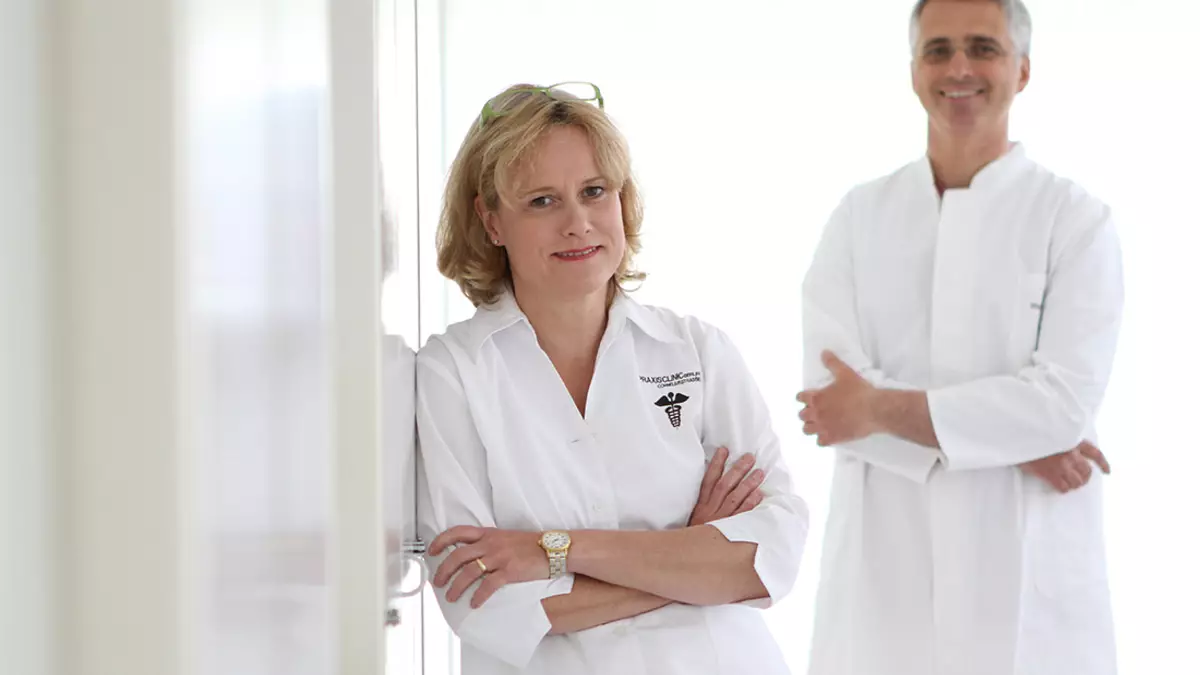
The practice is not just another dental clinic; it is shaped by the unusual profile of its two key practitioners. On one side, you have Dr. Djamchidi, who holds a double approbation—he is both a fully qualified physician and ENT (Ear, Nose and Throat) specialist as well as a dentist. On the other side, you have dentist Annette Jannack, whose focus lies in endodontics, microscopic root canal treatment, tooth preservation, prophylaxis, and aesthetics. Together, they create a treatment philosophy that respects the entire person: your medical history, your fears, your lifestyle, and your aesthetic wishes.
To understand why this double degree—MD and DDS—is so relevant for a modern Dental Practice, especially in the field of implantology and oral surgery, it helps to look at the anatomy. Dental implants do not exist in isolation. They are placed in living bone, surrounded by delicate structures such as nerves, blood vessels, sinus cavities, and the soft tissues of the oral and nasal region. Particularly in the upper jaw, the maxillary sinus plays a crucial role. When bone height is insufficient for implants, procedures such as sinus lift or augmentation of the maxillary sinus floor may be necessary.
In these complex situations, having a practitioner like Dr. Djamchidi—who understands both the dental mechanics of implants and the broader ENT anatomy of the nose, sinuses, and airway—is a major safety advantage. As a physician, he is trained to assess systemic risks such as cardiovascular conditions, bleeding disorders, medication effects (for example, blood thinners or bisphosphonates), and interactions with chronic illnesses. As an ENT specialist, he is deeply familiar with the maxillary sinus floor, the nasal cavity, and the entire upper respiratory system, which lies very close to where upper jaw implants and sinus lifts take place.
For a layperson, the maxillary sinus can be visualized as a hollow space inside the cheekbone, directly above the roots of the upper premolar and molar teeth. When teeth in this area are lost, the bone can shrink over time while the sinus air space expands. To place a stable implant, you need sufficient vertical bone height. In many cases, the solution is a sinus floor elevation—a procedure where the sinus membrane is carefully lifted upward and the space below is filled with bone graft material, allowing new bone to form. This is a delicate process: the membrane must be handled gently to avoid perforation, and the risk of sinusitis or other ENT complications must be carefully managed.
Someone who holds a double approbation, like Dr. Djamchidi, brings two complementary perspectives into the surgery room. He can evaluate pre-existing sinus conditions, nasal septum deviations, or chronic inflammations that might influence healing. He is trained to interpret radiological images not only from a dental point of view, but also from an ENT and medical perspective. This is especially important when planning implants near the sinus floor, or when previous sinus surgery has been performed. It means that the risk of postoperative complications, such as sinus infections or communication between the oral cavity and sinus, can be minimized through precise planning and technique.
Moreover, as a physician, he approaches implantology and oral surgery with a systematic view of the patient’s overall health. For example, if you have diabetes, autoimmune conditions, osteoporosis, or are taking immunosuppressive medication, it can affect how your bone heals around an implant. A combined medical and dental background allows for nuanced decision-making: Is a certain type of implant surface more suitable for your situation? Should the timing of surgery be adjusted in relation to your medications? Are additional blood tests or consultations with your general practitioner needed before proceeding? These questions may not always be fully addressed in a standard dental-only environment, but in this Dental Practice in Berlin Steglitz, they are part of everyday planning.
The concept of minimally invasive implantology also benefits from this dual expertise. When the practitioner understands both ENT and dental aspects, the surgical approach can often be more conservative. For instance, using advanced imaging, the ideal implant position and length can be chosen to avoid critical anatomical structures, reducing the need for more extensive grafting procedures. This not only shortens healing time but often lowers the level of postoperative discomfort, which is particularly reassuring for patients with dental anxiety or busy professionals who cannot afford long downtimes.
Another topic that concerns many expats is sedation and pain management. In some countries, twilight sleep or conscious sedation is almost standard for oral surgery and implantology; in others, it is less commonly available. With a physician’s training, assessment of suitability for sedation, monitoring during the procedure, and safe aftercare can be carried out with a higher degree of medical oversight. For anxious patients, knowing that their implant surgeon also has a broad medical background is deeply reassuring: they feel they are in medically competent hands should any systemic issue arise.
While implantology and oral surgery form one important pillar of the practice, the other equally strong pillar is tooth preservation. This is where dentist Annette Jannack brings her expertise to the forefront. Her focus on endodontics, microscopic dentistry, prophylaxis, and aesthetics reflects a philosophy that in German is often summarized as "Zahnerhalt vor Zahnersatz"—save the natural tooth before replacing it. This approach aligns closely with what many international patients value: keeping their own teeth for as long as possible, with biologically gentle and technically precise treatments.
Endodontics is the discipline concerned with the inside of the tooth: the dental pulp, root canals, and the microscopic pathways through which bacteria can travel. When decay or trauma reaches the inner part of the tooth, a root canal treatment is often the only way to prevent extraction. If done well, a root canal procedure cleans, disinfects, and seals the root system, allowing the tooth to remain in function for many years. If done poorly, persistent bacteria or missed canals can lead to ongoing inflammation, pain, or abscess formation.
Modern endodontics, as practiced by a dedicated clinician like Annette Jannack, is very different from the rushed root canals many people remember from the past. Microscopic dentistry plays a central role. With a dental microscope or advanced magnification, the dentist can see details that are invisible to the naked eye: fine accessory canals, hidden root branches, or tiny fractures in the tooth structure. This enhanced visibility enables more thorough cleaning and shaping of the root canals, more precise placement of biocompatible filling materials, and a significantly higher chance of long-term success.
During a typical root canal treatment in this practice, careful diagnostics come first. High-quality digital X-rays or three-dimensional imaging are used to assess the length, curvature, and number of canals. Many upper molars, for example, have an additional small canal that is easy to miss without magnification. Under local anesthesia, the tooth is isolated with a rubber dam—a thin barrier that keeps saliva and bacteria away from the working field. Then, under microscopic control, the canals are opened, cleaned mechanically with fine instruments, and disinfected chemically using solutions that penetrate into microscopic structures. In some cases, ultrasound activation of the disinfecting fluids is used to enhance their effect.
Biocompatibility is a key consideration in the choice of materials. The root canals are filled with materials that are well tolerated by the body and designed to form a tight seal, preventing re-infection. Afterwards, the tooth is built up, often with a post and core structure, and protected with a high-quality crown. From the patient’s perspective, this process means that a tooth that might have been extracted elsewhere can remain part of their own smile and chewing function. This is especially important for back teeth that play a central role in stable bite function, as well as for front teeth where aesthetics are critical.
The focus on tooth preservation also extends into early-stage treatment and prophylaxis. Regular professional cleanings, tailored prophylaxis programs, and minimally invasive fillings can prevent the need for more complex treatments. For international patients who may not be familiar with the German recall system, the practice offers clear, structured follow-up plans so that no important preventive visit is missed. This proactive approach supports not only oral health but overall well-being; untreated inflammation in the mouth can have systemic effects, and preserving teeth reduces the need for prosthetics or implants later on.
Aesthetics are another area where Annette Jannack’s work shines. Many expats work in international environments in Berlin and value a bright, natural-looking smile for personal and professional reasons. The practice offers aesthetic solutions that respect the individual’s facial features and cultural expectations. This includes tooth-colored composite fillings, high-quality ceramic inlays, veneers, and crowns that are designed not to look "artificial" but harmoniously integrated with the person’s overall appearance. The guiding principle is that function and aesthetics go hand in hand: a beautiful restoration should also be durable, biomechanically sound, and compatible with the surrounding teeth and gums.
Despite all the technical expertise in implantology, oral surgery, tooth preservation, and aesthetics, many patients will still ask a simpler question first: Will I feel safe and calm here? Dental anxiety is not rare; it is one of the most common reasons people avoid regular check-ups, leading to bigger problems down the road. For expats, anxiety can be compounded by the fear of not understanding instructions, signing something they do not fully grasp, or not being able to express pain accurately in German.
Zahnarzt-Praxis Berlin Steglitz is consciously designed to meet these fears with empathy and structure. The team is experienced in caring for anxious patients and places emphasis on clear communication—both in German and in English. Before any procedure, there is time for discussion: What exactly will happen? What are the alternatives? How will pain be managed? Patients are encouraged to share previous experiences, allergies, or specific triggers that make them nervous. By listening attentively, the team can adapt the treatment pace and style to each individual.
Pain control is modern and multi-layered. Local anesthesia is standard for invasive procedures, and the techniques are refined to make the injection itself as gentle as possible. For patients with a strong fear of needles or invasive treatment, options such as sedation or twilight sleep can be discussed, depending on the medical situation. Here again, having a medically trained practitioner like Dr. Djamchidi involved in planning and monitoring sedation contributes to safety and peace of mind.
Beyond pharmacological measures, the practice also recognizes the value of a calm environment and supportive communication. Some patients appreciate complementary approaches, such as gentle homeopathic support or relaxation techniques. While these methods do not replace evidence-based medicine, they can enhance subjective comfort and help reduce anxiety. The team’s goal is to create an atmosphere where even those who usually avoid dentists feel they can gradually rebuild trust—visit by visit.
One of the distinctive characteristics of this Dental Practice in Berlin Steglitz is its setting in a classic Berlin Altbau. The building reflects the architectural style typical of Steglitz and Berlin’s southwest: high ceilings, historic facades, and a sense of old-world charm that many residents and newcomers find deeply appealing. It is part of what gives the neighborhood surrounding Schloßstraße and the adjacent areas toward Zehlendorf their unique character.
However, historic architecture also brings practical realities. The practice is located in a building with stairs and does not have a lift. It is therefore not fully barrier-free. For some patients, especially those with significant mobility limitations or who rely on a wheelchair, this is an important factor that must be considered honestly. The team is transparent about this limitation so that patients can plan accordingly or, if necessary, seek a more accessible facility. At the same time, for many others, climbing the stairs of a Berlin Altbau to reach their Zahnarzt can feel like an authentic part of their city experience—a reminder that healthcare in Berlin often lives inside buildings with history, not just in anonymous modern complexes.
On the positive side, the location is convenient in many other respects. Steglitz is well connected by public transport, and the practice is within reach of major bus and U-Bahn lines that run along or near Schloßstraße. For those who come by car, the Berlin southwest offers better parking options than the city center, and many patients appreciate the relative ease of finding a spot compared to more congested districts. This combination of authentic Altbau atmosphere, central-yet-relaxed location, and straightforward access from surrounding areas like Zehlendorf, Lankwitz, and Friedenau makes the practice a practical choice for both locals and international residents in Berlin’s southwest corridor.
For expats who are used to a certain kind of structured, predictable healthcare experience, knowing what the patient journey looks like from first contact to aftercare can be very reassuring. At Zahnarzt-Praxis Berlin Steglitz, the journey is designed to be transparent and supportive at every step.
The process typically begins with a phone call or an online inquiry. English-speaking patients can request communication in English from the outset. The team will ask about your main concern—pain, a broken filling, a desire for a second opinion on implantology, or simply a check-up and prophylaxis. They may also inquire about your insurance status (public or private insurance in Germany, or international coverage) to help you understand potential reimbursement structures.
When you arrive for your first appointment, you will enter the characteristic stairwell of a Berlin Altbau and walk up to the practice. Inside, the atmosphere is calm and personal rather than industrial or anonymous. You will fill in an anamnesis form—your medical history—in which you can list previous illnesses, medications, allergies, and dental experiences. If paperwork in German is challenging, the team can assist and explain key sections in English. This medical history is especially important in a practice where oral surgery, implants, and sedation may be planned, because it allows the practitioners to align dental treatment precisely with your overall health.
The first consultation typically includes a thorough clinical examination. The dentist will assess your teeth, gums, bite, and existing restorations. If necessary, digital X-rays or three-dimensional imaging will be taken to evaluate the roots, bone structure, and areas like the maxillary sinus floor in more detail. This diagnostic phase already reflects the combined strengths of the practice. If your case involves potential implants near the sinus, impacted wisdom teeth, or other oral surgery questions, the ENT and medical insight of Dr. Djamchidi becomes part of the analysis. If the main issue is recurrent pain in a tooth that has had previous treatment, the microscopic endodontic expertise of Annette Jannack helps identify subtle causes.
Following diagnostics, you will have a conversation about findings and options. This is the time where many expats breathe a sigh of relief; instead of being rushed through jargon-heavy explanations, they receive clear, structured information in understandable English. For example, if you need a root canal treatment, you will learn why it is necessary, how it will be performed under magnification, how long it will take, what the success rates are, and what the alternatives would be, including their pros and cons. If implants are under consideration, the discussion includes the condition of your jawbone, sinus anatomy, systemic health, and aesthetic goals. The team will explain what minimally invasive approaches might be possible, how many steps the treatment will involve, and what timelines and costs to expect.
If you deal with dental anxiety, this is also the moment to discuss your fears openly. The practitioners can outline strategies such as step-by-step desensitization, pre-visit explanations, the option for sedation or twilight sleep in specific cases, and breaks during treatment if needed. Knowing that your anxiety is acknowledged and taken seriously is often the turning point that allows patients to commit to the treatment they have postponed for years.
Once a treatment plan is agreed upon, appointments are scheduled in a way that respects both clinical needs and your personal constraints—whether that is a tight work schedule, childcare, or travel plans. For complex cases involving both endodontics and implantology, treatments may be carefully phased. For example, a tooth might first be treated with root canal therapy to see if it can be preserved. Only if preservation fails or is not feasible would an extraction and later implant placement be considered. This "preservation-first" philosophy ensures that implants are used thoughtfully rather than automatically.
On treatment days, comfort and clarity continue to play a central role. Before starting, the dentist will recap what will happen in that specific session so that you feel oriented. Local anesthesia is applied gently, and the dentist waits until numbness is fully effective before beginning. For microscopic root canal treatment, you may notice the dentist working for an extended period on a single tooth; this reflects the high precision required to clean and shape each canal thoroughly. For oral surgery and implantology, pre- and post-operative instructions are provided in detail, including how to manage swelling, which foods to avoid, and how to maintain oral hygiene without disturbing the surgical site.
Aftercare is not an afterthought. Especially for implants and complex endodontic treatments, follow-up appointments are scheduled to monitor healing radiographically and clinically. If you have questions once you are back at home—about minor bleeding, sensations around the sinus area, or how a temporary crown feels—the practice encourages you to call and ask rather than worry alone. This continuing support is particularly important for international patients who may not have family nearby to reassure them.
In many cases, the final phase of the patient journey involves fine-tuning aesthetics and function. A restored tooth receives its definitive crown, an implant gets its final prosthetic restoration, or a series of aesthetic adjustments brings your smile into harmony with your facial features. The practice’s orientation toward both function and aesthetics ensures that you do not just leave pain-free, but also confident about how your teeth look when you smile, speak, and laugh in your daily life in Berlin.
For anyone living in or near Steglitz, the question is not whether there are dental practices available—there are many—but which one offers a level of medical depth, individualized care, and international friendliness that truly builds long-term trust. Zahnarzt-Praxis Berlin Steglitz (Dr. Djamchidi & A. Jannack) distinguishes itself through a combination of unique strengths that are particularly relevant for expats and internationally minded locals.
First, the double approbation of Dr. Djamchidi means that implantology and oral surgery are planned and performed with a dual lens: that of a dentist and that of an ENT physician. This provides clear safety benefits in areas such as sinus lift procedures, implant placement near the maxillary sinus floor, and treatments in patients with complex medical conditions. It allows for nuanced risk assessment and minimally invasive strategies that protect surrounding structures and support predictable healing.
Second, the dedication of Annette Jannack to endodontics, microscopic dentistry, and tooth preservation reflects a modern, conservative philosophy that aligns with the best standards of international dentistry. The emphasis on saving natural teeth whenever feasible, combined with biocompatible materials and precise techniques, means that patients receive care designed for longevity rather than short-term fixes. Aesthetic dentistry is integrated into this approach, ensuring that functional success goes hand in hand with a natural, confident appearance.
Third, the practice actively addresses dental anxiety and the particular concerns of expats. Clear explanations in English, openness to second opinions, careful planning of sedation or twilight sleep where medically appropriate, and a warm, respectful atmosphere create the conditions for trust. Patients are not reduced to a set of X-rays or insurance codes; they are seen as individuals with histories, fears, and future plans in Berlin.
Fourth, the location in a characteristic Altbau in Berlin-Steglitz, close to Schloßstraße and accessible from Zehlendorf and other parts of the Berlin southwest, offers a blend of authenticity and practicality. While the practice is not barrier-free due to the stairs and lack of elevator, this is communicated honestly so that patients can make informed decisions. For many, the walk up to the practice is simply part of the classic Berlin experience—a reminder that high-level dental and medical expertise can thrive behind historic facades.
Finally, the entire patient journey—from the first phone call through diagnostics, tailored treatment, and thoughtful aftercare—is designed to reduce uncertainty. In a healthcare system that may initially feel unfamiliar, this structured yet personal approach is invaluable. It helps international residents feel that they do not have to navigate German bureaucracy and clinical jargon alone; instead, they have a partner in their oral health who understands both the medical complexities of implantology, oral surgery, and endodontics and the human need for safety, clarity, and empathy.
For expats, students, professionals, and families in Berlin’s southwest who are searching for an English-speaking Zahnarzt with advanced medical and dental expertise, Zahnarzt-Praxis Berlin Steglitz offers a compelling answer. Whether you need a complex sinus-related implant, a microscopic root canal to save a tooth, or simply a trusted place for regular prophylaxis and second opinions, this practice provides a medically grounded, patient-centered, and internationally accessible environment where your oral health can truly flourish.
Disclaimer regarding our articles: No investment advice, no buy or sell recommendation. Information on prices, companies, and markets is provided without guarantee; changes are possible at any time. Stock market transactions can lead to substantial losses. Our articles are created and reviewed in whole or in part automatically with the support of AI.