
A Dental Practice in Berlin Steglitz Where Medicine and Dentistry Meet
Published on 04/19/2026 at 07:01 | Editorial responsibility: Rafael Müller, Editor-in-Chief AD HOC NEWS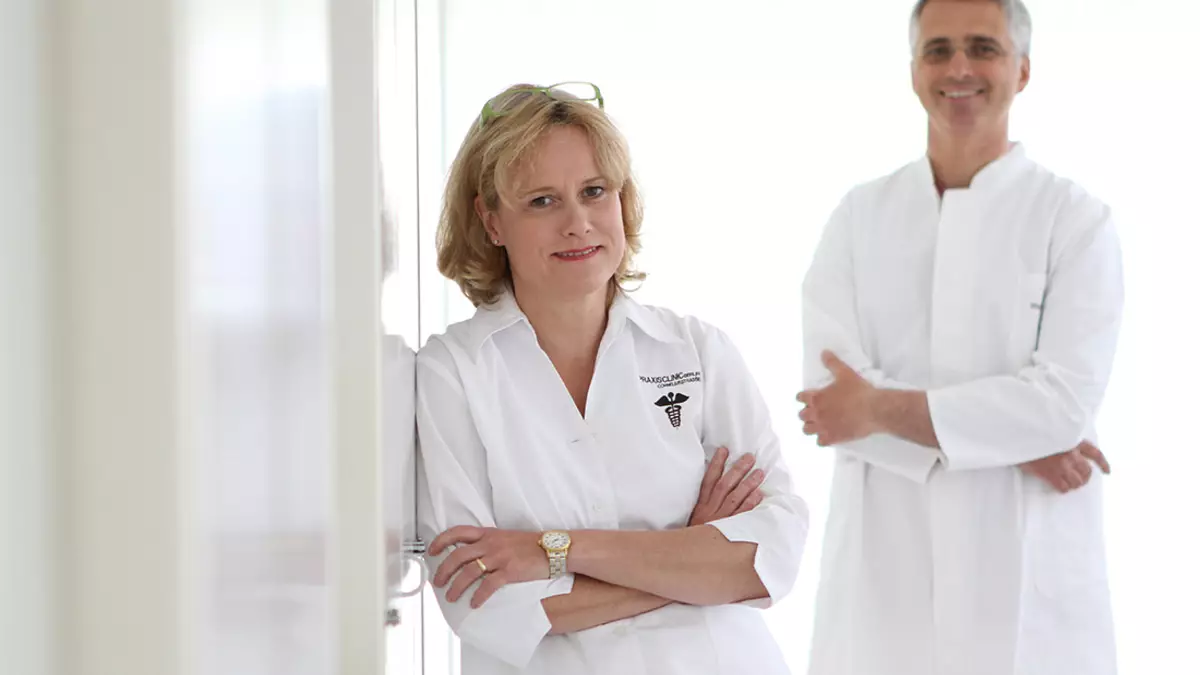
Arriving in a new country, you may expect cultural differences in food, language, and bureaucracy. What many international residents in Berlin do not expect is how stressful it can feel to find a trustworthy dental practice that truly listens, explains in clear English, and offers modern treatment at a standard comparable to (or better than) "back home". Add dental anxiety, unfamiliar insurance rules, and stories about the German healthcare system, and even a simple check-up can become a source of worry.
For many expats and long-term visitors, dental care is postponed until pain forces an urgent appointment. They might wonder whether the dentist will understand their fears, whether treatment options will be explained transparently, and whether complex procedures like implantology or root canal treatment will be carried out as gently and safely as possible. The good news is that in Berlin’s southwest, in the district of Steglitz near Schloßstraße and Zehlendorf, there is a dental practice that has consciously shaped its philosophy around these very concerns.
The Dental Practice in Berlin Steglitz run by Dr. med. Dr. med. dent. Djamchidi and dentist Annette Jannack combines something truly special: a rare double approbation as both physician and dentist on the one hand, and a strong focus on tooth preservation, endodontics, and aesthetics on the other. In an elegant historic Altbau, they welcome both local residents and international patients who are looking for a careful, medically sound, and anxiety-sensitive approach to oral health.
Many patients searching online for a Zahnarzt in Berlin will recognize the German term but still hope to communicate in English or another language. Here, you find an English-speaking dentist team that understands how unsettling it can be to navigate a different health system. They take time to explain what German insurance covers, how treatment plans are structured, and why a particular therapy is recommended. This combination of clinical expertise and interpersonal clarity is at the heart of the practice’s identity.
One of the defining features of this Dental Practice in Berlin Steglitz is the unique qualification of its co-founder, Dr. Djamchidi. He holds a double approbation, meaning he is fully licensed as both a medical doctor (physician) and as a dentist. In addition, he is an ENT (Ear, Nose, and Throat) specialist. For patients, this dual background matters most in fields like implantology and oral surgery, where the border between dentistry and general medicine is especially important.
Dental implants are small, screw-like posts made of biocompatible materials, usually titanium or ceramic, that replace the root of a missing tooth. They are anchored in the jawbone and then restored with a crown, bridge, or prosthesis. While this has become a routine procedure in modern dentistry, it remains a minor surgical intervention that involves bone, soft tissue, and the surrounding anatomical structures. This is particularly true in the upper jaw, where the roots of the molars and premolars are located close to the maxillary sinus.
The maxillary sinus is a hollow cavity inside the cheekbone. When upper back teeth are lost, the bone in this area may resorb over time, leaving less height available for implant placement. To restore sufficient bone volume, a procedure called sinus lift (or elevation of the maxillary sinus floor) is often required. During a sinus lift, the sinus membrane is gently lifted and bone substitute material is placed underneath to create a stable foundation for future implants.
This is exactly where the combination of ENT and dental expertise becomes invaluable. As a physician and ENT specialist, Dr. Djamchidi is highly familiar with the delicate anatomy of the sinus region, the nasal cavity, and the associated airways. He understands not just the dental perspective of placing an implant at the correct angle and depth, but also the broader medical context: how sinus health, allergies, previous infections, or anatomical variations may influence the risk profile and healing process.
For patients, this means several tangible benefits. First, the initial diagnosis is more comprehensive. When planning implantology in the posterior upper jaw, the assessment goes beyond the standard dental X-ray. Depending on the situation, three-dimensional imaging may be used to evaluate bone volume, sinus shape, and the thickness of the sinus membrane. A physician’s view enables early identification of potential problems such as chronically inflamed sinuses, anatomical narrowings, or mucosal changes that could increase the risk of complications.
Second, treatment planning can be more individualized. Not every patient is an ideal candidate for immediate implantation or extensive sinus lift surgery. General health conditions such as diabetes, blood coagulation disorders, or certain medications may influence healing and infection risk. Because of his medical training, Dr. Djamchidi can integrate these systemic factors into the decision-making process, coordinate with other treating physicians if necessary, and adapt the surgical strategy accordingly. This holistic approach increases safety and improves long-term outcomes.
Third, intraoperative management during implantology or oral surgery procedures benefits from this dual perspective. Knowledge of ENT structures allows for minimally invasive technique selection that protects the maxillary sinus floor, nearby nerves, and soft tissues as much as possible. In complex cases, additional medical measures to support breathing, reduce swelling, or prevent sinus complications can be employed more precisely.
Fourth, in the rare event of complications, there is a clear advantage in having an ENT specialist directly involved. Issues such as persistent sinusitis after a sinus lift, oroantral communication (an unwanted connection between the mouth and sinus), or complex postoperative pain patterns can be recognized and treated early. This minimizes long-term problems and offers reassurance to patients who may otherwise fear the worst when something feels "off" after surgery.
Beyond implants and sinus lifts, the fusion of medical and dental knowledge also shows in areas like oral surgery, TMJ issues, and the interplay between airway and oral cavity. For example, snoring or sleep-related breathing disturbances sometimes have orofacial components that can be addressed in cooperation with ENT diagnostics. Patients sense that their head and neck are being viewed as a functional unit, not as isolated problem zones.
Many international patients specifically look for a dental practice where implantology is performed with a strong focus on biocompatibility and long-term stability. In Berlin Steglitz, this practice offers just that: careful material selection, minimally invasive techniques whenever possible, and an appreciation for how systemic health and local bone biology interact. The double approbation acts as a seal of comprehensive competence: what is good for the mouth must also be good for the body as a whole.
While implants and surgery are important, a truly modern dental practice must also excel in tooth preservation. This is where dentist Annette Jannack brings her own special focus: endodontics, or root canal treatment, and high-quality aesthetics. Her philosophy could be summarized in the German expression "Zahnerhalt vor Zahnersatz" – saving the natural tooth before replacing it with prosthetics.
Endodontics is the field of dentistry that deals with the dental pulp and the root canal system. When deep decay, trauma, or cracks allow bacteria to reach the pulp, inflammation or infection can develop. Without treatment, this often leads to severe pain, abscess formation, and eventually tooth loss. Root canal treatment aims to clean, disinfect, and seal the tiny channels inside the tooth to preserve it in function for many years.
In the past, root canals had a reputation for being painful and unreliable. Modern endodontics, however, has transformed this perception. Using advanced techniques and often microscopic dentistry, practitioners can work with a level of precision that was previously impossible. Fine instruments, flexible nickel-titanium files, and digital imaging support the dentist in navigating the complex anatomy of root canals. Antibacterial irrigation protocols and biocompatible filling materials help to create a tight seal against reinfection.
In this Dental Practice, endodontic procedures are carried out with a strong emphasis on detail and patient comfort. The use of magnification significantly increases the chance of finding all the canals, especially in molars where there may be extra or curved channels hidden from the naked eye. Identifying and treating these is crucial for long-term success. Biocompatible materials, such as calcium-silicate-based sealers, are used to fill and seal the root canal space, supporting tissue healing and reducing irritation.
For patients, understanding the value of endodontics is important. Every natural tooth that can be kept stable, pain-free, and functional is an asset. Even the best implant is still an artificial replacement; it does not have the periodontal ligament and natural proprioception that a living tooth offers. Preserving the tooth also helps maintain the natural alignment and chewing pattern, which in turn benefits the jaw joint and the surrounding musculature.
Annette Jannack’s expertise in endodontics is not limited to straightforward cases. Retreatment of failed root canals, management of complex anatomies, and cooperation with other specialists when surgical endodontics (such as apicoectomy) is needed, are part of the spectrum. Patients who may have been told elsewhere that extraction is the only option can often obtain a second opinion here and, in many cases, discover that tooth preservation is still possible.
In addition to endodontics, aesthetics plays a key role in her work. This does not only mean creating a Hollywood-style smile, but also achieving a natural-looking result that harmonizes with the face, lips, and overall personality. High-quality composite fillings, ceramic inlays or onlays, veneers, and crowns are designed not only for durability but also for color and shape integration. The goal is that restored teeth should be indistinguishable from their neighbors, both in form and function.
This focus on aesthetics aligns with the expectations of many international clients who are used to cosmetic dentistry options in their home countries. However, the approach here remains grounded and health-oriented. Before considering whitening or veneers, the practice emphasizes a healthy foundation: clean gums, stable bite, and caries-free teeth. Prophylaxis and minimally invasive restorative techniques ensure that as much healthy tooth substance as possible is preserved.
Behind both the surgical and conservative sides of the practice lies a unifying principle: protecting and enhancing the natural structures whenever possible. Implants are used where teeth cannot be saved. Endodontics, prophylaxis, and high-quality fillings or crowns are used to extend the life of natural teeth. In both areas, evidence-based medicine, careful diagnostics, and clear communication are the guiding lights.
Dentistry is not just about teeth; it is also about feelings. Dental anxiety is extremely common worldwide, and among expats it can be even more pronounced. Old negative experiences in childhood, fear of injections or drills, and the sense of being powerless in a reclining chair can trigger intense stress. Add a foreign language and unfamiliar procedures, and the threshold to seek help becomes even higher.
The team at this Dental Practice in Berlin Steglitz recognizes these emotional dynamics and has developed an "anxiety-free" concept to address them. The first element is time: enough time for listening, asking questions, and explaining. New patients are encouraged to describe their fears openly, including very specific triggers such as the smell of certain materials, the sound of instruments, or previous traumatic appointments. Instead of dismissing these feelings, they are taken seriously and integrated into the treatment plan.
Communication is adapted to the patient’s needs. For international residents, this means that explanations are given in clear English without medical jargon, unless the patient explicitly wants more detail. Before any treatment begins, the steps are outlined in sequence: what you will feel, how long it will take, what options exist for pain control, and what signals you can use if you need a break. Knowing that you can raise your hand and the dentist will immediately stop can significantly reduce anxiety.
Pain control itself is of course central. Modern local anesthetics make it possible to perform most treatments pain-free. For those who remain very anxious, additional options like sedation or twilight sleep may be discussed. Twilight sleep (also known as conscious sedation) uses medication to put you in a deeply relaxed, drowsy state while maintaining basic protective reflexes. Many patients remember little of the procedure afterwards and report that the time passed quickly.
Some patients prefer a more gentle, complementary approach. Here, supportive methods such as homeopathy or soothing rituals can be incorporated into the appointment. While these do not replace evidence-based medical care, they can help create a sense of security and personal attention. Warm blankets, careful positioning in the treatment chair, and a calm, structured working style all contribute to an environment where the nervous system can gradually relax.
For individuals with a long history of avoiding dentists altogether, the practice may recommend a stepwise approach: first a conversation-only appointment, then a short non-invasive procedure such as professional tooth cleaning, and only later more extensive treatments. This graded exposure method allows the patient to rebuild trust at their own pace. Because the team takes an interest in the whole person, not just the teeth, many patients who previously avoided dental care can finally receive the treatment they need.
Another important component of trust is the willingness to offer a second opinion. Complex treatment plans, especially those involving implants, oral surgery, or full-mouth rehabilitation, can be emotionally and financially significant decisions. The practice offers neutral second opinions, explaining in understandable terms what the proposed options are, which risks and benefits they carry, and whether alternative strategies might be reasonable. This transparent counseling helps patients feel in control rather than overwhelmed.
When you first arrive at the practice, you will notice that it is located in a classic Berlin Altbau in Steglitz, not far from the busy shopping artery Schloßstraße and the green neighborhoods of Berlin’s southwest, including Zehlendorf. The building itself is part of the city’s architectural history, with high ceilings, characteristic stairways, and the kind of atmosphere many people associate with the "old Berlin" charm.
However, this authenticity comes with a practical detail that needs to be mentioned clearly: the practice is not barrier-free. There is no elevator, and access involves climbing stairs. This is a typical situation for many Altbau practices in Berlin, where strict preservation rules and the structure of historic buildings sometimes make modern lifts difficult to install. The team emphasizes this openly so that patients with reduced mobility can plan accordingly or, if necessary, discuss alternative options.
For most patients, reaching the practice is straightforward. Steglitz is well connected by public transport, including S-Bahn and U-Bahn lines, and there are parking options in the surrounding streets and nearby car parks, especially around Schloßstraße. Patients coming from other districts of Berlin or from the southwest suburbs appreciate the central yet calm location: close to shopping and services, but with a more residential neighborhood feel than the inner city.
Inside, the interior design aims to bridge the Altbau charm with a modern clinical standard. Bright, clean treatment rooms with contemporary equipment contrast pleasantly with the older building’s details. This blend of old and new reflects the practice philosophy: respect for tradition and proven methods, combined with state-of-the-art technology and evidence-based dentistry.
Many international patients find that being treated in such an environment contributes positively to their overall Berlin experience. Instead of an anonymous, sterile clinic, they encounter a place that feels personal and embedded in the local culture. At the same time, sterilization, hygiene, and safety standards follow current German guidelines, so patients can trust that behind the warm atmosphere stands a rigorous quality management system.
Imagine you are an international professional living in Berlin’s southwest. After months of ignoring a dull ache in your upper molar, the pain suddenly becomes sharper, especially when you chew. You search for an English-speaking dental practice and find the website of the practice in Berlin Steglitz. Relieved to see comprehensive information and the double medical-dental qualification, you book your first appointment.
On the day of your visit, you arrive a little early and walk up the Altbau stairs, noticing the high ceilings and large windows. At reception, you are greeted in English and asked to fill in an anamnesis form. This medical history form is detailed: it asks not only about your teeth, but also about general conditions such as allergies, medications, systemic illnesses, and previous surgeries. You sense that your overall health will be taken into account, not just the specific tooth that currently hurts.
In the consultation room, you meet the dentist. You explain your symptoms, including when the pain started, what makes it worse, and any previous treatments on that tooth. The dentist asks additional questions, such as whether you have felt pressure in the cheek area, sensitivity to cold or heat, or discomfort when bending forward. Given the upper jaw location, they also ask about recent sinus issues or colds. This combination of dental and ENT-related questions surprises you in a positive way.
A clinical examination follows. Your gums, bite, and surrounding structures are checked. An X-ray is taken to visualize the tooth roots and the relation to the maxillary sinus floor. The dentist points out the findings on the screen: a deep carious lesion approaching the pulp, some previous filling material, and the close proximity of the root tips to the sinus cavity. You are told that the tooth can likely be saved with root canal treatment, and that due to the anatomical situation, particular care will be taken to avoid irritating the sinus.
The treatment options are explained step by step. Option one: perform endodontic therapy to clean and seal the root canals, then rebuild the tooth with a high-quality filling and, if needed, a crown for long-term strength. Option two: extraction followed by implantology, which would involve assessing bone volume and possibly performing a sinus lift. The advantages and disadvantages of each route are discussed transparently, including expected longevity, costs, and procedural complexity.
Because you value keeping your natural tooth if possible, and because the dentist is confident about the prognosis, you choose the root canal treatment. A treatment plan is drawn up, including time frames and cost estimates. Administrative staff help you understand how this interacts with your German insurance coverage, clarifying what is reimbursed and what remains private. This kind of guidance is particularly appreciated by expats who may be unfamiliar with the difference between statutory and private coverage in Germany.
On the day of the root canal, measures to address your dental anxiety are put into place. The dentist reviews the process again, checks that the local anesthetic is working thoroughly, and reassures you that you can signal at any time if you need a pause. Throughout the procedure, magnification aids and modern instruments are used to work with precision. You feel vibration and pressure but no pain. The appointment is longer than a simple filling, but at the end you are surprised at how manageable it felt.
In the following weeks, you attend a follow-up visit where the stability of the tooth is checked and a final restoration is placed. The dentist explains how to care for the tooth, emphasizing interdental cleaning and regular prophylaxis. At the same session, you ask about whitening and minor cosmetic improvements to your front teeth. You receive a realistic assessment: which changes are possible, what is medically advisable, and how to balance aesthetics with minimal invasiveness.
Over time, you become a regular patient. You schedule prophylaxis appointments for professional tooth cleaning once or twice a year, where trained staff remove plaque and tartar and polish the enamel. Risk factors such as smoking, high sugar consumption, or acid exposure from certain drinks are discussed without judgment. Little by little, your initial fear of the dentist recedes, replaced by a sense of partnership. You feel that this dental practice supports you in maintaining oral health in a way that fits both German medical standards and your personal expectations as an international resident.
For patients who require implantology, the journey is slightly different but equally structured. After thorough diagnostics, including 3D imaging when indicated, the surgical plan is outlined. If a sinus lift is needed to augment the maxillary sinus floor, the steps, healing time, and safety precautions are described in accessible terms. Knowing that the surgeon is also an ENT specialist gives many patients extra confidence. Postoperative check-ins and clear instructions for home care round off the process.
At the heart of all these scenarios is the integration of several key elements: comprehensive medical-dental expertise, a focus on tooth preservation and high-quality restoration, sensitivity to anxiety and intercultural communication, and a setting that combines Berlin’s Altbau charm with modern equipment.
In a city as large and diverse as Berlin, choosing a dental practice is more than a practical decision; it is also about trust, communication style, and personal fit. For residents of Steglitz, Schloßstraße’s surroundings, and neighboring districts like Zehlendorf, the dental practice of Dr. Djamchidi and Annette Jannack offers a rare blend of capabilities that go beyond the usual expectations of a Zahnarzt.
The double approbation of Dr. Djamchidi as both medical doctor and dentist, combined with ENT specialization, means that complex procedures such as implantology, sinus lift surgery, and oral surgery are carried out with a uniquely comprehensive anatomical understanding. Patients benefit from improved safety, carefully tailored plans that consider systemic health, and precise management of risks around the maxillary sinus and neighboring structures.
At the same time, the practice’s strong orientation toward endodontics, microscopic dentistry, tooth preservation, and aesthetic restorations under the care of Annette Jannack ensures that natural teeth are valued and protected whenever possible. Biocompatibility, minimally invasive approaches, and a high standard for restorative materials reflect a forward-thinking approach to oral health.
For those struggling with dental anxiety or insecurity in a foreign healthcare environment, the practice’s anxiety-free concept, open communication in English, and willingness to provide second opinions create a sense of security. From prophylaxis and tooth preservation to implantology and more complex oral surgery, patients experience a continuum of care that respects both their medical needs and their emotional well-being.
The location in a classic Altbau in Berlin Steglitz, with its characteristic stairway access, adds an authentic local flavor, even if it means the building is not barrier-free. For many, this setting becomes part of their personal Berlin story: a place where they not only solved a dental problem but also found a long-term partner for their oral health.
For expats, international students, and locals alike, this Dental Practice in Berlin Steglitz stands out as a top choice in the southwest of the city. It combines the strengths of a medical clinic with the personal touch of a neighborhood practice. Whether you need a careful check-up, advanced root canal treatment, an aesthetic upgrade, or complex implantology with sinus expertise, you find here not just technical skill but also the reassurance of being understood as a whole person.
Entrusting your smile to a new dentist in a new city is a big step. In this practice, that step is met with double qualifications, meticulous craftsmanship, and genuine empathy—a combination that turns necessary dental care into a stable, long-term relationship with your health.


