A Dental Practice in Berlin Steglitz Where Medicine and Dentistry Meet
11.04.2026 - 07:01:03 | ad-hoc-news.de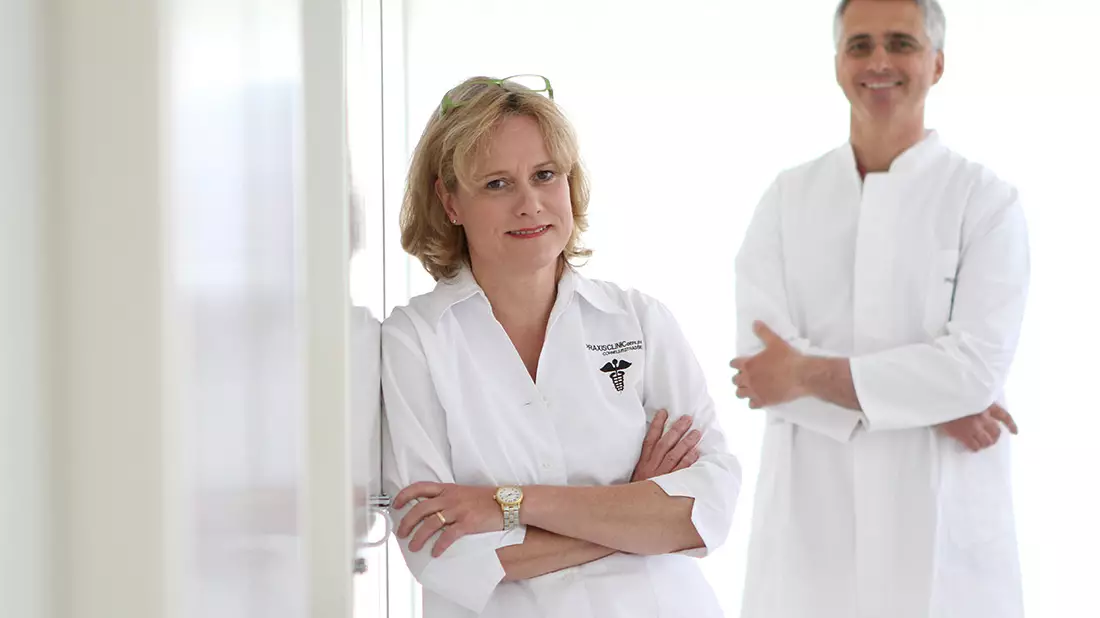
If you have ever tried to find a dentist in a new country, you know that it is about much more than a simple appointment. It is about trust, communication, and the feeling that someone truly understands both your medical background and your personal fears. For many international residents in Berlin, the first search for a dental practice is shaped by uncertainty: different health insurance rules, unfamiliar medical terms in German, and the worry that your concerns might not be fully understood in English.
In Berlin, and particularly in the southwest districts around Steglitz and Zehlendorf, many expats juggle busy international careers, family life, and the stress of navigating a new health system. Dental anxiety is common, and the added pressure of language barriers can make even a simple prophylaxis appointment feel intimidating. That is where a Dental Practice in Berlin Steglitz with a truly international mindset and deep medical expertise becomes invaluable.
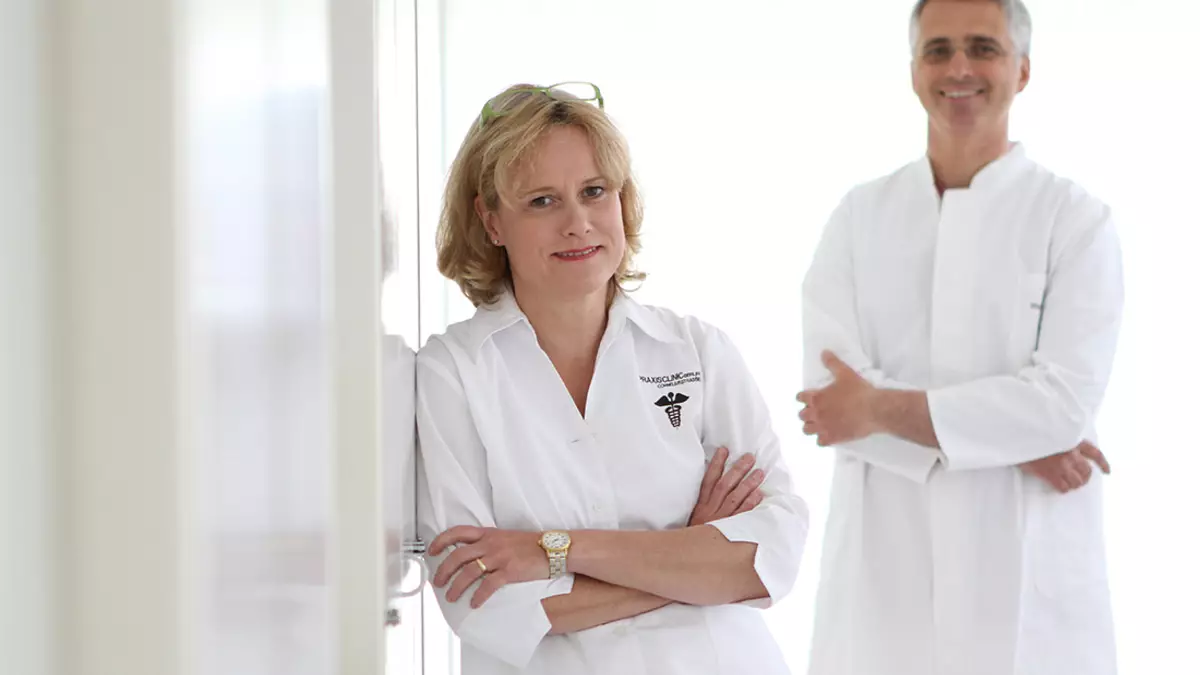
Zahnarzt-Praxis Berlin Steglitz (officially Zahnarzt-Praxis Berlin Steglitz – Dr. Djamchidi & A. Jannack) stands out precisely because it is designed to bridge these gaps. Here, the combination of medical and dental training, advanced implantology and endodontics, and a high level of English fluency aims to turn anxiety into confidence, and confusion into clarity.
For many expat patients, the first question is simple: Will my dentist really listen to me, explain things in a language I understand, and take my fears seriously? At this dental practice, that question is answered from the very first contact, with clear communication, empathy for dental anxiety, and an emphasis on minimally invasive, evidence-based care.
What truly sets Zahnarzt-Praxis Berlin Steglitz apart is the rare profile of its lead dentist, Dr. Djamchidi. He holds a double approbation: he is both a fully qualified physician and ENT specialist, and a fully qualified dentist. In other words, he combines an MD-level understanding of the entire head and neck region with the practical, fine-motor expertise of a dental surgeon.
For patients, especially those considering Implantology or Oral Surgery, this dual perspective can be a decisive safety and quality factor. While many dentists perform dental implants safely and successfully, not all of them bring a physician’s in-depth understanding of systemic health, sinus anatomy, and airway function to the treatment planning process.
Implantology involves placing artificial tooth roots into the jawbone, often in close proximity to the maxillary sinus, the large air-filled cavity above the upper teeth. When bone volume in the upper jaw is insufficient, procedures such as a sinus lift may be necessary to safely elevate the maxillary sinus floor and create enough bone for stable implant placement.
In these situations, having a dentist who is also an ENT specialist offers tangible advantages. As an ENT-trained physician, Dr. Djamchidi is intimately familiar with the detailed anatomy of the nasal cavity, paranasal sinuses, and surrounding structures. This means he can assess, with a physician’s eye, how previous sinus infections, allergy-related swelling, or anatomical variations like a deviated septum might influence implant planning and healing.
For example, during the planning of an implant in the region of the upper premolars or molars, the thickness of the bone between the oral cavity and the maxillary sinus must be evaluated carefully. An ENT-informed implantologist can interpret radiographic imaging not only from a dental viewpoint but also from an otolaryngological perspective. That allows for an integrated risk assessment: How close is the implant site to the sinus lining? Is there pre-existing sinus disease that should be addressed before a sinus lift? Could a minimally invasive approach reduce the risk of postoperative sinusitis?
This medical-dental synergy is particularly relevant for patients with complex medical histories. If you are an expat with chronic sinus problems, recurrent upper respiratory infections, or systemic conditions such as diabetes, autoimmune disease, or anticoagulant therapy, having a practitioner who can think and act as both physician and dentist creates a higher level of safety. The consultation is not limited to your teeth and gums; it extends to your breathing, your sinuses, your medications, and your overall resilience.
In the context of Oral Surgery, this dual qualification also informs decision-making around sedation and twilight sleep. Understanding cardiopulmonary risks, medication interactions, and airway management from a physician’s training adds another layer of security for patients with dental anxiety who may choose sedation for surgical procedures.
Beyond implants, this double approbation supports a holistic view of oral health. The connection between ENT conditions and dental symptoms can be complex. Ear pain can sometimes stem from joint issues in the jaw; chronic sinus congestion can interact with upper tooth pain; snoring and obstructive sleep apnea can be linked to jaw position and airway anatomy. With a background that spans both ENT and dentistry, Dr. Djamchidi is well placed to detect these interconnections and suggest appropriate diagnostic steps or referrals when needed.
For expats who may have seen multiple specialists in different countries, it can be reassuring to talk to a dentist who speaks the language of both medicine and dentistry fluently, and who can help coordinate care across disciplines.
While Implantology and Oral Surgery require precision and surgical skill, many patients would prefer never to need an implant in the first place. This is where Annette Jannack, with her strong focus on Endodontics and aesthetic dentistry, completes the profile of the practice as a center for tooth preservation.
Endodontics is the branch of dentistry dedicated to the dental pulp and root canal system—the living core of the tooth that contains nerves, blood vessels, and connective tissue. When deep decay or trauma reaches this internal space, bacteria can cause inflammation or infection, leading to intense pain, abscesses, and the risk of tooth loss. Root Canal Treatment is the standard procedure to save such compromised teeth.
At Zahnarzt-Praxis Berlin Steglitz, Endodontics is practiced with the clear philosophy of "Saving the tooth before replacing it"—a concept often summarized in German as "Zahnerhalt vor Zahnersatz". This means that before any decision is made to extract a tooth and replace it with a bridge or an implant, all reasonable options for preserving the natural tooth structure are carefully explored and explained.
Modern Endodontics is far removed from the old cliché of painful root canals. With local anaesthesia, contemporary instruments, and microscopic dentistry, treatment can be both gentle and highly effective. Under operating microscopes or magnification, even fine and curved root canals can be located, cleaned, and sealed with high precision. This meticulous approach reduces the risk of bacteria remaining in the canal system and increases the long-term success rate of the tooth.
For many expat patients, the concept of biocompatibility is increasingly important. In root canal therapy, biocompatible filling materials are used to seal the cleaned canal system tightly and protect the surrounding bone from reinfection. By preserving your own tooth, you maintain natural chewing sensation, prevent bone loss in the jaw, and often avoid more invasive surgical procedures.
Annette Jannack places great value on taking time to explain the Endodontics process in understandable English, step by step. Why is a root canal needed? What will you feel during and after the procedure? What are the alternatives? This transparent approach allows anxious patients to regain a sense of control. Knowing that the primary aim is tooth preservation, not quick extraction, builds long-term trust.
In addition to Endodontics, aesthetic dentistry plays a central role in her work. After a tooth has been preserved from the inside, it often needs functional and aesthetic reconstruction on the outside—using high-quality fillings, inlays, onlays, or crowns that match the color and shape of your natural teeth. Whether you are preparing for job interviews in Berlin, giving presentations in an international setting, or simply want to feel more confident in photos, this aesthetic expertise can significantly enhance your quality of life.
For many people, especially those who have had difficult experiences with dentists in the past, the thought of entering a dental practice can trigger genuine fear. Dental anxiety is not a sign of weakness; it is a natural protective response often rooted in previous negative encounters, a fear of needles, or a general feeling of losing control.
At Zahnarzt-Praxis Berlin Steglitz, this reality is acknowledged openly. From the moment you make contact, the team understands that your emotional experience is just as important as your clinical outcome. Instead of being rushed, you are invited to express your fears and expectations. The dentists and staff explain procedures calmly, allowing questions at every point.
The concept of anxiety-free dentistry here is built on several pillars. First, a warm interpersonal atmosphere: friendly faces, clear explanations in English (and German), and the sense that you are being treated as a person, not just a case. Second, a strong focus on minimally invasive techniques—meaning that whenever possible, treatments aim to preserve as much healthy tooth and tissue as possible, reducing trauma and recovery time.
For patients with pronounced dental anxiety, different levels of support are available. Gentle local anaesthesia can be combined with sedative medication options, sometimes referred to as twilight sleep, where you remain conscious but deeply relaxed and with limited memory of the procedure. This can be particularly helpful for longer Implantology or Oral Surgery sessions, or for patients who have delayed treatment for many years due to fear.
Some patients also appreciate complementary approaches such as homeopathic support or other gentle methods to reduce stress and support healing, as long as these are integrated responsibly and in line with scientific standards. The overall goal is to create a space where you feel safe enough to finally address long-standing dental issues, instead of postponing them until they become emergencies.
For many expat families, another source of anxiety is bringing children to the dentist. Here again, empathy, age-appropriate communication, and patience are central. By building trust from an early age—explaining instruments playfully, celebrating small successes, and never shaming a child for fear—the foundation is laid for a lifetime of positive dental experiences.
The practice is located in Berlin-Steglitz, an area known for its mix of leafy residential streets, vibrant commercial areas like Schloßstraße, and the characteristic charm of Berlin Altbau architecture. The building that houses the dental practice is a classic example of this historic style: high ceilings, ornate details, and a character that tells the story of old Berlin.
However, authentic Altbau charm also comes with a practical detail that must be communicated transparently: there is no elevator. Access to the practice involves stairs, and the building is not fully barrier-free. For some patients with mobility restrictions, this can be a challenge, and the practice will discuss individually whether a visit is feasible or whether other arrangements might be necessary.
Rather than hiding this fact, Zahnarzt-Praxis Berlin Steglitz addresses it honestly, while also highlighting the advantages of its location. The practice is positioned conveniently in the southwest of Berlin, easily reachable from Steglitz, Lichterfelde, Zehlendorf, and surrounding neighborhoods. Public transport connections are strong, and for those arriving by car, there is typically reasonable parking availability in nearby side streets, which is not always a given in Berlin.
For patients new to the city, the visit to this Altbau practice can feel like a small initiation into everyday Berlin life: the creaking steps, the decorative façades, the mixture of tradition and modern medical technology inside. It is a reminder that excellent healthcare in Berlin is often found in historic buildings that have been carefully adapted to modern standards.
Imagine you are an expat who has just moved to Berlin Southwest with a new job contract in Zehlendorf. You have been postponing a dental check-up because you are unsure how the system works, and you are nervous about explaining your medical history in German. A lingering sensitivity in one of your upper molars finally pushes you to act.
You find Zahnarzt-Praxis Berlin Steglitz online, reassured by the information about English-speaking dentists and the combination of Implantology, Endodontics, and Oral Surgery under one roof. You send an email in English and receive a clear, friendly response: available appointment slots, a brief explanation of what to bring (insurance card, medication list, any existing X-rays), and confirmation that the team is used to working with international patients.
On the day of your appointment, you arrive in Steglitz, walk past the lively Schloßstraße with its shops and cafés, and enter the historic building. You climb the stairs and are greeted at reception by staff who switch fluently between German and English, helping you fill out an anamnesis form. The questions cover not only your dental complaints but also general health issues: allergies, current medications, chronic conditions, and previous surgeries.
During your first consultation, either Dr. Djamchidi or Annette Jannack sits with you, not just above you in the treatment chair, but at eye level, discussing your concerns. They ask about any history of dental anxiety and explain how they can adapt the pace of treatment accordingly. If your tooth sensitivity and X-rays suggest deep decay near the nerve, the possibility of a Root Canal Treatment under magnification is explained in detail. Alternatively, if a tooth is already lost or non-restorable, Implantology options—including the condition of the maxillary sinus floor and the potential need for a sinus lift—are discussed in understandable language.
You are shown images, models, or digital scans to visualize your situation. The dentist outlines several treatment plans, from conservative to more extensive, with transparent information on timeframes, steps, and likely outcomes. If you want to think about it or seek a second opinion, that wish is fully respected. The emphasis is on informed choice, not pressure.
If you decide to proceed, subsequent visits follow a clear structure. For tooth preservation with Endodontics, local anaesthesia ensures a painless procedure while microscopic dentistry and modern techniques are used to clean and shape the canals. Appointments are scheduled according to your work commitments, and English reminders help you stay on track.
If Implantology is needed, particularly in the upper jaw, diagnostic imaging is analyzed thoroughly to assess bone height, sinus anatomy, and biocompatibility aspects. As both physician and dentist, Dr. Djamchidi reviews your general health and medication status to ensure that any surgical procedure—including potential sinus lift or bone augmentation—is carried out as safely as possible. Sedation or twilight sleep options are discussed if you have strong dental anxiety, with clear information about monitoring, recovery, and aftercare.
Throughout the process, prophylaxis plays a supporting role. Professional teeth cleaning, individualized oral hygiene coaching, and regular check-ups are used not only to maintain the results of more complex treatments but also to prevent future problems. You learn how oral health is linked to systemic health, including cardiovascular and metabolic conditions—a perspective that aligns well with the practice’s medical-dental philosophy.
By the time your treatment plan is completed, that original sense of apprehension about German dentistry has been replaced by something else: a sense of partnership. You have experienced what it means to be treated in a practice where the physicians think in integrated systems, where tooth preservation is prioritized, and where anxiety is taken seriously.
For expats and locals alike, choosing a dental practice is about more than technology and qualifications. It is about finding a place where your individual story, your fears, and your cultural background are understood. Zahnarzt-Praxis Berlin Steglitz, led by double-approbated physician and dentist Dr. Djamchidi and Endodontics and aesthetics specialist Annette Jannack, offers precisely this multidimensional care.
The unique combination of ENT-level anatomical knowledge and dental Implantology ensures that complex procedures near the maxillary sinus floor are planned with exceptional attention to safety and function. The emphasis on Endodontics and tooth preservation reflects a modern, sustainable approach to dentistry: "Zahnerhalt vor Zahnersatz"—saving what nature has given whenever possible, and replacing only when necessary.
Add to this an anxiety-aware environment with options like sedation and twilight sleep, an English-speaking team used to supporting international patients, and an authentic Berlin Altbau setting in the heart of Steglitz, and you have a practice that genuinely stands out in Berlin Southwest.
Whether you need a simple prophylaxis appointment, a thorough second opinion on a complex case, or an integrated treatment plan involving Oral Surgery and microscopic dentistry, Zahnarzt-Praxis Berlin Steglitz offers the blend of expertise, empathy, and international friendliness that many expats have been searching for. It is more than a typical Zahnarzt office; it is a medical-dental partner for your life in Berlin.