A Dental Practice in Berlin Steglitz Where Medicine and Dentistry Meet
Published on 04/03/2026 at 07:01 | Editorial responsibility: Rafael Müller, Editor-in-Chief AD HOC NEWS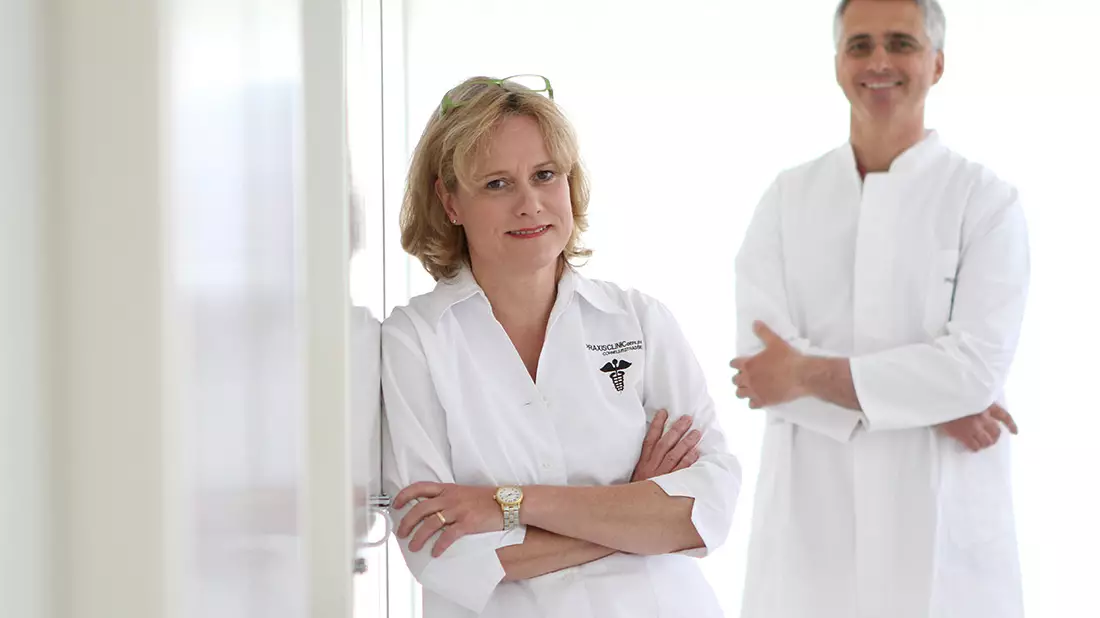
Moving to a new country comes with a long list of unknowns: different rules, different bureaucracy, a new language, and, very often, a new relationship with the healthcare system. For many expats and internationally mobile professionals in Berlin, one of the most stressful tasks is finding a dental practice that feels safe, understandable, and genuinely patient-centred. Dental anxiety is common, and it does not magically disappear just because you have changed countries. Instead, the unfamiliar German system, the word "Zahnarzt", and worries about communication can intensify existing fears.
In Berlin, especially in the southwest districts around Steglitz, Schloßstraße and nearby Zehlendorf, the choice of dentists is large, but the information is often confusing. Will the dentist really speak English? Will they take time to explain treatment options in a way you can understand? Do they embrace modern methods like minimally invasive dentistry, microscopic endodontics, and safe implantology techniques that respect your overall health, not just your teeth?
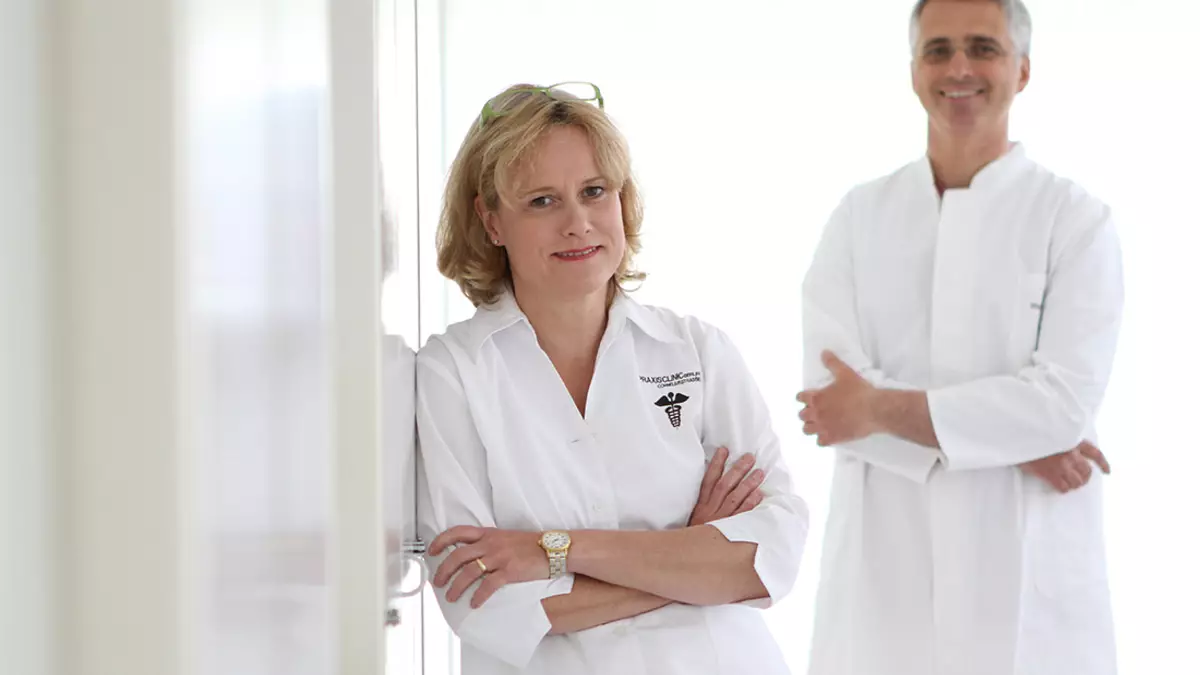
In this landscape, the Dental Practice in Berlin Steglitz of Zahnarzt-Praxis Berlin Steglitz (Dr. Djamchidi & A. Jannack) stands out as a rare combination of high-level medical competence and human warmth. Here, the central idea is that dentistry should not be isolated from the rest of the body. Instead, your teeth, sinuses, jaw, breathing, and general health are interconnected. This is where the unique advantage of the practice becomes especially clear: the "Double Approbation" of Dr. Djamchidi as both a fully qualified physician and ENT specialist and as a dentist.
The practice is located in a classic Berlin Altbau building in Steglitz. That means wooden staircases, high ceilings, and the characteristic Berlin charm that many people fall in love with. It also means, in all honesty, that there is no elevator and access is via stairs, so it is not barrier-free. Rather than hiding this fact, the team is open and transparent about it, framing the historic architecture as part of the authentic Berlin experience while still offering as much assistance as possible for those who can manage stairs with support.
For new patients arriving from abroad, another major hurdle is the fear of not understanding the details of their treatment. In this Dental Practice in Berlin Steglitz, English-speaking support is available, and the doctors are experienced in explaining German medical concepts in clear, accessible English. Whether you need a straightforward prophylaxis appointment, a detailed second opinion on an implant recommendation, or an urgent root canal treatment, the team is used to helping international patients navigate both the clinical and emotional sides of care.
Alongside this, the practice emphasises tooth preservation and endodontics through the expertise of dentist Annette Jannack. Her philosophy is grounded in the concept of "Zahnerhalt vor Zahnersatz" – saving the natural tooth, if at all reasonably possible, before considering a prosthetic replacement. With advanced microscopic dentistry techniques, modern root canal materials, and a calm, empathetic manner, she offers a kind of dentistry that values long-term function and biocompatibility, not just quick fixes.
If you are looking for a place where medical depth and human understanding meet, this Zahnarzt-Praxis offers a compelling answer for both Berlin locals and international residents in Steglitz, Zehlendorf and the wider Berlin southwest.
At the heart of Zahnarzt-Praxis Berlin Steglitz is the striking profile of Dr. Djamchidi, who holds a rare dual qualification: he is both a physician and ENT specialist and a fully trained dentist. In the German system, this means he has completed two full medical approbations. Practically, for patients, it means that when he looks at your teeth, jaw and gums, he is also thinking like a medical doctor and like an ear–nose–throat surgeon.
Why does this matter? To understand the benefits, it helps to imagine the anatomical neighbourhood of your upper jaw. Just above the roots of your upper back teeth lies the maxillary sinus—a hollow air cavity in the bone, part of the facial sinuses that influence breathing, pressure regulation, and even voice resonance. In implantology and oral surgery, this region is especially important. When upper molars are missing and bone height is reduced, implants often require a sinus lift procedure. This is a specialist technique in which the maxillary sinus floor is gently elevated and new bone is built up, creating a stable foundation for a dental implant.
In many conventional settings, a dentist performing this procedure focuses mainly on the bone and the implant. However, with double approbation, Dr. Djamchidi approaches the sinus lift and related oral surgery procedures from both a dental and ENT perspective. As an ENT specialist, he has in-depth knowledge of sinus anatomy, mucosal health, ventilation of the sinuses, and the possible impact of previous sinusitis or nasal problems on healing. This translates directly into improved safety and planning: before placing an implant near the maxillary sinus floor, he can evaluate the general condition of your sinuses, recognise risk factors for chronic inflammation, and adapt the technique to your individual anatomy.
For example, suppose you are an expat who previously suffered from allergies or chronic sinus infections. You might not immediately connect those issues to your desire to replace a missing upper molar with an implant. But for someone trained in both fields, these pieces of history are vital. During the anamnesis, Dr. Djamchidi will ask detailed questions about breathing, snoring, nasal blockages, previous ENT surgeries and headaches. He can then interpret radiographic imaging, such as 3D scans, with the eyes of both an implantologist and an ENT surgeon. That means he can identify whether the sinus lining is thickened, whether there are polyps or anatomical variations, and how these might influence the choice of therapy.
In practical terms, this double view allows for more tailored, minimally invasive approaches. Instead of a standard sinus lift, it may be possible to use shorter implants positioned to avoid the most sensitive structures, or to stage treatment in a way that first optimises sinus health and then places the implant. By respecting the intricate relationship between the sinus cavity and the roots of the teeth, the risk of complications like sinusitis after implant placement can be reduced.
The holistic medical perspective also influences how the practice chooses materials and handles biocompatibility. Many patients, including a growing number of health-conscious expats, are concerned about the systemic effects of metals, adhesives and bone substitutes. With training as a physician, Dr. Djamchidi looks closely at the scientific literature on immunological reactions, allergies and long-term safety. When he recommends an implant or prosthetic solution, he is thinking not only about chewing forces and aesthetics, but also about how your body as a whole might respond over years and decades.
Moreover, his ENT background is particularly relevant for patients with complex issues such as sleep-disordered breathing, jaw joint pain that may relate to airway problems, or unexplained facial pain that may be connected with sinus pathology. Instead of sending you from specialist to specialist, the practice can often make an integrated assessment. For instance, if a planned oral surgery procedure might influence nasal breathing or the shape of the soft palate, these effects can be anticipated and discussed, which is rare in a standard dental-only context.
This integrated approach is especially reassuring for international patients who may worry that their medical history will not be fully understood in another language. Being able to explain ENT and oral surgery interactions in clear English builds trust and allows you to make informed choices about implantology and other surgical procedures. The result is not just technical precision, but a feeling of safety: you know that someone is seeing the whole picture, from your maxillary sinus floor to your general health and medication profile.
On the other side of this balanced team stands dentist Annette Jannack, whose clinical passion lies in endodontics, tooth preservation and modern aesthetic dentistry. While implantology offers excellent options for replacing lost teeth, her guiding principle is to avoid that loss wherever possible. In German dental philosophy, this is summed up in the phrase "Zahnerhalt vor Zahnersatz"—preserving the natural tooth before resorting to prosthetic solutions.
Endodontics, commonly known as root canal treatment, is often misunderstood. Many patients imagine something painful or outdated, but in modern, expertly conducted endodontics, the situation is very different. When bacteria penetrate deep into the tooth, reaching the pulp and the root canals, simply placing a filling on top is no longer enough. Without treatment, infection can spread to the bone, creating an abscess, and the tooth is eventually lost. Root canal treatment aims to remove the infected tissue, clean and shape the root canals, disinfect them thoroughly, and then seal them three-dimensionally to prevent reinfection.
To do this at a high level, microscopic dentistry is crucial. In the Dental Practice in Berlin Steglitz, magnification tools and careful illumination are used so tiny structures inside the tooth can be visualised. Under this magnification, previously invisible extra canals, fine branches and micro-cracks can be detected and treated. This significantly increases the chance that a tooth can be kept for many years, even when deep decay or failed previous treatment is present.
For expats used to different standards at home, this focus on microscopic endodontics and tooth preservation offers reassurance that they are receiving advanced care. Ms. Jannack’s approach involves detailed diagnostics, including digital radiography and, when indicated, three-dimensional imaging to understand each root canal system. Rather than rushing to extraction and implant placement, she carefully evaluates whether endodontic retreatment, revision of old root fillings, or minimally invasive restorative work could give the tooth a second life.
Beyond the technical side, her philosophy also includes aesthetic and functional harmony. Once the inside of the tooth is stabilised, the outer structure is rebuilt with modern restorative materials that respect biomechanics: how chewing forces are distributed, how the tooth contacts its neighbours, and how it fits into your bite. This is important not only for preventing fractures, but also for creating natural-looking results. Many international patients care deeply about aesthetics but do not want an artificial, overly white smile that does not match their face. Thoughtful aesthetic dentistry looks at tooth colour, translucency, and the way light interacts with enamel-like materials, all while protecting the underlying tooth.
In everyday practice, this means that if you come in with a painful tooth that another clinic has already marked for extraction, you may still have options. Ms. Jannack can assess whether complex endodontic therapy under magnification can save the tooth. If success chances are realistic, preserving your own tooth is usually the more conservative, biologically wise choice. If, however, the tooth is cracked or structurally unsalvageable, she collaborates closely with the implantology and prosthodontics side of the practice to plan the next step in a way that still respects overall oral health and aesthetics.
For long-term oral health, such a preservation-first strategy matters greatly. Every tooth you keep helps maintain bone, stabilises your bite, and reduces the need for more extensive prosthetics later. This is especially relevant for younger patients or expats who may move again in the future and need durable, transportable solutions that will function reliably in different healthcare systems.
Dentistry is not only about teeth; it is about people, fears, and previous experiences. Many patients, whether German or international, come with a history of rushed treatments, painful injections, or feeling dismissed when they tried to express their concerns. In a foreign country, such experiences can be even more intimidating because you may not know how to advocate for yourself in another language.
The Dental Practice in Berlin Steglitz places a strong emphasis on an anxiety-aware, empathetic atmosphere. From the first contact on the phone or via email, the team is used to hearing sentences like, "I am very nervous", or "I had a bad experience with a dentist before". Instead of treating this as an obstacle, they see it as essential medical information. Fear influences pain perception, blood pressure, healing and cooperation. Taking it seriously is part of responsible care.
During the first in-person visit, ample time is scheduled for conversation before any treatment is started. You are invited to describe what exactly makes you anxious: Is it the local anaesthetic? The sound of instruments? The feeling of not being in control? With this information, the team can adapt the procedure. Topical anaesthetics can be used before injections, noise-cancelling strategies or music can help with sound sensitivity, and the dentist can explain each step in advance so there are no unpleasant surprises.
For patients with more pronounced dental anxiety, options such as sedation or so-called twilight sleep are available in suitable cases. Under twilight sleep, you remain responsive yet deeply relaxed, and later remember little or nothing of the procedure. This can be particularly helpful for longer sessions like multiple implant placements or complex oral surgery. Because the practice has a strong medical background through Dr. Djamchidi’s physician training, these forms of sedation can be planned and monitored with a high degree of safety, including careful consideration of your general health, medications and any pre-existing conditions.
The practice is also open to integrative approaches. Some patients appreciate complementary support, for example homeopathic remedies to ease mild anxiety or promote a sense of calm around treatment. While such options are not a substitute for evidence-based dentistry, they can be used alongside conventional methods as part of a personalised comfort strategy, especially when patients explicitly request a more holistic experience.
Crucially, being an English-speaking dentist in Berlin does not only mean translating technical terms. It also means understanding cultural differences in how patients express pain, ask questions, or make decisions. In some countries, it is common to seek multiple second opinions before major dental work; in others, patients are used to simply following the first recommendation. This practice explicitly welcomes the idea of the second opinion. If you have been advised elsewhere to extract teeth or to start an expensive implant plan, you can bring your X-rays and documents. The team will review them with you calmly, explaining options, benefits and risks in understandable English, so you feel empowered to decide.
The result is an environment where dental anxiety does not have to be hidden or minimised. Instead, it becomes a shared focus, with the team working actively to reduce it. Over time, many patients report that their fear decreases as they accumulate positive experiences—painless local anaesthesia, respectful communication, and treatment outcomes that match what was promised.
Situated in Berlin-Steglitz, not far from the bustling Schloßstraße, the practice benefits from a location that is both lively and well connected. Steglitz and neighbouring Zehlendorf make up a major part of Berlin’s southwest, an area known for its mix of green residential streets, shopping avenues, and easy access to central districts by public transport.
The practice itself is housed in a classic Berliner Altbau. This style of historic architecture, common in Steglitz and across the city, is characterised by ornate facades, high ceilings, and period staircases. Many expats fall in love with these buildings when looking for apartments—the wooden banisters, the patterned tiles, and the feeling of old-world character are part of what makes Berlin unique. The dental practice shares this charm: when you arrive, you walk up stairs that might remind you more of a stylish Berlin apartment than a clinical facility.
However, this architectural beauty comes with a very real limitation: there is no elevator. The building is not barrier-free, and access requires climbing stairs. The team is transparent about this from the outset, so patients who rely on wheelchairs or cannot manage stairs even with help are not disappointed at the last minute. If you have moderate mobility restrictions but can walk slowly or with assistance, the staff will gladly help you navigate the staircase as safely and comfortably as possible.
For those arriving by car, the area around Steglitz offers relatively good parking options compared to inner-city districts. Depending on the time of day, you can often find a space in nearby side streets, and there are parking garages around Schloßstraße. For public transport users, buses and U-Bahn connections make the trip straightforward from many parts of Berlin, including central locations and the suburbs of the southwest.
Inside, the design of the practice balances the historic setting with modern clinical standards. Treatment rooms are equipped with contemporary dental units, digital imaging devices, and the tools required for precision endodontics and implantology, while the waiting area maintains a welcoming, almost living-room-like atmosphere. For expats who are used to different healthcare environments, this mix of classic Berlin architecture and up-to-date medical technology can feel both comforting and reassuring.
Imagine you have just relocated to Berlin for work. After a few months, an old filling breaks, or a tooth that has been sensitive for a long time suddenly starts throbbing. You feel a familiar anxiety rise: a new dentist, a different language, and a system you do not fully understand. You search for a Dental Practice in Berlin Steglitz because you live in the southwest, near Zehlendorf, and eventually you find the website of Zahnarzt-Praxis Berlin Steglitz (Dr. Djamchidi & A. Jannack).
Your first contact is an email in English, explaining your situation and your fears. The response you receive provides clear information, an appointment suggestion, and reassurance that English is spoken and that your questions are welcome. Already, some of the tension eases.
On the day of your visit, you arrive a little early, take in the Altbau staircase, and ring the bell. Inside, the reception area feels more personal than institutional. You are greeted by name, and instead of being rushed to sign forms you are given time to fill out an anamnesis questionnaire. This includes not only your dental history, but also your general medical background: allergies, current medications, previous surgeries, chronic conditions, and any ENT issues such as sinusitis or breathing problems. For someone with double approbation like Dr. Djamchidi, this is vital information that helps shape a safe and personalised treatment plan.
When you enter the consultation room, the dentist does not begin immediately with instruments. First comes conversation. You are invited to describe in your own words what brought you here, what you are afraid of, and what you hope to achieve. Maybe you say that you had a painful root canal abroad, or that you worry about implants because a friend had complications. Maybe you mention that you sometimes feel pressure in your cheekbones and forehead, or that you snore heavily. These details matter, especially in a practice where ENT knowledge and implantology intertwine.
Next comes the clinical examination. Under good lighting and with magnification, your teeth, gums, and bite are assessed. If necessary, digital X-rays or 3D scans are taken. In the case of potential implants, the relation of tooth roots to the maxillary sinus floor is studied carefully. For a tooth that might need root canal treatment, Ms. Jannack will evaluate existing fillings, cracks, and any signs of infection around the root tip.
After the examination, you sit up again—not with a mouth full of instruments, but face-to-face with the dentist. Using the images on a monitor, they explain what they see. For example, you might learn that the painful tooth has deep decay reaching the nerve, but that root canal treatment under the microscope offers a good chance of saving it. Or, if a tooth is truly not salvageable, you might hear that a carefully planned implant, possibly with a minor sinus lift, could restore function and aesthetics reliably.
At this stage, communication is key. The dentist outlines different options, including their advantages, possible risks, and expected lifespan. They will not push you towards the most expensive choice, but instead make clear why tooth preservation is often preferable and when replacement becomes necessary. If you feel overwhelmed, you are encouraged to ask for time to think or to seek a second opinion; far from being offended, the practice actively supports well-informed decision-making.
Once you decide on a treatment path, the team explains the sequence of appointments, approximate duration, and cost estimates according to German insurance structures. For many expats, the insurance aspect is confusing, especially when combining public insurance, private supplementary coverage or international policies. The staff is experienced in helping patients understand which procedures are standardly covered and which are considered private services, so you are not surprised by invoices later.
On the treatment day itself, anxiety management comes back into focus. Before any injection, you can agree on a signal—raising your hand, for instance—if you need a short break. Topical numbing can be applied to the gum, making the injection itself almost imperceptible. During a root canal procedure, Ms. Jannack works calmly, step by step, explaining key stages if you wish, or letting you retreat into music or your own thoughts if you prefer minimal talking.
For oral surgery or implantology, the process is similar but with added preparation. Pre-operative instructions are given in clear English, including information about eating, drinking, and regular medications. During the procedure, whether under local anaesthesia or twilight sleep, monitoring is performed with medical-standard care. Afterward, you receive written post-operative instructions and, if needed, a follow-up call to check on your recovery. Because of the ENT competence in the practice, any symptoms related to sinus pressure, nasal discomfort, or unusual headaches after a sinus lift or upper jaw implant are taken especially seriously and assessed with full anatomical understanding.
Over time, regular prophylaxis appointments form a preventive backbone for your oral health. Professional tooth cleaning, individualised advice on brushing and interdental care, and periodic checks of earlier root canals or implants help maintain stability. The hygienists and dentists view these visits not merely as cleaning sessions, but as opportunities for long-term coaching. For expats, this continuity is particularly valuable; even if you later move within Berlin or abroad, you know that a detailed record of your oral situation exists and can be shared with future providers.
Step by step, what began as an anxious search for a foreign dentist evolves into a relationship with a practice that understands both your medical needs and your cultural context.
When you bring together all the distinctive elements of Zahnarzt-Praxis Berlin Steglitz (Dr. Djamchidi & A. Jannack), a clear picture emerges of why this Dental Practice in Berlin Steglitz is such a strong choice for both local residents and the international community around Steglitz, Schloßstraße and Zehlendorf.
Medically, the practice offers a unique advantage through the double approbation of Dr. Djamchidi as both physician/ENT specialist and dentist. This dual view is especially valuable in implantology and oral surgery near the maxillary sinus floor, where the border between dentistry and ENT medicine is literally measured in millimetres. The ability to interpret sinus anatomy, evaluate ENT-related risks, and plan minimally invasive procedures with the whole body in mind translates directly into safety, comfort, and long-term success for patients.
Complementing this, the expertise of dentist Annette Jannack in endodontics and tooth preservation creates a strong focus on maintaining your natural teeth whenever possible. Through microscopic dentistry, careful root canal treatments, and thoughtfully designed restorations, she embodies the principle of "Zahnerhalt vor Zahnersatz". Instead of defaulting to extraction and replacement, the practice explores whether your tooth can be saved, protecting bone, function and aesthetics for the future.
Emotionally, the practice pays serious attention to dental anxiety, language barriers and cultural differences. Options like gentle local anaesthesia, sedation or twilight sleep, combined with patient education and empathetic communication in English, help transform frightening procedures into manageable experiences. The willingness to provide honest second opinions, explain German insurance structures, and respect your pace of decision-making builds trust that is crucial for expats navigating a new healthcare environment.
Geographically and atmospherically, the location in a classic Berlin Altbau in Steglitz gives the practice a character that is both authentic and memorable. While the lack of an elevator and the presence of stairs mean the building is not barrier-free, this reality is communicated clearly from the outset. For many, the blend of historic architecture with modern dental technology, central positioning in Berlin’s southwest, and good access to public transport and parking create a convenient and pleasant framework for regular visits.
From your initial anamnesis and consultation to advanced procedures like sinus lift-supported implantology or complex root canal retreatments, the patient journey is designed to be transparent, medically grounded and personally supportive. Whether you are a long-term Berlin resident, a newly arrived professional, a student, or a family member following a partner’s career move, you find here a Zahnarzt who understands that oral health is deeply linked to general wellbeing, confidence, and quality of life.
In a city with many dental providers, what makes this practice distinct is not just a list of services—implantology, oral surgery, tooth preservation, prophylaxis—but the way these services are integrated into a holistic, medically informed, and anxiety-sensitive concept. If you are seeking a place where you can build a stable, long-term relationship with an English-speaking dentist who sees the whole person behind every set of teeth, Zahnarzt-Praxis Berlin Steglitz (Dr. Djamchidi & A. Jannack) offers a compelling, trustworthy option in the heart of Berlin’s southwest.
Disclaimer regarding our articles: No investment advice, no buy or sell recommendation. Information on prices, companies, and markets is provided without guarantee; changes are possible at any time. Stock market transactions can lead to substantial losses. Our articles are created and reviewed in whole or in part automatically with the support of AI.