A Dental Practice in Berlin Steglitz Where Medicine and Dentistry Meet
Published on 04/01/2026 at 07:01 | Editorial responsibility: Rafael Müller, Editor-in-Chief AD HOC NEWS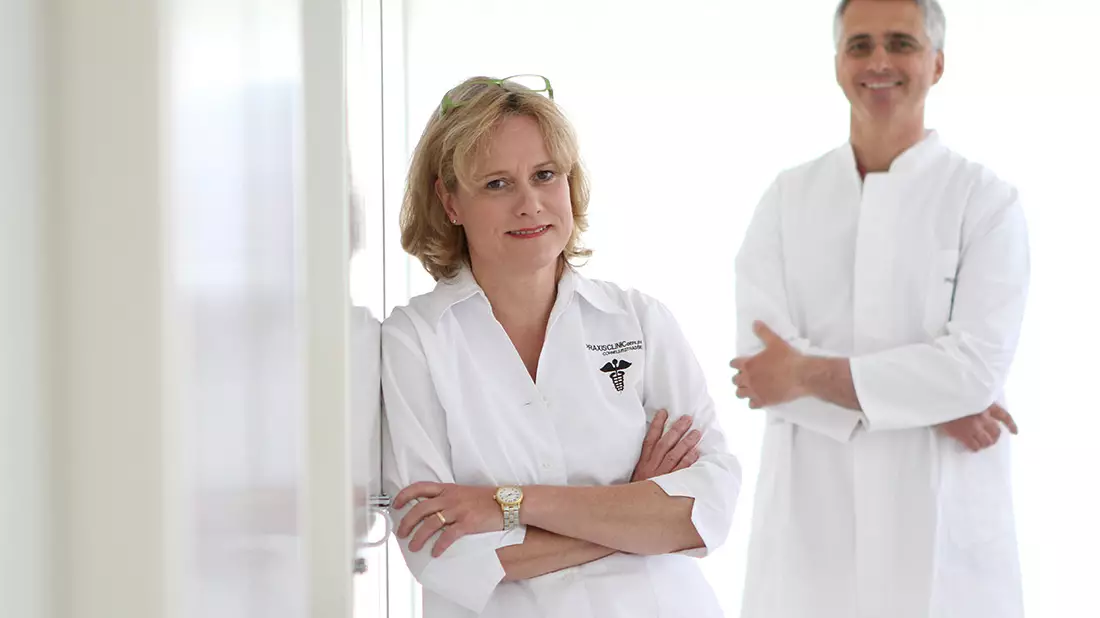
Moving to a new country often means rebuilding your entire healthcare network from zero. You might have left behind a trusted family dentist and now find yourself scrolling through endless search results, wondering which dental practice in Berlin will understand both your medical needs and your cultural expectations. Add to this the fear of pain, unfamiliar German bureaucracy, and perhaps a few bad experiences in the past, and the simple task of booking a check-up can feel overwhelming.
In Berlin, and especially in the southwest districts like Steglitz and Zehlendorf, international residents often voice the same concerns: Will the dentist really listen? Will they push expensive treatments without explaining alternatives? Will they speak English clearly enough to discuss complex topics like implants, root canal treatment, or sedation? And will they take my dental anxiety seriously instead of dismissing it with a quick "Keine Sorge"?
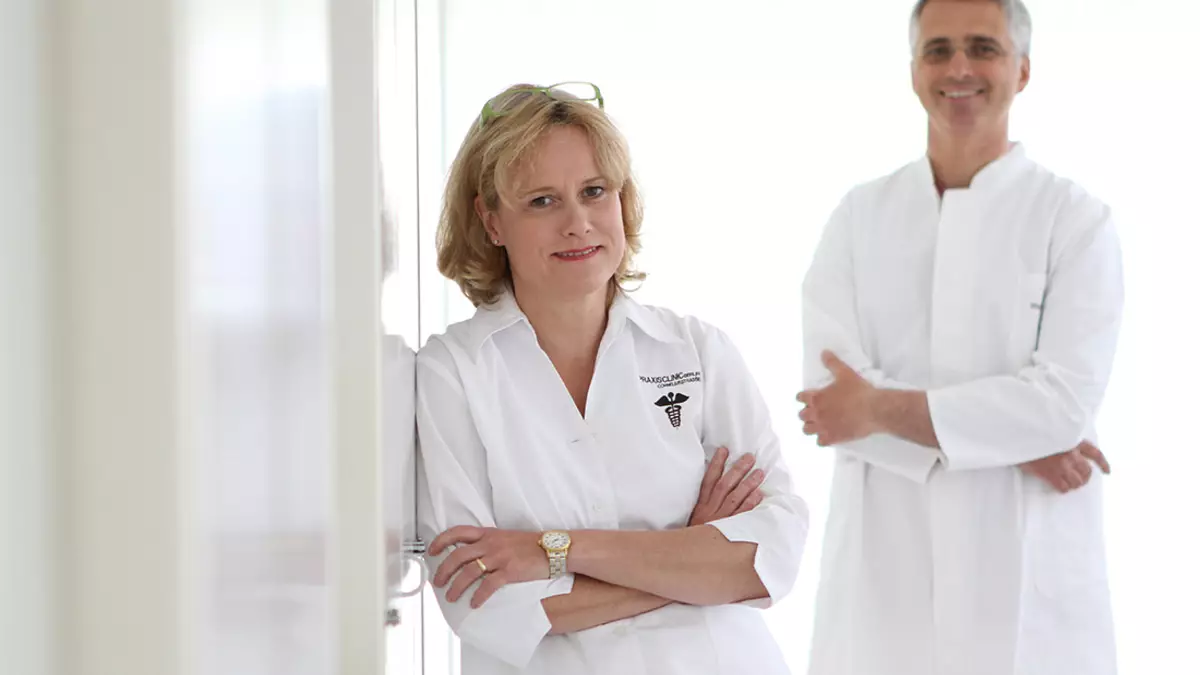
In this context, Zahnarzt-Praxis Berlin Steglitz (Dr. Djamchidi & A. Jannack) stands out. This dental practice in Berlin Steglitz combines something rare: a double approbation (dual license) in human medicine and dentistry for demanding oral surgery and implantology, paired with deep expertise in endodontics and tooth preservation. For expats and locals alike, this creates a care environment that is medically advanced, safety-focused, and personally attentive.
To understand why this specific team in Steglitz may be the right choice for you, it helps to look behind the scenes: at the unique medical background of Dr. Djamchidi, the meticulous endodontic and aesthetic work of Annette Jannack, and the way both have shaped their Zahnarzt-Praxis into a space that respects not only teeth, but the whole person behind them.
The Expat Challenge: Dentistry, Trust, and a New Health System
For many international patients in Berlin, the first barrier is not geographical but psychological. Even before you choose a dentist, you may face:
• Language confusion: Medical German can feel like a separate language. Terms such as "Wurzelkanalbehandlung" (root canal treatment), "Zahnerhalt" (tooth preservation), or "Kostenvoranschlag" (treatment cost estimate) can be intimidating.
• System unfamiliarity: Understanding how statutory (gesetzliche) or private (private) health insurance covers dental care in Germany is not straightforward. Patients often worry that they will accidentally agree to treatments they must pay fully out of pocket.
• Cultural expectations: In some countries, dental practices offer extensive small talk and very proactive pain management; in others, communication is more brief and technical. Many expats fear being seen as "difficult" if they request extra explanations or additional anaesthesia.
• Dental anxiety: Past experiences of rushed treatments, inadequate anaesthesia, or feeling powerless in the chair can leave psychological traces. Sitting in a new clinic, in a new country, can reactivate this anxiety strongly.
What many patients are really looking for is not just a technically competent dentist, but someone who combines high medical standards with robust communication, clear structure, and a sincere respect for fears and doubts. This is where the specific profile of Zahnarzt-Praxis Berlin Steglitz becomes relevant.
What Makes This Dental Practice Different? The Power of Double Approbation
At the core of the practice is Dr. Djamchidi, who holds a double approbation: he is both a fully trained physician (with a specialization in ENT – ear, nose, and throat) and a licensed dentist. In practical terms, this means that all treatments are seen simultaneously through the lens of general medicine and oral health.
This combination is particularly valuable in implantology and oral surgery. When an implant is planned in the upper jaw, it often lies in close proximity to the maxillary sinus – the air-filled cavity above your back teeth. Complications in this area can lead to sinus infections, chronic pressure, unpleasant nasal symptoms, or, in rare cases, more serious issues. A practitioner who understands both the dental and ENT perspective can minimise these risks more effectively.
Sinus Anatomy and Implants: Why ENT Knowledge Matters
The maxillary sinus floor is a delicate boundary between your oral cavity and your respiratory system. With tooth loss, especially in the upper molar region, the bone in this area tends to shrink vertically over time. When patients later opt for implants, there is often not enough bone height to safely anchor the implant without touching or even penetrating the sinus.
In such cases, procedures like a sinus lift are necessary. The goal is to gently elevate the maxillary sinus floor and insert bone material so that the implant can later be placed in a stable, well-vascularised environment. Success here depends on fine anatomical awareness: the thickness of the sinus membrane, the shape of the cavity, the presence of septa (small internal bony partitions), and the condition of the surrounding mucosa.
Because of his ENT background, Dr. Djamchidi approaches these interventions with an expanded risk radar:
• He assesses not only dental x-rays but also the ENT-relevant air spaces and nasal passages.
• He can better evaluate whether chronic sinusitis, allergies, or past nasal surgeries may influence implant planning.
• During the sinus lift or other oral surgery, he pays particular attention to preserving the integrity and function of the sinus system as a whole.
This dual competency contributes to minimally invasive and more predictable implantology. The goal is not simply to "place a screw" but to integrate the implant respectfully into the complex system of bone, soft tissue, and sinus structures. For patients, this translates into enhanced safety and a lower risk of complications such as oro-antral communications (unwanted connections between mouth and sinus) or long-term sinus discomfort.
Beyond Implantology: Dentistry with a Physician's Mindset
Double approbation also influences daily decision-making in areas beyond implants. A physician-dentist naturally thinks in systemic connections:
• Medication interactions: Many expats come with existing diagnoses or chronic medication plans. Blood thinners, bisphosphonates, immune modulators, and other systemic drugs can influence oral surgery, wound healing, and implant integration. A dual-trained clinician is better equipped to weigh these factors and, if necessary, coordinate with your other doctors.
• Overall health risks: Conditions like diabetes, cardiovascular disease, or autoimmune disorders change the risk-benefit balance of certain procedures. A medical perspective helps to tailor the timing, extent, and aftercare of dental treatments more precisely.
• Airway and breathing: ENT experience sharpens awareness of how jaw position, nasal patency, and oral structures can affect breathing patterns, snoring, and sleep quality. Even if the focus of the visit is a broken tooth or a missing molar, such aspects are not ignored.
For many patients, knowing that their dentist is also a physician creates a specific kind of trust. It reassures them that their mouth is not being treated as an isolated object but as an integral part of a complex, living organism.
Annette Jannack: Endodontics, Aesthetics, and the Art of Tooth Preservation
While complex implantology and oral surgery are strong pillars of the practice, they are not the starting point for most treatment plans. The philosophy here aligns more with "Zahnerhalt vor Zahnersatz" – saving the tooth before replacing it. This is where the expertise of Annette Jannack becomes central.
Her focus lies in endodontics (root canal treatment), tooth preservation, and aesthetic dentistry. For many patients, the word "root canal" triggers anxiety, but modern endodontics – especially when combined with microscopic dentistry and biocompatible materials – is fundamentally about giving a severely damaged tooth a second life.
What Actually Happens in a Root Canal Treatment?
Inside every tooth runs a fine network of nerves and blood vessels – the dental pulp. Deep decay, trauma, or cracks can introduce bacteria into this space, leading to inflammation or infection that causes pain, sensitivity, or swelling. If left untreated, the infection can spread into the jawbone and even into the wider organism.
During root canal treatment, the goal is to remove the infected or inflamed tissue inside the tooth, thoroughly clean and disinfect the root canals, and then seal them precisely to prevent future bacterial invasion. In modern endodontics, the procedure is a highly technical process that benefits from magnification, fine instruments, and meticulous protocols:
• Diagnosis: High-quality imaging and careful clinical tests help to determine whether the tooth is salvageable and which specific canals are affected.
• Access and cleaning: Under local anaesthesia, an access opening is made, and fine instruments are used to mechanically and chemically clean the canals. Irrigation solutions dissolve organic debris and disrupt biofilms.
• Shaping and disinfection: The canals are shaped to allow complete filling later, while avoiding unnecessary removal of healthy dentin. Disinfection protocols minimise residual bacteria.
• Filling: The cleaned canals are filled with a biocompatible, usually thermoplastic material that seals the inner space three-dimensionally.
• Restoration: Often, a crown or onlay is necessary afterwards to stabilise the tooth and prevent fracture.
With a detailed, microscopic approach, many teeth that would have been extracted in the past can now be preserved for years or even decades. For expats who may worry about quickly being directed towards implants or bridges, this emphasis on tooth preservation provides an important sense of security.
Endodontics and Biocompatibility: Gentle on the Tooth and the Body
In addition to technical precision, the choice of materials matters. The concept of biocompatibility means that the materials used to fill and restore teeth should interact harmoniously with the body, minimising allergic reactions and long-term irritation. This is especially relevant for patients with known sensitivities, autoimmune diseases, or environmental health concerns.
By combining thorough cleansing of the infected area with carefully selected filling and restorative materials, Annette Jannack's work aims to strike a balance: retaining as much natural tooth substance as possible while creating a stable, low-irritation internal environment. The tooth thus remains in function – visually integrated into your smile and functionally embedded in your chewing system.
Aesthetic Dentistry: Harmonising Function and Beauty
Aesthetics in dentistry is not only about "Hollywood smiles"; it is about proportion, colour harmony, and the way teeth support the expression of the face. In a multicultural city like Berlin, perceptions of beauty vary widely, and a sensitive aesthetic dentist must be able to translate individual wishes into realistic, sustainable solutions.
Whether it involves minimally invasive veneers, composite buildups, or full crowns, the principle is the same: respect as much of the healthy tooth as possible while achieving a result that feels natural to the patient. In this context, detailed consultation is crucial – especially for international patients who want to be sure their expectations are understood not just linguistically, but culturally.
The Anxiety-Free Concept: A Calm Island in Urban Life
Dental anxiety is not a minor issue – it is one of the most common reasons people delay or avoid needed treatment. The team at Zahnarzt-Praxis Berlin Steglitz recognises this and has consciously built an environment that prioritises psychological comfort alongside clinical quality.
This begins with communication. Taking time to explain each step, answering questions patiently, and being open to discussing worries can significantly lower stress levels. Many expats find it particularly reassuring when complex topics are explained clearly in English, reducing the fear of misunderstanding.
Beyond the conversational aspect, several practical tools help manage anxiety and pain:
• Gentle local anaesthesia: Modern techniques make it possible to numb the treatment area very effectively while keeping the injection itself as comfortable as possible.
• Sedation and twilight sleep: For extensive procedures such as implant placement, sinus lift, or multiple extractions, sedation can create a state of deep relaxation, sometimes called twilight sleep. You remain responsive but detached from the immediate sensations, and time often seems to pass more quickly.
• Minimally invasive techniques: In implantology and oral surgery, the more precise and tissue-friendly the intervention, the less postoperative discomfort and swelling the patient experiences. This reinforces a sense of safety: the body is cared for, not stressed unnecessarily.
• Holistic support: For patients who appreciate complementary options, gentle approaches such as homeopathy or other supportive methods can be discussed, always with a clear line between evidence-based dentistry and adjacent supportive measures.
Over time, many anxious patients report that their relationship with dental treatment changes fundamentally. Positive, pain-controlled experiences gradually replace old negative memories. Especially for those who have delayed treatment for years, this shift can be life-changing.
Location, Architecture, and Accessibility: An Altbau Experience in Berlin Steglitz
The practice is situated in the southwest of Berlin, in the district of Steglitz, not far from the well-known shopping boulevard Schloßstraße and with convenient connections to neighbouring Zehlendorf and other parts of Berlin Southwest. For many patients, this central yet residential location offers an ideal balance: easy to reach by public transport or car, but not as hectic as the city centre.
The building itself is a classic Berlin Altbau – a historic structure with character, high ceilings, and traditional architectural details. This contributes to a distinctive atmosphere: you do not enter a sterile, anonymous medical cube, but a place that feels embedded in the long urban history of Steglitz.
However, authenticity also means honesty: as is typical for many Altbau properties, the building is not barrier-free. Access involves climbing stairs; there is no elevator. For most patients, this is a minor element of the classic Berlin experience, but for individuals with significant mobility limitations, it requires prior consideration and planning.
On the positive side, the location offers good options for arriving by car, and parking facilities in the surrounding streets are usually manageable compared to more densely packed inner-city districts. For parents, professionals, or older patients, this can simplify logistics considerably.
The Patient Journey: From First Contact to Long-Term Care
For someone new to the German healthcare system, it can be extremely helpful to know in advance what to expect during the first visit to a dental practice. Below is a typical patient journey as it might unfold at Zahnarzt-Praxis Berlin Steglitz.
1. First Contact and Appointment
Whether by phone or online, the first contact already sets the tone. The reception team is accustomed to international patients and can communicate in English. Basic questions about insurance type, reason for the visit (pain, check-up, cosmetic wish, second opinion), and urgency are clarified, so your appointment slot is appropriately planned.
If you are particularly anxious or have a complex medical history, you can already mention this at this stage. It allows the team to allocate extra time and prepare any necessary documents or translation support.
2. Arrival and Anamnesis
On the day of your appointment, you enter the Altbau staircase, walk up the stairs, and arrive at the practice door. Inside, instead of a cold clinic impression, you find a warmer, more personal environment. After registration at the reception, you receive medical history forms (Anamnesebogen). These collect information on general health, medications, allergies, and previous dental experiences.
For expats, this process can sometimes be the most stressful part if the forms are only in German. Here, the ability of the team to guide you through the questions in English – or provide bilingual forms where possible – makes a big difference. You are encouraged to list not only concrete diagnoses but also relevant experiences, such as strong fear of injections or previous complications during anaesthesia.
3. Initial Conversation and Clinical Examination
In the treatment room, you first have a conversation. Instead of lying down immediately, you may sit face-to-face with the dentist to explain your concerns in your own words. This is the moment to describe symptoms, aesthetic wishes, time constraints, and financial frameworks as openly as you feel comfortable.
Following this, a clinical examination of teeth, gums, bite situation, and oral mucosa takes place. Depending on the situation, xrays or other imaging may be necessary. Here, the benefit of the combined medical-dental perspective becomes evident: structural issues, sinus proximity, and general health aspects are viewed together, not separately.
4. Diagnosis and Treatment Planning
Once the findings are collected, the dentist summarises them into a coherent picture. This includes:
• Which acute problems require urgent attention (e.g., pain, infection).
• Which medium-term issues should be addressed to prevent future damage (e.g., deep caries, unstable fillings, gum problems).
• Which long-term improvements are possible in terms of function and aesthetics (e.g., implants, crowns, orthodontic considerations).
For complex cases, different scenarios are often outlined, such as a more conservative, step-by-step approach focusing on tooth preservation versus a more comprehensive rehabilitation including implants and aesthetic corrections. Cost estimates and insurance implications are discussed transparently, so you can make informed decisions.
Especially for international patients, time is taken to explain the difference between services usually covered by public insurance and those considered private (IGeL or private Zusatzleistungen). If needed, you can request written overviews or even a second appointment dedicated purely to discussion.
5. Implementation: From Prophylaxis to Surgery
Depending on the chosen plan, treatment can proceed in phases:
• Prophylaxis: Professional tooth cleaning, individual hygiene coaching, and early detection of risk factors create a foundation for all later work. This is not a cosmetic luxury, but an essential building block of long-term tooth preservation.
• Tooth preservation: Caries treatment, fillings, inlays, and above all endodontics (root canal treatment) where indicated. This is where Annette Jannack's endodontic expertise plays a central role, often avoiding premature extractions.
• Implantology and oral surgery: When teeth cannot be saved or are already missing, implant-based solutions come into play. With a dual-trained physician-dentist, interventions like sinus lifts, bone augmentation, and implant placement are undertaken with detailed anatomical and systemic consideration.
• Aesthetic finishing: Crowns, veneers, or other aesthetic corrections align function with appearance. The final result should feel not like an artificial layer, but like an integrated part of your personality.
Throughout this process, your feedback is actively invited. If pain thresholds, time availability, or priorities change, the plan can be adjusted. For anxiety-prone patients, sedation or extended local anaesthesia options are revisited before each major step.
6. Long-Term Relationship and Second Opinions
After the main treatment phase, regular recall appointments help maintain the achieved results. Many patients also come for second opinions – for example, if they have already received a comprehensive treatment plan elsewhere and wish to have it evaluated from the combined medical-dental perspective the practice offers.
In such consultations, the focus is not on criticising colleagues, but on clarifying alternatives, risks, and realistic expectations. This can be particularly helpful for expats who are unsure whether the recommended interventions align with both German standards and their own comfort level.
A Local Zahnarzt with an International Mindset
While the practice is deeply rooted in the local community of Berlin Steglitz, its orientation is unmistakably international. English-speaking patients are explicitly welcomed, and the team is used to dealing with medical histories from different healthcare systems.
Words like "Zahnarzt" and "Zahnarzt-Praxis" may still appear on the door and on official documents, but inside, the communication is adapted to whoever is sitting in the chair: the anxious student, the busy professional, the retired couple, the family with children, or the expat who has only recently arrived and is still navigating the city map of Schloßstraße and Zehlendorf.
For many, this combination – of local authenticity, architectural character, and evidence-based, medically grounded dentistry – is exactly what creates trust. The stairs in the Altbau may be a small physical challenge, but they lead to a place where your health story is taken seriously in all its complexity.
Conclusion: Why Zahnarzt-Praxis Berlin Steglitz is a Strong Choice for Locals and Expats
Choosing a dental practice is ultimately about trust: trust that your pain will be relieved, that your appearance will be respected, that your overall health will be safeguarded, and that your questions will be answered without condescension or haste.
At Zahnarzt-Praxis Berlin Steglitz (Dr. Djamchidi & A. Jannack), several elements come together to justify that trust:
• A rare double approbation in medicine and dentistry that elevates implantology and oral surgery to a level where the maxillary sinus floor, systemic diseases, and drug interactions are always part of the equation.
• A strong focus on endodontics, microscopic dentistry, and tooth preservation, making "Zahnerhalt vor Zahnersatz" more than a slogan – a daily clinical reality.
• An anxiety-aware, minimally invasive approach that offers local anaesthesia, sedation, and empathetic communication tailored to the needs of sensitive or previously traumatised patients.
• A location in the heart of Berlin Southwest, near Schloßstraße and not far from Zehlendorf, in a historic Altbau that reflects the city's character even as it houses modern dental technology – with the honest note that access involves stairs and is not barrier-free.
• An openness to international patients, with English-speaking dentists who understand the hurdles of a new language, new rules, and a new cultural context of healthcare.
Whether you are looking for a simple check-up, a second opinion on a complex implant plan, or a long-term partner for oral health and aesthetics, this dental practice offers a combination of medical depth and human warmth that is still rare – in Berlin or anywhere else.
In a city where the choice can feel endless, having a place where medicine and dentistry truly meet, and where your story as a person matters as much as your x-rays, can transform dental care from a source of fear into a pillar of your quality of life in your new home.
Disclaimer regarding our articles: No investment advice, no buy or sell recommendation. Information on prices, companies, and markets is provided without guarantee; changes are possible at any time. Stock market transactions can lead to substantial losses. Our articles are created and reviewed in whole or in part automatically with the support of AI.