A Dental Practice in Berlin Steglitz Where Medicine and Dentistry Meet
Published on 03/31/2026 at 07:01 | Editorial responsibility: Rafael Müller, Editor-in-Chief AD HOC NEWS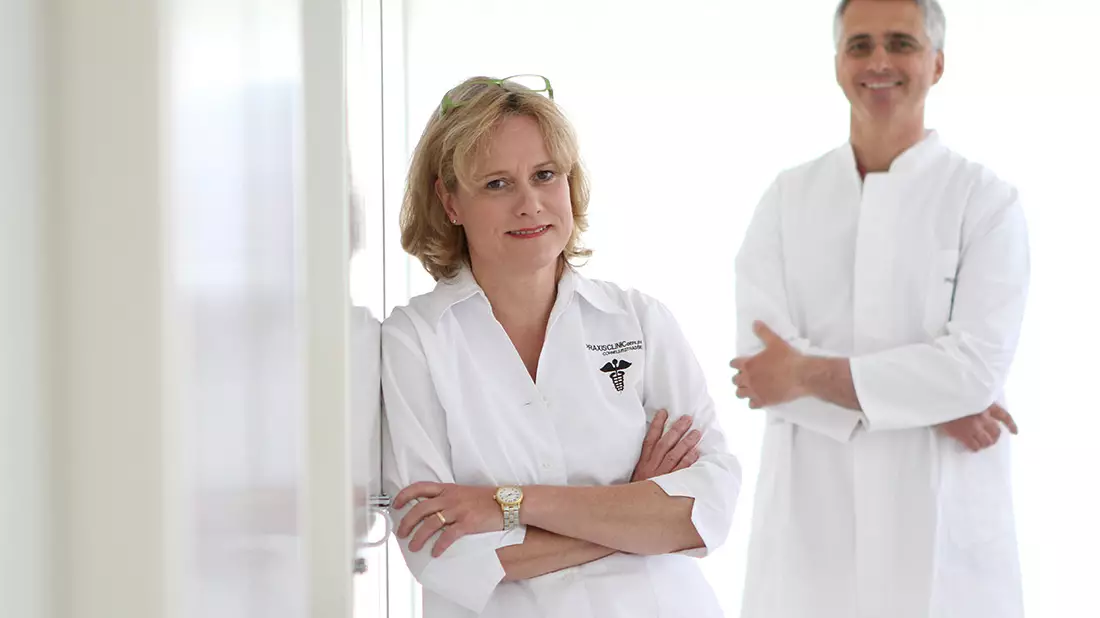
Arriving in a new country comes with a long checklist: registration at the Bürgeramt, health insurance, opening a bank account, maybe finding a Kita spot for your child. Somewhere on that list, but often left until it is urgent, stands one of the most sensitive items of all: finding a dentist you genuinely trust. For many expats in Berlin, the first interaction with a German dental practice can be intimidating. New terminology, a different insurance system, and the fear of miscommunication about something as personal as your teeth all add up—especially if you already struggle with dental anxiety.
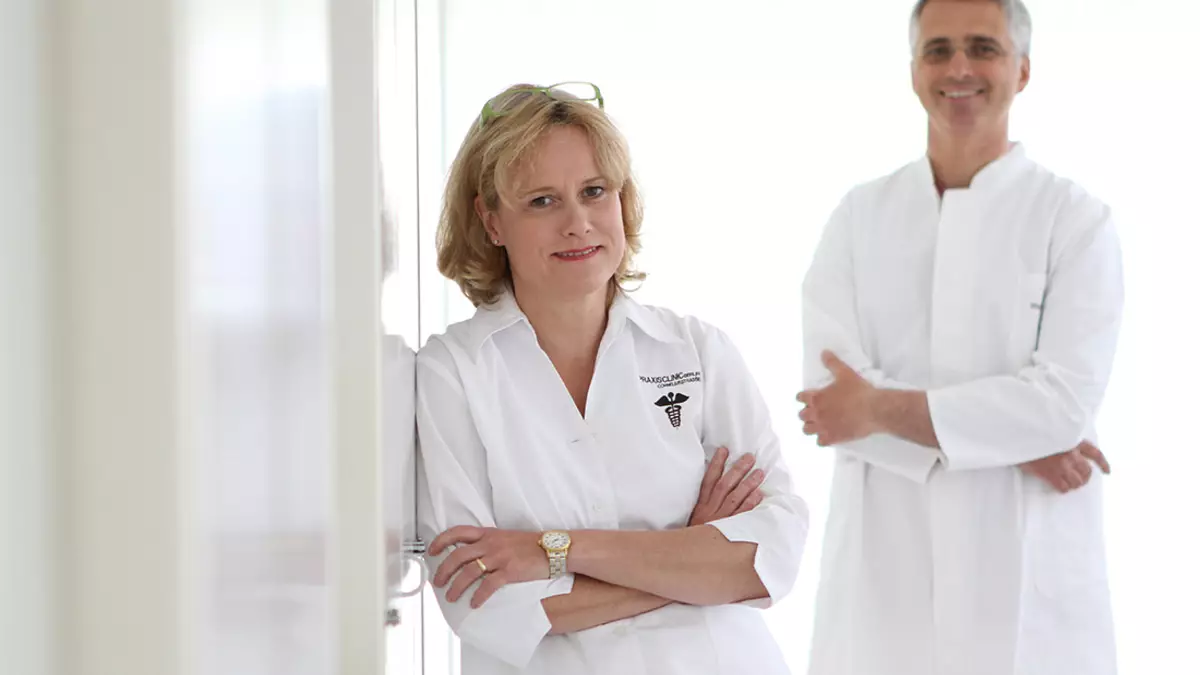
In this context, a Dental Practice in Berlin Steglitz that combines clear communication, high-level medical expertise, and a warm, human approach becomes more than a healthcare provider. It becomes an anchor of security. The Zahnarzt-Praxis Berlin Steglitz of Dr. Djamchidi & A. Jannack is designed exactly for that role: a place where modern implantology, tooth preservation, prophylaxis, and oral surgery meet a deep understanding of the whole person behind each set of teeth.
The practice is located in a classic Altbau building in Berlin-Steglitz, close to the vibrant Schloßstraße and within easy reach from Berlin Southwest districts such as Zehlendorf. It offers an unusually strong combination of skills: on one hand, double approbation in medicine and dentistry in the person of Dr. Djamchidi, and on the other hand, advanced endodontics and aesthetics led by dentist Annette Jannack. Together, they form a team capable of handling complex oral surgery and implantology on the one side, and delicate, microscopic tooth preservation on the other—two sides of the same coin when it comes to long-term oral health.
For international residents, this combination addresses two central questions at once: Will I be medically safe, especially if I need complex treatment like implants? And will someone take the time to explain everything to me in a language and style I understand, so that I can make confident decisions about my own health?
Many expats arrive in Berlin with experiences from very different dental systems. In some countries, patients are used to highly commercial environments where every visit feels like a sales pitch. In others, dentistry can feel rushed and purely technical, with little time for questions. In Germany, the statutory and private insurance structures add a third layer of complexity: what is covered? What counts as medical necessity? Where is the line between functional care and aesthetic treatment?
On top of that come very human concerns. Dental anxiety is common across cultures. The idea of lying helpless in a chair while someone works inside your mouth can trigger intense fear, memories of traumatic past treatments, or worries about pain and loss of control. Now imagine adding a language barrier on top: you are not completely sure you understood the consent form, you are shy about asking the dentist to repeat information, and you are unsure whether your fear will be taken seriously.
An English-speaking Dentist with international sensitivity can make a decisive difference here. In this Steglitz practice, consultations are structured to leave time for explanation and dialogue. Medical and dental terminology can be translated into plain English step by step. If you are confused about German insurance options or treatment plans, you can ask without embarrassment. The team understands that for many international patients, trust is built not only through clinical competence but also through transparency, clear language, and respect for cultural background.
One of the most distinctive features of this dental practice is the unique professional profile of Dr. Djamchidi. He is not only a dentist; he also holds a full medical degree and is an ENT (Ear, Nose, Throat) specialist. In German, this is often referred to as "Doppelte Approbation"—double approbation in medicine and dentistry. For you as a patient, this combination is far more than an impressive line on a business card. It has very concrete consequences for your safety and the quality of your care, especially in implantology and oral surgery.
Modern implantology is not just about placing a titanium screw into the jaw. A dental implant is a medical device that must be integrated into living bone and surrounded by healthy soft tissue. Above the upper molar region lies a delicate structure: the maxillary sinus. The thin bony wall between your upper jaw and this air-filled cavity is called the maxillary sinus floor. When teeth in this region have been missing for a long time, the bone can resorb, leaving very little vertical height for an implant. In these cases, a procedure called sinus lift or augmentation of the maxillary sinus floor is often necessary to create enough stable bone to hold an implant safely.
Here, the dual identity of Dr. Djamchidi as both Oral Surgeon and ENT-trained Physician becomes a significant safety advantage. As an ENT specialist, he is deeply familiar with the anatomy, function, and pathological conditions of the paranasal sinuses, nasal cavity, and surrounding structures. He understands how the maxillary sinus connects to your nasal passages, how mucosal health influences sinus ventilation, and how chronic sinusitis or anatomical variants can change the risk profile of implantology in the upper jaw.
When planning an implant in the posterior maxilla, he does not only evaluate bone density and volume. He can also assess sinus health, nasal breathing, potential allergies, or chronic inflammatory conditions that might increase complication risks. He is trained to interpret radiological images such as CBCT scans from both a dental and a medical ENT perspective. If a sinus lift is indicated, he can plan the minimally invasive access in a way that respects both dental and ENT principles, reducing the likelihood of perforating the sinus membrane or impairing sinus drainage.
For you as a patient, this double degree means that complex procedures like sinus lifts, bone augmentations, or implants are approached from a whole-head perspective. Potential interactions with your general health, medications, or ENT conditions can be taken into account. This is especially relevant if you suffer from chronic sinus infections, nasal polyps, allergies, or breathing issues. Instead of being referred from one specialist to another, you benefit from an integrated approach within a single treatment concept.
Beyond implantology, this physician's view also matters in other areas of oral surgery and dental care. Many systemic diseases—diabetes, autoimmune disorders, cardiovascular conditions—interact with oral health, wound healing, and infection risk. As a trained Medical Doctor, Dr. Djamchidi is able to assess your anamnesis not only as a list of unrelated diagnoses but as part of a complex physiological network. This becomes particularly important if you need surgery under sedation, take blood thinners, or have conditions that alter your immune response.
Even everyday topics like the choice of materials for restorations or implants can benefit from medical knowledge about biocompatibility. When your dentist also thinks like a physician, questions such as allergic reactions, systemic inflammation, or interactions with existing medical implants are considered more thoroughly. The result is an implantology and oral surgery concept that is technically precise and medically grounded—a combination that brings peace of mind, especially to those with previous health issues or a desire for comprehensive safety.
While implants and oral surgery deal with replacing or reconstructing missing structures, the other central pillar of this Steglitz practice is exactly the opposite: doing everything possible to preserve your natural teeth for as long as they can be kept healthy and functional. This is where Annette Jannack comes in, with a strong focus on endodontics and aesthetic, minimally invasive restorative dentistry.
Endodontics is the dental specialty concerned with the inside of the tooth, particularly the pulp (the soft tissue containing nerves and blood vessels) and the root canal system. When deep decay, cracks, or trauma reach the pulp, bacteria can cause inflammation and infection. In earlier eras, such teeth were often extracted. Modern endodontics offers another path: saving the tooth from within.
Root canal treatment, when performed with contemporary techniques and microscopic dentistry, is a precise, multi-step procedure. Under local anesthesia, the affected tooth is carefully accessed. The infected pulp tissue is removed, and the tiny, branching root canals are cleaned, shaped, disinfected, and then sealed with biocompatible materials. In many complex cases, high magnification and special lighting are needed to find fine or hidden canals that would otherwise be missed. This is where the combination of skill and technology makes a decisive difference between long-term success and persistent problems.
In the philosophy of this Zahnarzt-Praxis, tooth preservation (Zahnerhalt vor Zahnersatz) is a core priority. Each natural tooth is seen as an organ that interacts with the jawbone, the chewing system, the gums, and even the way you speak and smile. While modern prosthetics and implants can achieve excellent results, nothing is biologically as perfect as the structures you were born with. Therefore, whenever a tooth can be realistically saved with a high chance of long-term stability—through advanced root canal treatment, re-treatment, or microsurgical endodontics—this option is explored thoroughly before considering extraction and replacement.
For you as a patient, this means that a recommendation for a crown, inlay, or even a root canal treatment is not given lightly. It follows a detailed diagnostic process that may include digital imaging, vitality tests, and a careful evaluation of cracks or old restorations. The aim is to remove as little healthy tooth substance as possible while restoring strength and sealing out bacteria. Minimally invasive techniques, adhesive composites, and ceramics are chosen to protect what remains of your tooth, not to shape it aggressively just to fit a standard solution.
Endodontics is often misunderstood as painful or frightening. In reality, when carried out with modern anesthetics and gentle methodology, it can be almost pain-free—especially in a practice that explicitly acknowledges dental anxiety. Ms. Jannack understands that the way the procedure is explained matters as much as the technical steps. She takes the time to walk you through the plan: why this tooth can be saved, what sensations you might feel during and after treatment, and what the long-term prognosis looks like. The combination of clear communication, technical mastery, and a calm, precise approach can transform a feared root canal into a surprisingly reassuring experience.
Dental anxiety does not follow rational rules. You may know intellectually that modern dentistry uses effective local anesthesia, that instruments have improved, and that safety protocols are strict. Yet your body still reacts with sweaty palms, a racing heart, or the urge to cancel your appointment at the last minute. This Steglitz dental practice takes these reactions seriously. Instead of dismissing them, the team sees dental anxiety as a legitimate medical and psychological condition that requires adaptive care.
The first step is atmosphere. The moment you enter the historic Altbau setting, you are met not with a sterile, anonymous clinic feel but with a more personal environment. The receptionists and assistants are trained to read body language and ask open questions: Are you feeling nervous today? Do you have specific fears or past experiences we should know about? There is no expectation that you must be a "brave" patient; you are allowed to be honest, to ask for breaks, and to request more detailed explanations.
Secondly, the practice offers individualized strategies for coping with anxiety. For some, simple measures such as noise-cancelling headphones, a clear step-by-step commentary from the dentist, or the possibility to signal at any time to pause are enough. Others benefit from relaxation techniques, gentle, minimally invasive approaches, and in some cases supportive homeopathic remedies as complementary measures—always framed carefully as optional aids, not as replacements for evidence-based dentistry.
For patients with severe dental phobia or those requiring more extensive oral surgery or implantology, options like sedation or so-called twilight sleep (conscious sedation) may be considered. Under twilight sleep, you remain responsive enough to cooperate but experience the treatment as distant, dream-like, and much less frightening. This is particularly suitable for longer procedures or for people who have not managed to receive routine care for many years due to their fear. Thanks to the double medical and dental expertise on site, indications, contraindications, and dosage are evaluated with a physician's safety awareness.
The goal is not to force you into any particular method, but to offer a spectrum of support options and to respect your autonomy. You remain involved in all decisions. In this context, the practice explicitly welcomes patients who are seeking a second opinion—especially after being confronted with treatment plans elsewhere that felt rushed, overly aggressive, or insufficiently explained. Being able to sit down, have your X-rays interpreted in understandable terms, and receive a balanced view of options can by itself reduce anxiety and help you make a decision that feels right.
The Zahnarzt-Praxis of Dr. Djamchidi & A. Jannack is situated in Berlin-Steglitz, a district known for its mix of urban life and village-like corners. Close to Schloßstraße, one of Berlin's major shopping streets, the area combines everyday convenience with the charm of tree-lined side roads, cafés, and historic façades typical of Berlin Southwest. The practice itself is housed in a classic Altbau building, with high ceilings and the kind of architecture many people associate with the authentic Berlin feeling.
This architectural beauty does come with one concrete consequence: there is no elevator. Access to the practice is via stairs, and the building is not barrier-free. The team is transparent about this. Rather than hiding the fact, they frame it honestly as part of the historic character of the place. For many patients, climbing a few steps through an Altbau staircase is a small price for the atmosphere and central location. However, if you have significant mobility limitations or require wheelchair access, this is an important factor to discuss in advance. In some cases, the practice may help you coordinate with other facilities if a barrier-free environment is medically necessary for your care.
At the same time, the location has several advantages. Steglitz is well-connected by public transport, making the practice easy to reach from other parts of Berlin, including Zehlendorf and the wider southwest area. Bus and U-Bahn lines serving Schloßstraße and its surroundings allow you to combine a dental visit with everyday errands. For those who prefer to drive, the quarter typically offers reasonable parking options compared with more central inner-city districts, especially in the side streets around the main commercial axis.
Inside the practice, the layout is designed to create a feeling of privacy and calm despite the urban surroundings. Treatment rooms are equipped with modern technology for diagnostics and therapy, but the overall aesthetic aims to reduce the typical clinical stress triggers. Here, high-quality oral surgery instruments can co-exist with warm colours and friendly faces; sterile does not have to mean cold.
Imagining your first visit to a new dental practice can be stressful, especially in a foreign country. To make the experience more predictable, it helps to walk through a typical patient journey at this Steglitz practice, from first contact to follow-up.
It usually begins with a phone call or online enquiry. As an English-speaking practice, the staff can handle your questions in English, whether you are asking about insurance coverage, fees for a specific procedure, or how urgent your problem is. They may recommend you bring previous X-rays or documentation, but if not available, new diagnostic images can be taken on site. Already at this stage, you can mention if you have strong dental anxiety so that enough time is reserved for your appointment.
When you arrive for your first appointment, you are greeted at reception and guided through the initial administrative steps: filling out anamnesis forms, presenting your health insurance card (statutory or private), and signing necessary consents. If the German terms on the forms are confusing, the staff can help you understand what you are signing and why. This alone can significantly reduce the bureaucratic fear many expats experience in the German healthcare system.
The first clinical step is a comprehensive anamnesis and examination. Here, the double approbation of Dr. Djamchidi again plays a role: your general medical history, medications, allergies, and previous surgeries are seen in connection with your dental situation. A physical examination of the teeth, gums, jaw joints, and where indicated, ENT-relevant structures, is performed. If you are seeing Ms. Jannack primarily for endodontics or aesthetic concerns, she will conduct a similarly thorough dental evaluation with particular focus on tooth vitality, existing fillings, and signs of microcracks or wear.
Diagnostic tools may include digital X-rays or three-dimensional imaging where needed, particularly for implantology or complex root canal cases. The goal is not to overwhelm you with technology but to gather precise information. These images then form the basis for a transparent discussion. You will be shown what the dentist sees: where bone is missing, where infection is present, which teeth are at risk, and what options exist to address these findings.
Next comes the consultation phase. This is where many patients notice the difference between a purely procedure-driven practice and one that prioritizes explanation. Treatment options are discussed in structured language, with clear differentiation between medically necessary interventions and aesthetic or elective options. For example, a tooth with deep decay might have several pathways: a large filling, an inlay or onlay, a crown, or, if the pulp is affected, a root canal treatment followed by a specific type of restoration. Each option carries different long-term prognoses, costs, and impacts on tooth substance.
The dentists take time to answer your questions about materials, durability, and biocompatibility. If implantology is on the table, the discussion will include timelines (from extraction to implantation to final crown), bone augmentation needs, and what a sinus lift would involve if indicated. Risk factors, such as smoking, diabetes, or bruxism, are addressed compassionately but honestly. Where appropriate, the possibility of sedation or twilight sleep is explained, including pre-operative requirements and post-operative care.
Once you have decided on a treatment plan that feels right for you, appointments are scheduled in a way that balances clinical necessity with your personal schedule and tolerance. For anxious patients, shorter, more frequent sessions might be preferable. For others, especially those travelling from outside Berlin Southwest, combining multiple steps into one longer session can make sense—again, potentially with mild sedation if needed.
During actual treatment visits, the team maintains the same emphasis on communication. Before each procedure, they recap what will happen, check in on your comfort level, and confirm your consent. Local anesthesia is applied carefully, with time given for it to take full effect. Throughout the session, you can indicate if you need a pause. The dentists and assistants are used to working with patients who want more verbal guidance: explaining what sound you are hearing, what pressure you might feel, and how long a specific step will last.
After the procedure, you receive clear post-operative instructions: what to expect regarding discomfort or swelling, which medications to take, how to clean the treated area, and which signs should prompt you to call the practice. Written information can be provided in English, helping you feel secure once you leave the dental chair and return to everyday life. Follow-up appointments monitor healing, especially after oral surgery, implant placement, or complex root canal treatments.
Throughout this journey, prophylaxis—the prevention of future problems—remains a constant theme. Professional dental cleanings, individualized oral hygiene coaching, and regular check-ups support the longevity of both natural teeth and restorations. In line with the philosophy of tooth preservation, the aim is to detect and treat issues when they are still small and manageable, reducing the need for larger interventions in the future.
When you step back and look at the overall profile of this Dental Practice in Berlin Steglitz, a clear picture emerges. It is neither a purely cosmetic smile studio nor a large, anonymous clinic. Instead, it is a highly specialized, yet personal Zahnarzt-Praxis where medical and dental expertise interlock.
On the one hand, you have the profound advantage of double approbation in the person of Dr. Djamchidi: a dentist who also thinks like a physician and ENT specialist. This unique background elevates implantology and oral surgery to a new level of safety and sophistication, particularly in regions close to the maxillary sinus floor and nasal structures. Complex cases are planned with an eye on your whole health, not just the local surgical site.
On the other hand, you benefit from the meticulous, preservation-oriented approach of Annette Jannack, whose focus on endodontics, microscopic dentistry, and minimally invasive restorations brings the principle of Zahnerhalt vor Zahnersatz to life on a daily basis. Instead of rushing to extract and replace, the practice invests in saving and strengthening what nature gave you—whenever this is medically reasonable and beneficial.
Overlaying this clinical strength is a conscious commitment to patient comfort, especially for those with dental anxiety or expat-related insecurities. English-language communication, empathy, flexible sedation options, and openness to second opinions create a trust-building framework in which you can make informed, confident decisions. You are neither reduced to a case number nor pressured into one-size-fits-all solutions.
The setting in Berlin-Steglitz, near Schloßstraße and accessible from areas like Zehlendorf, anchors the practice in a lively yet residential part of the city, with the charm of a historic Altbau that also honestly entails stair access instead of an elevator. This transparency is part of the practice culture: no surprises, no hidden constraints, just clear information so you can decide what works for your personal situation.
For locals, this combination of medical depth, high-level dental technique, and personal atmosphere makes the practice a long-term partner in oral health. For international residents and expats, it offers something even more rare: a place where the complexities of the German system, the fear of miscommunication, and the emotional burden of dental care are all acknowledged and addressed with respect. Whether you need a simple prophylaxis appointment, a complex root canal treatment, or a full implant-based reconstruction with sinus lift, you will find in this Steglitz Zahnarzt practice a team prepared to guide you with both science and human understanding.
Ultimately, good dentistry is about much more than beautiful teeth. It is about function, comfort, self-confidence, and the feeling that your health is in safe hands. In the Zahnarzt-Praxis Berlin Steglitz of Dr. Djamchidi & A. Jannack, the convergence of double medical and dental training, advanced endodontics, minimally invasive techniques, and a truly patient-centred ethos makes that feeling a reality—for Berliners by birth, and for Berliners by choice.
Disclaimer regarding our articles: No investment advice, no buy or sell recommendation. Information on prices, companies, and markets is provided without guarantee; changes are possible at any time. Stock market transactions can lead to substantial losses. Our articles are created and reviewed in whole or in part automatically with the support of AI.