A Dental Practice in Berlin Steglitz Where Medicine and Dentistry Meet
Published on 03/19/2026 at 07:01 | Editorial responsibility: Rafael Müller, Editor-in-Chief AD HOC NEWS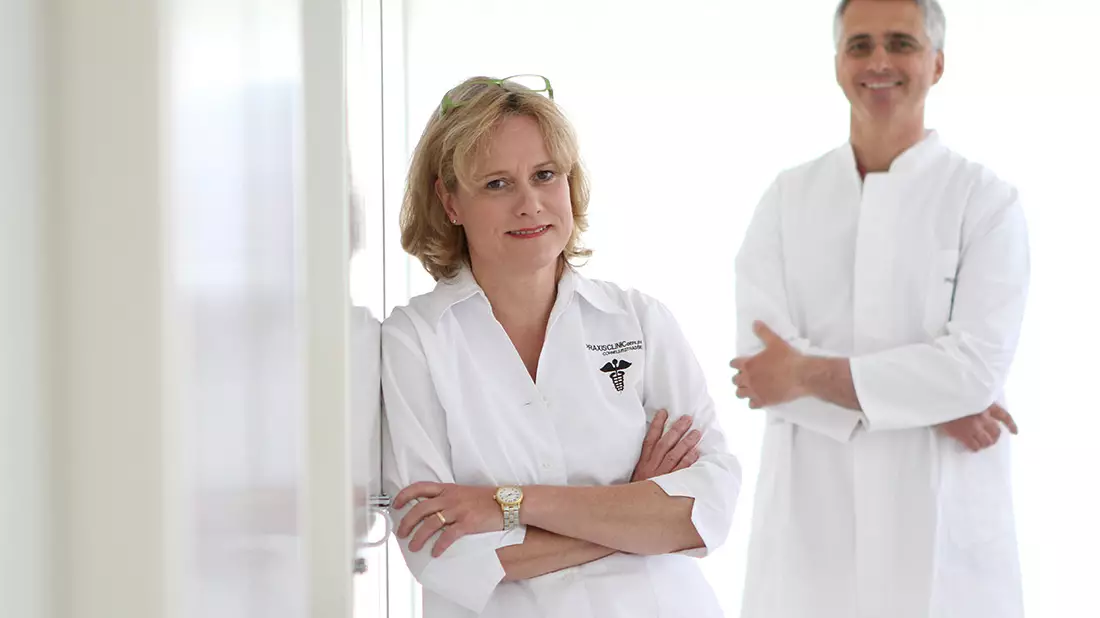
Arriving in a new country, many expats in Berlin quickly discover that everyday tasks can feel unexpectedly complicated. Registering with local authorities, understanding health insurance, finding a family doctor or a trustworthy dental practice can all be intimidating when you are still navigating a foreign language and a different medical system. Dentistry in particular touches on something deeply personal: your smile, your ability to eat comfortably, and your confidence in social and professional life. Against this backdrop, choosing a dentist is less about convenience and more about trust, communication, and long-term safety.
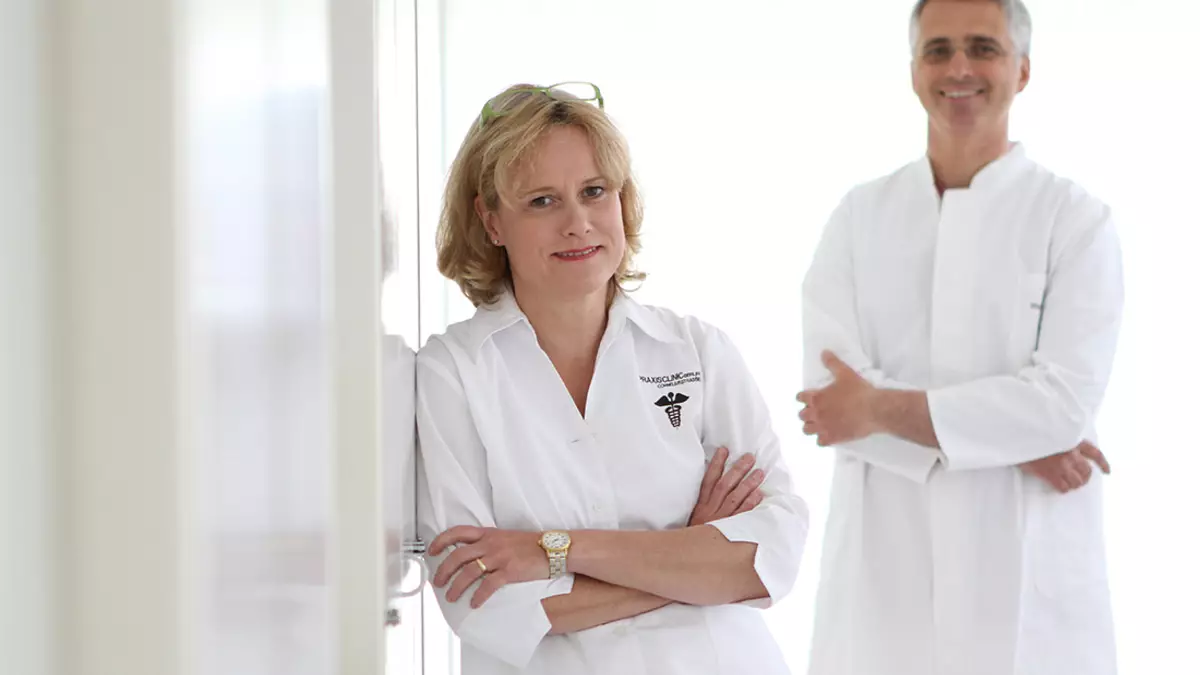
In the southwest of Berlin, in the district of Steglitz near the well-known shopping mile around Schloßstraße, one dental practice stands out for international patients and Berliners alike: the Zahnarzt-Praxis Berlin Steglitz of Dr. Djamchidi & A. Jannack. This dental practice in Berlin Steglitz combines a rare dual qualification in medicine and dentistry with advanced expertise in endodontics and aesthetics. For patients who want evidence-based care, clear explanations in English, and a team that understands both dental anxiety and expat realities, this practice offers a uniquely reassuring environment.
For many internationally mobile professionals, students and families, the very idea of sitting in a dental chair in a foreign country can trigger anxiety. Will the dentist understand my questions in English? Will they respect my previous medical history from another country? How do I navigate paperwork, insurance forms, and treatment plans in German? These concerns are not abstract. They influence whether people seek timely preventive care or wait until pain forces them to act. In Berlin, dental anxiety can be compounded by unfamiliar terminology, cultural differences in how doctors communicate, and stereotypes about the German medical system being rigid or overly bureaucratic.
This is one reason why an English-speaking dentist who can explain complex procedures clearly and calmly is invaluable. The team in this Steglitz practice is used to working with patients from all over the world, including neighboring Zehlendorf, Berlin Southwest, and beyond. They understand that new patients often arrive with a mix of dental anxiety and bureaucratic fear. They take time to go through anamnesis forms, clarify which services are covered by statutory or private insurance, and help you understand the difference between medically necessary treatment and optional aesthetic procedures. The goal is to transform uncertainty into understanding, and fear into a sense of control.
The heart of this practice’s philosophy is simple yet powerful: combine high-end medical knowledge with minimally invasive, patient-centered dentistry. While many Dental Practices focus either on rapid restorative work or purely aesthetic outcomes, Zahnarzt-Praxis Berlin Steglitz has built its reputation on a more holistic approach. This is especially evident in how the two leading practitioners complement one another: Dr. Djamchidi brings the rare combination of being both a fully trained physician and ENT specialist as well as a dentist, while Annette Jannack focuses on endodontics, microscopic dentistry and advanced tooth preservation.
To understand why the dual qualification of Dr. Djamchidi is such a powerful asset, it helps to look at what implantology and oral surgery actually involve. Dental implants are not simply screws placed into bone. They are medical devices that interact with complex anatomical structures in the jaw and face, including blood vessels, nerves and, in the upper jaw, the maxillary sinus. Any intervention near the maxillary sinus floor requires deep knowledge of ENT anatomy, sinus physiology, and the potential impact on breathing and overall health.
As both physician and dentist, Dr. Djamchidi brings a so-called double approbation: a full license in human medicine and a full license in dentistry. This is relatively rare and provides a double perspective on every treatment. Instead of viewing a missing tooth only as a local problem, he evaluates your oral health in the context of your general medical status: cardiovascular health, medications, allergies, ENT conditions, and more. When planning implants, this comprehensive approach increases safety significantly, especially when sinus lift procedures or other advanced oral surgery techniques are required.
A sinus lift, for example, is a procedure where the maxillary sinus floor is carefully elevated to create more vertical bone height for implants in the upper jaw. It demands precise assessment of sinus anatomy, existing sinus disease, and mucosal health. For a purely dental surgeon, this region can be challenging because the sinus is primarily an ENT territory. For someone like Dr. Djamchidi, who is also an ENT specialist, the maxillary sinus is familiar territory. He understands how chronic sinusitis, previous ENT surgeries, nasal septum deviations or allergic rhinitis can affect healing and long-term implant success.
Whether a patient arrives from Schloßstraße with a simple request for better chewing function or flies in from another country for complex full-mouth rehabilitation, the interdisciplinary thinking built into this practice makes a crucial difference. Pre-operative diagnostics do not stop at a panoramic X-ray. Whenever necessary, three-dimensional imaging such as CBCT is interpreted with both a dental and a medical eye. Questions like biocompatibility of materials, the impact of implants on adjacent anatomical structures, and possible interactions with systemic diseases are treated with the same seriousness as in any hospital-based ENT or maxillofacial setting.
For patients, the benefit is tangible: the risk of complications is reduced, and if an issue arises, it is recognized early. For example, subtle signs of sinus membrane thickening on a scan, which might be overlooked by someone without ENT training, can be identified and managed proactively. A conservative approach might mean treating underlying sinus inflammation before placing implants, or choosing an alternative treatment strategy if the anatomy is not favorable. This is what minimally invasive Implantology truly means: not just using smaller incisions, but also making intelligent decisions that avoid unnecessary risk in the first place.
Another area where double approbation matters is in anesthesia and sedation. When offering twilight sleep or deeper sedation options for anxious patients, understanding the patient’s cardiopulmonary status, medications, and previous surgical history is critical. A practitioner who thinks like a physician in addition to a Zahnarzt can better weigh the pros and cons of different sedation methods, coordinate with anesthesiologists if needed, and integrate medical monitoring into the workflow of oral surgery. The result is a calmer experience for anxious patients and a higher margin of safety for everyone.
Importantly, this medical perspective does not replace everyday dental skills; it enhances them. From simple extractions to complex bone augmentation, the treatment plans emerging from this practice are guided by the same question: what is the safest, most durable, and least invasive way to restore function and aesthetics while protecting the patient’s overall health? In an era where dental marketing sometimes emphasizes quick results over depth, this scientific, physician-level mindset is a rare and valuable counterbalance.
If Dr. Djamchidi provides the broad medical and surgical framework of the practice, then Annette Jannack is the specialist who dives deep into the inner life of each tooth. Her core focus is endodontics, the field concerned with the diagnosis and treatment of diseases of the dental pulp and root canal system. In everyday language, this means she is the person fighting to save teeth that might otherwise be extracted and replaced with implants or bridges.
The motto "Zahnerhalt vor Zahnersatz" – tooth preservation before tooth replacement – is central to her philosophy. While Implantology and modern prosthetics can achieve fantastic results, no artificial material can fully replicate the fine biomechanical and sensory capabilities of a natural tooth anchored in living bone and periodontal ligament. Every natural tooth that can be preserved through high-quality root canal treatment protects the integrity of the bite, reduces the load on neighboring teeth, and maintains bone volume over time.
Root canal treatment, or endodontic therapy, is often misunderstood as a painful or crude procedure. In contemporary dentistry, especially in a practice that values microscopic dentistry, the reality is very different. Under magnification, the inside of the tooth is explored with precision instruments that can visualize tiny accessory canals, hidden bacteria reservoirs, and complex root canal anatomy that would be invisible to the naked eye. Annette Jannack uses this microscopic view to clean, shape and disinfect the root canal system thoroughly, often rescuing teeth that were previously labeled as hopeless.
For patients from Berlin Steglitz, Zehlendorf and the wider Berlin Southwest region, this means that a tooth with deep decay, previous failed root canal treatment, or persistent inflammation at the root tip does not automatically have to be removed. Instead, a carefully planned endodontic retreatment or an apical surgery can resolve the infection while preserving the tooth structure. The long-term benefits are substantial: fewer implants are needed, natural chewing patterns are maintained, and the risk of shifting teeth or bite collapse is minimized.
The process starts with precise diagnostics. Digital imaging allows assessment of root length, curvature, and any previous fillings. During treatment, local anesthesia ensures that patients remain comfortable; even those with dental anxiety are often surprised at how manageable a modern root canal can be. Inside the tooth, specialized instruments remove the inflamed or necrotic pulp tissue. The canals are then shaped, irrigated with disinfecting solutions, and finally filled with biocompatible materials designed to seal the system tightly. This biocompatibility is essential; materials must not provoke adverse reactions in surrounding tissues and should support healing of the bone at the root tips.
In complex cases, such as teeth with extremely narrow or calcified canals or unusual anatomical variations, the combination of experience, microscopic visualization and patience is what makes the difference between extraction and salvation. For a patient, especially an expat who may have invested significant time and money in previous dental work abroad, the opportunity to keep a compromised but salvageable tooth is emotionally and economically important. It aligns with a sustainable concept of dental care: preserve what nature gave you for as long as reasonably possible, and resort to prosthetic replacement only when truly necessary.
And when aesthetic considerations enter the picture, for example in the front teeth, endodontics and aesthetics go hand in hand. A well-treated, stable root canal tooth can serve as a strong foundation for a cosmetically sophisticated crown or veneer that blends seamlessly into the smile. In these situations, Annette Jannack’s eye for detail – from shade selection to minimal removal of enamel – ensures that preservation and beauty reinforce one another.
Dentistry touches on fears that are both rational and emotional. Many people, whether born in Berlin or newly arrived from another country, carry memories of childhood treatments that felt rushed, painful or dismissive. For expats, these memories can be intensified by the additional worry that they might not be understood if they express discomfort in a second language. This practice in Steglitz has built much of its identity around addressing dental anxiety in a kind, structured way.
First, the team recognizes that anxiety is not a weakness; it is a normal human response to perceived threat. Instead of minimizing fears, they invite patients to discuss them openly. During the first consultation, it is common to set aside extra time simply to talk, review past experiences, and clarify what specifically causes unease – is it the sound of instruments, fear of injections, concerns about costs, or a sense of losing control? Once identified, these aspects can be systematically addressed.
Several strategies are available. For milder anxiety, clear communication and gentle techniques may suffice: topical numbing gel before injections, step-by-step explanations of each move, and the option to pause treatment at any time. For more pronounced anxiety, the practice offers various forms of sedation. Twilight sleep, a form of conscious sedation, allows patients to remain responsive but deeply relaxed, with little memory of the procedure afterwards. This can be particularly helpful for longer sessions, such as combined Implantology and bone augmentation procedures or complex root canal treatments.
Because of the medical background of the team, sedation is approached with clinical rigor: pre-operative medical assessment, careful selection of medications, and appropriate monitoring throughout the procedure. Patients who prefer a more natural supportive framework can also discuss complementary options such as homeopathy or gentle calming strategies based on breathing techniques and environmental adjustments. The overarching aim is always the same: to create an atmosphere where even those with a long history of dental avoidance feel safe enough to begin again.
The physical environment contributes to this sense of safety. While the practice is located in a historic Altbau building characteristic of Berlin Steglitz, with high ceilings and classic architectural details, the interior is designed to feel warm and contemporary rather than clinical. Soft colors, comfortable seating and a calm reception area help to reduce tension before treatment even begins. For many patients, the blend of old Berlin charm on the outside and modern medical sophistication on the inside becomes part of the appeal: it feels like stepping into a protected space where tradition and innovation coexist.
One practical aspect that needs to be addressed honestly is accessibility. The practice is housed in an Altbau without an elevator, which means there are stairs and the building is not barrier-free. For some patients with significant mobility limitations, this can pose challenges. The team is transparent about this limitation from the first contact, whether by phone, email or online. Whenever possible, they work to accommodate individual needs: arranging assistance with stairs, scheduling more time to move between areas, or coordinating with family members or caretakers. However, they also respect when patients ultimately require a fully accessible clinic and will support them in finding appropriate alternatives if needed.
At the same time, the building’s historic character is part of what many people cherish about this corner of Berlin Southwest. Walking through Steglitz, especially the streets branching off from Schloßstraße toward quieter residential areas, you encounter façades that tell the story of Berlin’s architectural evolution: stucco ornaments, high, airy stairwells, large windows and period details that have survived decades of change. For many expats, being treated in such an environment becomes part of their authentic Berlin experience, a reminder that health care here is embedded in living urban history rather than happening in anonymous high-rise blocks.
In terms of logistics, the location is practical for both locals and people coming from neighboring boroughs like Zehlendorf. Public transport connections around Schloßstraße are excellent, with U-Bahn and bus lines bringing patients from across the city to the vicinity of the practice. Those arriving by car will find that, compared to the city center, Berlin Steglitz often offers more realistic options for parking in nearby streets or parking garages. This matters in real life: arriving for a longer treatment such as oral surgery or endodontics is less stressful when you do not have to circle endlessly for a parking spot.
Imagining a first visit to the practice can help demystify the experience, especially for expats who have never seen a German dental office from the inside. It begins even before you step through the door, with a phone call or an email. The practice team is used to inquiries in English and takes care to explain appointment options clearly. They may ask you to bring existing X-rays or treatment plans from your home country, and will guide you on how to fill out the anamnesis forms, which document your medical history, medications, allergies and previous dental treatments.
On the day of your appointment, you climb the stairs of the Altbau and arrive at the reception. You are greeted by name, and, if you prefer, in English. After a short wait, you are escorted to a consultation or treatment room, where the dentist begins not with instruments, but with conversation. They ask about your main concerns: is this visit about an acute problem, such as pain or swelling, or about a long-postponed check-up and cleaning (prophylaxis)? Do you wish to discuss aesthetic improvements, such as whitening or veneers, or are you more concerned about functional issues like missing teeth or chewing difficulties?
During the initial examination, the dentist performs a thorough check of your teeth, gums, bite and oral mucosa. If necessary, digital X-rays or panoramic images are taken on-site, with explanations of what each image reveals. If you are consulting about implants or complex oral surgery, the discussion may include 3D imaging and references to anatomical structures like the maxillary sinus floor, nerves and neighboring teeth. If the focus is on tooth preservation, the dentist may highlight teeth that would benefit from root canal treatment, periodontal therapy, or improved home care.
One difference many expats notice is the emphasis on prophylaxis in German dental culture. The practice in Steglitz takes professional teeth cleaning and preventive check-ups seriously, not as an afterthought but as the foundation of long-term oral health. The hygienists and dentists work together to remove tartar and biofilm, polish surfaces, and instruct you on individualized home care strategies. They may discuss the role of diet, smoking, fluoride use and interdental cleaning. This preventive orientation aligns with a broader medical understanding: stable oral health contributes to systemic well-being, reducing inflammation that can impact cardiovascular health and other organs.
After diagnostics, you are presented with a treatment plan. This is where the combination of medical and dental expertise becomes especially visible. Options are explained in clear language, with honest discussion of advantages, limitations, costs and timelines. If implants are being considered, you are informed not only about the local surgical steps, but also about how your general medical condition might influence healing. If endodontic retreatment is proposed instead of extraction, the dentist will explain why saving the tooth is preferable in your specific case, and what prognosis you can realistically expect.
At any point, you are encouraged to ask questions or seek a second opinion. In fact, the practice explicitly welcomes patients who come specifically for an independent second opinion, for example after being advised elsewhere to extract several teeth or undergo extensive prosthetic work. This open attitude reflects a commitment to transparency and patient autonomy. For many international patients who are used to different medical cultures, it is reassuring to know that their skepticism is respected rather than dismissed.
When treatment begins, whether it is a simple filling, a root canal, or an implant placement, the same principles apply: minimally invasive techniques whenever feasible, careful anesthesia and, if desired, sedation or twilight sleep. The team’s experience with oral surgery means that even more complex interventions are conducted with a calm, structured workflow that minimizes treatment time without rushing any critical steps. Post-operative instructions are provided verbally and in writing, often in both German and English, so that you know exactly how to care for the treated area at home. Follow-up appointments are scheduled not only to check healing, but also to adjust and fine-tune prosthetics, occlusion and aesthetics.
Over time, many patients come to see the practice not just as a place to fix problems, but as a long-term partner in keeping their mouth healthy. Regular prophylaxis appointments become an opportunity to catch early signs of trouble before they become painful, and to receive tailored advice as life circumstances change – for example, during pregnancy, when starting new medications, or when moving from one country’s health system to another. For expats, having this kind of stable medical anchor in Berlin can significantly reduce the stress of living abroad.
When you take a step back and look at the broader landscape of dental care in Berlin, several aspects make Zahnarzt-Praxis Berlin Steglitz by Dr. Djamchidi & A. Jannack a compelling choice for both locals and the international community. The first is the unique combination of qualifications. There are many capable dentists and many capable physicians in the city, but very few who unite both perspectives in one person and apply them so directly to Implantology, oral surgery and sedation. This double approbation is not a marketing slogan; it is a concrete safety and quality advantage for patients whose cases go beyond simple fillings.
The second is the profound dedication to tooth preservation embodied by Annette Jannack’s endodontic work and focus on microscopic dentistry. In an era where replacing teeth can sometimes seem easier than saving them, her commitment to minimally invasive root canal treatment and conservative restorative strategies offers a more sustainable, biologically respectful path. Patients benefit not only from preserved natural teeth, but also from the reduced need for extensive prosthetics and the associated financial and biological costs.
The third is the patient-centered culture, especially regarding dental anxiety and expat realities. An English-speaking team, an openness to second opinions, flexible communication about costs and insurance, and a readiness to integrate medical history from multiple countries all contribute to a sense of being genuinely cared for as an individual. For someone who has just moved to Berlin, this can be decisive: it transforms the dental practice from a potential source of stress into a reliable cornerstone of health care.
Finally, the setting itself, in a classic Altbau in the heart of Berlin Steglitz near Schloßstraße, offers a blend of authenticity and practicality. While the lack of an elevator and the presence of stairs mean the building is not barrier-free, the team’s honest communication and willingness to help offset this limitation as much as possible. At the same time, the historic character of the building, the convenient public transport connections, and the more relaxed parking situation compared to the city center make this location appealing for many.
For anyone looking for a Dental Practice in Berlin that combines scientific rigor with human warmth, medical depth with conservative tooth preservation, and local Berlin character with an international outlook, the Zahnarzt-Praxis of Dr. Djamchidi & A. Jannack in Berlin Steglitz deserves serious consideration. Whether you live just around the corner, commute from Zehlendorf, or have recently arrived from another country and are searching for a Zahnarzt you can truly trust, this practice offers a thoughtful, anxiety-aware and medically grounded approach to everything from prophylaxis and root canal treatment to advanced Implantology and oral surgery.
Disclaimer regarding our articles: No investment advice, no buy or sell recommendation. Information on prices, companies, and markets is provided without guarantee; changes are possible at any time. Stock market transactions can lead to substantial losses. Our articles are created and reviewed in whole or in part automatically with the support of AI.