A Dental Practice in Berlin Steglitz Where Medicine and Dentistry Meet
Published on 03/12/2026 at 07:01 | Editorial responsibility: Rafael Müller, Editor-in-Chief AD HOC NEWS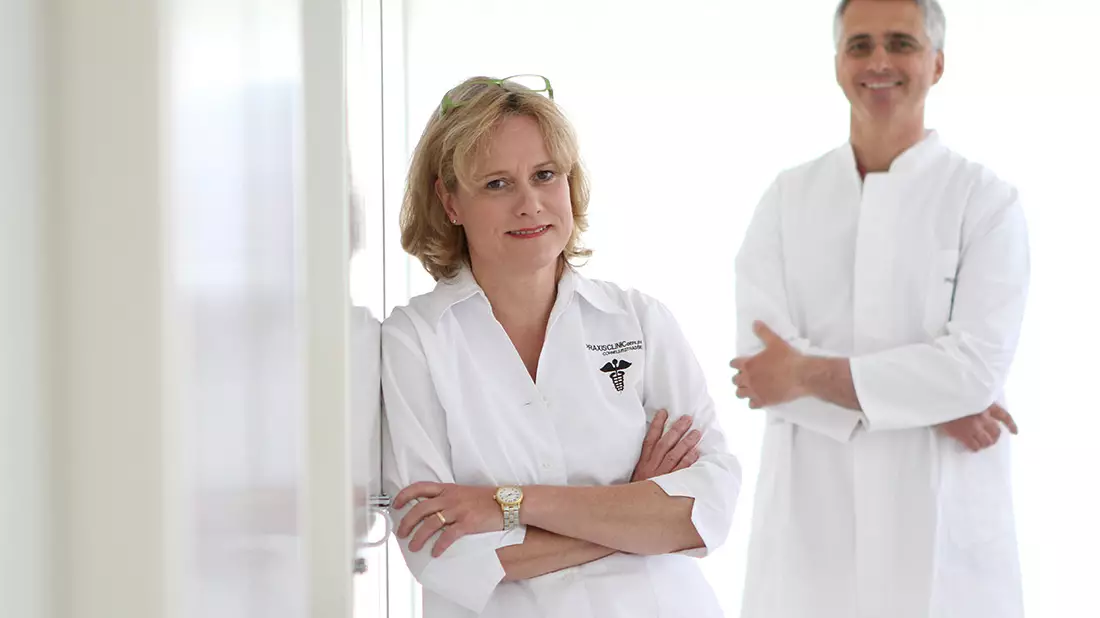
Moving to a new city like Berlin is exciting, but when toothache strikes or a filling breaks, the excitement can quickly turn into stress. Many international residents describe the same experience: you type "dentist near me" into your phone, scroll through unfamiliar German terms like Zahnarzt-Praxis, and wonder who you can really trust with something as intimate and important as your smile.
On top of that, there is the language barrier. Medical German is full of long compound words, and trying to discuss root canal treatment, implants, or sedation in a language you do not fully master can feel intimidating. Add a past history of dental anxiety or a bad experience back home, and the threshold to book an appointment becomes even higher.
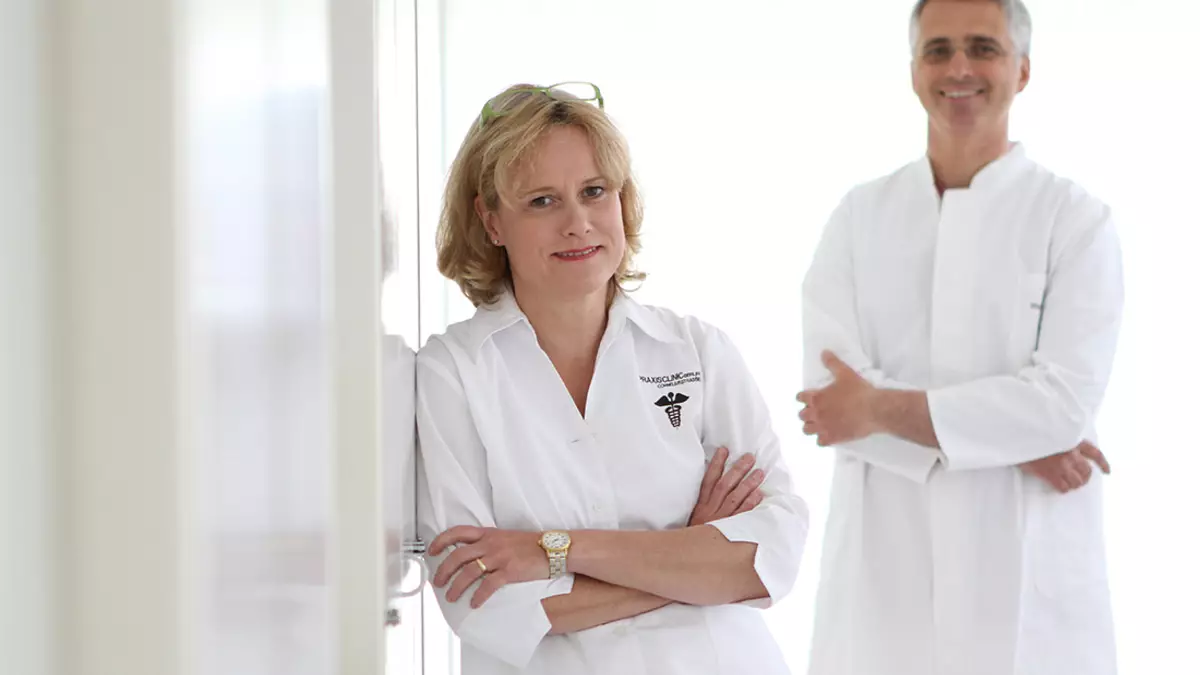
In this context, a reliable, English-speaking Dental Practice in Berlin Steglitz that understands both the technical and emotional sides of dental care is more than a convenience. It becomes a crucial anchor of safety. The team at Zahnarzt-Praxis Berlin Steglitz (Dr. Djamchidi & A. Jannack) has built precisely this kind of space for both locals and the international community in Berlin's southwest, close to Schloßstraße and the borders of Zehlendorf.
The practice stands out not only because of its warm, personal approach, but also because of its unique medical profile. With double approbation as both physician and dentist, Dr. Djamchidi brings together ENT medicine and oral surgery, especially in implantology. His colleague, dentist Annette Jannack, complements this with deep expertise in endodontics and aesthetic dentistry, focusing consistently on tooth preservation before replacement.
For many patients, the word "implant" sounds both promising and frightening. Promising, because dental implants can restore chewing function and aesthetics in a way that feels very close to natural teeth. Frightening, because implantology touches on surgery, bone, and the sensitive structures of the jaw and sinuses. This is where the unique profile of this dental practice really shows its strength.
Dr. Djamchidi is not "just" a dentist. He is doubly licensed as both a medical doctor and a dentist, with specialized experience in ENT (ear, nose, and throat) medicine and oral surgery. This double approbation is more than a title on a doorbell; it has very concrete safety benefits for patients considering implants, sinus lifts, or more complex oral surgery procedures.
In the upper jaw, the roots of the premolars and molars sit directly below the maxillary sinus. The thin bony wall separating the tooth roots from the air-filled sinus cavity is called the maxillary sinus floor. When teeth are lost in this area, the bone can gradually resorb and become thinner. To place a stable dental implant, you often need sufficient bone height. If this is lacking, a procedure called sinus lift can gently elevate the maxillary sinus floor and create space for new bone material.
For an ENT specialist, the anatomy of the sinus is daily routine: they are trained to interpret sinus imaging, recognize variations, and manage sinus-related complications. Combined with dental and implantological training, this creates a powerful synergy. When planning implants in the posterior upper jaw, a clinician like Dr. Djamchidi can view the situation from both perspectives at once: the functional needs of chewing and occlusion, and the delicate anatomy of the nasal and sinus system.
This dual perspective is particularly valuable for:
Risk assessment and planning: Before any implant placement, the bone situation, sinus position, and proximity to nerves must be carefully evaluated, often using three-dimensional imaging. A practitioner familiar with both ENT and dentistry can better anticipate how an implant or sinus lift might influence sinus ventilation, mucosa health, or pre-existing conditions like chronic sinusitis.
Sinus lift and bone augmentation: During a sinus lift, the sinus membrane is carefully detached and elevated. The balance between gaining bone support and protecting sinus health is delicate. A double-trained doctor can optimize the technique to be as minimally invasive as possible, reducing the risk of membrane perforation or postoperative sinus issues.
Managing systemic health: Many expats in Berlin live with chronic conditions such as allergies, asthma, or ENT problems. For them, a physician's understanding of overall health, medication interactions, and immune balance is reassuring. When planning oral surgery or implantology, this background allows for a more holistic approach, including antibiotic stewardship, pain management, and safe sedation strategies.
Emergency competence: While complications in modern implantology are rare, patients value knowing that their surgeon has medical training to recognize and manage any systemic reactions, such as circulatory issues or unexpected bleeding. This adds another layer of safety, especially for those who feel anxious about surgical procedures.
In daily practice, this means that when you sit in the chair to discuss implants or other oral surgery, your doctor is able to explain what is happening not only in your jaw, but also in the surrounding ENT structures. The discussion can cover the maxillary sinus floor, nasal breathing, and even the impact of missing teeth on posture and muscle balance. For expats used to fragmented healthcare systems, this integrated view can be a welcome change.
Importantly, this knowledge is not reserved for complex cases only. Even for simpler implant placements or minor oral surgery, the same meticulous planning and respect for overall biocompatibility applies. Materials are chosen not merely for function and aesthetics, but with an eye on how the body will accept them over the long term.
If implants and oral surgery represent the "replacement" side of modern dentistry, then endodontics represents the art of saving teeth that would once have been lost. At Zahnarzt-Praxis Berlin Steglitz, this art is embodied by dentist Annette Jannack, whose focus on microscopic dentistry, root canal treatment, and aesthetics reflects a clear philosophy: preserve what is biologically yours for as long as possible.
Endodontics is the specialty dealing with the inside of the tooth: the pulp tissue, nerve, and tiny canal systems that extend into the roots. When bacteria reach this area, usually through deep caries or fractures, inflammation and infection can lead to severe pain. In the past, such teeth were often extracted. Today, with modern techniques and microscopes, many can be saved through carefully executed root canal treatment.
A typical root canal at this Dental Practice in Berlin Steglitz is a multi-step, highly precise process:
Diagnosis and imaging: Before any treatment begins, detailed imaging is used to understand the root structure and the extent of infection. This allows for accurate planning and minimizes the risk of overlooked canals.
Microscopic access: Microscopic dentistry is a cornerstone of modern endodontics. By using magnification and strong illumination, even extremely fine root canals and hidden structures can be visualized. For the patient, this translates into more thorough cleaning, fewer residual bacteria, and a better long-term prognosis for the tooth.
Cleaning and disinfection: The core of endodontics is the removal of infected tissue and bacteria from within the root canal system. Special instruments, irrigation solutions, and sometimes sonic or ultrasonic activation are used to reach even fine side canals. The aim is to create an environment that is as sterile as possible.
Filling and sealing: Once the canals are cleaned and shaped, they are filled with biocompatible materials that seal them from the inside. This prevents new bacteria from entering and helps the surrounding bone to heal.
Restoration and aesthetics: After root canal treatment, the tooth is often weakened and needs a durable restoration, such as an inlay, onlay, or crown. This is where Annette Jannack's experience in aesthetic dentistry comes in: the final restoration is not only functional and strong, but also harmonizes in color, shape, and light reflection with the neighboring teeth.
Throughout this process, the principle of "Zahnerhalt vor Zahnersatz" (tooth preservation before tooth replacement) guides decisions. An implant may be a wonderful solution when a tooth is truly lost, but the biological value of your own tooth is still unmatched. The periodontal ligament, for example, which anchors natural roots in the bone, plays an important role in feeling bite forces and protecting the jaw.
For expats who may have heard different opinions from dentists in other countries, a second opinion at this practice can be particularly helpful. A complex recommendation for extraction and implants can be weighed against the possibility of advanced endodontics. In some cases, a carefully performed root canal, perhaps combined with a minor surgical procedure such as apicoectomy, can save a tooth that seemed hopeless.
Dental anxiety is far more common than most people admit. Many international patients in Berlin carry memories of hurried treatments in school clinics or painful experiences without sufficient anesthetic. Coming to a new country and facing a new healthcare culture can re-activate those fears.
The team at Zahnarzt-Praxis Berlin Steglitz recognizes that treating teeth is also about treating people. From the first phone call, where it is explicitly welcomed to speak English, to the calm explanation of each step in the treatment room, the goal is to reduce stress and create a sense of control for the patient.
Several strategies support this anxiety-free concept:
Time and listening: Before any intervention, there is space to describe your fears, past experiences, and expectations. Knowing whether you prefer to have every step explained in detail, or whether you feel better with minimal information and distraction, allows the team to adapt their style.
Local anesthesia and minimally invasive techniques: Modern anesthetic techniques, combined with minimally invasive approaches, make most treatments far more comfortable than many patients expect. Using fine instruments and gentle tissue management reduces postoperative discomfort.
Sedation and twilight sleep: For those with pronounced dental anxiety or for longer procedures such as multiple implants or extensive endodontics, the practice can offer sedation options, up to so-called twilight sleep. In this state, you remain responsive but deeply relaxed and later remember very little of the procedure itself. Sedation is always planned with medical safety in mind, a domain where the dual medical-dental background is again a clear advantage.
Holistic support: Some patients appreciate complementary approaches such as homeopathy or gentle relaxation techniques. While these do not replace evidence-based dentistry, they can support the overall experience of safety and calm.
For many expats, simply knowing that their dentist understands the term "dental anxiety" and does not dismiss it makes all the difference. Here, fear is seen as understandable, not as a weakness.
One characteristic detail of this Dental Practice in Berlin Steglitz is its location in a classic Altbau building. This is part of the typical architectural charm of Berlin's southwest: high ceilings, large windows, and a sense of history that many residents love. At the same time, it brings a practical point that should be mentioned honestly: there is no elevator, and access involves climbing stairs.
Instead of hiding this fact, the practice communicates it clearly so that patients can plan accordingly. For many people, the stairs are a minor inconvenience in exchange for the pleasant ambience inside: light-filled rooms, a calm atmosphere, and the feeling of being in a real neighborhood rather than in a sterile, anonymous clinic corridor.
The surroundings add to this atmosphere. Steglitz, with its mix of residential streets and the lively shopping area around Schloßstraße, is well connected by public transport and easily accessible from Zehlendorf and other parts of Berlin's southwest. Parking options in the area make it practical for those who arrive by car.
For mobility-impaired patients who rely on barrier-free access, the historic building and its stairs may present a challenge. In such cases, the team is happy to discuss individual options by phone and, if necessary, help coordinate with other facilities. This open, honest communication is itself part of the trust-building process.
What actually happens when you decide to make an appointment at this Zahnarzt-Praxis for the first time? Imagining a typical patient journey can make the decision easier, especially for those still hesitating.
1. Initial contact and appointment: You can call the practice or use the online information to schedule a visit. English is welcomed, and staff will clarify the reason for your appointment: pain, check-up, a second opinion, implant consultation, or aesthetic concern. If you have specific needs, such as sedation or strong dental anxiety, mentioning this at the outset allows the team to plan more time.
2. Arrival and first impression: After entering the Altbau and climbing the stairs, you reach the practice, which combines a professional clinical setting with a warm, personal atmosphere. The reception staff explain any necessary forms, including medical history (anamnesis). For expats, this moment is often where anxiety about German bureaucracy surfaces, but guidance is provided, and many explanations are available in English.
3. Anamnesis and conversation: Before anyone looks into your mouth, there is a conversation. You discuss your medical history, medications, allergies, and previous dental experiences. For implantology or planned oral surgery, this part is especially important: systemic diseases, ENT conditions, or previous operations are carefully noted. The dual medical-dental competence of the team ensures that this information is integrated into treatment planning, not just filed away.
4. Examination and diagnostics: A thorough clinical examination follows, including a check of teeth, gums, bite, and, when necessary, radiographic imaging. In complex cases, three-dimensional imaging may be recommended to assess jaw bone, sinus position, or root structures in detail. During this step, the dentist explains what they see and invites questions, either in German or English.
5. Treatment plan and options: Based on the findings, different options are discussed. For example, if a molar tooth with deep caries is still restorable, Annette Jannack might outline an endodontic treatment plan, explaining why saving the tooth is preferable to extraction if the prognosis is good. If a tooth has been lost or cannot be saved, Dr. Djamchidi might explain implantology options, including considerations of the maxillary sinus floor, bone volume, and whether any bone augmentation or sinus lift is necessary.
Throughout this discussion, biocompatibility, long-term stability, and minimally invasive techniques are emphasized. A second opinion is not seen as a lack of trust but as a responsible step. The goal is for you to fully understand the path ahead and to feel that the decision is shared, not imposed.
6. Implementation and follow-up: Once you decide on a treatment, the appointments are scheduled in a way that fits your life in Berlin, whether you are a busy parent, a student, or a professional with limited daytime availability. During treatments, from prophylaxis (professional cleaning and preventive care) to complex root canal therapy or implant placement, communication remains clear and empathetic.
After any major procedure, follow-up appointments check healing, adjust restorations if needed, and reinforce preventive strategies. The philosophy is not to fix problems and send patients off until the next emergency, but to build a long-term relationship in which tooth preservation, prophylaxis, and gentle maintenance reduce the need for extensive interventions later.
For international residents used to different healthcare systems, this continuity of care can feel particularly reassuring. You are not just another number in a large dental chain, but a person whose story, fears, and goals the team knows and respects.
Choosing a dentist in a new city is always a leap of faith. In Berlin's diverse, fast-moving environment, this leap can feel even greater. Zahnarzt-Praxis Berlin Steglitz (Dr. Djamchidi & A. Jannack) reduces that leap by combining several rare qualities under one roof: a double-licensed physician and dentist with deep expertise in implantology and ENT-related anatomy; a dedicated specialist in endodontics and aesthetics who prioritizes tooth preservation; and a practice culture that truly understands dental anxiety and the specific challenges faced by expats.
The location in a classic Altbau near Schloßstraße brings both charm and honesty: yes, there are stairs, but there is also a welcoming atmosphere, personalized care, and easy access from Steglitz, Zehlendorf, and the broader Berlin southwest. The team's willingness to communicate in English, to explain German healthcare structures, and to respect each patient's pace helps bridge the gap between different medical cultures.
Whether you are considering your first implant, seeking a second opinion on a recommended extraction, or simply looking for an English-speaking Zahnarzt to handle preventative care and check-ups, this Dental Practice in Berlin Steglitz offers a combination of medical depth and human warmth that is rare in any city. It is a place where the term "holistic" is not a marketing slogan, but a daily reality grounded in double approbation, microscopic dentistry, and genuine respect for each individual's health journey.
Disclaimer regarding our articles: No investment advice, no buy or sell recommendation. Information on prices, companies, and markets is provided without guarantee; changes are possible at any time. Stock market transactions can lead to substantial losses. Our articles are created and reviewed in whole or in part automatically with the support of AI.