A Dental Practice in Berlin Steglitz Where Medicine and Dentistry Meet
Published on 03/09/2026 at 07:01 | Editorial responsibility: Rafael Müller, Editor-in-Chief AD HOC NEWS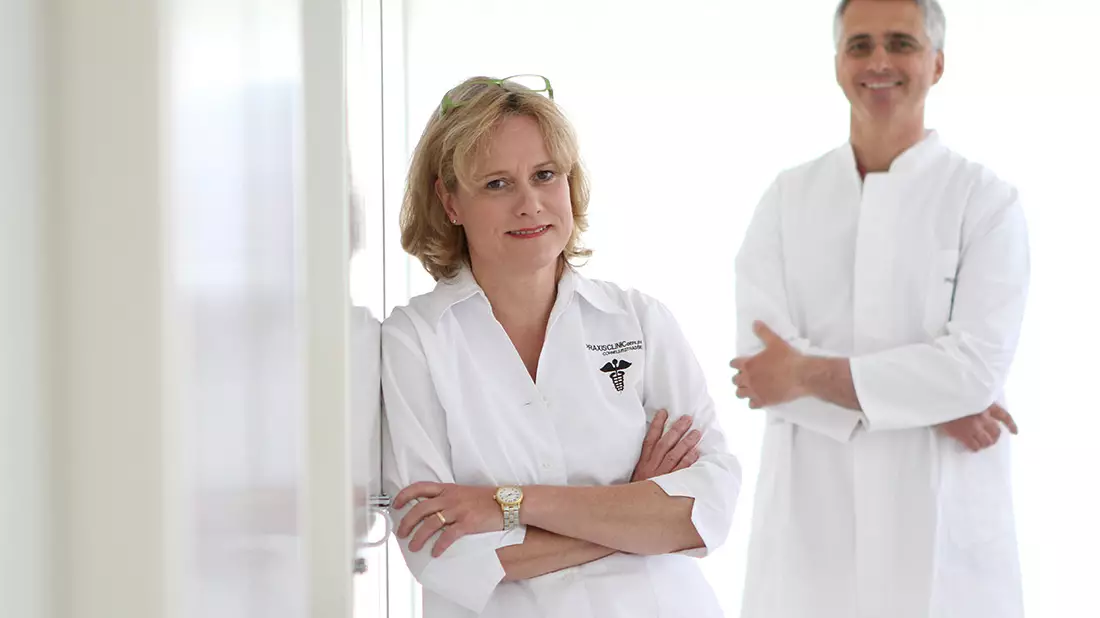
Arriving in a new country, even everyday tasks can feel complex. Registering your address, opening a bank account, understanding health insurance forms in German – it all takes energy. When a tooth suddenly begins to ache or a filling breaks, the stress multiplies. Will anyone speak English? Will the dentist take the time to explain options in a way you truly understand? And if you are anxious about dental treatment to begin with, how do you find a place that feels safe and genuinely caring?
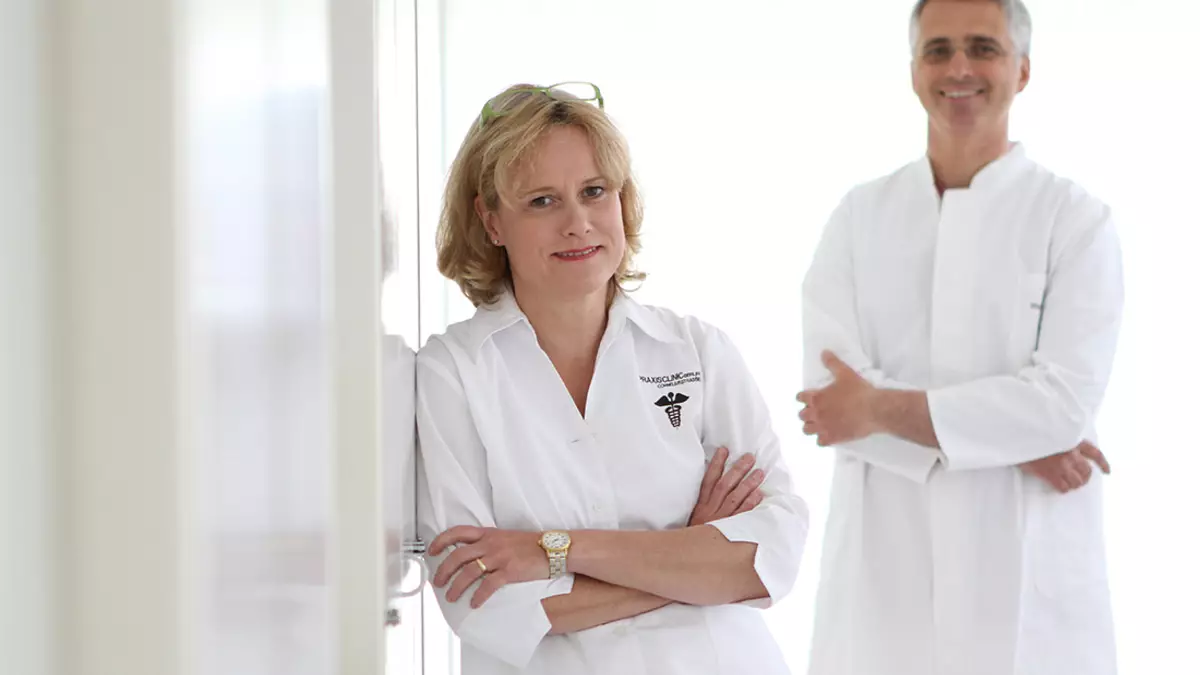
In the southwest of Berlin, not far from the bustling Schloßstraße in Steglitz and the leafy streets of Zehlendorf, there is a Dental Practice that has built its reputation on combining high-level medical competence with a personal, empathetic style. The Zahnarzt-Praxis Berlin Steglitz of Dr. Djamchidi & A. Jannack is more than just a place to fix teeth: it is a health partner that understands the complex needs of international patients as well as Berliners who expect modern, evidence-based care.
For many expats, one of the biggest challenges is the language barrier. Medical vocabulary is difficult enough in your own language; in German it can be frightening. Terms like "Überweisung", "Heil- und Kostenplan", or "Zahnerhalt" are not intuitively clear. On top of that, the German healthcare system works differently than systems in the UK, US, or other home countries. Patients often worry about hidden costs, long waiting times, or feeling rushed through short appointments.
This is where an English-speaking dentist and team can make all the difference. At this Dental Practice in Berlin Steglitz, communication is central. The team is used to guiding patients step-by-step through German insurance rules, treatment alternatives, and medical risks and benefits. Instead of feeling lost in translation, patients can ask questions freely and receive explanations in clear, accessible English – without medical jargon or pressure.
The practice also recognises that dental anxiety is very real. It is not just about fear of needles or the sound of instruments; it is also about fear of losing control, being judged for the state of your teeth, or reliving old negative experiences from childhood dentists. From first contact on the phone or via email, the tone is calm, welcoming, and respectful. The goal is to create a long-term relationship of trust, not a one-off rushed appointment.
One of the most distinctive features of Zahnarzt-Praxis Berlin Steglitz is the unique background of Dr. Djamchidi. He is not only a dentist but also a fully qualified physician and ENT (ear, nose, and throat) specialist. In German this is called "Doppelapprobation" – holding two separate medical licenses, as a doctor of medicine and as a dentist.
For patients, this double perspective is particularly valuable in the fields of implantology and oral surgery. Dental implants are small titanium or ceramic posts that are placed into the jawbone to replace missing teeth. While implants are extremely successful in many patients, their planning is not only a question of bone volume and prosthetic design; it also concerns the broader anatomy of the head and neck, general medical conditions, and the delicate structures surrounding the teeth.
In the upper jaw, above the roots of the premolars and molars, lies the maxillary sinus – a hollow air-filled cavity that is part of the sinus system of the face. If the bone between the mouth and the maxillary sinus is too thin, there may not be enough stable support to place an implant safely. In these cases, techniques such as a sinus lift are used to gently elevate the sinus floor and add bone material. For many patients, simply hearing that a procedure involves the "sinus" and the "bone" is enough to trigger anxiety.
This is exactly where a practitioner who is both ENT specialist and dentist offers exceptional reassurance. Because of his ENT training, Dr. Djamchidi has a detailed understanding of the nasal passages, sinus system, and airway, as well as of systemic diseases that may affect them. He knows from both an ENT and dental angle how the maxillary sinus floor, nasal cavity, and roots of the upper teeth are related. During implant planning, he can interpret radiographs and three-dimensional scans not only for dental structures but also for sinus health and neighbouring anatomical variations.
For example, some patients have naturally low-hanging sinuses, small septa (bony partitions) inside the sinus, or residual inflammation from chronic sinusitis. Others may have a history of nasal surgery or allergies. A double-approved physician-dentist like Dr. Djamchidi can integrate this information into the treatment plan and weigh risks precisely. He can determine when a sinus lift is advisable, which technique is safest, or when alternative treatment options might be better for long-term health.
Equally important, a physician's perspective helps in assessing the overall medical risk of oral surgery. Many international patients in Berlin live with chronic conditions such as diabetes, high blood pressure, autoimmune diseases, or are taking medications that influence blood clotting or bone metabolism. Implants, tooth extractions, or other surgical procedures are not isolated events; they interact with the entire body. Because he is trained as a medical doctor, Dr. Djamchidi can evaluate laboratory values, interpret medical reports, and coordinate with your general practitioner or specialist if needed.
This integration is especially meaningful for patients who have experienced fragmented care – one doctor focusing on the heart, another on allergies, and a separate dentist handling the mouth. In contrast, at Zahnarzt-Praxis Berlin Steglitz, the implantology and oral surgery planning is grounded in a holistic medical understanding. It allows for minimally invasive strategies wherever possible. Less invasive often means gentler procedures, smaller incisions, reduced swelling, and faster healing – factors that matter greatly to working professionals, parents, and older patients alike.
Beyond implants and oral surgery, the practice also emphasises classic disciplines such as prophylaxis (preventive care) and tooth preservation. Here, the complementary expertise of dental partner Annette Jannack comes to the forefront. While implants are powerful tools, the philosophy at this Dental Practice can be described in German as "Zahnerhalt vor Zahnersatz" – saving the natural tooth whenever realistically possible before considering replacement.
As an experienced dentist with a special focus on endodontics and aesthetic dentistry, Annette Jannack sees the inner life of the tooth as a fragile microcosm worth protecting. Endodontics is the branch of dentistry concerned with the dental pulp (the soft tissue inside the tooth containing nerves and blood vessels) and the root canal system. When deep caries or trauma expose the pulp, bacteria can enter and cause inflammation or infection. Instead of extracting the tooth, modern endodontic therapy aims to clean, disinfect, and seal the tiny canals so the tooth can continue to function, sometimes for many years.
To understand the significance of this, imagine the complex root system of a molar: multiple curved canals, side branches, and microscopic accessory channels. Working in this three-dimensional labyrinth requires precision, patience, and advanced equipment. In high-quality endodontics, tools like operating microscopes and ultrafine instruments allow the dentist to see and treat structures that would otherwise remain hidden. This is where microscopic dentistry truly becomes a game changer.
Annette Jannack uses these methods to perform root canal treatment with great care. The process typically involves isolating the tooth with a rubber dam, creating a small access opening, and then using fine files and irrigation solutions to remove infected tissue from the canals. Once the inside of the tooth is thoroughly disinfected, it is filled and sealed with biocompatible materials that close the canals tightly to prevent reinfection. A protective restoration – often a precisely shaped crown – then stabilises the tooth mechanically and restores its natural appearance.
The guiding principle is simple: a well-treated, symptom-free natural tooth, integrated harmoniously into the bite, is often superior to even the best replacement. It maintains the natural connection between tooth and jawbone, preserves chewing sensation, and prevents bone loss. From an aesthetic perspective, preserving natural enamel and gingiva (gums) leads to a harmonious smile that looks and feels authentic.
In aesthetic dentistry, Annette Jannack also focuses on minimally invasive techniques. Instead of aggressively grinding down healthy tooth substance, she favours approaches that use thin ceramic veneers, carefully matched fillings, or tooth-coloured restorations that blend with the existing dentition. Colour, shape, and surface structure are adjusted with an artistic eye, but always grounded in function. This subtle, detail-oriented work is particularly appreciated by patients who depend on their appearance in professional contexts or who simply want to feel fully comfortable when they smile.
Many people postpone dental appointments for one major reason: fear. At Zahnarzt-Praxis Berlin Steglitz, dental anxiety is not treated as an inconvenience but as a serious condition deserving empathy and tailored solutions. From the reception area onward, the atmosphere is designed to feel more like a calm practice living room than a sterile clinic. You are greeted by name, not a number, and there is time to talk before anyone looks into your mouth.
Before any procedure, the team invites you to describe previous experiences and specific triggers – whether it is injections, sounds, or the feeling of not being able to swallow. Knowing these details allows them to adapt: scheduling longer appointments with breaks, explaining each step in advance, and offering techniques such as guided breathing to help you stay grounded.
For patients with pronounced dental anxiety or those facing more extensive procedures, the practice can use various forms of support. This may include gentle sedation methods, often referred to as "twilight sleep", where you remain responsive but deeply relaxed and have little memory of the procedure afterward. Such methods are carefully monitored and tailored to your medical history. In other cases, mild sedative medication or relaxing homeopathic support can help reduce tension.
The guiding goal is that you remain in control. Local anaesthesia is adjusted individually to ensure that treatment is virtually pain-free, and additional anaesthetic is given if needed. You are encouraged to signal at any time if something feels uncomfortable or overwhelming. Over time, many patients report that their fear decreases significantly once they experience repeated, positive encounters where their boundaries and emotions are respected.
The practice is located in a classic Berlin Altbau building in Steglitz, a district known for its mixture of historic facades, leafy side streets, and lively shopping zones. Entering an Altbau often means high ceilings, large windows, and a sense of history – but also, in many cases, stairs. The Zahnarzt-Praxis Berlin Steglitz of Dr. Djamchidi & A. Jannack is not barrier-free, and there is no elevator; patients reach the practice via a stairway.
This is important to know in advance, particularly for people with significant mobility limitations, those using wheelchairs, or parents with large prams. At the same time, for many Berliners and expats, the Altbau experience is part of the city's charm: original stucco, wooden staircases, and the feeling of entering a real Berlin residential building rather than a glass tower. Inside the practice rooms, this historic backdrop is combined with modern dental technology and a light, friendly interior design.
From a practical perspective, the location in Berlin Southwest is convenient. Steglitz is well connected by public transport, with U-Bahn and S-Bahn lines running along Schloßstraße and towards Zehlendorf, Mitte, or Charlottenburg. For those arriving by car, there is typically parking available in the surrounding streets or nearby parking facilities, making it easier to combine a dental visit with errands, shopping, or a walk through the neighbourhood.
For many new patients, especially those who are unfamiliar with the German healthcare environment, it is reassuring to know what to expect. A typical first visit to Zahnarzt-Praxis Berlin Steglitz follows a structured but relaxed patient journey designed to build trust and gather a clear picture of your oral and general health.
It usually begins with a detailed anamnesis – the medical history. You fill out a health questionnaire, and the dentist discusses it with you in person. This is where information about allergies, medications, systemic diseases, and previous treatments is gathered and, if necessary, clarified. Because of the double approbation of Dr. Djamchidi, this conversation feels more like a dialogue with a physician who sees your mouth as part of the entire organism, not in isolation.
This is also the moment to discuss your main concerns: pain, aesthetic wishes, function when chewing, or long-standing anxieties. The team will often ask about your expectations, your time frame, and financial boundaries to be transparent about possible treatment paths. Expat patients are encouraged to bring their health insurance cards and, if available, previous X-rays or reports from their home country.
The clinical examination that follows includes a thorough inspection of teeth, gums, and bite, often supported by digital radiographs or other imaging. In complex cases – such as implant planning near the maxillary sinus floor or when chronic sinus problems are suspected – additional imaging may be recommended to visualise the relation between roots, bone, and sinus structures precisely. Here, the ENT knowledge of Dr. Djamchidi again becomes an asset, as he can identify sinus pathology or anatomical variants that may influence treatment.
Once all findings are collected, the dentist will outline one or more treatment options. For example, if a tooth is deeply decayed but still salvageable, Annette Jannack may recommend root canal treatment followed by a stable restoration, explaining in simple terms how microscopic endodontics works and what long-term prognosis can be expected. Alternatively, if a tooth is no longer restorable, the conversation may shift to extraction and replacement with an implant, bridge, or other solution.
At this stage, patients are explicitly invited to ask for a second opinion – whether from within the practice team or from an external colleague. The practice sees second opinions not as a sign of mistrust, but as a responsible, patient-centred decision. Estimates of costs and timelines are provided as clearly as possible, taking into account German insurance rules. For privately insured or self-paying expats, explanations include how invoices are structured and what documentation can support reimbursement.
For some patients, the first visit may conclude with a professional dental cleaning as part of a prophylaxis programme. Here, specially trained staff gently remove plaque and tartar, polish the teeth, and offer individual advice on brushing technique, interdental cleaning, and the use of fluoride or other preventive agents tailored to your risk profile. For others, especially those in pain, emergency measures such as temporary fillings or acute infection control are prioritised.
Throughout the process, the experience is designed to feel coherent. You see the same faces at reception, in the treatment room, and for follow-up appointments. The team remembers not only your medical details but also personal aspects – your job, your family situation, your travel plans. Over time, this continuity builds a relationship in which preventive care, early detection, and long-term planning become natural rather than something you only think about during emergencies.
In a city as diverse and dynamic as Berlin, the choice of a dental practice is not just about distance or opening hours. It is about trust, medical quality, and the feeling of being understood as a whole person. Zahnarzt-Praxis Berlin Steglitz, led by Dr. Djamchidi and Annette Jannack, occupies a special place in this landscape.
The rare combination of a double-licensed physician and dentist with ENT expertise brings a level of diagnostic depth and surgical safety that is particularly reassuring for implantology, sinus lifts, and complex oral surgery. The strong focus on endodontics, microscopic dentistry, and tooth preservation reflects a commitment to saving what nature has given you before recommending replacement. Aesthetic dentistry is practised with subtlety and respect for individual personality, rather than a one-size-fits-all "Hollywood" template.
For patients with dental anxiety, the practice offers more than kind words: it provides structured options from gentle communication to sedation or twilight sleep, acknowledging emotional needs as part of genuine healthcare. The location in a characteristic Berlin Altbau in Steglitz connects medical modernity with urban charm, while the proximity to Schloßstraße and the Berlin Southwest transport network makes visits logistically simple for residents of Steglitz, Zehlendorf, and beyond.
Perhaps most importantly for the international community, this is an English-speaking dentist team that understands what it means to navigate a foreign system. Questions are welcomed, cultural differences are respected, and explanations are given until you truly feel comfortable making decisions about your own health.
Whether you are seeking a second opinion on a planned implant, looking to preserve a compromised tooth through advanced endodontics, or simply wanting a reliable partner for regular check-ups and prophylaxis, Zahnarzt-Praxis Berlin Steglitz offers a blend of science, craftsmanship, and human warmth that is rare to find. For many expats and locals alike, it becomes not just a Dental Practice, but a long-term companion in maintaining oral and overall wellbeing in the heart of Berlin.
Disclaimer regarding our articles: No investment advice, no buy or sell recommendation. Information on prices, companies, and markets is provided without guarantee; changes are possible at any time. Stock market transactions can lead to substantial losses. Our articles are created and reviewed in whole or in part automatically with the support of AI.