A Dental Practice in Berlin Steglitz Where Medicine and Dentistry Meet
Published on 03/05/2026 at 07:01 | Editorial responsibility: Rafael Müller, Editor-in-Chief AD HOC NEWS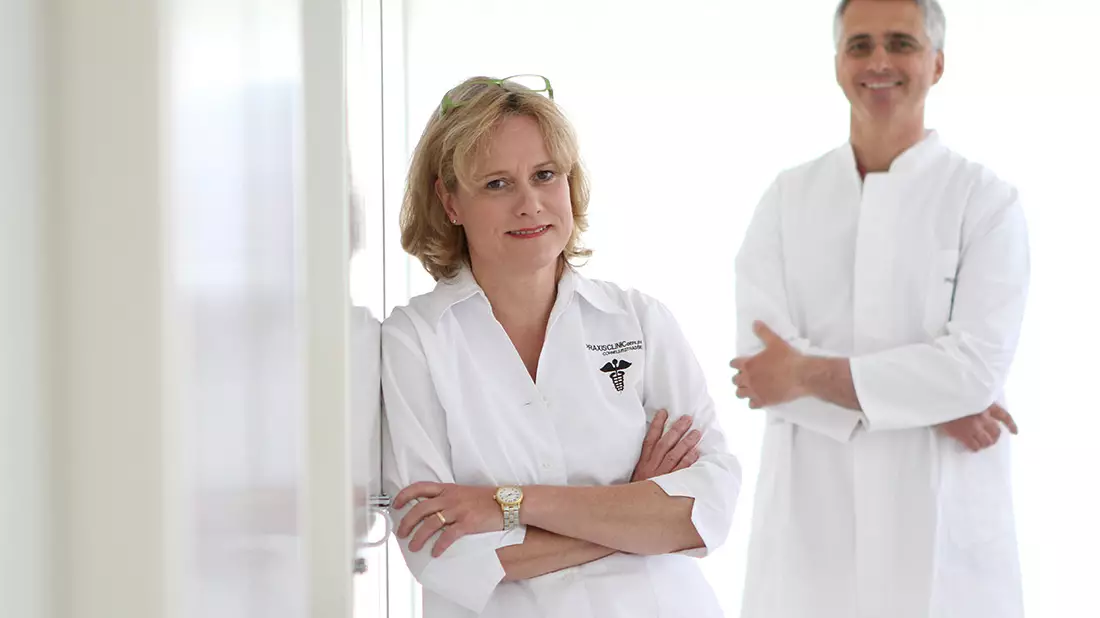
Arriving in a new country, even everyday tasks can feel complicated. Finding a dentist you genuinely trust is often one of the biggest challenges. Different health insurance rules, unfamiliar medical forms, and the fear of not being understood in English can all make you postpone necessary treatment. If you also struggle with dental anxiety, even simple check-ups may feel overwhelming.
In Berlin, choice is not the problem. There are many clinics and every second corner seems to have a sign with the word Zahnarzt. The real difficulty is identifying a dental practice that looks beyond individual teeth and truly understands you as a whole person, in a language you are comfortable with. Especially for expats, an English-speaking dentist who can explain German treatment options clearly is essential for building trust.
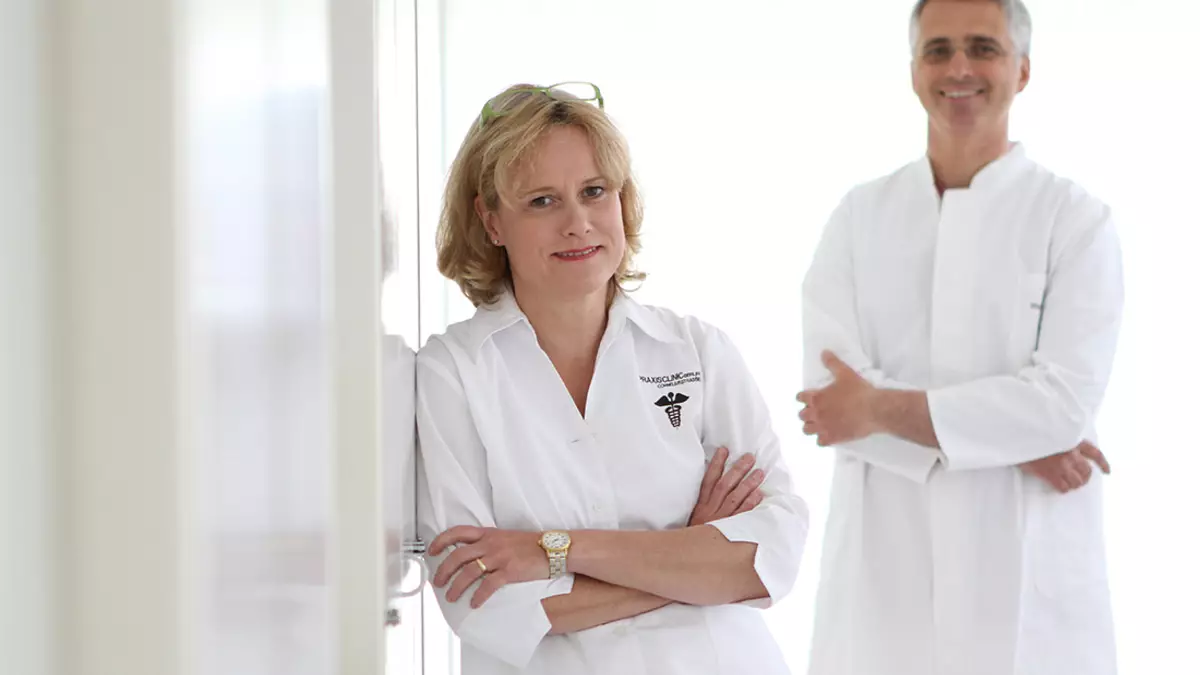
In the southwest of Berlin, in the lively district of Steglitz near Schloßstraße and on the way toward Zehlendorf, Zahnarzt-Praxis Berlin Steglitz (Dr. Djamchidi & A. Jannack) has become a reference point for patients seeking a combination of high medical standards, personal care and international friendliness. It is more than a typical dental practice. It is a place where advanced medical training, precise dentistry and a calm, respectful atmosphere come together.
At the center of this dental practice in Berlin Steglitz stands an unusual and powerful combination: Dr. Djamchidi holds a double approbation, meaning he is fully qualified as both a physician and ENT specialist and as a dentist. This double degree (MD and DDS) opens up possibilities that go far beyond standard dental training. For patients who need implantology, oral surgery or complex treatment in the region of the jaws and sinuses, this dual perspective offers a very real safety advantage.
Implantology is not just about placing a metal screw into the bone. It is about understanding the entire biological environment: bone quality, blood supply, the neighboring roots and nerves, and especially the maxillary sinus floor in the upper jaw. In the region of the posterior upper teeth, the sinus is often very close to the roots. If implants are placed without deep knowledge of sinus anatomy, complications such as sinus infections, perforations or chronic discomfort can occur.
This is where the physician's and ENT view of Dr. Djamchidi becomes especially valuable. As an ENT-trained doctor, he is familiar with the delicate structures of the nasal cavity, paranasal sinuses and surrounding soft tissues. He understands how the maxillary sinus communicates with the rest of the respiratory system, how mucous membranes react, and which underlying conditions, such as allergies, chronic sinusitis or previous surgeries, might influence implant therapy.
Before any implantology procedure, he takes a detailed medical history, not only about teeth and gums but also about general health, medications and ENT-related symptoms. Using modern imaging, such as three-dimensional radiographs, the thickness of the maxillary sinus floor, the position of blood vessels and the quality of jawbone can be assessed with great precision. This thorough planning helps to decide whether a sinus lift is necessary to create enough bone height for stable implants, and if so, which minimally invasive method is most suitable.
During a sinus lift, the maxillary sinus floor is gently elevated, and bone material is added to create a solid foundation for implants. Having a double-approbated specialist means that both the dental and ENT aspects of this procedure are considered from the beginning. The height of the sinus, the condition of the sinus membrane, pre-existing nasal septum deviations, and the overall ventilation of the sinus cavity are all relevant. An ENT-aware surgeon can better anticipate and prevent complications such as postoperative sinus blockage or chronic inflammation.
In addition, as a physician, Dr. Djamchidi can evaluate risks associated with systemic diseases like diabetes, cardiovascular conditions or blood clotting disorders. He can coordinate with your general practitioner when necessary, adapt medication plans, and consider your entire body, not just your mouth. This integrative approach is particularly important for oral surgery, implantology and procedures under sedation, where your general health status must be carefully taken into account.
The result is a type of implant planning that is medically holistic: accurate evaluation of the maxillary sinus floor, precise positioning of implants to protect nerves and roots, and careful attention to biocompatibility of materials. For patients, this means a higher level of safety, reduced risk of complications and a more predictable long-term outcome. It also means having a single contact person who understands the connections between ear, nose, throat and oral cavity, rather than shuttling between different specialists.
While implants and oral surgery are decisive when teeth are missing or must be removed, a modern dental practice also focuses on one central principle: preserving natural teeth as long as possible. This is where Annette Jannack, with her specialization in endodontics and aesthetic dentistry, brings in another dimension of expertise. Her philosophy could be summarized in the German concept "Zahnerhalt vor Zahnersatz" – saving the tooth before replacing it.
Tooth preservation often begins long before a tooth causes pain. Regular prophylaxis, including professional cleanings, gentle removal of plaque and calculus, and individual advice on brushing and flossing techniques, reduce the risk of deep caries and gum disease. Nevertheless, life is not perfect. Stress, diet changes, old fillings or unnoticed cracks can allow bacteria to penetrate into the inner part of a tooth, the root canal system. Once the dental nerve becomes inflamed or dies, patients may experience intense pain or, paradoxically, sometimes no discomfort at all while a chronic infection silently develops.
Endodontics is the field of dentistry that deals with these inner structures of the tooth. A root canal treatment is a highly precise, often time-consuming procedure, in which all infected tissue is removed from the fine root canals, the interior is disinfected and then sealed in a way that prevents bacteria from returning. The complexity lies in the anatomy: root canals are not straight tubes but delicate, often curved and branching channels, sometimes thinner than a human hair.
In Zahnarzt-Praxis Berlin Steglitz, endodontic procedures are performed with the support of modern technology, including microscopic dentistry. Under high magnification, hidden root canals, additional branches and tiny fractures become visible. This significantly increases the chances of thoroughly cleaning the canal system and preserving the natural tooth structure. Microscopic dentistry is an investment in precision, and it is particularly important in teeth with multiple roots or unusual anatomy, which are easy to underestimate without magnification.
An effective root canal treatment does more than stop pain. It preserves the natural biting surface, maintains jawbone volume and protects the balance of your chewing system. Each tooth supports neighboring teeth and contributes to the stability of the dental arch. Removing a tooth often triggers a chain reaction: teeth tilt, gaps form, and later more extensive treatments such as bridges or implants become necessary. By focusing on tooth preservation first, and using implants only where truly indicated, the practice follows a conservative and biologically sensible strategy.
Beyond pure function, aesthetics matter as well. Especially for front teeth or visible areas of the smile, high-quality composite fillings, ceramic inlays, crowns and veneers can restore a natural, harmonious appearance. Color, shape and translucency are carefully matched to your neighboring teeth. In combination with well-planned endodontics, aesthetics ensure that a saved tooth not only works well but also looks and feels like a natural part of you.
Many adults, and even more expats far from home, carry emotional memories of stressful dental visits. The smell, the sounds, the feeling of not being in control – all these can trigger dental anxiety. Some patients have avoided the dentist for years and may feel ashamed of the condition of their teeth. Zahnarzt-Praxis Berlin Steglitz makes a clear promise here: you will be met without judgment, and your fears will be taken seriously.
The team consciously creates a calm and welcoming atmosphere. The historic Altbau building adds to a homely feel rather than a clinic-like environment. During your first conversation, there is time to speak openly about previous experiences and current worries. Being heard in your own language is especially helpful, which is why the practice places importance on communication in English as well as German. As an English-speaking dentist, the team can explain each step in a way that feels understandable and respectful, whether you are familiar with the German healthcare system or not.
For patients with pronounced dental anxiety, various supportive options are available. These range from gentle, minimally invasive techniques to local anesthesia tailored to your sensitivity, to techniques that help you stay relaxed throughout longer procedures. Where appropriate, sedation, sometimes called twilight sleep, can be considered. In this state you remain responsive but experience the treatment as distant and less stressful, and you usually remember very little of it afterwards. Sedation can be particularly useful for extensive implantology, oral surgery or complex root canal treatments.
Some patients also appreciate complementary approaches, such as homeopathic support for anxiety or post-operative swelling, as part of a holistic care plan. While such methods never replace evidence-based dentistry, they can help many people feel more balanced and confident about undergoing necessary treatment. The goal is always the same: to reduce fear, avoid pain as far as possible, and enable you to receive care that protects your health in the long term.
The setting of a practice influences how you feel from the first moment. Zahnarzt-Praxis Berlin Steglitz is located in a classic Berlin Altbau in the Steglitz district, not far from Schloßstraße, the main shopping artery of Berlin Southwest. The building has character: high ceilings, old staircases, a sense of history that contrasts with the modern technology inside the treatment rooms.
It is important to mention openly that this historic structure does not have an elevator and is therefore not barrier-free. Access to the practice involves climbing stairs. For some patients, especially those with mobility limitations, this is a real practical consideration that should be honestly addressed. At the same time, for many visitors, the setting is part of the authentic Berlin experience: entering an Altbau, stepping up the old stone stairs, and discovering a contemporary medical space nestled in a piece of the city's architectural heritage.
Public transport connections in Steglitz are excellent, with U-Bahn and S-Bahn lines nearby and several bus routes running along Schloßstraße. For those coming by car, parking options in the surrounding side streets and nearby parking garages make access easier, especially if you are travelling from Zehlendorf or other parts of Berlin Southwest. The central yet residential location means you can combine your appointment with a walk, some shopping or a quiet coffee before or after treatment.
To make the experience more tangible, imagine you are a new patient, recently arrived in Berlin for work or study. You have been postponing a dental check-up, unsure where to go and nervous about the language barrier. After researching online and seeing that this dental practice in Berlin Steglitz offers both advanced medical expertise and English-speaking staff, you decide to book a first appointment.
Before the visit, you receive information about what to bring: your insurance card, any previous X-rays or reports if available, and a list of medications. On the day of your appointment, you find the address, park in a nearby side street and enter the Altbau. The stairs to the practice are clearly signposted. Although the building is older, the practice door opens into a bright, modern reception area where you are greeted by name.
The first step is anamnesis, a comprehensive health questionnaire. Beyond the usual dental questions, you are asked about allergies, chronic illnesses, past surgeries, and current medications. If you have a history of sinus problems, ear infections or nasal surgery, this is also discussed, especially relevant in a practice where ENT expertise is integrated. You can ask questions in English, and the explanations you receive are detailed yet understandable.
Next, a thorough clinical examination follows. Teeth, gums, oral mucosa and bite are assessed. If needed, digital X-rays or three-dimensional imaging are taken to evaluate roots, jawbone and the maxillary sinus floor. Perhaps one of your molars shows a deep filling with signs of recurrent decay, and there is some bone loss in an area where a tooth was extracted years ago. The team discusses with you not only what they see, but also different treatment paths: from prophylaxis and minimally invasive fillings to endodontics, oral surgery and implantology if appropriate.
This is where the double perspective of the practice becomes clear. For the molar with deep damage, Annette Jannack explains the possibilities of root canal treatment under microscopic control to preserve the tooth. You learn how endodontics can remove infection and allow the tooth to be restored with a crown, maintaining your natural chewing function. For the missing tooth area, Dr. Djamchidi evaluates whether an implant is possible, considering the bone height and your overall health. He shows you how close the maxillary sinus floor lies and whether a sinus lift is needed, describing the procedure step-by-step so you can make an informed decision.
Together, you and the team prioritize treatments: perhaps starting with dental prophylaxis and a gentle cleaning to create a healthy base, scheduling the root canal treatment with adequate time and the option of twilight sleep if you feel anxious, and planning implantology for a later stage when you feel ready. Throughout, you are encouraged to ask for a second opinion, take time to think and involve family members or partners in decisions. Transparency is key.
During the actual treatment appointments, each step is announced before it happens. If at any moment you feel discomfort or anxiety, the team pauses and adjusts. Local anesthesia is given patiently and checked before any invasive work begins. For longer sessions, breaks are scheduled; sedation is carefully monitored when used, with your medical risk factors already assessed in the initial anamnesis.
After treatment, you receive clear written and verbal instructions in English: how to care for the treated area, which medications to take, what signs would require you to call the practice, and when your next control or prophylaxis visit should be. In implant cases, follow-up visits check not just the implant and crown, but also the surrounding gum health and, if relevant, your sinus comfort. The idea is that you never leave the practice unsure of what has been done or what comes next.
This combination of strong medical grounding, detailed communication and patient-centered planning is what turns a dental visit from a stressor into a manageable, even empowering experience.
For residents of Steglitz, Zehlendorf and the wider Berlin Southwest area, as well as for the many internationals who settle here, Zahnarzt-Praxis Berlin Steglitz (Dr. Djamchidi & A. Jannack) offers a rare blend of benefits. On the one hand, you have a physician and ENT specialist who is also a fully trained dentist, bringing a double approbation that significantly raises the level of safety and foresight in implantology and oral surgery. Detailed knowledge of sinus anatomy, systemic health and biocompatibility ensures that implants are planned and placed in harmony with your whole body, not just your jawbone.
On the other hand, you have a dedicated tooth preservation expert in endodontics and aesthetics, who uses microscopic dentistry, precise root canal treatment and carefully designed restorations to keep your natural teeth as long as possible. The emphasis on prophylaxis, minimally invasive techniques and conservative decision-making means that extractions and prosthetics are considered only after all reasonable preservation options have been explored.
Added to this is a strong focus on emotional wellbeing: an understanding of dental anxiety, the availability of sedation or twilight sleep when appropriate, and an empathetic team that takes time to listen. The historic Altbau setting in Steglitz, with its characteristic stairs and architectural charm, situates the practice within an authentically Berlin environment, while good transport links and nearby parking make visits practical for both locals and commuters from across the city.
For expats, the presence of English-speaking dentists who can guide you through the specifics of the German dental system, insurance questions and treatment alternatives creates confidence and clarity. You are invited to ask questions, request a second opinion and actively participate in decisions about your oral health.
Whether you need routine prophylaxis, complex root canal treatment, aesthetic improvements or medically sophisticated implantology around the maxillary sinus floor, this dental practice offers a coherent, medically sound and human-centered approach. For many international and local patients alike, Zahnarzt-Praxis Berlin Steglitz stands out as a top choice in the area: a place where high-level medicine, precise dentistry and genuine care meet on equal terms.
Disclaimer regarding our articles: No investment advice, no buy or sell recommendation. Information on prices, companies, and markets is provided without guarantee; changes are possible at any time. Stock market transactions can lead to substantial losses. Our articles are created and reviewed in whole or in part automatically with the support of AI.