A Dental Practice in Berlin Steglitz Where Medicine and Dentistry Meet
Published on 02/24/2026 at 07:01 | Editorial responsibility: Rafael Müller, Editor-in-Chief AD HOC NEWS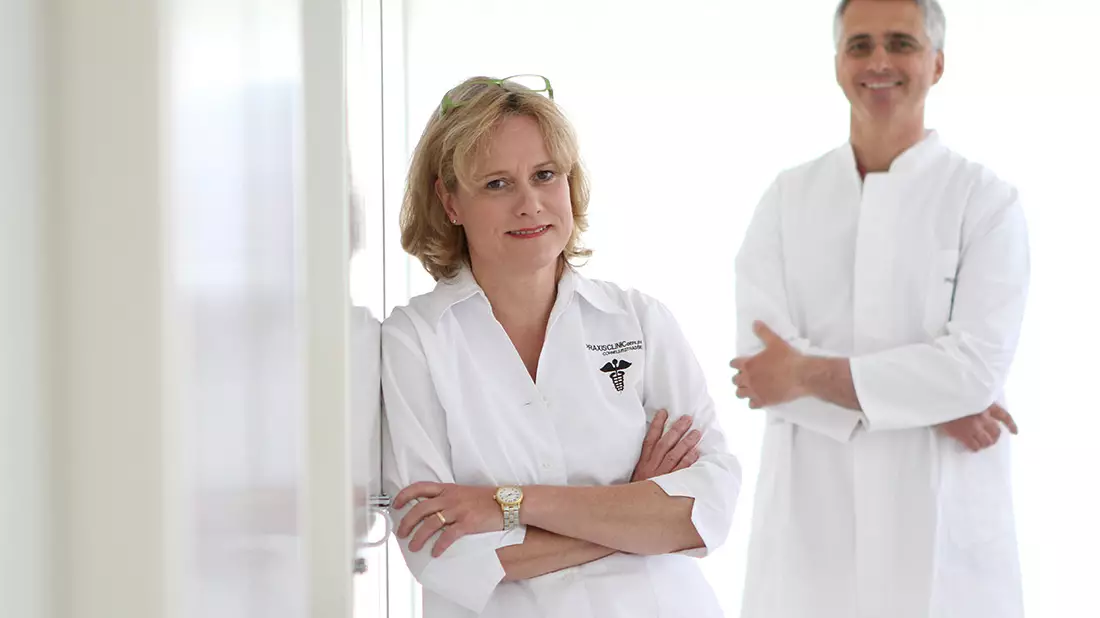
Moving to a new country is exciting, but it also means rebuilding your network of trust from scratch. For many international residents in Berlin, one of the most stressful parts of this process is finding a reliable Dental Practice. You are dealing not only with a new city and a different healthcare system, but also with language barriers, insurance questions, and the fear that your concerns might not be fully understood.
Dental care is deeply personal. For expats and globally mobile professionals, the situation is often complicated by past experiences, dental anxiety, or complex medical histories. Maybe you had a trusted dentist in your home country who knew you for years. Now you are in Berlin, searching online for a dentist, comparing websites, and hoping to find a team that speaks fluent English, takes your fears seriously, and offers the same level of modern, evidence-based care you are used to.
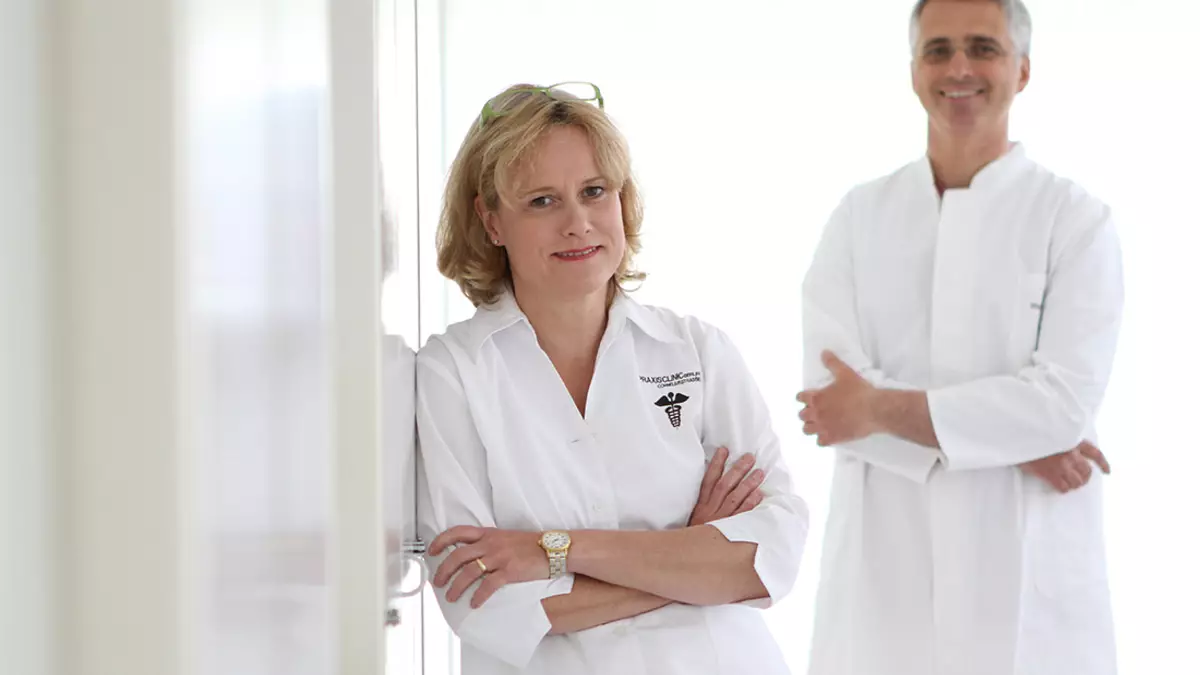
In Berlin, the term "Zahnarzt-Praxis" simply means dental practice, but not all practices are the same. Some focus on high-volume, quick appointments. Others specialize in purely cosmetic work. What makes Zahnarzt-Praxis Berlin Steglitz (Dr. Djamchidi & A. Jannack) stand out is a rare combination of medical depth and human warmth: a "double approbation" dentist and ENT physician, a dentist dedicated to advanced endodontics and aesthetics, and a team that understands both German and international expectations.
Especially if you live in Berlin Southwest, around Steglitz, Schloßstraße, or nearby Zehlendorf, it is reassuring to know there is a Dental Practice in Berlin Steglitz where you can discuss your treatment in English, receive clear explanations, and feel guided through each step of your patient journey.
One of the most distinctive features of this practice is the professional profile of Dr. Djamchidi. He is not only a dentist, but also a fully qualified physician and ENT (Ear, Nose, and Throat) specialist. In German, this is often called a "double Approbation" – holding both a medical degree and a dental degree. For patients, especially those considering implants or oral surgery, this dual qualification brings tangible safety and diagnostic benefits.
Implantology is more than just placing a titanium screw into the jaw. Modern implant dentistry requires an in-depth understanding of the jawbone, nerves, blood vessels, and the neighboring structures of the face and skull. In the upper jaw, this includes the maxillary sinus – an air-filled cavity above the roots of your posterior teeth. When teeth have been missing for a long time, the bone under the maxillary sinus can become very thin. In these cases, specific procedures such as sinus lift or augmentation of the maxillary sinus floor may be necessary before an implant can be safely placed.
As an ENT specialist and dentist, Dr. Djamchidi brings a comprehensive view of this entire region. He is trained to evaluate not only the teeth and gums, but also the nasal passages, sinuses, and the complex anatomy of the midface. This combined perspective is especially valuable when planning implants in the upper jaw, where the maxillary sinus floor plays a central role.
For example, in a classic sinus lift procedure, the bone below the sinus is carefully accessed and gently elevated, creating space for bone graft material. This allows the bone height to be increased so that a stable, long-lasting implant can be inserted. With his ENT background, Dr. Djamchidi is familiar with the inner structure of the sinus, the mucosal lining, and the potential implications for sinus health. He can evaluate whether the sinus is healthy, whether there are any pre-existing conditions, and how to plan the surgery in a way that minimizes complications.
This is not just a technical advantage; it directly affects your safety and comfort as a patient. A doctor who understands how the sinuses, nasal airflow, and oral cavity interact can better anticipate and prevent issues such as sinus infections, impaired nasal breathing, or pressure sensations after an implant procedure. It also means that, if you already have ENT-related concerns – for example, chronic sinusitis, allergies, or nasal obstruction – these can be factored into your treatment plan.
Beyond implantology, the double qualification supports a holistic, medically sound approach to oral surgery in general. Whether a wisdom tooth is close to critical structures, a cyst must be removed, or a complex extraction is needed, a physician-dentist can view your case in the context of your overall health. This is particularly important for patients with chronic illnesses, those taking multiple medications, or those with conditions that affect wound healing and blood clotting.
Another area where this dual expertise is beneficial is sedation and pain management. Understanding both dental procedures and systemic medicine allows for individualized, medically safe decisions about anesthesia, from local anesthesia to twilight sleep (also known as conscious sedation). When you are anxious about oral surgery or implantology, it is comforting to know that the person treating you understands not only your teeth, but your entire body and health profile.
While implants and oral surgery are central pillars of the practice, there is also a strong focus on tooth preservation. This is where the second key figure comes in: dentist Annette Jannack. Her passion lies in endodontics – the field that deals with the interior of the tooth, especially root canal treatment – and in aesthetic dentistry that respects natural structures.
The philosophy can be summarized in a simple German phrase: "Zahnerhalt vor Zahnersatz" – preserving the tooth before replacing it. Rather than immediately removing a compromised tooth and placing a crown or implant, the goal is to save what nature has given you whenever it is medically reasonable.
Root canal treatment, when performed with modern techniques, is a powerful tool of tooth preservation. Inside each tooth, beneath the hard enamel and dentin, lies the dental pulp – a soft tissue containing nerves, blood vessels, and connective tissue. If this pulp becomes inflamed or infected, often due to deep decay, cracks, or trauma, the classic symptoms are pain, sensitivity, or swelling. Without treatment, the infection can spread beyond the tooth and damage the surrounding bone.
In an advanced endodontic approach, the affected tooth is carefully opened, the inflamed or infected pulp tissue is removed, and the root canals are thoroughly cleaned, shaped, and disinfected. Microscopic dentistry, using magnification and special lighting, allows the dentist to see tiny structures and fine accessory canals that would otherwise be difficult to treat. This significantly increases the chance of long-term success.
Annette Jannack focuses on such detailed, precision-based endodontics. The careful cleaning and filling of the canals is followed by a biocompatible sealing material, designed to tightly close the root canal system and prevent bacteria from re-entering. This focus on biocompatibility is particularly important for patients who are sensitive to certain materials or who value a more biological approach to dentistry.
Once the root canal treatment is complete, the tooth is usually restored with a filling or crown that stabilizes it and protects it from fracture. From the outside, it can look and function like a healthy, natural tooth. For you as a patient, this means you can often keep your own tooth for many years, avoiding or postponing more invasive treatments such as extraction and implant placement.
This preservation-first mindset also extends to aesthetics. Modern aesthetic dentistry is not only about bright white smiles; it is about harmony, proportionality, and respect for the individual character of your teeth. Composite restorations, ceramic inlays, or veneers are planned with the goal of blending into your natural dentition and supporting long-term oral health. Again, the emphasis is on minimally invasive techniques – removing as little healthy tooth structure as possible while restoring function and beauty.
Many people delay dental appointments because of fear. For expats, this can be even more pronounced: unfamiliar surroundings, different communication styles, and worries about being judged can all intensify dental anxiety. At Zahnarzt-Praxis Berlin Steglitz, anxiety is not treated as a weakness, but as a human reaction that deserves understanding and respect.
From the first contact, the team aims to create a calm and welcoming atmosphere. As an English-speaking Dental Practice, they can explain each step in a language you understand, so you do not have to guess what is happening. Clear, compassionate communication is one of the simplest yet most effective ways to reduce anxiety.
For patients with strong dental anxiety, additional supportive measures are available. These can range from longer, unhurried consultations where you can ask all your questions, to gentle treatment techniques designed to be as minimally invasive as possible. In certain cases, options such as sedation or twilight sleep can be discussed. Twilight sleep is a form of conscious sedation in which you remain responsive, but deeply relaxed and with little memory of the procedure afterward.
For those interested in complementary approaches, the practice can also discuss gentle, supportive methods such as homeopathic remedies or relaxation strategies. While these do not replace professional dental treatment, they can help some patients cope better with their emotions before and after a procedure. The key message is: your fear is taken seriously, and treatment is adapted to you – not the other way around.
The Dental Practice is located in Berlin-Steglitz, a district known for its mix of residential calm and urban convenience. Just a short walk from the busy Schloßstraße, with its shops and cafes, you find yourself in a quieter side street with characteristic Berlin Altbau architecture. The practice is housed in such a historic building, with its classic facade and sense of tradition.
Authentic Altbau charm, however, also means accepting one typical feature of historic Berlin buildings: stairs. The practice is not barrier-free, and there is no elevator. Patients reach the surgery rooms via a staircase. This is important to know if you have limited mobility or use a wheelchair. At the same time, many patients appreciate this as part of the "classic Berlin experience" – the feeling of entering a real city apartment building, rather than a sterile, anonymous medical complex.
Within the constraints of the historic architecture, the team does its best to make your arrival and stay as comfortable as possible. If you are concerned about stairs, you can mention this when booking; the staff can then advise you individually and plan accordingly.
For those arriving by car, the location in Berlin Southwest offers relatively convenient parking options compared to more central neighborhoods. Public transport connections are also good, with Steglitz and the surrounding areas like Zehlendorf well integrated into the S-Bahn, U-Bahn, and bus network. This makes the practice easily reachable whether you live nearby or commute from another part of the city.
Understanding what to expect can greatly reduce nervousness before a first appointment. At Zahnarzt-Praxis Berlin Steglitz, the patient journey is structured, but personal. The goal is to combine medical precision with a sense of being genuinely looked after.
It usually begins with your contact – often by phone or via the website – where you can briefly describe your concern. Whether you are looking for a routine check-up, a detailed second opinion on implants, or root canal treatment, the team will help you find an appointment that fits your schedule. As an English-speaking dentist team, they can clarify basic questions immediately, which is particularly helpful if you are unfamiliar with German insurance terminology.
At your first visit, you complete an anamnesis form. This is a detailed medical history questionnaire that asks about your general health, medications, allergies, past operations, and previous dental treatments. For a practice that combines dentistry with medical knowledge, this information is especially important. It allows the dentists to evaluate risks, understand connections between systemic diseases and oral findings, and tailor anesthesia or sedation to your needs.
The initial consultation typically includes a thorough clinical examination of your teeth, gums, and oral mucosa. Depending on your situation, X-rays or other imaging may be recommended to assess the bone, roots, and maxillary sinus floor – particularly if implantology or complex oral surgery is being considered. If you have existing X-rays or records from your home country, you are encouraged to bring them; these can be integrated into your treatment planning.
One hallmark of the practice is the willingness to provide a careful second opinion. If you have already received a treatment proposal elsewhere – for example, a plan for multiple extractions and implants – you can discuss this in detail. The dentists will explain their own assessment, outline alternatives such as tooth preservation via endodontics, and discuss the pros and cons of each option. This is especially valuable when you are trying to navigate unfamiliar medical recommendations in a new country.
Once a diagnosis and treatment plan are established, the next steps are discussed transparently. You are informed about the sequence of appointments, the expected duration and complexity of each procedure, and any preparatory measures you might need to take. If sedation or twilight sleep is an option, this is explained in simple, understandable terms, including safety aspects and aftercare.
During treatment itself, the practice philosophy is to work as minimally invasive as possible. In implantology, this means precise planning to avoid unnecessary tissue trauma, careful handling of bone and soft tissue, and close attention to biocompatibility of the materials used. In root canal treatment, it means meticulous cleaning and shaping of the canals with microscopic support, followed by dense, three-dimensional filling to maximize long-term success.
For prophylaxis – preventative dentistry – the practice offers professional tooth cleaning and individualized oral hygiene advice. This is not only a cosmetic service; it is a medical measure to prevent gum disease, tooth decay, and peri-implant inflammation. Regular prophylaxis appointments are particularly important if you have had extensive restorative work, implants, or complex root canal treatments.
After your treatment, follow-up is arranged to monitor healing and function. Implants, in particular, require periodic review to ensure that the surrounding bone and soft tissue remain healthy. Root canal-treated teeth are checked to confirm that symptoms have resolved and that the bone around the root continues to regenerate. In this way, the practice sees your oral health not as a series of isolated procedures, but as a continuous process of care.
For many patients – especially expats who may still be comparing German and home-country standards – one key question remains: why choose this particular practice in Steglitz?
The answer lies in the combination of qualities that are rarely found together. There is the medical depth of a double approbation practitioner, uniting the perspectives of dentist, physician, and ENT specialist. This is a major advantage in areas like implantology, oral surgery around the maxillary sinus floor, and the safe management of sedation and complex health conditions.
There is also the strong commitment to tooth preservation and high-level endodontics brought by Annette Jannack. Instead of a one-size-fits-all approach, the team works with a clear philosophy: save what can be saved, replace what must be replaced – and do so with methods that are minimally invasive, biologically sensible, and aesthetically convincing.
For international residents, the fact that this is an English-speaking Dental Practice cannot be overstated. Being able to describe your symptoms, understand your options, and ask for a second opinion in a language in which you are comfortable is a powerful factor in building trust. The team understands that bureaucracy, insurance forms, and unfamiliar terminology can be intimidating, and they strive to guide you through these aspects as well.
The location in Berlin-Steglitz, near Schloßstraße and within easy reach of Zehlendorf and the broader Berlin Southwest, adds practical convenience. The historic Altbau setting, with its staircase and classic architecture, provides a uniquely Berlin atmosphere – though it is important to remember that the practice is not barrier-free and may not be suitable for all mobility levels.
Finally, the human element ties everything together: empathy for patients with dental anxiety, openness to questions, and a willingness to invest time in explanation and prevention. Whether you need complex implantology, a carefully executed root canal treatment, or simply regular prophylaxis to maintain your oral health, you will find a team that sees you as a whole person, not just a set of teeth.
In a city full of choices and online search results for "Zahnarzt" or dental clinics, Zahnarzt-Praxis Berlin Steglitz (Dr. Djamchidi & A. Jannack) stands out as a place where medicine and dentistry are truly integrated, where tooth preservation and aesthetics go hand in hand, and where both locals and international residents can feel understood, informed, and in safe hands.
Disclaimer regarding our articles: No investment advice, no buy or sell recommendation. Information on prices, companies, and markets is provided without guarantee; changes are possible at any time. Stock market transactions can lead to substantial losses. Our articles are created and reviewed in whole or in part automatically with the support of AI.