A Dental Practice in Berlin Steglitz Where Medicine and Dentistry Meet
21.02.2026 - 07:01:04 | ad-hoc-news.de
Moving to a new country is exciting, but when it comes to healthcare, many expats in Berlin suddenly feel very small. You may speak some German, yet medical terms are different, the insurance system is unfamiliar, and you are not sure whether you can truly explain your fears to a new doctor. Nowhere is this more intense than when you need a dentist. For many people, dental anxiety runs deep, and the thought of trying to describe a painful tooth or past traumatic experiences in another language can be overwhelming.
In this context, finding a Dental Practice in Berlin that combines international openness, clear English communication, medical depth, and genuine empathy becomes more than just a convenience – it is a necessity. In Berlin's southwest, between the lively shopping area of Schloßstraße and the green residential streets leading toward Zehlendorf, Zahnarzt-Praxis Berlin Steglitz (Dr. Djamchidi & A. Jannack) offers exactly this rare combination.
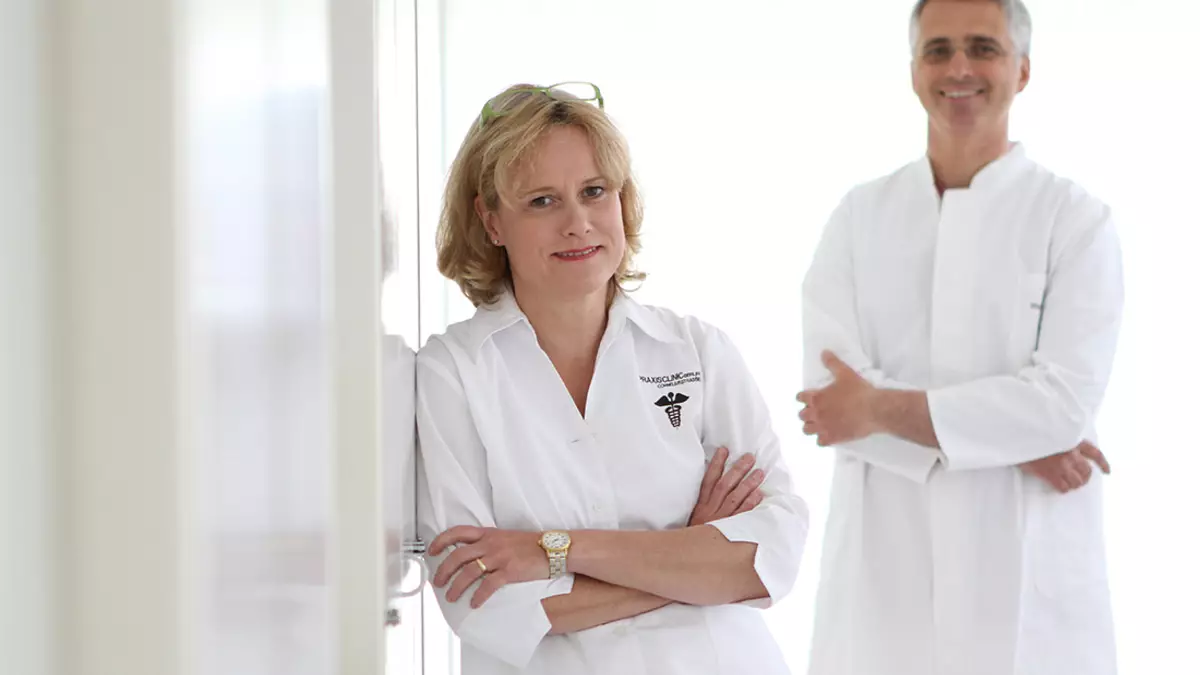
This is not just another Zahnarzt-Praxis around the corner. It is a practice built around two complementary pillars: the unique "double approbation" of Dr. Djamchidi – he is both a fully trained physician and ENT specialist as well as a dentist – and the strong focus on tooth preservation, endodontics and aesthetics provided by dentist Annette Jannack. Together, they form a team that looks far beyond the surface of your teeth, integrating general medicine, oral surgery, implantology, root canal treatment, and modern prophylaxis into a coherent, patient-centered concept.
For an international patient used to different healthcare systems, this integrated approach translates into something very tangible: fewer uncertainties, a deeper level of safety during complex procedures like implants or sinus lifts, and the comforting feeling that your dentist sees not only your mouth, but your whole health profile.
The Expat Reality: Dental Anxiety Meets a New Health System
Imagine you are an expat in Berlin, perhaps living in Steglitz, Lichterfelde, or nearby Zehlendorf. A tooth has been bothering you for weeks. You have tried to ignore it, but the pain is now disturbing your sleep. You start searching online for an English-speaking dentist, but each website seems more confusing than the last. You read about private versus public health insurance (PKV and GKV), cost estimates, and unfamiliar treatment names. At the same time, a familiar knot tightens in your stomach – the old fear of the dentist's chair.
This combination of dental anxiety and uncertainty about the German system is extremely common among international residents. Many worry that they will not understand the treatment plan, that they might be pushed toward expensive procedures without real explanation, or that their previous medical history (allergies, chronic illnesses, medications) will not be properly considered.
In Zahnarzt-Praxis Berlin Steglitz, these worries are addressed head-on. English is not an afterthought, but an integral part of the communication culture. Explanations about oral surgery, implantology, root canal treatment, the condition of the maxillary sinus floor, or the biocompatibility of materials are offered in clear, patient-friendly language. You are encouraged to bring old medical reports, ask questions, and request a second opinion if you are unsure about previous recommendations from elsewhere.
This combination of open dialogue and medical competence is especially powerful when we look at the core strength of the practice: the double approbation of Dr. Djamchidi.
Dr. Djamchidi: The Double View of Physician and Dentist
Most dentists are highly trained in oral structures, jaw function, and tooth-related diseases. A much smaller number also carry a full degree in human medicine and a specialist training in ENT (ear, nose, and throat). Dr. Djamchidi belongs to this rare group. He is doubly licensed, as both a medical doctor and a dentist – a combination sometimes called a double degree MD and DDS.
Why does this matter to you as a patient, especially if you are considering implantology, complex oral surgery, or treatments close to the sinus and nasal region?
To answer this, it is helpful to picture the anatomy in simple terms. Above your upper back teeth lies a hollow air space – the maxillary sinus. The thin bone that separates the tooth roots from the sinus cavity is called the maxillary sinus floor. In some people, this bone is thick; in others, it is naturally thinner. When teeth in this region are missing and an implant is planned, the dentist sometimes needs to perform a sinus lift: gently raising the sinus membrane and adding bone material to create a stable base for the implant.
This area is an anatomical crossroads. The upper jaw, the maxillary sinus, the nasal cavity, and the ENT region are closely connected. A dentist working here must not only think about the correct positioning and angle of the implant, but also about sinus ventilation, existing ENT diseases such as chronic sinusitis, previous nasal surgeries, and the way these structures interact when you breathe, speak, and chew.
This is where the double approbation becomes a concrete safety advantage. As an ENT specialist and dentist, Dr. Djamchidi can:
– Assess both the dental and ENT aspects of your case in one consultation.
– Evaluate the condition of your maxillary sinus floor and sinus mucosa with an eye trained by years of ENT practice.
– Plan sinus lift procedures or implant placements with a deeper understanding of how they will affect, and be affected by, your nasal and sinus health.
– Recognize when chronic sinus issues, allergies, or anatomical variations (such as a deviated septum) might influence oral surgery outcomes.
– Coordinate with your other doctors, if necessary, using a shared medical language.
For example, consider an implant planned in the region of an upper molar where the bone height appears limited. A standard approach might be to simply perform a sinus lift and place the implant at a later stage. With his ENT background, however, Dr. Djamchidi will also ask: Is the sinus well ventilated? Are there signs of previous infections, polyps, or thickened mucosa? Would additional ENT diagnostics be sensible before proceeding? This physician-level analysis adds an extra layer of safety and foresight.
Beyond implantology, the fusion of general medicine and dentistry becomes valuable in many everyday situations: patients with cardiovascular disease, blood-thinning medications, diabetes, autoimmune conditions, or complex allergy profiles require tailored treatment concepts. Because he is trained as a physician, Dr. Djamchidi can integrate these systemic conditions into your dental treatment plan, from choosing minimally invasive techniques to selecting materials with high biocompatibility.
In essence, the "double view" means you do not have to choose between a medically cautious approach and high-level dentistry – you receive both in one Dental Practice.
Annette Jannack: The Preservationist Focused on Endodontics and Aesthetics
While implants and oral surgery can restore missing teeth with impressive precision, the most natural tooth will always be your own. This philosophy – preserving the natural tooth whenever reasonably possible – is at the heart of the work of dentist Annette Jannack.
Her main clinical focus lies on endodontics (root canal treatment), tooth preservation (Zahnerhalt vor Zahnersatz), and aesthetic dentistry. For many patients, the phrase "root canal" immediately triggers anxiety. Old stories about painful sessions and lengthy procedures still circulate. Modern endodontics, however, especially when supported by microscopic dentistry, is fundamentally different.
During root canal treatment, the goal is to remove inflamed or infected tissue from inside the tooth, disinfect the canal system, and seal it three-dimensionally to prevent bacteria from re-entering. The challenge is that each tooth has an individual internal anatomy: tiny side canals, curves, and branches that are invisible to the naked eye.
Here, technology and experience meet. With magnification (dental loupes or a microscope), fine-tuned instruments, and modern irrigation techniques, Ms. Jannack can navigate these complex structures with high precision. This increases the likelihood that a tooth which previously might have been extracted can be preserved for many years to come.
For the patient, the benefits are both functional and emotional:
– You keep your own tooth, preserving chewing function and the natural feeling when biting.
– The surrounding bone is maintained, often reducing or delaying the need for implants or bridges.
– The treatment is planned to be as minimally invasive as possible, focusing on preserving healthy tooth substance rather than removing it.
Endodontics in this Dental Practice is not a last-minute rescue, but an integral part of the therapeutic philosophy. Only when a tooth truly cannot be saved, or when the long-term prognosis is clearly unfavorable, does the team discuss replacement options such as implants, bridges, or prosthetics. This stepwise, conservative approach builds trust – you feel that you are not being pushed prematurely toward more extensive interventions.
Complementing this focus on tooth preservation, Ms. Jannack also offers aesthetic dentistry tailored to natural-looking results: carefully matched fillings, veneers, and other techniques that integrate seamlessly with your existing dentition. The aim is always harmony – with your face, your smile line, and your personal expectations.
Anxiety-Free Dentistry: More Than Just Sedation
Dentistry has a reputation problem. Many adults still carry memories from childhood of painful injections, insensitive comments, or long, uncomfortable sessions. Zahnarzt-Praxis Berlin Steglitz consciously counters this with a multi-layered concept for anxiety-free treatment.
First, the human factor: from the first phone call, the team is aware that you may be nervous. Time is reserved to listen to your story – why you are afraid, what exactly makes you uneasy, and what you have experienced elsewhere. This alone can be a huge relief if you have felt rushed or dismissed in previous practices.
Second, there is a strong emphasis on minimally invasive techniques. Whenever possible, procedures are planned to be as gentle as current science allows, using modern instruments and up-to-date anesthetic methods. This reduces not only pain, but also post-operative swelling and recovery time.
Third, for patients with pronounced dental anxiety or those facing longer procedures, the practice offers supportive options such as sedation or so-called twilight sleep. In twilight sleep, you remain responsive but deeply relaxed, with limited memory of the procedure afterwards. This can be especially helpful for complex implantology sessions, extensive oral surgery, or multiple root canal treatments in one appointment.
For some patients, complementary approaches such as homeopathy may also be discussed as part of the overall stress management strategy, depending on personal preference. The key point is that you are not left alone with your fear. Your emotional comfort is treated as seriously as your gums and teeth.
Importantly for international patients, all these options are explained in clear English. You can ask about side effects, recovery time, and interactions with your existing medications, just as you would at home. This transparency builds a level of trust that is essential when you are lying back in the chair, relying on others to care for you.
Location and the Classic Berlin Altbau Experience
The practice is located in Berlin-Steglitz, a district that combines the urban energy of Schloßstraße – one of Berlin's major shopping streets – with quieter residential corners and green spaces. Many international families choose this part of Berlin southwest for its balance between city life and neighborhood feel, and Zahnarzt-Praxis Berlin Steglitz is woven into this local fabric.
The building itself is a classic Berlin Altbau, with the historical character that many people love about this city: high ceilings, solid staircases, and a sense of architectural continuity. It is important to be transparent, however: as is common with many older buildings in Berlin, there is no elevator. Access to the practice is via stairs, so it is not a barrier-free environment.
The team addresses this honestly and encourages patients with significant mobility impairments to discuss their situation in advance, so that realistic solutions or alternative arrangements can be considered. For many others, the few flights of stairs are simply part of the authentic Berlin experience – walking up through a historic building to reach a modern, medically advanced dental clinic above street level.
In practical terms, the location also offers good transport connections and, compared to Berlin-Mitte, somewhat easier parking options in the surrounding streets. Whether you come from Steglitz itself, from Zehlendorf, or from other parts of Berlin southwest, the practice is straightforward to reach.
Your First Visit: A Step-by-Step Patient Journey
For someone new to the German system, knowing what to expect can dramatically reduce anxiety. Here is what a typical first appointment at this Dental Practice in Berlin Steglitz might look like.
1. Making the Appointment
You can call or reach out online, and you may explicitly ask for an English-speaking dentist. The team will clarify whether you have public or private insurance, explain how billing works in your case, and help you choose a suitable appointment length, especially if you need a comprehensive consultation or a second opinion.
2. Arrival and Anamnesis
When you arrive, you climb the Altbau stairs and enter a calm, welcoming practice environment. Before any treatment, you fill out an anamnesis form – your medical history. If forms are in German, the staff is available to help translate questions into English and ensure that important details about allergies, medications, and previous surgeries are correctly recorded.
This anamnesis is particularly meaningful here, because your doctor-dentist team actually uses it. If you list ENT issues, chronic sinusitis, or systemic conditions, these are not just noted, but actively considered in the subsequent consultation.
3. Clinical Examination and Diagnostics
Next, you meet either with Dr. Djamchidi, with Ms. Jannack, or with both, depending on your main concern. They will listen to your story in detail – in English if you prefer – and perform a thorough clinical examination of your mouth, teeth, gums, and, if relevant, ENT structures.
Digital X-rays or other imaging may be taken to visualize the roots, bone levels, and the relation to the maxillary sinus floor. For a painful tooth, this step is essential to decide whether a root canal treatment (endodontics), a filling, or another approach is indicated.
4. Explanation and Treatment Plan
Once all information is gathered, your dentist will sit down with you – and this is where the practice's philosophy becomes very visible. You are shown your images, and the findings are explained in accessible language. If an implant is considered, you may learn how close it will be to the sinus, what a sinus lift would mean, and why an ENT perspective is valuable in your situation.
If tooth preservation is realistic, you will hear about options such as advanced root canal treatment, supported by microscopic dentistry, and what the prognosis would be. The principle of Zahnerhalt vor Zahnersatz – preserving the tooth before replacing it – guides the recommendation.
You are encouraged to ask questions, to voice fears, and even to take time to think. If you have had another quote from a different Zahnarzt, you can request a second opinion here, comparing approaches and costs.
5. Prophylaxis and Long-Term Planning
Beyond the acute problem, the team will also discuss prophylaxis – preventive strategies to maintain your oral health. Professional cleanings, tailored home-care routines, and regular check-ups help to reduce the risk of new cavities, gum disease, or implant complications in the future.
For expats who may stay in Berlin for several years, this long-term view is particularly valuable. Your dental records remain in one place, your situation is known, and treatment decisions can be made in continuity rather than as isolated episodes.
6. The Procedure Itself
When the time comes for your treatment – be it a gentle root canal with Ms. Jannack, an implant placement with sinus consideration by Dr. Djamchidi, or a combination of procedures – the anxiety-free concept comes into play. Local anesthesia is administered carefully, additional sedation or twilight sleep is available when indicated, and the team continuously monitors your comfort.
Thanks to the integration of medicine and dentistry, any relevant systemic risks are considered in advance: blood thinning, healing capacity, allergies, and ENT-related factors. This attention to detail turns what could be a stressful event into a well-prepared, controlled procedure.
Why This Practice Stands Out in Berlin's Southwest
With so many dental clinics in Berlin, what ultimately makes Zahnarzt-Praxis Berlin Steglitz a particularly strong choice for both locals and international residents?
– The rare combination of ENT medicine and dentistry in one person, providing a medically robust framework for implantology, sinus-related oral surgery, and complex cases.
– A deep commitment to tooth preservation, endodontics, and microscopic dentistry with Annette Jannack, who practices the principle of saving the natural tooth whenever sensible.
– An anxiety-aware, patient-centered culture that offers sedation, twilight sleep, empathetic communication, and, where desired, gentle complementary support like homeopathy.
– Clear, respectful English communication that makes it easier for expats to navigate the German system, understand their options, and feel safe giving informed consent.
– A central yet neighborhood-like location in Berlin-Steglitz, near Schloßstraße and accessible from Zehlendorf and other areas of Berlin southwest, embedded in the characteristic charm of a Berlin Altbau.
For many international patients, the question is not simply "Where can I find a Zahnarzt?" but rather: "Where can I find a practice that understands my whole health, my fears, my language, and my long-term needs?" Zahnarzt-Praxis Berlin Steglitz (Dr. Djamchidi & A. Jannack) is designed to answer exactly that question – with medical depth, technical precision, and human warmth.
If you are looking for a Dental Practice in Berlin that you can genuinely trust, where the intersection of oral surgery, implantology, tooth preservation, prophylaxis, and whole-body medicine is understood and applied every day, this clinic in Berlin-Steglitz is a compelling option to consider.