A Defining Week for Thyssenkrupp: Shareholders Decide as Brussels Steps In
30.06.2026 - 15:26:32 | boerse-global.de
Thyssenkrupp enters a pivotal stretch this week as Brussels tightens steel import rules and shareholders prepare to vote on a major restructuring step — all while the company wrestles with a first-quarter net loss of €334 million. The Essen-based conglomerate is pushing toward a leaner holding structure under its “ACES 2030” strategy, but the path is proving expensive: management expects negative free cash flow of up to €600 million for the full fiscal year, with restructuring costs in the steel division devouring capital.
On August 7, the board will convene an extraordinary general meeting where shareholders will vote on spinning off the materials and trading subsidiary tk accelis. Under the proposal, 49% of the shares would be distributed to existing holders at an allocation ratio of 20 to 1. While that move adds clarity to the portfolio overhaul, other restructuring fronts remain unresolved. Talks to sell the struggling steel unit have stalled after Indian rival Jindal Steel & Power dropped out of the running, and the planned sale of Thyssenkrupp’s HKM stake to Salzgitter — which had been slated for completion by June 1 — is still subject to outstanding approvals, including a positive going-concern assessment and consent from joint-venture partner Vallourec.
Alongside the portfolio shake-up, Thyssenkrupp is placing a €3 billion bet on green steel. A direct-reduction plant under construction in Duisburg is expected to begin using hydrogen in production by 2028, with full hydrogen operation planned for 2029. The technology requires iron ore with a minimum iron content of 67%, a grade that is in extremely tight supply globally. The investment carries considerable risk, especially given the fierce competition from lower-cost Asian producers.
Should investors sell immediately? Or is it worth buying Thyssenkrupp?
The market is reflecting this tension. Thyssenkrupp shares have lost 11.34% over the past 30 days, with the stock recently closing at €10.20 and trading around €10.10 in intraday action. The 200-day moving average — a key long-term trend filter — sits at €10.01, just a cent above the psychological round number of €10.00 that has acted as support. The 50-day average at €10.58 marks the next hurdle, while the relative strength index at 41.1 remains short of oversold territory. Annualised 30-day volatility stands at 43.28%, underlining the potential for sharp swings in either direction.
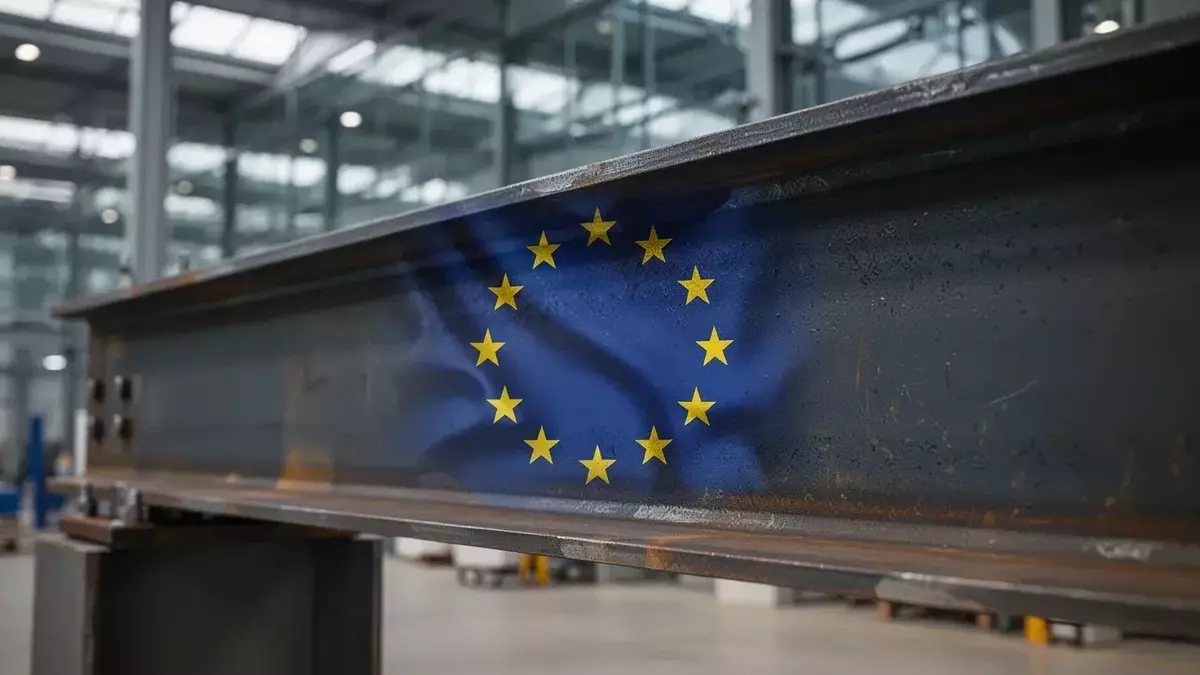
The bull case hinges on whether the EU’s new steel safeguard measures, which take effect on July 1, can buy time for the restructuring. The bloc is slashing its tariff-free import quota to 18.3 million tonnes per year — roughly half the previous level — while introducing stricter monitoring of origin and more rigid rules for exceeding quotas. This should improve the competitive environment for European steelmakers like Thyssenkrupp. But bears counter that trade protection does nothing to solve the company’s high cost base, heavy investment needs, or the regulatory drag of the Emissions Trading System, against which Thyssenkrupp, ArcelorMittal Europe and voestalpine have jointly warned. A sustainable break below the 200-day moving average would shift the technical picture decisively negative.
Two catalysts will shape the near-term outlook. The extraordinary general meeting on August 7 will test shareholder appetite for the spin-off plan. The following week, on August 13, Thyssenkrupp is due to publish its nine-month results for 2025/2026, where investors will look for evidence that the steel restructuring and the EU trade shield are translating into operational progress. Until then, the stock’s fate rests on whether it can defend the €10.01 level — a line that separates a constructive consolidation from a more worrying breakdown.
Ad
Thyssenkrupp Stock: New Analysis - 30 June
Fresh Thyssenkrupp information released. What's the impact for investors? Our latest independent report examines recent figures and market trends.