A Calm Smile in a Complex City: Dental Practice in Berlin Steglitz for Expats and Locals
Published on 04/04/2026 at 07:01 | Editorial responsibility: Rafael Müller, Editor-in-Chief AD HOC NEWS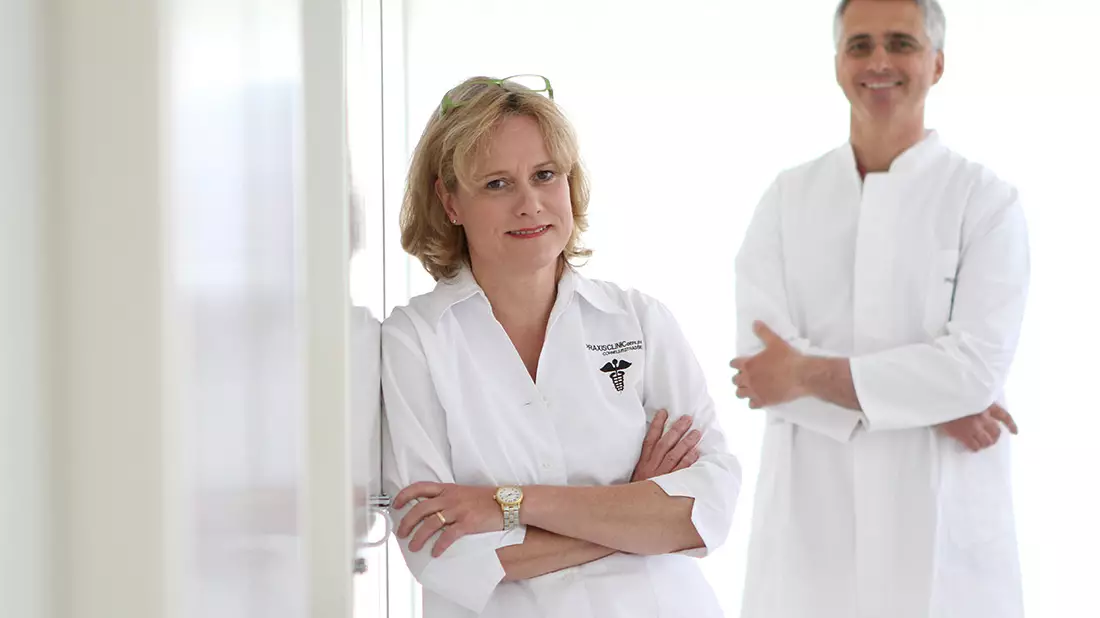
Moving to Berlin can be exciting, inspiring, and at times exhausting. Between Anmeldung, insurance choices, and figuring out how the healthcare system works, many expats quietly postpone one important topic: their teeth. A sudden toothache on a Sunday, a crown that breaks during a work trip, a missing filling when your family is visiting – these things never happen at a convenient moment. And in a new country, they come with extra worries: Will the dentist understand me in English? Will I be pushed into treatments I do not fully grasp? Is the standard of Implantology and Oral Surgery comparable to what I know from home?
For many international residents, finding a Dental Practice in Berlin Steglitz that combines high medical standards, clear communication in English, and genuine empathy for dental anxiety feels like searching for a needle in a haystack. The term "Zahnarzt" might already sound intimidating if you associate it with previous negative experiences or with bureaucratic letters you do not fully understand.
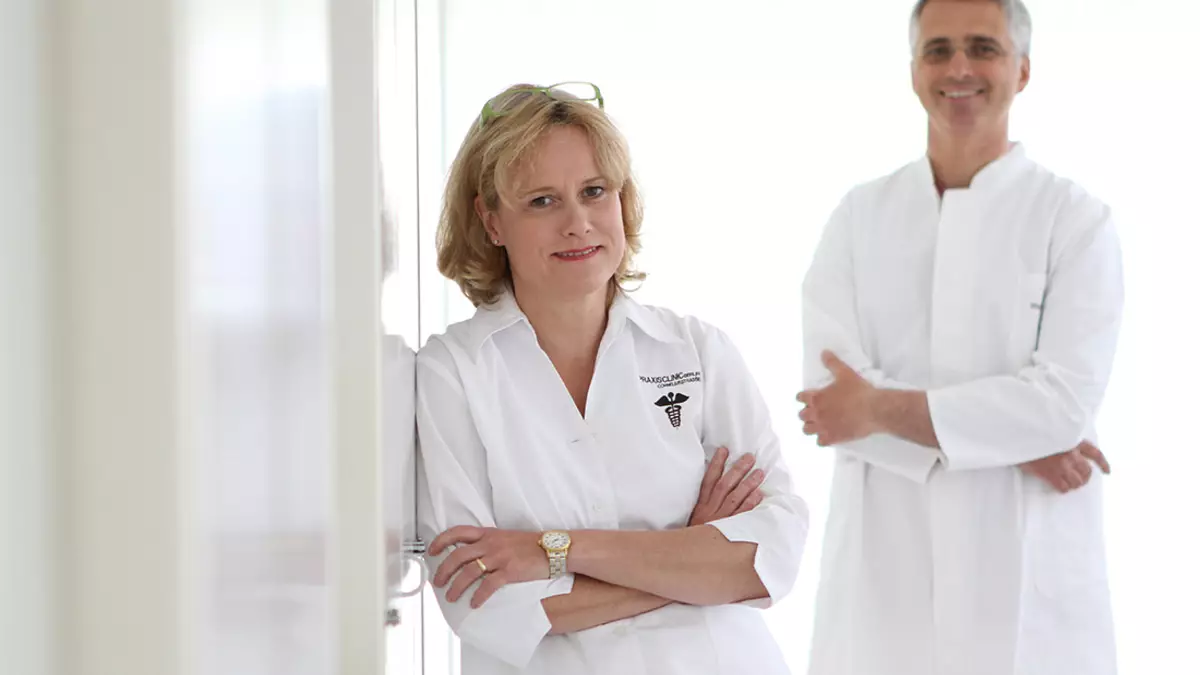
In this context, Zahnarzt-Praxis Berlin Steglitz (Dr. Djamchidi & A. Jannack) stands out as a reassuring anchor. Situated in a classic Altbau near the lively Schloßstraße in Berlin Southwest, the practice offers more than routine check-ups. Its unique strength lies in an unusual combination: double approbation and dual expertise. The leading dentist, Dr. Djamchidi, is not only a dentist but also a fully trained physician and ENT specialist, while his colleague, dentist Annette Jannack, brings deep, microscopic expertise in Endodontics and tooth preservation.
This double perspective is rare, even in Germany, and it directly benefits patients who need Implantology, complex Oral Surgery, or simply want to make the safest, most sustainable choices for their oral health.
Imagine this common expat scenario: You have just started a new job in Berlin, your German is still basic, and you wake up with a throbbing tooth. You open your laptop and start scrolling through search results for a "Dental Practice Berlin" or "English-speaking Dentist Steglitz." The websites are in German, the insurance terms are unfamiliar, and you are not even sure how emergency appointments work here. At the same time, you might carry a long history of dental anxiety – perhaps from rushed treatments in the past, from feeling judged about your teeth, or simply from the sound and smell of dental clinics.
In Germany, dentistry is highly regulated and technically advanced, but the style of communication can feel different from what you know. Some expats report feeling lost in translation: they sign consent forms without fully understanding them, nod through explanations because they do not want to slow the doctor down, or hesitate to ask for a second opinion, even when something does not feel right. Dental Anxiety and a perceived power imbalance between patient and doctor can be intensified by language barriers and the unfamiliar structures of statutory or private insurance.
Zahnarzt-Praxis Berlin Steglitz specifically addresses these concerns. The team is used to working with international patients from Zehlendorf, Schloßstraße, and across Berlin Southwest. Explanations are given calmly and, when desired, in English; complex concepts like Root Canal Treatment, Maxillary Sinus Floor augmentation, or Sedation are broken down into simple, visual terms. Instead of pressure, there is collaboration: your questions and hesitations are not treated as a nuisance but as an integral part of good, patient-centered dentistry.
For many patients, the first contact is not a treatment, but a conversation – a consultation designed to build trust, clarify expectations, and map out a long-term plan for Tooth Preservation and, if necessary, Implantology.
One of the defining features of this Dental Practice in Berlin Steglitz is the so-called "double approbation" of Dr. Djamchidi. In practical terms, this means he is fully licensed both as a physician (medical doctor) and as a dentist, with additional specialization in ENT (Ear, Nose, and Throat medicine). This dual background is not a symbolic title; it has real-world consequences for how treatments – especially implants and Oral Surgery – are planned and carried out.
When we speak about dental Implants, we are actually dealing with much more than just teeth. The upper jaw is closely connected to the nasal cavity and the Maxillary Sinus. The Maxillary Sinus Floor – a delicate bony boundary located just above the roots of the upper back teeth – plays a central role in whether there is enough bone to anchor an implant securely. In many cases, the natural bone height in this region is limited, especially after tooth loss. To place a stable, long-lasting implant, the surgeon may need to perform a so-called sinus lift: carefully raising the sinus membrane and augmenting the bone underneath it.
This is where ENT knowledge becomes invaluable. A physician with ENT training is highly familiar with the anatomy of the sinuses, nasal passages, and surrounding structures. They understand not only the local bone and mucosa but also how these structures interact with chronic sinusitis, allergies, respiratory conditions, or a history of nasal surgery. In other words, they see the full picture of your head and neck region, not just the tooth in isolation.
For a layperson, the idea of working so close to the sinus can sound alarming. What if the sinus is accidentally perforated? What if bacteria travel from the mouth into the sinus cavity? What about long-term sinus health after implant placement? A dual-trained MD and dentist like Dr. Djamchidi is particularly well positioned to assess these risks, minimize them through careful planning, and respond quickly if complications arise.
Pre-operative planning in Implantology at this practice typically includes three-dimensional imaging, allowing detailed visualization of the Maxillary Sinus Floor, bone density, and nerve pathways. Here, the ENT perspective influences more than just the technical execution. It informs whether a sinus lift is truly necessary, whether there are alternative positions or angles for implants, and how to integrate your broader medical history – such as asthma, chronic sinus issues, or certain medications – into the treatment strategy.
Additionally, as a physician, Dr. Djamchidi is trained to see your mouth as part of your overall health. Conditions like diabetes, autoimmune diseases, or osteoporosis can all influence how well you heal after Oral Surgery or Implantology. A dual-licensed specialist is accustomed to interpreting blood tests, understanding interactions with systemic medications, and coordinating with your general practitioner or specialist if required. This is a significant safety advantage, particularly for older patients, medically complex cases, or those taking multiple medications.
In the context of Sedation or twilight sleep – options frequently requested by patients with strong Dental Anxiety – the physician background adds another layer of reassurance. Sedation requires careful monitoring of cardiovascular and respiratory parameters, dose calculations, and an understanding of how sedatives interact with other drugs. Knowing that your surgeon is medically trained to manage not only teeth but also your overall physiological state can greatly reduce fear, especially if you have had negative sedation experiences in the past or suffer from conditions like sleep apnea.
Some patients seek a second opinion when they have already been told that a tooth must be extracted and replaced by an implant. In such cases, the combination of medical and dental expertise at this practice allows for nuanced, conservative decision-making. If the tooth can still be preserved safely, with a reasonable long-term prognosis, the team will explain these options transparently, including advanced Endodontics and Microscope-assisted Root Canal Treatment. If extraction and Implantology are indeed the most suitable path, you will understand the reasons, the steps, and the expected long-term outcomes.
While the combination of ENT and dental implant expertise makes this practice particularly strong in Oral Surgery, it is only one half of the story. The other half is the philosophy of tooth preservation championed by dentist Annette Jannack, whose focus lies in Endodontics, Aesthetic Dentistry, and minimally invasive strategies.
Endodontics concerns itself with the inside of the tooth – the pulp chamber, the fine root canals, and the tissues surrounding the root tip. When bacteria penetrate deep into the tooth, whether through decay, a crack, or trauma, they can inflame or destroy the dental pulp. The result is often severe pain, sensitivity to hot and cold, or swelling. In many countries, the default solution to such issues has often been extraction. However, modern Endodontics offers a more conservative alternative: Root Canal Treatment that aims to clean, disinfect, and seal the internal space of the tooth so precisely that the tooth can remain in place for many years.
At Zahnarzt-Praxis Berlin Steglitz, Endodontics is not treated as a quick, routine procedure but as a craft requiring time, technology, and experience. Under magnification – often referred to as Microscopic Dentistry – even extremely fine canals, accessory branches, and tiny anatomical variations can be visualized and cleaned. This is crucial because bacteria love to hide in these irregularities. By using flexible files, modern irrigation protocols, and high-quality seals, the chances of long-term success increase markedly.
The philosophy behind this work is clear: Zahnerhalt vor Zahnersatz – saving the tooth before replacing it. Every natural tooth is anchored in the jaw in a way no artificial solution can perfectly replicate. It communicates with the surrounding bone, maintains chewing efficiency, and contributes to the natural aesthetics of your smile. Even with excellent Implantology, replacing a tooth always represents a compromise. Therefore, the practice sees Endodontics and Tooth Preservation as the foundation, and Implants as a valuable second line of treatment when preservation is no longer viable or sensible.
In practical terms, this means that when you present with tooth pain, the first step is a thorough diagnosis. Are we dealing with reversible pulpitis, where the nerve might calm down with a simple filling and Prophylaxis? Is it an irreversible pulp infection requiring Root Canal Treatment? Is the root cracked, making the tooth unsalvageable? Advanced imaging is combined with careful clinical testing to reach a precise conclusion. Then, the treatment plan is explained in clear language, including risks, benefits, alternatives, and expected longevity.
Endodontic retreatments – situations where a previous Root Canal Treatment has failed – are another area where specialized knowledge is crucial. Old filling materials must sometimes be removed, missed canals found, and persistent infection eliminated. This is delicate, time-consuming work, but it can often save teeth that would otherwise be extracted. For patients who value their natural teeth and wish to avoid more extensive prosthetic work, such thoroughness is invaluable.
Beyond the purely functional aspects, Annette Jannack also focuses on Aesthetic Dentistry that respects both Biocompatibility and natural appearance. When a tooth has been saved through Endodontics, it may require a crown or onlay to restore its strength and appearance. Material choice here matters not only for looks but also for compatibility with your body. Working closely with dental laboratories, the practice aims for restorations that blend harmoniously with your other teeth in color, shape, and translucency, while taking into account any sensitivities or material preferences you may have.
Many people, whether local residents or new arrivals in Berlin, carry longstanding Dental Anxiety. Some have experienced pain during previous treatments, some felt rushed or dismissed, and others simply react strongly to the sounds and sensations of dentistry. For expats, this anxiety can be compounded by cultural and linguistic differences: It is harder to express your fears in a second language, and you might worry about being taken seriously.
The team at Zahnarzt-Praxis Berlin Steglitz is acutely aware of this dimension. Anxiety is not seen as an obstacle but as a key part of the medical picture. From the first phone call or email, you are encouraged to mention if you are nervous or have had bad experiences. The staff are trained to respond with patience, not surprise.
In the treatment room, measures to support anxious patients range from unhurried explanations and step-by-step announcements to practical strategies like breaks, hand signals, and distraction. For many, simply knowing that the dentist will stop immediately if they raise their hand can dramatically reduce tension. Others benefit from more structured support, such as sedation or twilight sleep. In such cases, your general health, medications, and lifestyle are carefully reviewed to ensure that any sedative approach is safe, particularly important for those with cardiovascular or respiratory conditions.
Some patients also appreciate gentle, complementary options such as homeopathic support or calming rituals before and after treatment. While these do not replace evidence-based dental procedures, they can offer psychological comfort and a sense of being treated as a whole person, not just a mouth. Compassion, body language, and the willingness to adjust the pace make the difference between a traumatic and a manageable dental experience.
Importantly, the practice encourages you to seek a second opinion if you are unsure about a proposed treatment plan, whether here or elsewhere. This is not seen as distrustful; on the contrary, an informed patient who feels secure in their decision is more likely to cooperate well, heal smoothly, and remain loyal in the long term. Being open to second opinions is part of a mature, modern approach to healthcare, especially in a city like Berlin where many international professionals are used to questioning and comparing options.
The practice is located in Berlin Steglitz, a district known for its mix of lively commercial streets and quiet residential areas. Schloßstraße is one of the main shopping arteries of Berlin Southwest, with easy connections to Zehlendorf, Dahlem, and the city center. From the outside, the practice building reflects the charm of classic Berlin Altbau architecture: high ceilings, solid construction, and historical details that many locals and expats adore when renting flats in this part of town.
However, this architectural charm comes with a practical note: the building is not barrier-free. Access to the Zahnarzt-Praxis requires climbing stairs; there is no elevator. This is a typical feature of many older Berlin buildings and part of the city's authentic urban fabric. For patients without mobility issues, the staircase is often perceived as part of the "real Berlin" experience – walking up into a high-ceilinged practice that feels more like a classic apartment than a sterile clinic.
At the same time, the team is transparent and honest about this limitation. If you have severe mobility restrictions, rely on a wheelchair, or find stairs extremely challenging, this may not be the optimal location for you, and the practice can assist in recommending suitable barrier-free alternatives. For those who can manage the stairs, the central position and nearby parking options – a rarity in some parts of Berlin – are a real advantage. Being close to major public transport routes, including U-Bahn and buses along Schloßstraße, means that patients from across Berlin Southwest, including Zehlendorf and neighboring districts, can reach the practice comfortably.
Inside, the atmosphere is intentionally warm rather than ultra-clinical. Waiting areas and treatment rooms in an Altbau setting can feel more personal and less intimidating than glass-and-steel clinics. Combined with a small, stable team and familiar faces at reception, this setting helps many patients, especially those with Dental Anxiety, feel more at ease.
To understand what treatment at Zahnarzt-Praxis Berlin Steglitz really feels like, it helps to walk through a typical first visit – keeping in mind that each patient's experience is individually tailored.
The journey often begins online. You might find the practice via a search for an English-speaking dentist or through a recommendation from colleagues in Zehlendorf or neighbors near Schloßstraße. On the practice website, you can get an initial impression of the team, services, and focus areas like Implantology, Oral Surgery, Endodontics, and Prophylaxis. If you choose to get in touch, you can call or write an email; if necessary, you can make it clear from the outset that you prefer English communication.
At the first appointment, you are greeted by a receptionist who is used to guiding new patients through German insurance questions. If you are privately insured or self-paying, that will be discussed transparently; if you have statutory insurance, you will receive clear information about what is covered and what constitutes an additional, optional service. Bureaucratic fear – a common expat concern – is reduced by explaining documents in simple terms rather than leaving you alone with forms.
In the treatment room, the first step is a detailed anamnesis: a structured interview about your medical history, medications, allergies, previous dental treatments, and any conditions that could influence your oral health or treatment safety. Here, the dual medical and dental training of the team shines, as questions go beyond the mouth to include systemic conditions like high blood pressure, thyroid disease, diabetes, rheumatologic disorders, or previous surgeries. This holistic picture forms the basis for any decisions about Sedation, Oral Surgery, or complex Endodontics.
Once your general health is clarified, the clinical examination of your teeth, gums, bite, and oral mucosa begins. Depending on your needs, X-rays or three-dimensional imaging may be taken to assess bone structures, identify hidden decay, evaluate the Maxillary Sinus Floor for potential Implantology, or visualize chronic root infections that might not be visible to the naked eye. Throughout this process, the dentist explains what they are doing and why – and invites questions. If you prefer, findings can be summarized in English, with medical terms translated into everyday language.
After gathering all relevant information, the team presents you with a proposed treatment plan. This is a dialogue, not a monologue. For example, if you have a severely damaged tooth, the options may include: conservative treatment and monitoring, Root Canal Treatment with or without a crown, extraction with delayed implant placement, or immediate implant placement if the situation allows. The pros and cons of each approach are discussed, including cost, durability, aesthetics, and the impact on your chewing function.
If you are prone to Dental Anxiety, this is also the moment to discuss how future sessions can be structured to support you – perhaps shorter appointments, Sedation, or a staged approach where priorities are addressed first and less urgent issues later. For many expats who move frequently or live between two countries, planning is also about time: fitting appointments around travel schedules, family visits, or project deadlines.
When you agree on a plan, the actual treatment appointments are scheduled. Whether it is Prophylaxis with a dental hygienist to prevent problems, a series of appointments for Microscopic Dentistry and Endodontics, or a carefully staged Implantology procedure including potential sinus lift, you know at each stage what is happening and what the goal is. Post-operative instructions, such as what to eat, how to clean the area, or which painkillers are compatible with your other medications, are explained thoroughly.
Follow-up visits are an integral part of the concept. A successful Root Canal Treatment or implant is not just about the procedure on one day but about how well the tooth or implant integrates into your overall oral system over time. Regular check-ups and Prophylaxis appointments help to maintain your results, detect early changes, and adjust home care routines. For international patients who may travel or move again, the practice can provide documentation and overviews that you can share with future dentists elsewhere.
When you step back and look at what Zahnarzt-Praxis Berlin Steglitz offers, several threads come together. On the one hand, you have the technical, scientific strength: a double approbation combining medicine, ENT, and dentistry in one person; advanced Implantology and Oral Surgery; precise Endodontics under magnification; and a deep commitment to Tooth Preservation wherever possible. On the other hand, you have the human and contextual factors that matter deeply to expats and locals alike: English-speaking communication, openness to second opinions, attention to Dental Anxiety, and a willingness to navigate German bureaucracy alongside you rather than leaving you alone with it.
The practice's location in a characteristic Berlin Altbau in Steglitz, with its staircase and non-barrier-free structure, is handled transparently: a classic building that offers atmosphere and centrality, but which may not suit everyone with mobility limitations. For many, however, it is precisely this combination – a professional Zahnarzt in a homely, human setting – that turns a necessary dental visit into something surprisingly positive.
Whether you are a long-term resident of Berlin Southwest, a new arrival working near Schloßstraße, or an international student in Zehlendorf, this Dental Practice provides a rare blend of medically grounded safety and emotional reassurance. The double perspective of a physician-dentist and the preservation-focused expertise of an endodontic specialist create a comprehensive approach: from prevention and Prophylaxis to complex Oral Surgery and Implantology, from the microscopic interior of your root canals to the wider respiratory system and Maxillary Sinus.
In a city as dynamic and diverse as Berlin, your health partners need to be both competent and adaptable. Zahnarzt-Praxis Berlin Steglitz (Dr. Djamchidi & A. Jannack) has shaped its work precisely around these needs – making it a compelling choice for anyone who wants their dental care to be not only technically excellent but also understandable, respectful, and genuinely patient-centered.
Disclaimer regarding our articles: No investment advice, no buy or sell recommendation. Information on prices, companies, and markets is provided without guarantee; changes are possible at any time. Stock market transactions can lead to substantial losses. Our articles are created and reviewed in whole or in part automatically with the support of AI.