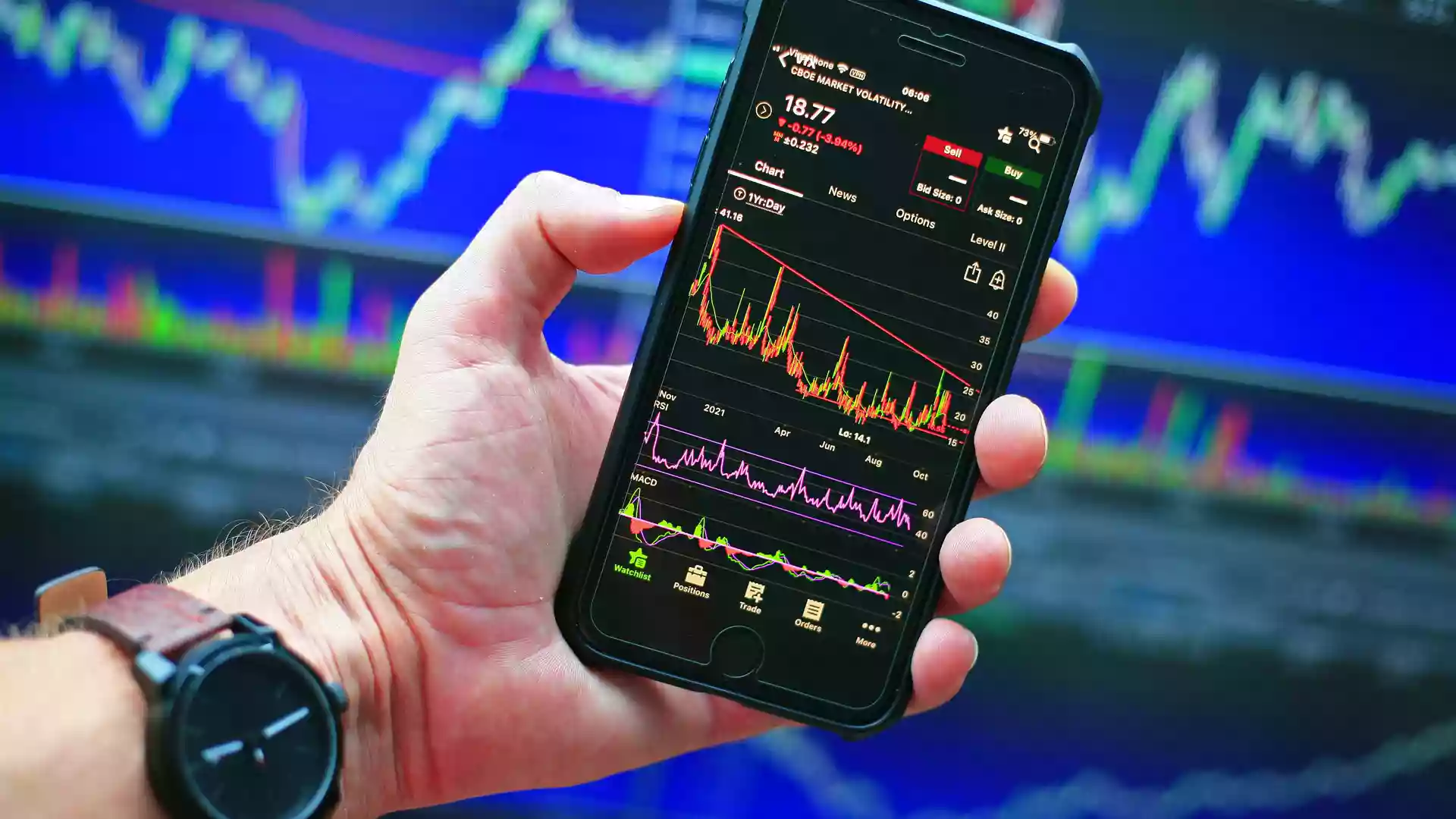
VIX Falls 21.10 Percent to 20.23 During US Trading
Published on 11/09/2026 at 18:32 | Editorial responsibility: Rafael Müller, Editor-in-Chief AD HOC NEWSVIX Retreats as Risk Appetite Improves
- The VIX stood at 20.23 at 17:32 UTC on November 9, down 21.10 percent from the previous close.
- Falling oil prices and a partial recovery in technology shares supported the broader risk backdrop.
- Tuesday's US consumer-price report remains an immediate test for volatility expectations.
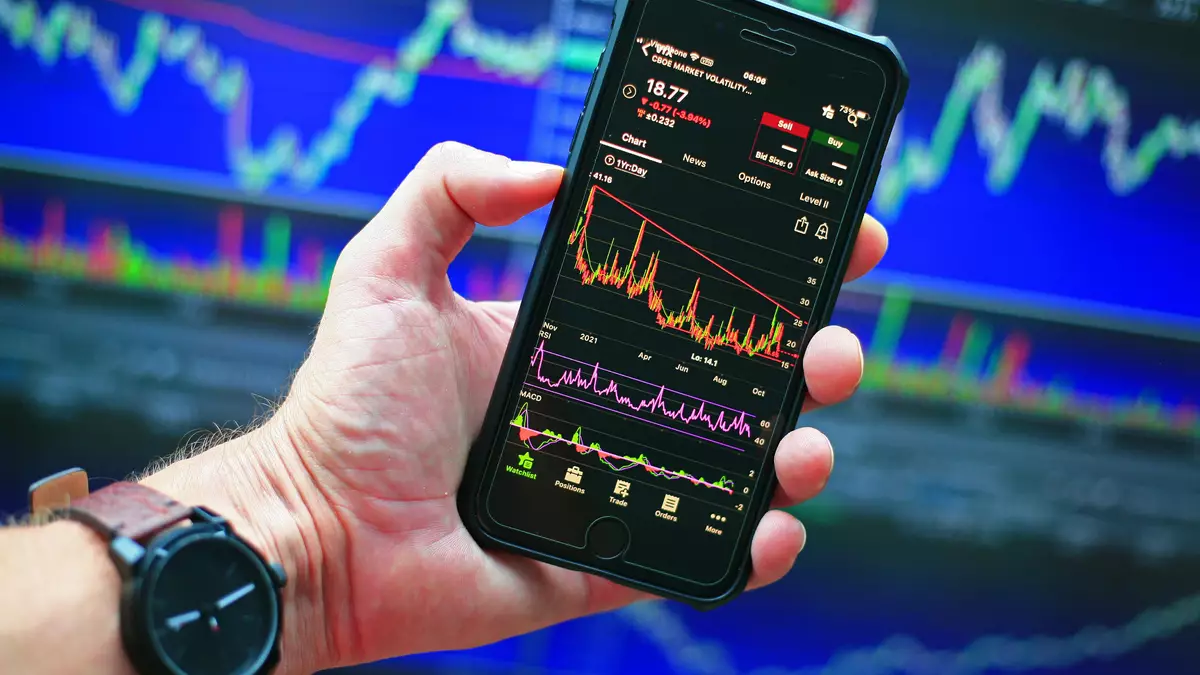
The Cboe Volatility Index (VIX) fell to 20.23 at 17:32 UTC on Monday, November 9, equivalent to 18:32 Berlin time. That was a decline of 5.41 points, or 21.10 percent, from the previous close of 25.64. The reading was recorded during the US trading session and was not a closing level.
The VIX measures the market's expectations for near-term volatility based on S&P 500 Index option prices. Cboe describes the index as a leading gauge of expected volatility over the coming 30 days.
Oil and Technology Shares Ease Pressure
The retreat in volatility came as markets recovered part of last week's technology-led sell-off. Charles Schwab reported that major US indexes had rebounded early on Monday while crude oil and Treasury yields fell. Its market update showed the VIX at 23.21 at 9:22 a.m. Eastern time, down 9.40 percent at that point, and WTI crude oil at 87.26 US dollars, down 3.92 percent.
Schwab attributed the early improvement to the decline in crude prices and a stabilisation in equities after the previous week's sell-off. The report also noted that Nvidia shares remained under pressure, showing that technology-related risks had not disappeared even as headline volatility declined.
Inflation Data Remains the Next Test
Investors still face a near-term macroeconomic catalyst. October's US consumer-price report is due Tuesday, November 10, with Schwab citing expectations for a 0.3 percent monthly rise in headline prices and a 0.2 percent increase in core prices. The stronger-than-expected October employment report had already lifted market expectations for another Federal Reserve rate increase in December, according to the same report.
The decline in the VIX therefore signals less immediate demand for protection, but it does not by itself establish a lasting change in risk appetite. At 20.23, the index remained just above the level that Schwab identifies as consistent with heightened uncertainty and defensive hedging. The next session's inflation data and developments in technology shares may determine whether Monday's retreat develops into broader stabilisation.
Weitere VIX-Berichte finden Sie auf der VIX-Themenseite.