Waste Management stock eases after recent high as valuation questions grow
Published on 08/26/2026 at 13:14 | Editorial responsibility: Rafael Müller, Editor-in-Chief AD HOC NEWS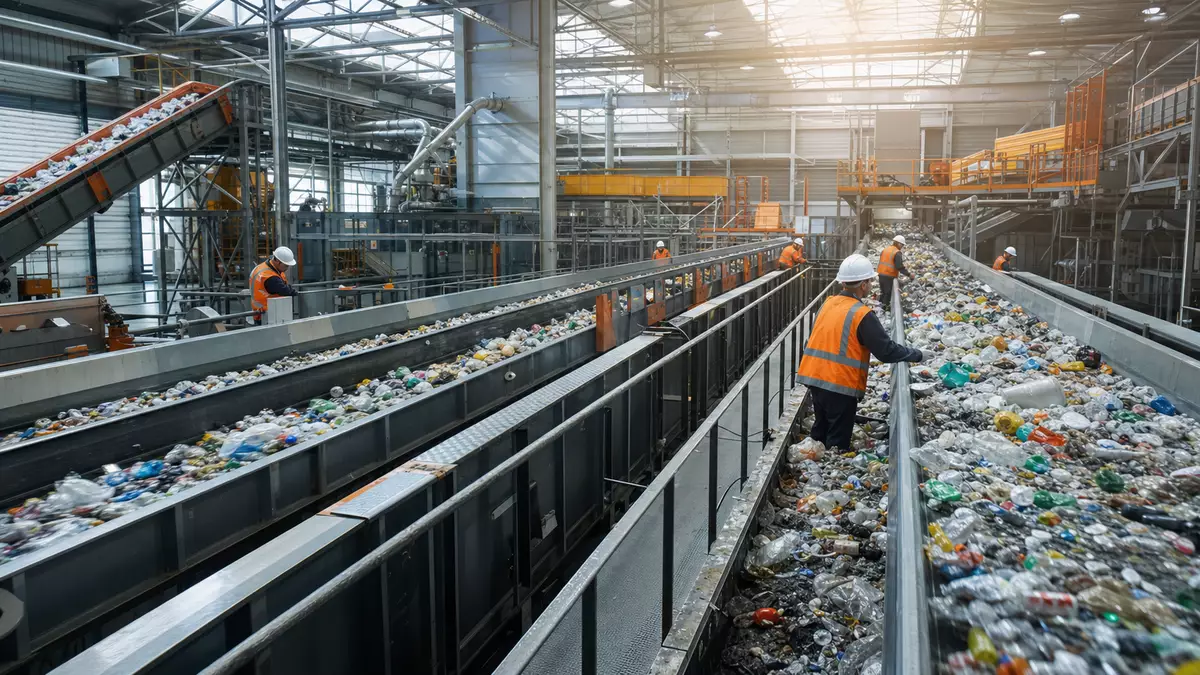
Waste Management Inc. (US94106L1098) stock has faded from a recent high, with the shares closing at $222.13 on August 25, 2026, after a prior close of $226.46 that highlighted the premium valuation the waste-services group now carries. Per the latest market data, the stock moved down 1.91 percent on that August 25, 2026 session, underscoring a softer tone after its strong run.
Price momentum and valuation gap
According to the most recent New York Stock Exchange quote, Waste Management finished at $222.13 on August 25, 2026, while extended trading later in the day showed only a marginal adjustment around that level, signaling that investors have begun to consolidate gains at this elevated price point. The small after-hours uptick left the stock only modestly changed versus the official close, but the intraday decline of 1.91 percent from the previous $226.46 level marked a clear pullback in a single session.
Market data compiled on August 25, 2026 also show that the shares had previously touched the $226.46 area, a level now being reassessed against fundamental estimates of fair value. One discounted cash flow study published on August 25, 2026 calculated an intrinsic value of $133.33 for Waste Management based on long-term cash flows and then compared it with that same $226.46 trading price, implying a negative margin of safety of 69.8 percent. The difference between the indicated value of $133.33 and the $226.46 market price highlights a valuation gap of $93.13 per share, a spread that helps explain why the stock has been vulnerable to modest pullbacks when risk appetite cools.
For investors, the juxtaposition of a $222.13 latest close with an intrinsic-value band anchored around $133.33 raises a central question about how much future growth is already priced in. The roughly $93 per-share premium compared with the discounted cash flow estimate means that expectations for continued expansion in earnings, cash generation, and dividends must remain high to justify the present stock level, even as short-term price moves like the 1.91 percent slide on August 25, 2026 suggest the market is testing that confidence.
Fundamental backdrop and cash generation
The fundamental context for Waste Management has been shaped by its ability to translate recurring waste-collection revenues into durable cash flows. Recent quarterly updates for the company in 2026 have emphasized resilient service volumes and stable contract renewals in key US municipal and commercial segments, helping underpin earnings before interest, tax, depreciation, and amortization and supporting ongoing shareholder distributions. In the latest reported period within the past nine months, management highlighted year-over-year growth in revenue and adjusted earnings per share, with a focus on margins in core collection and disposal operations and efficiency gains from route optimization and fleet modernization.
Historically, the company has demonstrated that even modest top-line growth can deliver substantial improvements in profitability. In fiscal years prior to 2024, the business saw revenue and earnings rise across several consecutive years, translating into higher free cash flow and allowing for consistent dividend increases and opportunistic share repurchases. These earlier figures, while now dated, illustrate how a steady waste-disposal franchise can compound results over time, a dynamic that feeds directly into discounted cash flow models and explains why intrinsic-value estimates still regard the shares as fundamentally attractive but flag caution at current price levels.
More recent guidance issued for 2026 has pointed to continued expansion in adjusted earnings per share and free cash flow, anchored by pricing initiatives, disciplined capital investment, and ongoing productivity programs. The company has signaled that capital allocation will balance infrastructure spending on recycling and landfill-gas projects with shareholder returns through dividends and buybacks, a mix that supports long-term value creation but also raises the question of whether the present $222-range share price fully, or overly, discounts these trajectories relative to the $133.33 intrinsic-value reading.
Analyst expectations and market debate
Analyst consensus available in August 2026 indicates that the average 12-month price target for Waste Management stands above the latest close, reflecting positive views on the company’s defensive business model and potential for incremental margin gains in the core collection and disposal segments. At the same time, valuation metrics derived from these targets and earnings forecasts show the shares trading at elevated multiples compared with historical averages, a picture consistent with the discounted cash flow analysis that highlighted a negative margin of safety of 69.8 percent when contrasting the $226.46 trading price with the $133.33 intrinsic estimate.
In practice, this tension has created a two-sided narrative in the market. On one hand, the recent closing level of $222.13 on August 25, 2026 is supported by the company’s strong cash-generation track record, visible earnings growth, and the relative stability of municipal and commercial waste volumes even in mixed economic conditions. On the other hand, when an intrinsic-value model points to a level more than $90 below that trading price, investors naturally question whether slower future growth or a normalization in valuation multiples could bring the stock closer to that theoretical fair value, particularly if macroeconomic conditions or regulatory changes weigh on the sector.
For retail investors, the quantified comparison between the current price range and intrinsic estimates is a practical tool for assessing risk. The difference between a $222.13 close and a $133.33 value band is not abstract; it represents the extent to which the market is paying in advance for years of projected cash flows, margin stability, and capital returns. That spread will likely remain a key reference point for those considering entry or adding to positions, as any significant change in earnings forecasts or cash-flow assumptions could narrow or widen it and drive future price adjustments.
Recycling and environmental services as growth drivers
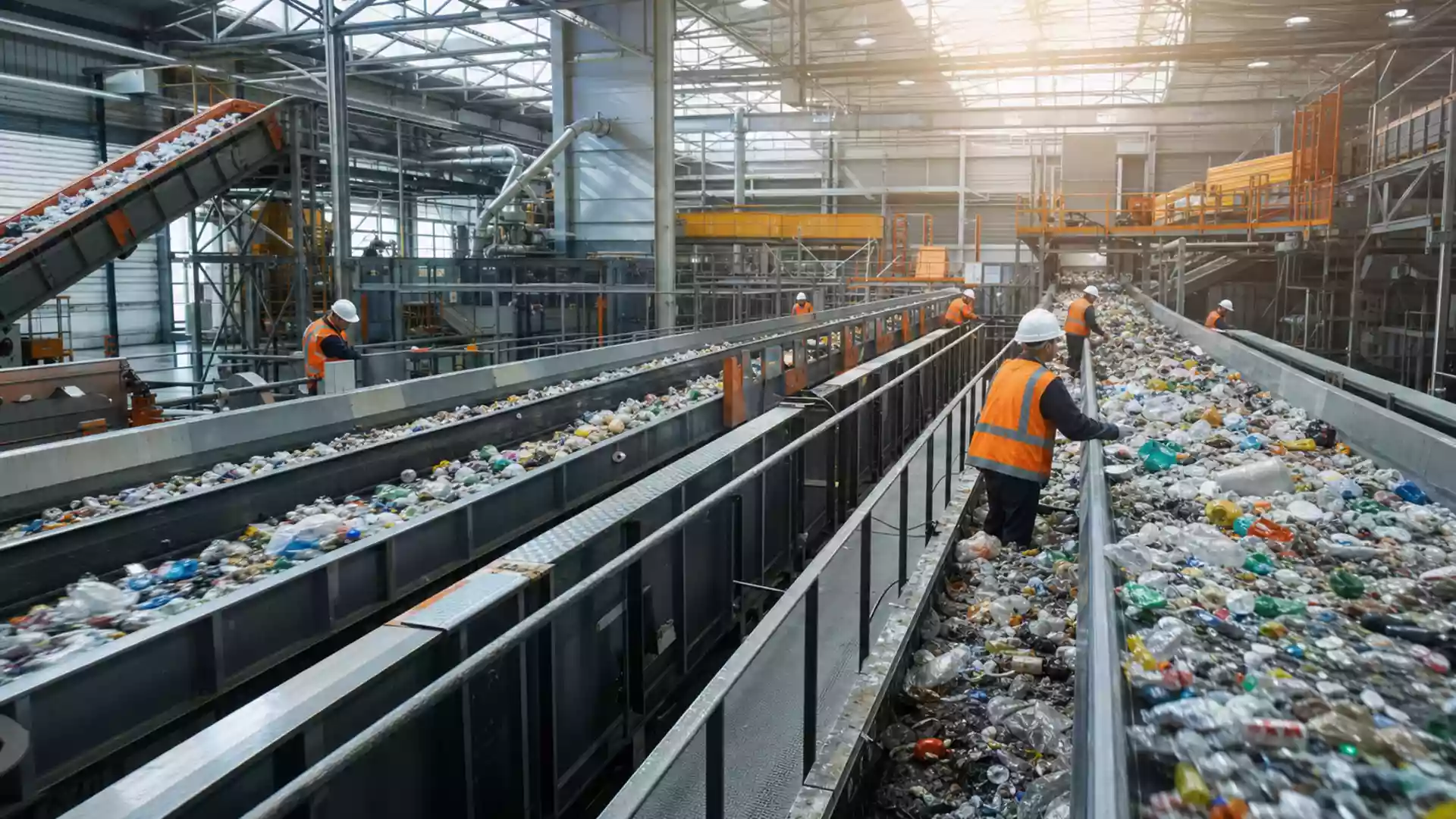
Beyond numbers, Waste Management has continued to invest in modern recycling and environmental services operations that support long-term growth. The company’s recycling facilities process paper, plastics, and metals collected from residential and commercial customers, using advanced sorting technologies to improve recovery rates and reduce contamination. These plants generate revenue both from collection services and from selling recovered materials into industrial supply chains, creating a diversified income stream that complements traditional landfill operations.
In parallel, the company’s landfill-gas-to-energy projects capture methane from waste sites and convert it into usable energy, either for onsite power generation or for injection into natural gas pipelines. This segment not only contributes revenue and cash flow but also aligns with regulatory and corporate sustainability objectives, potentially supporting premium valuations by reducing emissions and enhancing the company’s environmental profile. As guidance for 2026 has referenced ongoing investment in these initiatives, the market’s willingness to maintain a price far above intrinsic-value estimates may reflect expectations that such projects will deliver incremental growth and resilience over the coming years.
Shares consolidate at elevated levels
As of the latest completed New York trading session on August 25, 2026, Waste Management shares closed at $222.13, down 1.91 percent from the prior $226.46 level but still well above discounted cash-flow estimates centered on $133.33. This combination of a high absolute price, a documented $93.13 gap to intrinsic value, and ongoing debate about growth and cash generation defines the current state of Waste Management stock, leaving investors to weigh the benefits of a defensive business with strong environmental services against the risk that present valuations could limit future upside.
Read more
Further details on Waste Management’s business, financial performance, and sustainability initiatives can be found on the company’s own investor information resources, where management provides presentations, regulatory filings, and annual reports that elaborate on revenue trends, margin development, capital allocation, and long-term strategic priorities.
Core waste and recycling services
Waste Management’s core offering combines residential and commercial waste collection with recycling and landfill operations across the United States. Its fleet of collection trucks serves households, businesses, and municipalities under long-term contracts, providing predictable revenue streams while routing waste to company-owned transfer stations, recycling centers, and landfills. Sorting and processing facilities handle recyclable materials, while disposal sites manage residual waste under strict environmental and regulatory standards, creating a vertically integrated system that maximizes operational control and cost efficiency.
Closing view on Waste Management stock
Waste Management stock closed at $222.13 in regular New York trading on August 25, 2026, with that price level continuing to signal a premium valuation versus intrinsic-value estimates based on discounted cash flow analysis. For investors, the quantified spread between market price and calculated fair value, alongside the company’s established cash-generation profile and environmental-services investments, remains central to assessing how the shares may perform in future sessions.
Fact box
Company: Waste Management Inc.
ISIN: US94106L1098
Ticker: WM
Exchange: NYSE
Price (as of August 25, 2026, 4:00 p.m. ET): $222.13 USD
Sector / Industry: Industrials / Environmental services
Index membership: S&P 500