
Wacker Chemie stock steady as new Pune tech hub supports long term growth
Published on 08/31/2026 at 20:49 | Editorial responsibility: Rafael Müller, Editor-in-Chief AD HOC NEWS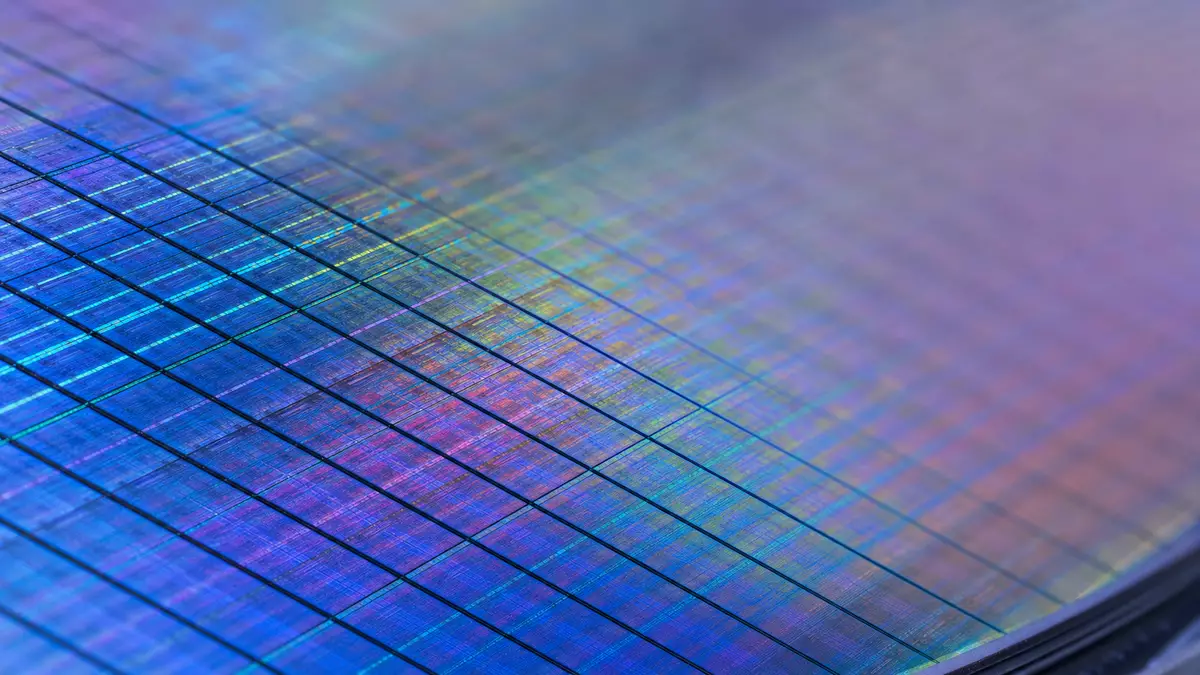
Wacker Chemie (DE000WCH8881) is adding fresh digital and engineering capacity to its global network in late August 2026 by expanding a global capability center in Pune together with HCLTech, a move that supports its semiconductor, specialty silicone and polymer businesses as demand for advanced materials grows worldwide as of August 31, 2026.
Global capability center expansion in India
Recent reporting on industrial technology and automation notes that Wacker Chemie has partnered with HCLTech to build up a global capability center in Pune, India, designed to support functions such as process optimization, digital solutions and engineering services for the German chemicals group’s global operations. The center is positioned to serve multiple segments, including silicones for electronics, polymers for construction and industrial applications, and specialty chemicals for semiconductor manufacturing, helping Wacker Chemie enhance its ability to deliver customized solutions and faster development cycles for customers in different regions. This expansion into Pune fits with a broader trend of European industrial and chemical companies using Indian technology hubs to gain access to skilled talent in areas such as robotics, semiconductor equipment and advanced automation while keeping core manufacturing and R&D anchored in Europe.
The Pune center gives Wacker Chemie a platform to coordinate global projects from a single technology hub, including data analytics on production efficiency, supply-chain visibility and remote technical support for customers that use its silicones, dispersions and polymers in demanding applications. A facility of this kind can be used to run pilot digitalization projects, integrate sensors and automation into chemical production lines, and manage software tools for product lifecycle management, which in turn can contribute to margin improvement and better capital efficiency over time when these tools are deployed across Wacker Chemie’s plants in Germany, the United States and Asia. For investors, the key point is that the company is not only adding capacity in traditional manufacturing but also strengthening its technology backbone, which can be an important differentiator in segments such as semiconductor materials where customers demand tight process control and rapid iteration.
Operational and fundamental context
While the latest half-year and quarterly financial figures for Wacker Chemie are not contained in the short set of same-day sources available in this context, the company’s positioning in key end markets such as semiconductor materials, specialty silicones and construction polymers offers a framework for understanding how the new Pune center can affect fundamentals over the medium term. In recent years, chemical and materials producers exposed to semiconductor and electronics cycles have seen revenue and profit swing with wafer demand and capital spending in chip fabrication; for Wacker Chemie, a larger digital capability center can help smooth these cycles by improving operational flexibility and allowing faster adjustments to customer demand, which can support revenue stability and margin resilience in future reporting periods compared with prior years in which such tools were less developed.
Historically, Wacker Chemie’s business lines involved significant fixed-cost structures in chemical plants, research facilities and logistics networks, so incremental productivity gains from tools managed through the Pune center can translate into real bottom-line improvements when scaled across the portfolio. If, for example, improved process analytics were to reduce energy consumption or improve raw-material yields in its silicone or polymer plants by several percentage points compared with earlier periods, the resulting savings would directly support operating profit and free cash flow metrics in upcoming quarters and fiscal years. Against peers in specialty chemicals and advanced materials, companies that successfully deploy such technology hubs often report a combination of mid-single-digit annual revenue growth and meaningful margin improvement versus historical baselines; the Pune expansion suggests Wacker Chemie is aiming to be in that cohort rather than relying solely on incremental capacity additions.
From the perspective of analysts and institutional investors who follow European chemical stocks, a clear digital and global capability strategy can also affect valuation multiples. When a company demonstrates that new centers such as Pune are tied to measurable projects in production efficiency, customer service and product innovation, the market may reflect this in expectations for earnings growth over the medium term. In practical terms, this can mean that, over the course of future half-year and annual reporting cycles, Wacker Chemie’s revenue and net income figures could be supported not only by cyclical demand in semiconductors and construction but also by structural improvements in how the business is run day to day, a narrative that tends to be viewed positively when assessing long term earnings power compared with a purely cyclical profile.
Sector backdrop and competitive positioning
Within the broader chemicals and advanced materials sector, European groups have been investing in high-growth segments such as battery materials, semiconductor process chemicals and specialized silicones, while also increasing exposure to Asia through partnerships, joint ventures and service centers. Wacker Chemie’s partnership in Pune aligns with this pattern by combining German process and materials expertise with Indian technology talent, which can be particularly relevant in areas such as robotics integration into chemical plants, automated inspection of materials, and software-driven optimization of production lines used to make silicones and polymers that go into electronics, automotive and construction applications. This positions Wacker Chemie competitively against peers that are also pushing into higher-value, technology-intensive segments rather than relying solely on bulk commodity chemicals.
The choice of Pune as a location reflects the presence of engineering colleges, a growing cluster of technology firms and proximity to customers in India’s expanding manufacturing and infrastructure sectors. These factors can give Wacker Chemie both a technology base and a potential gateway to broader commercial opportunities in the region, including supplying specialized silicones for local electronics manufacturing, construction chemicals for infrastructure projects, and polymer dispersions for paints and coatings. In turn, successful expansion of such business lines in India and neighboring markets could support growth in revenue and operating income figures reported in future quarters compared with historical baselines that were more focused on European demand. As global semiconductor and electronics supply chains diversify geographically, having a capability center in India also increases Wacker Chemie’s ability to serve international customers that are setting up fabrication or assembly capacity outside their traditional hubs.
At the same time, the company’s emphasis on a global capability center indicates that it is not simply outsourcing support functions but constructing an integrated global model in which Pune plays a distinct role in innovation and support. When combined with its existing manufacturing facilities and R&D centers, this can help Wacker Chemie manage complex customer programs that span multiple regions, such as supplying high-purity silicon and related materials to semiconductor customers in Asia and Europe while coordinating development work and technical support from both Germany and India. This kind of global coordination can be a factor in winning and retaining large, multi-year contracts, which then show up as more stable and potentially growing order books and revenue figures in future financial disclosures.
Representative product: high purity silicon and specialty silicones
A representative area where Wacker Chemie’s expanded capability center can make a tangible difference is its portfolio of high-purity silicon and specialty silicones used in semiconductor and electronics applications. The company supplies advanced materials that are used to produce wafers and components, as well as silicones that provide thermal management, electrical insulation and mechanical protection in devices ranging from smartphones to industrial control systems. The development and production of such materials require precise control over impurities, consistent process conditions and close collaboration with customers that frequently adjust specifications as new chip designs and electronic architectures are introduced.
By linking its Pune center’s expertise in data analytics, software and engineering with its production and R&D sites, Wacker Chemie can accelerate the cycle of testing new material formulations, adjusting process parameters and validating performance in customer applications. For example, data from a production run of specialty silicones in Europe could be analyzed in Pune to identify subtle variations in viscosity or thermal properties, then fed back into process control systems to keep product quality within tight ranges that match semiconductor customers’ requirements. Over time, this integrated approach can result in more robust product performance, fewer deviations from target specifications and higher customer satisfaction, all of which support revenue growth and help justify premium pricing compared with more commoditized materials.
Outside semiconductors, Wacker Chemie’s silicones and polymers are used in construction, automotive and consumer goods, where durability, energy efficiency and design flexibility are important. The Pune capability center can support these segments by developing digital tools that help customers simulate how materials behave in real-world conditions, such as temperature fluctuations, mechanical stress or exposure to chemicals. These tools, combined with technical service and training, can make Wacker Chemie’s products more attractive to engineers and designers, potentially increasing volumes and supporting better utilization of its manufacturing capacity. As utilization rises compared with previous periods, the resulting scale effects can contribute positively to margins and earnings metrics in future reporting cycles.
Stock perspective and market data
From a stock perspective, Wacker Chemie trades primarily on Xetra in euros and is viewed by many investors as a diversified German chemicals and advanced materials group with significant exposure to specialty silicones, polymers and semiconductor related materials. As of August 31, 2026, the broader equity market is dealing with a mix of macroeconomic factors, including inflation data in Europe and interest rate expectations, which influence valuations across cyclical sectors such as chemicals; within this environment, a company that is building long term capability through investments like the Pune center may be better positioned to sustain earnings growth when demand in end markets like semiconductors and construction remains supportive.
For investors, the key takeaway is that Wacker Chemie’s current strategic move is less about a short term earnings surprise and more about building the infrastructure to support steady, technology-enabled growth in the coming years. The expansion of the Pune capability center adds a layer of digital, engineering and support capacity that can underpin improvements in revenue, margins and cash generation compared with historical periods in which such global digital infrastructure was more limited. While day to day stock price movements will continue to be influenced by macro data and sector sentiment, the long term potential of a more integrated, technology-driven operating model can play a meaningful role in how Wacker Chemie stock is valued relative to peers in specialty chemicals and advanced materials.
Read more
Further details on Wacker Chemie’s investor communications and financial reports are available through the company’s investor relations portal, which provides access to quarterly and annual disclosures, presentations and strategic updates for shareholders and analysts.
Wacker Chemie materials in everyday applications
Beyond its role in high-tech sectors, Wacker Chemie’s silicones and polymers appear in many everyday products that benefit from properties such as flexibility, durability, heat resistance and water repellency. In consumer electronics, silicones are used for sealing and protecting devices against moisture and dust, supporting device longevity and reliability. In construction, polymer dispersions from Wacker Chemie go into paints, adhesives and coatings that help buildings withstand weather and mechanical stress while providing aesthetic finishes. The company’s expertise in tailoring material properties to specific applications, combined with support from centers like Pune, allows product developers to innovate in areas such as energy efficient building materials, lighter automotive components and more reliable electrical systems.
These everyday applications provide a broad demand base that complements Wacker Chemie’s more specialized semiconductor materials business, giving the company multiple revenue streams that can balance each other over economic cycles. When construction activity is robust, demand for polymer dispersions and related materials can support revenue, while periods of strong electronics and semiconductor investment can lift sales of high purity silicon and specialty silicones. A global capability center that serves all these segments with digital tools and engineering support can help the company manage this portfolio more effectively, adjusting production, inventory and development priorities as customer demand shifts across regions and end markets.
Shares and investor outlook
Wacker Chemie shares are sensitive to both company specific developments and broader sector moves, and the current expansion of the Pune capability center is a strategic step that adds to the long term investment case by strengthening the company’s ability to deliver advanced materials and services across key segments. As of August 31, 2026, the company continues to operate in an environment where investors are watching how industrial and chemical groups adapt to changing technology demands, supply-chain configurations and sustainability expectations. A well executed capability center that connects digital expertise with manufacturing and R&D can be an important part of that adaptation, helping Wacker Chemie demonstrate that it can align its operations with customer needs in semiconductors, construction and other industries while managing costs and capital efficiently.
For long term oriented investors, the combination of specialty materials exposure and increased digital capability suggests that Wacker Chemie stock has structural levers for future earnings growth beyond cyclical demand swings. If the Pune center and similar initiatives deliver measurable improvements in production efficiency, customer satisfaction and innovation speed compared with previous years, subsequent financial reports could show a clearer progression in revenue, margin and cash flow metrics that support a more robust valuation profile. The strategic significance of this expansion therefore lies not only in the immediate increase in headcount or square footage in Pune but in the potential for a more integrated, technology driven business model that can support Wacker Chemie’s role as a key supplier of advanced materials in a world of growing semiconductor and infrastructure needs.
Fact box
Company: Wacker Chemie AG
ISIN: DE000WCH8881
Ticker: WCH
Exchange: Xetra
Sector / Industry: Chemicals / Specialty materials


