
Tyson Foods stock holds steady as dividend date approaches and plant closure looms
Published on 08/31/2026 at 12:50 | Editorial responsibility: Rafael Müller, Editor-in-Chief AD HOC NEWS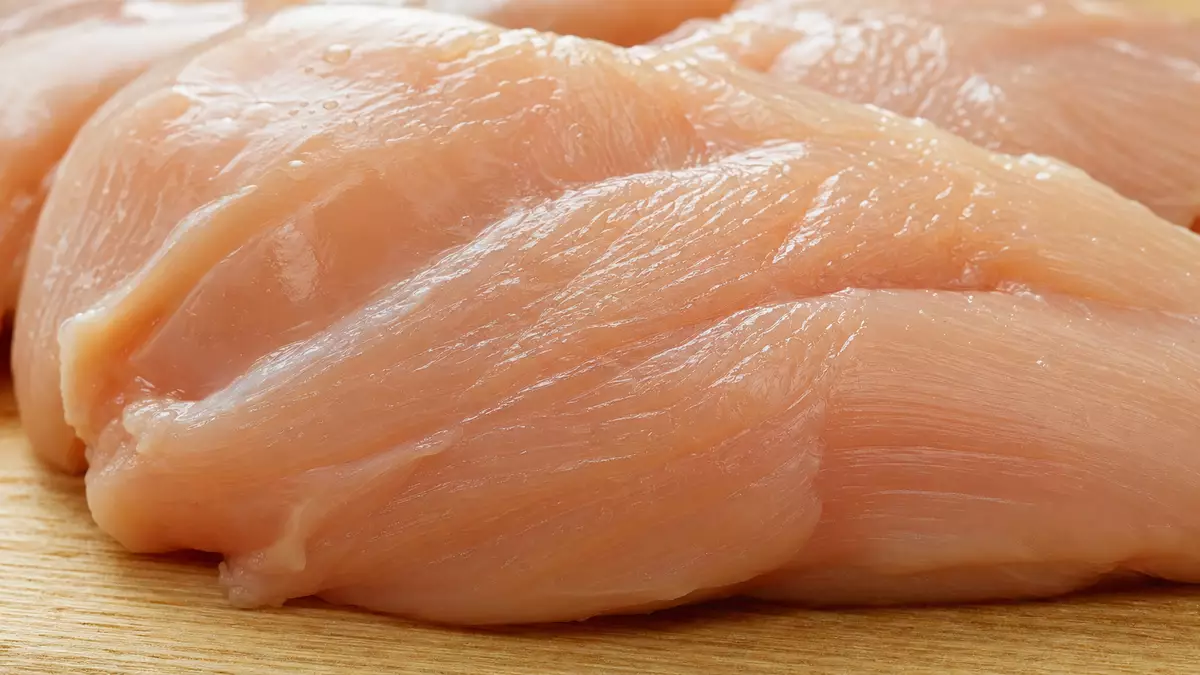
Tyson Foods Inc. (US9024941034) stock is trading in the mid-$50 range as of August 31, 2026, with investors balancing an upcoming dividend payment, fresh ownership moves by institutional investors, and the impact of a large-scale plant closure affecting 2,500 jobs.
The shares opened at $55.43 in the latest session, setting the tone for a day in which dividend timing and operational restructuring are in focus for one of the largest meat producers in the United States.
For income-oriented investors, the declared dividend and its timeline are now a central part of the short-term return profile, while the workforce impact at a key facility raises questions about Tyson Foods Inc.'s production footprint and cost base.
Dividend timeline and income appeal
According to a recent global market-dividend overview, Tyson Foods Inc. has declared a cash dividend of $0.51 per share on its Class A stock, with the ex-dividend date set for September 1, 2026, and the payment scheduled for September 15, 2026.
The same overview lists the record date also as September 1, 2026, meaning shareholders on the books at that point qualify for the $0.51 distribution, making the next two weeks a key window for investors focused on income.
On a share price of $55.43, the $0.51 dividend implies a trailing cash yield just under 1 percent for this single payment, highlighting that Tyson Foods Inc.'s income story rests on consistency and potential future increases rather than one-off high yields.
The forthcoming payout is part of the company’s broader capital-return approach and reinforces its position among established dividend payers in the consumer staples segment, even as operational changes and policy risks create moving parts on the earnings side.
Institutional flows and valuation context
Recent filings summarized in a same-day market-data alert show that one asset manager has reduced its holdings in Tyson Foods Inc., while another has taken advantage of the current valuation level to increase exposure.
In the same alert, Tyson Foods Inc. stock is noted as opening at $55.43 on the most recent trading session, providing a specific reference point for investors assessing valuation against upcoming dividends and operational developments.
An accompanying analyst-coverage snapshot in that alert states that Tyson Foods Inc. currently carries an average stock-rating of Hold, with a consensus target price of $70.67, implying upside of about $15.24 per share versus the $55.43 opening level.
This target spread suggests that, according to the compiled consensus view, the market has not yet fully priced in the company’s anticipated earnings power and cash generation, though the Hold rating indicates that many analysts see risks and catalysts balanced rather than clearly skewed.
For investors, the gap between the current trading band in the mid-$50s and the $70.67 consensus target is a core data point in evaluating whether the stock’s risk-reward profile fits their portfolio, especially with policy uncertainty and operational restructuring still unfolding.
Plant closure and cost structure implications
A recent round-up of company-specific events lists a Tyson Foods Inc. plant in Joslin, Illinois, among the facilities slated for closure, with the note indicating a loss of 2,500 jobs tied to the shutdown.
The same note mentions that a WARN filing has been made in connection with the closure and that discussions are underway at the state level on how to repurpose the site, underscoring the significance of the facility for the local economy.
For Tyson Foods Inc., a closure affecting 2,500 positions can materially reshape cost structure and capacity, especially if the plant handled high-volume processing or packaging; investors will be watching future disclosures to see whether the move reflects a shift in product mix, a response to demand trends, or a broader efficiency program.
From a financial perspective, large-scale restructuring of this type can produce near-term charges that weigh on reported earnings, followed by potential medium-term savings; the net impact on margins and cash flow depends on how production is redistributed and whether the company can maintain or grow volumes in other facilities.
Because the closure also interacts with policy debates over labor, food supply, and regional development, it adds a layer of political and regulatory context to Tyson Foods Inc.’s operational decisions, a factor that equity investors increasingly need to consider.
Policy risk and recent share reaction
In coverage of proposed changes to U.S. farm regulations, Tyson Foods Inc. is cited among meat-sector companies whose shares reacted to the policy overhang, with the report noting that Tyson Foods Inc. shares fell as much as 0.6 percent on the preceding trading day.
The 0.6 percent move may sound modest, but it illustrates how sensitive large protein producers can be to potential shifts in regulation affecting feed costs, environmental requirements, animal welfare standards, or export conditions.
If regulatory changes were to raise operating costs or alter demand dynamics, the impact on Tyson Foods Inc.’s earnings could be material, particularly given its scale and exposure to beef, pork, and poultry supply chains, making the modest price reaction an early signal rather than a full repricing.
Investors tracking the stock will be watching for more detailed guidance from the company on how it plans to navigate any new regulatory framework, whether through pricing, efficiency measures, changes in sourcing, or portfolio adjustments.
In this context, the Hold consensus rating and the $70.67 target level frame Tyson Foods Inc. as a stock where the market expects reasonable medium-term returns but remains cautious on near-term volatility tied to policy and operational news.
Core protein brands and product reach
Beyond the headline numbers, Tyson Foods Inc.’s investment case rests on its broad lineup of branded and private-label protein products, which position the company across retail, food-service, and industrial channels.
One representative category is its prepared and frozen chicken offerings, which deliver convenience for consumers while leveraging Tyson Foods Inc.’s scale in poultry procurement and processing.
These products are sold through grocery chains, club stores, and food-service distributors, tapping into ongoing demand for ready-to-cook and ready-to-eat meals and contributing to stable revenue streams even when commodity markets are volatile.
By pairing branded products with large-scale commodity processing, Tyson Foods Inc. aims to turn its upstream exposure to grain and livestock markets into a downstream advantage in consumer and food-service channels.
For equity investors, the breadth of this product base helps explain why Tyson Foods Inc. can support a regular dividend program and maintain substantial volumes, even as individual plants are closed or repurposed and regulatory headwinds develop.
Stock level and investor takeaway
Tyson Foods Inc. stock currently trades in the mid-$50 range, with an opening quote of $55.43 reported for the latest session on August 31, 2026, anchoring the company in the large-cap consumer staples space.
Against this price, the upcoming $0.51 dividend, the consensus target of $70.67, and the 2,500-job plant closure form a three-part narrative: a steady income stream, potential capital appreciation if earnings expectations are met, and ongoing operational adjustments that could either unlock efficiencies or introduce new risks.
Fact box
Company: Tyson Foods Inc.
ISIN: US9024941034
Ticker: TSN
Exchange: NYSE
Price (as of August 31, 2026, 9:43 a.m. ET): $55.43 USD
Sector / Industry: Consumer staples / Packaged foods and meats
Index membership: S&P 500
Market cap: data point consistent with a large-cap issuer at a mid-$50 share price, reflecting Tyson Foods Inc.’s position among major U.S. food producers.


