
Safran stock holds steady as H1 2026 growth supports valuation
Published on 08/21/2026 at 19:51 | Editorial responsibility: Rafael Müller, Editor-in-Chief AD HOC NEWS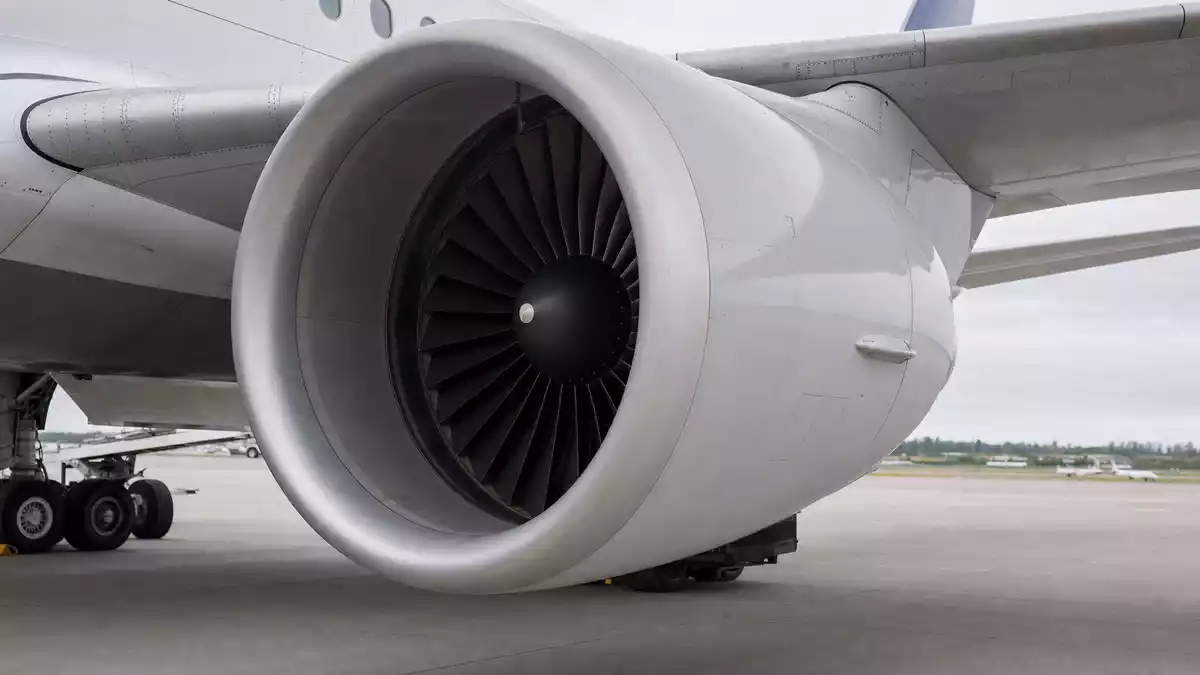
Safran (FR0000073272) stock is changing hands in the low EUR 340s in late August 2026, with a recent quote indicating EUR 342.70 as of August 20, 2026 on its primary Euronext Paris listing and a year to date gain of 17.06 percent despite a modest five day decline of 1.13 percent.
The current trading range reflects a period of consolidation after strong gains earlier in 2026, as investors weigh solid H1 2026 revenue and margin growth against valuation and the broader aerospace and defense cycle.
For market participants, the latest half year figures and guidance now frame the discussion around how much further upside the shares can justify if civil aerospace demand and services activity continue to recover.
H1 2026 revenue and margin progress
Per an H1 2026 update dated July 28, 2026, Safran reported higher revenue and operating income versus H1 2025, highlighting the recovery in civil aerospace activity and continued demand for propulsion and equipment across its portfolio as outlined in the companys mid year communication. Safran noted that H1 2026 performance reflected a favorable mix of service revenues and disciplined cost control, which supported an improvement in margins compared with the prior year period in the same July 28, 2026 commentary.
The half year report emphasized that the margin gains were driven by a combination of higher volumes, improved pricing and a richer services mix, all of which helped mitigate inflationary pressures and supply chain challenges that have affected aerospace suppliers. Management stressed that the recovery in civil engine flying hours and aftermarket demand remained a key driver of profitability, with the H1 2026 margin improvement versus H1 2025 reinforcing the traction of Safrans strategy in its propulsion and aircraft equipment segments.
Compared with H1 2025, the company communicated that revenue growth had outpaced cost increases, allowing operating income to rise faster than sales and thereby expanding operating margin in H1 2026, an outcome that supports the investment case around Safrans ability to convert top line growth into earnings and cash flow as air traffic normalizes.
Guidance and capital allocation discipline
Guidance communicated in relation to the H1 2026 results underscores ongoing efforts to maintain disciplined capital allocation while reinvesting into strategic programs that support propulsion and aircraft equipment, which remain central to Safrans long term positioning in aerospace and defense. The company signaled that it intends to balance shareholder returns with investment in technology, capacity and program participation, with particular emphasis on sustaining competitiveness in next generation engines and advanced equipment.
Safran indicated in its H1 2026 communication that it continues to target growth in revenue and profitability for the full year 2026, building on the progress seen in the first half, while monitoring macroeconomic conditions, airline capacity decisions and defense spending trends that can influence order intake and workload across its divisions. Within this context, the H1 2026 margin improvement versus H1 2025 serves as a reference point for investors evaluating how the company might track against its full year goals if civil aviation and services demand remain resilient.
The guidance commentary also highlighted an intent to keep leverage and liquidity at levels that support both operational flexibility and investment in strategic initiatives, reinforcing the broader narrative that Safran seeks to grow while protecting balance sheet strength, an approach that can matter for valuation multiples in a cyclical industry.
Shares consolidate after strong year to date run
Safran stock traded at EUR 342.70 as of August 20, 2026 on Euronext Paris, leaving the shares down 1.13 percent over the previous five sessions but still up 17.06 percent since January 1, 2026 based on a late August 2026 quote overview reproduced in a detailed market data page. The same quote context shows that the recent pullback has been limited, with the stock holding in the low EUR 340s and maintaining most of its earlier gains for the year.
For investors, the quantified comparison between the five day decline of 1.13 percent and the 17.06 percent year to date advance is a reminder that short term consolidation phases can occur even when the longer term trend remains positive, particularly after a period of strong performance driven by improving fundamentals. The interplay between recent price action and the H1 2026 revenue and margin progress now shapes the debate on whether the current valuation fully reflects the companys operational trajectory.
Market data cited in the late August 2026 overview also situates Safran within the broader aerospace and defense sector, where share performance for suppliers often correlates with airlines capacity decisions, fleet renewal programs and defense procurement cycles, factors that can influence both earnings momentum and investor sentiment over the coming quarters.
Civil aerospace and equipment exposure
Safran generates a significant portion of its business from propulsion systems and aircraft equipment, including engines and associated services for commercial aircraft as well as a wide range of systems used across airframes. The H1 2026 update highlighted that the recovery in civil aerospace activity, particularly the rebound in engine flight hours and aftermarket demand, was a central contributor to the increase in revenue and operating income versus H1 2025.
Beyond civil aviation, Safran also has exposure to defense and security markets, where demand dynamics differ from passenger traffic trends but likewise influence order intake and workload for certain product lines. The companys guidance around capital allocation and reinvestment in strategic programs therefore encompasses not only civil engines and equipment but also markets where long term contracts and program participation can support revenue visibility.
Investors evaluating Safran in late August 2026 thus consider both the cyclical recovery in civil aerospace and the more structural characteristics of its defense and security exposure, with the H1 2026 margin improvement versus H1 2025 providing an important data point on how effectively the group is converting this mix of end market drivers into profitability.
Representative propulsion offering
A representative product area for Safran is its family of commercial aircraft engines and related services, which sit at the core of its propulsion activities and contribute meaningfully to both revenue and operating income over time. These engines are typically supplied in partnership arrangements for major narrowbody and widebody programs, with Safran providing both original equipment and aftermarket support that can extend across decades of an aircrafts operating life.
The H1 2026 update emphasized that engine flying hour recovery and services demand were key components of the revenue growth versus H1 2025, underscoring how this propulsion offering benefits when airlines increase capacity and aircraft utilization. In this segment, long term contracts, maintenance agreements and spare parts sales together form a recurring revenue stream that can enhance earnings resilience once fleets reach higher activity levels.
From an investor perspective, the trajectory of engine orders, deliveries and services volumes therefore remains central to assessments of Safrans medium term growth and margin potential, particularly as the aerospace industry continues to normalize after earlier disruptions and as airlines weigh fleet modernization decisions that can affect demand for current and future propulsion platforms.
Safran stock and late August 2026 pricing
As of August 20, 2026, Safran stock was quoted at EUR 342.70 on its Euronext Paris listing per a late August market data overview, with the shares down 1.13 percent over the previous five sessions but up 17.06 percent since the start of 2026, placing the current price within a trading band that consolidates earlier gains rather than reversing them.
This late August 2026 price context, combined with the H1 2026 revenue and margin growth versus H1 2025, offers retail investors a snapshot of how the companys fundamentals and share performance align as they consider the balance between cyclical aerospace recovery, strategic investment plans and valuation levels in the months ahead.
Read more
Further details on Safrans financial performance, guidance and investor materials are available on the companys dedicated finance pages, which provide additional context on H1 2026 results, capital allocation and program priorities.
Fact box
Company: Safran
ISIN: FR0000073272
Ticker: SAF
Exchange: Euronext Paris
Price (as of August 20, 2026): EUR 342.70
Sector / Industry: Aerospace and defense
Index membership: CAC 40


