Rio Tinto stock extends iron ore rally as price holds near $100
Published on 08/20/2026 at 19:01 | Editorial responsibility: Rafael Müller, Editor-in-Chief AD HOC NEWS
Rio Tinto (GB0007188757) stock is trading close to the $100 mark in August 2026, with recent data showing the shares at $100.44 following a 3.9% gain as of August 19, 2026 on the CBOE venue. Recent coverage also points out that this level stands well above a modeled intrinsic value of $76.78, highlighting valuation tension for investors focused on long term fundamentals.
Same day quote data compiled on August 19, 2026 shows Rio Tinto at $100.47 on the CBOE close, up 3.91% on the session, while still down 4.29% year to date but ahead 20.82% over the prior twelve months. The CBOE overview highlights that the price move came in a period of stronger iron ore sentiment and a recovery across major mining names, suggesting that cyclical commodity demand rather than company specific news was the main driver of the latest leg higher.
Alongside the US listing context, home market data from Tradegate as of August 19, 2026 shows Rio Tinto at EUR 105.20, with a 2.33% gain on the day and a performance of 23.36% since the start of 2026. Quote information for the European venue underscores that the shares have given up 5.51% over the last five sessions, reflecting profit taking after a strong run and the sensitivity of the stock to short term changes in iron ore pricing and broader risk appetite.
Iron ore demand lifts miners
In the broader sector context, Rio Tinto is moving in step with other diversified miners as iron ore demand from China helps stabilize prices after recent volatility. A session review as of August 20, 2026 notes that Rio Tinto advanced 1.6% on the Australian market, in line with a recovery in the ASX 200 index that was led by major resources names. The ASX 200 recap highlights that miners advanced as a group, with another large peer gaining 2.5% and a gold producer posting a 24% profit jump, reinforcing the view that cyclical commodities and precious metals are benefiting simultaneously from a more supportive macro backdrop.
On the iron ore specific side, a separate market update dated August 20, 2026 indicates that Rio Tinto rose 3.88% to a level of US$100.44 in a trading session focused on iron ore proxies and Chinese steel demand. The iron ore recap presents a simple comparison grid where Rio Tinto at US$100.44 outperformed another major producer and a Brazilian miner, with gains of 3.88% versus smaller advances of 2.25% in one of the peers. For investors, this data point shows that Rio Tinto is leveraged to the same demand trends but can exhibit larger day to day swings when global liquidity concentrates in its stock.
Sector wide coverage of European trading on August 20, 2026 makes clear that the picture is still mixed, with the FTSE 100 opening 0.29% lower despite strong prior moves in miners. The FTSE 100 opening note points out that mining stocks, including Rio Tinto and another diversified miner, were slightly weaker in the early London session, with Rio Tinto described as falling marginally. This contrast between the stronger performance seen on the CBOE and in the iron ore focused recap and the softer UK open underlines how currency differences, venue specific flows, and local sentiment can all shape short term price moves for the same global stock.
Valuation and analyst consensus
From a valuation perspective, one key comparison highlighted on August 19, 2026 is the gap between the $100.44 market price and an intrinsic value framework that places fair value at $76.78. This valuation overview uses historical trading multiples, past business growth, and performance estimates to derive a GF Value of $76.78, implying that Rio Tinto is trading more than 30% above this model based estimate at the recent price. For investors who emphasize margin of safety, this discrepancy is a key data point, suggesting that the current market optimism around iron ore may already be reflected in the stock to a large extent.
Consensus data compiled as of the CBOE close of August 19, 2026 shows Rio Tinto at $100.47 with an average analyst target of $101.86, indicating limited upside from the present level on a one year view. The consensus and target price snapshot indicates that the shares have gained 23.25% since the start of 2026 in their home currency terms, even though shorter horizon five day changes are slightly negative. The relationship between the current price of $100.47 and the average target of $101.86 suggests that many analysts see the stock as fairly valued, with only a modest expected gain of roughly 1.4% from current levels based on their aggregated models.
Short interest data released on August 20, 2026 adds another angle to the sentiment picture. A short report table lists Rio Tinto with a short position value moving from 9.9 to 10.0 in the latest update, indicating a small increase in bearish positioning. The short interest table compares Rio Tinto to other names and shows that while the absolute level of short interest is moderate, it is trending slightly higher rather than lower. For investors this combination of a price close to target, a valuation level above modeled fair value, and persistent short interest underscores the balance between optimism on iron ore and caution on the cycle.
Operational and ESG context
Operationally, Rio Tinto remains heavily exposed to iron ore, aluminum, and copper, with most recent market commentaries emphasizing its role as a key supplier to Chinese steel mills. While detailed fresh financials for the first half of 2026 are not contained in the sources for this call, context provided by the iron ore recap and the ASX 200 overview makes clear that Rio Tinto is participating in the same demand upswing that is supporting its peers. The behavior of the shares in August 2026, with gains of 3.9% in a single CBOE session and a positive year to date performance, fits a narrative where global infrastructure and construction demand remain supportive even as macro uncertainties persist.
On the environmental, social, and governance side, the company continues to receive scrutiny around workplace culture and community relations. A report dated August 20, 2026 on broader mining sector issues mentions that Rio Tinto recorded a 24% rise in complaints to its internal care hub, pointing to an increase in employees using formal channels to flag concerning behavior. The governance report frames the 24% increase as part of a wider trend among miners addressing harassment and safety concerns, suggesting that Rio Tinto is trying to strengthen its internal reporting systems even as headline incidents at peers draw public attention.
For investors, this ESG dynamic interacts directly with valuation and risk assessments. A company that reports more complaints may be either experiencing more issues or creating a stronger environment for transparency; the article linking the 24% rise in complaints to broader efforts in the sector implies that changes in reporting mechanisms are an important part of the story. This matters for the stock because large asset managers increasingly incorporate ESG metrics into their allocation decisions, and any perception that Rio Tinto is lagging in governance or community engagement could affect demand for the shares over time, independently of pure commodity fundamentals.
Representative product and business model
One representative facet of Rio Tinto's business model is its iron ore operations in Australia, which form a major part of its revenue base and underpin its leverage to Chinese steel production. The company operates integrated mining hubs that extract, process, and ship iron ore to customers, with logistics chains that include rail lines, ports, and long term offtake agreements. When iron ore demand from China strengthens, as described in the August 20, 2026 iron ore recap where Rio Tinto gained 3.88% to US$100.44 amid stronger steel demand, these assets generate higher margins due to better pricing and utilization, directly supporting cash flow.
Beyond iron ore, Rio Tinto's portfolio includes aluminum smelting and bauxite mining, copper projects that support electrification trends, and a range of other industrial minerals used in construction and manufacturing. This diversified mix allows the company to smooth out some of the volatility inherent in commodity markets, though iron ore remains the dominant driver for earnings. In periods when iron ore prices are high, as reflected by the current share price climbing into the $100 zone and gaining more than 20% over the prior year on the CBOE listing, investors often focus on the sustainability of that demand, asking whether Chinese infrastructure and property activity can maintain the momentum or whether a cyclical downturn could pressure both prices and volumes.
Current price context for Rio Tinto stock
For US based investors looking at Rio Tinto through its CBOE listing, the most recent completed session captured in the available data is the August 19, 2026 close, where the shares ended at $100.47 after a 3.91% gain on the day. The sector consensus page shows that this move left the stock 0.66% below an intraday pre market reference level of $99.80 and that year to date performance on this venue was negative 4.29% despite a 20.82% advance compared with the same period the previous year. As of that session, the price sits just below the average analyst target of $101.86, suggesting that the stock is trading close to the center of expectations.
On the European Tradegate venue, the most recent quote data for August 19, 2026 shows a closing price of EUR 105.20, with a 2.33% gain on the day, a five day change of negative 5.51%, and a year to date gain of 23.36%. The Tradegate metrics highlight the divergence between short term and longer term trends, with the negative five day change reflecting recent profit taking and the positive year to date change emphasizing the broader strength of the stock in 2026. Taken together, the cross venue data indicates that Rio Tinto stock is valued in a tight band around $100 in US dollar terms, with performance numbers showing a strong rebound over the past year despite some recent softness.
Viewed against the GF Value estimate of $76.78 from the valuation overview, the current price of $100.44 to $100.47 implies that the market is valuing Rio Tinto at a premium of more than $23 per share versus that modeled fair value, or more than 30% higher. The GF Value comparison is one of several tools investors may use to judge whether the stock offers an adequate margin of safety at current levels. Combined with the consensus target of $101.86 and the modest increase in short interest from 9.9 to 10.0, the data supports a view that Rio Tinto is neither deeply undervalued nor overwhelmingly expensive based on the expectations embedded in analyst and investor models, but rather sits in a zone where new information on iron ore demand, ESG progress, or capital allocation could tilt sentiment in either direction.
Read-more
Further structured financial information, including detailed half year numbers, segment performance, and guidance updates, can be accessed through dedicated investor resources on Rio Tinto's official channels and major market data providers where the latest reports and presentations are compiled.
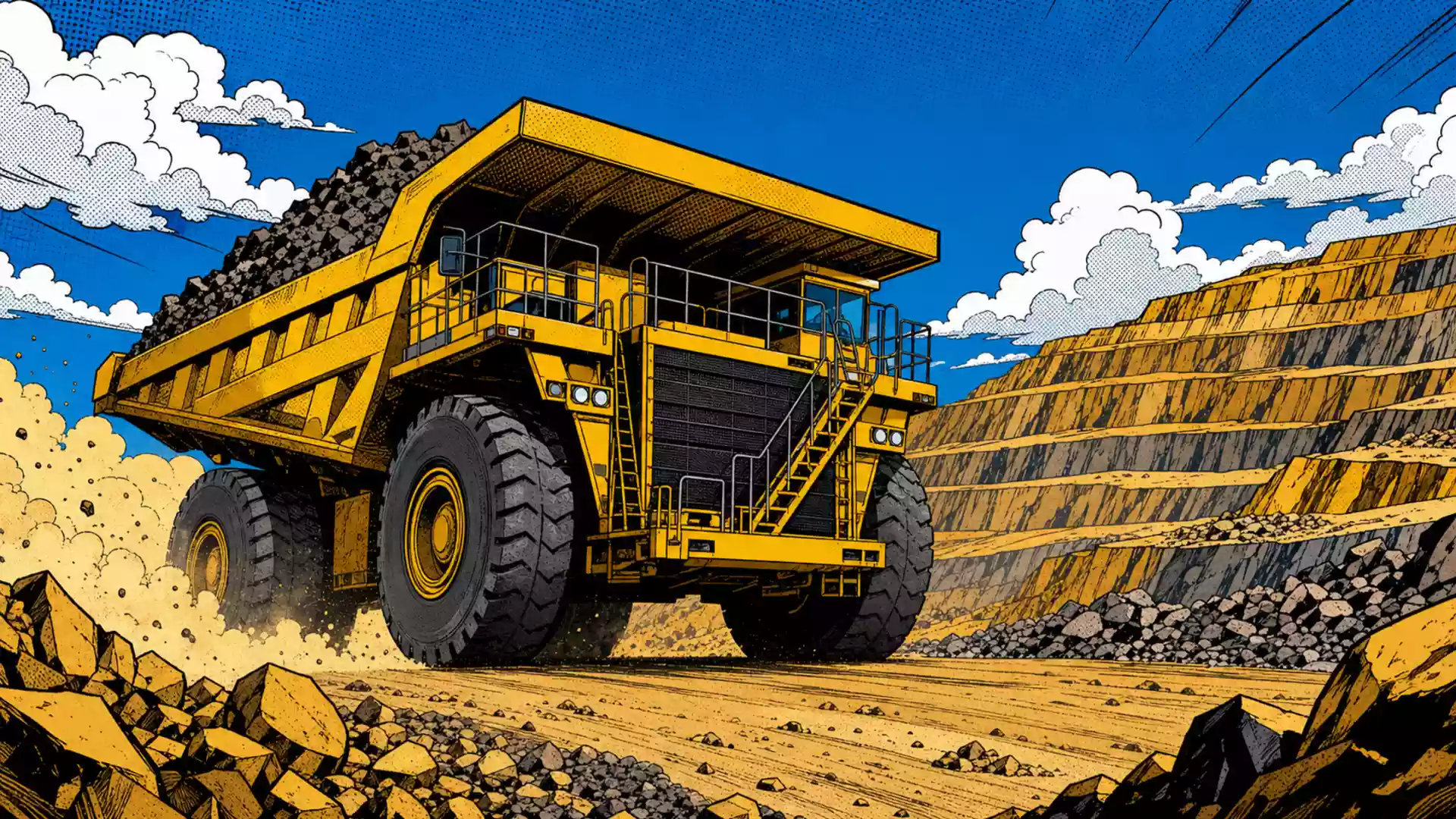
Rio Tinto iron ore operations
Rio Tinto's iron ore business in Australia, built around large scale mines and integrated logistics networks, remains central to its earnings power and underpins the sensitivity of the share price to Chinese steel demand and global construction trends.
Rio Tinto stock price snapshot
As of the completed CBOE trading session on August 19, 2026, Rio Tinto stock closed at $100.47, offering investors exposure to a major global miner whose valuation currently reflects strong iron ore demand and a nuanced balance between growth expectations and ESG risks.
Fact box
Company: Rio Tinto plc
ISIN: GB0007188757
Ticker: RIO
Exchange: CBOE US, London Stock Exchange, Tradegate
Price (as of August 19, 2026, 3:59 p.m. ET): $100.47 USD
Sector / Industry: Materials / Metals and Mining
Index membership: FTSE 100