
Kroger Co. stock slips as Citi flags short-term downside ahead of earnings
Published on 09/01/2026 at 21:36 | Editorial responsibility: Rafael Müller, Editor-in-Chief AD HOC NEWS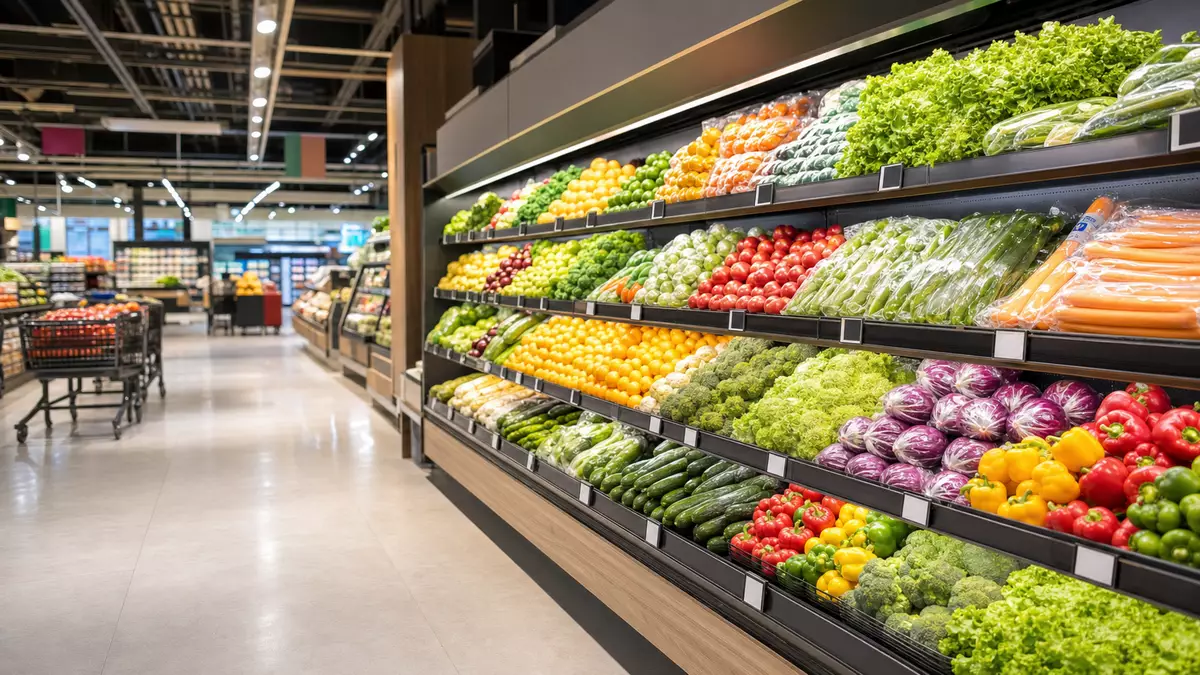
The Kroger Co. stock (ISIN US5010441013) is trading around the upper 50s in USD as of late August 2026, with recent data showing levels near 57.54 dollars on the New York Stock Exchange and modest intraday declines of about 0.3 percent as of August 31, 2026, according to price overviews compiled by MarketScreener.
Citi’s downside watch shapes sentiment before September 11 earnings
On September 1, 2026, Citi placed Kroger under a short-term downside catalyst watch ahead of the company’s second-quarter 2026 earnings report scheduled for September 11, highlighting the risk that intensifying price competition from Walmart could pressure comparable sales and margins, as described in an analysis referenced by Investing.com and related commentary on Bloombergs stock-movers overview. According to these assessments, Citi cut its price target for Kroger stock from 61 dollars to 57 dollars while maintaining a Neutral rating, effectively setting that 57-dollar level as a street-low target and warning of possible downside catalysts in the coming weeks.
In its preview of second-quarter results, the Citi research cited by Investing.com expects Kroger to deliver comparable and identical-store sales growth of about 1.0 percent for Q2 2026, broadly in line with market consensus, and forecasts earnings per share of roughly 1.05 dollars, again matching consensus expectations for the period. The same note signals that management may narrow and slightly lower full-year comparable-sales guidance, projecting a move from the existing 2026 range of 1.0 percent to 2.0 percent to a tighter corridor of 1.0 percent to 1.5 percent, with consensus currently clustered around 1.4 percent growth. On the earnings side, Citi anticipates that full-year EPS guidance could be adjusted from 5.10 to 5.30 dollars down to 5.00 to 5.20 dollars, compared with the present consensus of 5.20 dollars per share.
The competitive backdrop is central to this cautious stance. Citi highlights that Walmart has committed about 3 billion dollars to price investments, a scale that is significant against Kroger’s roughly 5 billion dollars of EBIT in recent reporting, suggesting sustained pressure on the grocer’s ability to protect margins if it matches these price cuts. In addition, commentary on Kroger’s first-quarter 2026 results cited in the same Investing.com coverage notes that comparable-sales growth slowed to around 1.0 percent year-on-year in Q1 2026 from 3.2 percent in the prior-year quarter, while free-cash-flow margins contracted, reinforcing the idea that growth momentum has moderated even before the current price war intensified.
Guidance, dividend and consensus targets provide a longer-term anchor
Despite Citi’s cautious tone, broader analyst consensus data show that Kroger Co. stock is still viewed constructively over a longer horizon. According to a same-day MarketBeat.com overview dated September 1, 2026, the company continues to guide full-year fiscal 2026 earnings per share in a range of 5.10 to 5.30 dollars, and equities analysts on average forecast EPS of around 5.21 dollars for the current year, signaling that consensus remains near the upper half of the anticipated band. The same MarketBeat summary describes the overall rating as a Moderate Buy and lists an average analyst price target of approximately 72.00 dollars per share, which implies a notable gap to the current market price in the high-50-dollar range.
MarketBeat’s data further show that Kroger recently raised its quarterly dividend to 0.39 dollars per share, up from 0.35 dollars previously, which translates into an annualized dividend of 1.56 dollars per share and an indicated yield of about 2.7 percent at share-price levels around 57.50 to 57.73 dollars. This combination of mid-single-digit EPS growth guidance and a near-3-percent dividend yield is one reason why some valuation models still see upside: for example, a GF Value estimate referenced by GuruFocus on September 1, 2026 puts Kroger’s fair value at about 67.67 dollars per share, roughly 15.0 percent above a contemporaneous market price of 57.54 dollars, suggesting potential re-rating room if guidance is maintained and competitive pressures prove manageable.
Price levels in late August and early September illustrate how these differing views intersect. MarketScreener data for the New York listing show a closing price of 57.54 dollars as of August 31, 2026, with the stock down about 0.31 percent on that day and opening around 57.50 dollars on the subsequent trading session. An earlier German-language article on ad-hoc-news.de dated September 1, 2026 cites a trading range of roughly 57.6 to 57.7 dollars per share around the end of August and notes that, at a price of about 57.73 dollars on August 31, 2026, the 1.56-dollar annual dividend equates to a yield near 2.7 percent and leaves a distance of almost 14.3 dollars, or about 19.8 percent, to a cited 72-dollar consensus price target. For investors, this quantifies the tension between near-term margin risks flagged by Citi and the longer-term valuation support implied by consensus targets and dividend policy.
More facts and figures on Kroger Co. stock
For investors who want to follow Kroger Co. stock more closely, our topic page bundles current news, price data and background on the grocer’s guidance and dividend policy.
Instacart-powered prescription delivery highlights Kroger’s digital push
Beyond the upcoming earnings release, one operational theme shaping Kroger’s medium-term story is the expansion of its digital and omnichannel offering. A Simply Wall St analysis dated September 1, 2026, discussing Kroger’s partnership with Instacart for prescription delivery, outlines that the company’s long-term forecasts would require around 2.3 percent annual revenue growth and an increase in earnings of roughly 2.2 billion dollars from about 1.0 billion dollars today to support a fair-value estimate of 70.71 dollars per share, implying about 23 percent upside from the then-current price. While these are model-based projections rather than formal company guidance, they underscore the strategic importance of initiatives such as digital pharmacy and same-day delivery in sustaining modest top-line growth and improving profitability over time.
In practice, Instacart-powered prescription delivery adds another layer to Kroger’s health and wellness offering, which already includes in-store pharmacies and clinics. For customers, the ability to order prescriptions via a digital interface and have them delivered quickly strengthens loyalty and differentiates Kroger from pure-play discounters competing primarily on price. For the company, every incremental digital order deepens customer data, improves cross-selling opportunities into grocery and household categories, and can support higher average basket sizes, all of which are helpful when the core grocery segment faces intense competition.
Stock performance and valuation in the US and against DACH peers
From a market perspective, Kroger stock remains a large-cap defensive consumer name within the US grocery segment, trading on the New York Stock Exchange under the ticker KR. While the main listing is in New York and denominated in USD, European investors often view Kroger alongside DACH-region consumer staples peers such as REWE’s listed competitors or major Swiss and German food retailers that occupy similar defensive roles in portfolios. The late-August price zone around 57.50 to 57.73 dollars places Kroger below the midpoint of many analyst valuation ranges but within a band that still reflects its substantial market capitalization and role as a core holding in consumer portfolios.
Valuation tools referenced by GuruFocus on September 1, 2026, which show a GF Value of 67.67 dollars compared with a spot price near 57.54 dollars, imply that the market is discounting the company by roughly 15 percent relative to that fair-value estimate. At the same time, a dividend yield of about 2.7 percent and earnings guidance in the low-5-dollar range per share mean that total-return expectations are a blend of modest earnings growth and ongoing cash distributions rather than rapid expansion. For investors comparing Kroger to DACH consumer staples, these figures can serve as a benchmark: the yield sits in line with many European grocery chains, while EPS growth expectations and margin risks from price competition echo themes seen among German and Swiss retailers navigating discount wars.
Kroger’s core grocery offering and customer appeal
At the product level, Kroger’s core business remains its extensive network of supermarkets and multi-department stores under the Kroger banner and other regional brands, complemented by private-label lines and health-focused assortments. One representative product category that illustrates the company’s positioning is its Kroger-brand organic fresh produce, which caters to customers seeking healthier options at prices typically below national organic brands. This segment ties directly into the broader trend toward affordable wellness, giving Kroger a lever to defend basket size even in a price-sensitive environment.
Organic and fresh categories also interact with the company’s digital initiatives. Customers who use Instacart-powered delivery or Kroger’s own online ordering platform increasingly add fresh items to their baskets, and consistency in quality is critical to retaining those orders. In a setting where Walmart’s 3-billion-dollar price investments loom large, Kroger’s ability to combine competitive pricing with differentiated fresh and organic offerings is likely to play a crucial role in its second-quarter 2026 performance and in whether management can maintain or only modestly trim full-year guidance when it reports on September 11, 2026.
Kroger Co. stock level and investor view
As of August 31, 2026, Kroger Co. stock closed at 57.54 dollars on the New York Stock Exchange, according to price data compiled by MarketScreener, implying an annual dividend yield of about 2.7 percent based on the recently increased 1.56-dollar payout and leaving around 19.8 percent potential upside to a 72-dollar consensus price target cited in recent analyst overviews. With second-quarter 2026 results due on September 11, 2026, the coming days will show whether the downside risks identified by Citi are enough to push the stock closer to the 57-dollar street-low target or whether stable guidance and continued dividend support help it move back toward the mid-60-dollar valuation band highlighted by other models.
Kroger Co. stock facts
- Company: The Kroger Co.
- ISIN: US5010441013
- Ticker: KR
- Trading venue: NYSE
- Price (as of August 31, 2026): 57.54 USD
- Market capitalization: large cap consumer retailer (as of late August 2026)
- Sector / Industry: Consumer Staples / Food Retail
- Index membership: S&P 500


