
Kering stock steadies as investors digest first-half 2026 reset
Published on 08/26/2026 at 13:56 | Editorial responsibility: Rafael Müller, Editor-in-Chief AD HOC NEWS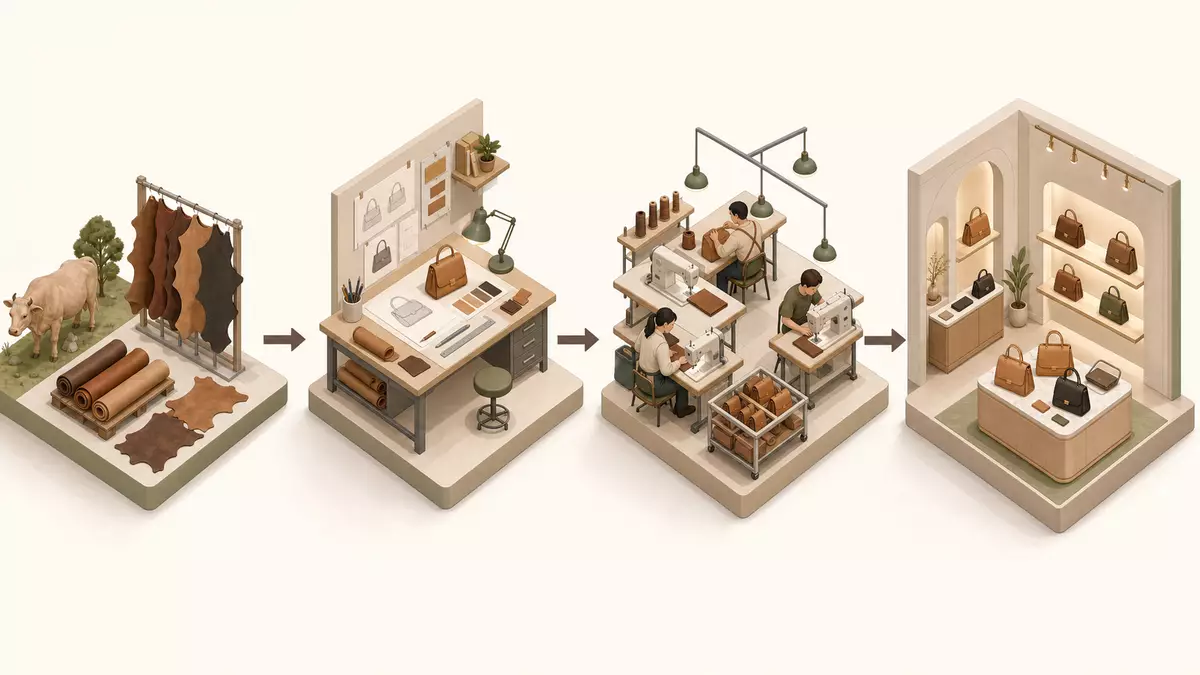
Kering (FR0000121485) stock traded in a relatively narrow band on Euronext Paris in late August 2026 as investors continued to assess the group’s first-half 2026 reset of its luxury portfolio and the latest trading signals from its key Gucci brand as of August 26, 2026.
First-half 2026 reset under scrutiny
Per a recent corporate update, Kering framed its first-half 2026 actions as a reset of its luxury portfolio, highlighting efforts to realign brands and cost structures to support future growth in an environment of slower demand for high-end goods. This update noted that first-half 2026 revenue and profitability trends reflected pressure in some categories but also early signs of improvement in others, underlining the uneven performance across the group’s houses in the latest reporting period. Within that same communication, management emphasized that the reset aims to restore a more balanced growth profile over time, suggesting that the benefits may emerge progressively rather than in a single quarter.
The reset narrative arrives against a softer backdrop for European luxury stocks more broadly in August 2026. A recent market overview pointed out that Kering shares declined 3.3 percent in one session as luxury names lagged regional benchmarks while investors reassessed sector valuations after a strong multiyear run. The same report underlined that the sector’s short-term underperformance is tied in part to concerns over demand normalization and shifting consumer behavior in key markets such as China.
Gucci trends and brand mix in H1 2026
Within Kering’s portfolio, Gucci remains the most closely watched brand, and its recent sales pattern has been a focal point for investors evaluating the first-half 2026 reset. One recent analysis noted that Gucci’s comparable revenues in the second quarter of 2026 declined by 2 percent, an improvement from the 8 percent drop recorded in the first quarter of 2026. This progression suggests that while Gucci has not yet returned to positive growth, the pace of contraction has moderated between the first and second quarters of 2026, which some investors interpret as a sign that the brand’s deterioration may be stabilizing.
The same coverage highlighted that Gucci continues to represent the most sensitive point within Kering’s brand mix since it remains a major contributor to group earnings despite the recent softness. The improvement from a negative 8 percent comparable sales change in the first quarter of 2026 to a negative 2 percent outcome in the second quarter of 2026 provides a clear numerical comparison that supports the narrative of gradual stabilization. For investors, the change in the slope of decline can matter more than the absolute level of growth, because it can signal a potential inflection ahead if brand initiatives and product refreshes gain traction over subsequent periods.
Across the broader portfolio, the first-half 2026 communication underscored that performance differed significantly by label, with some brands showing resilience and others facing ongoing pressure. This uneven pattern reinforces the rationale for Kering’s reset, which seeks to reweight investments, refine distribution channels, and adjust cost structures so that the group is less dependent on a single fashion house. The company’s strategy therefore hinges not only on stabilizing Gucci but also on nurturing growth in other labels to diversify earnings over the medium term.
Market data and short-term trading dynamics
Recent market data illustrate how Kering stock has reacted to these evolving fundamentals in late August 2026. One detailed snapshot reported that on August 24, 2026, Kering shares closed at EUR256.15 on Euronext Paris, representing a 0.73 percent gain compared with the prior close of EUR254.30, with the session opening at EUR254.90. The same trading overview noted that on August 25, 2026, Kering shares were quoted at EUR250.70, showing a daily decline of 1.97 percent and a trading value of EUR13.81 million, which points to an increase in activity as the price pulled back from recent levels.
Looking at the short recent window, that overview also indicated that from a recent high of EUR260.00 on August 19, 2026, to the intraday quote of EUR250.70 on August 25, 2026, Kering stock lost EUR9.30, corresponding to a decline of 3.6 percent over this six-day period. This quantified comparison shows how the shares have eased from a local high while still trading in a relatively contained range. The combination of a modest gain on August 24, 2026, followed by a steeper drop on August 25, 2026, underlines that the market is still debating how to price the balance between near-term pressure on profits and potential medium-term benefits from the strategic reset.
Another market-data source focusing on August 26, 2026, provided intraday bid and ask prices that help contextualize the latest trading conditions. This pricing overview showed a bid of EUR252.00 and an ask of EUR252.15 for Kering shares as of 8:46 a.m. Central European Summer Time on August 26, 2026, with a quoted intraday change of EUR4.80 equivalent to a 1.94 percent move at that time. The same snapshot noted a recent intraday range between EUR252.25 and EUR247.85, implying that the stock continued to oscillate within a roughly 4.40-point band on that session as liquidity providers updated their quotes during the early part of the trading day.
A separate note referencing European markets highlighted that Kering shares fell 3.3 percent in one recent session as luxury stocks underperformed following sector-wide concerns. This commentary framed Kering’s move in the context of broader weakness in European luxury names, indicating that macro factors and sentiment toward discretionary spending played a role in the stock’s short-term trajectory. For investors, this underscores that Kering’s share price in late August 2026 has been shaped not only by company-specific news but also by sector rotation and global risk appetite.
China exposure and regional outlook
China remains a critical region for Kering’s brands, and recent coverage of the luxury sector’s performance there adds another layer to the investment narrative. One article on European luxury houses noted that corporate earnings forecasts point to a potential turnaround in the region toward the autumn of 2026, despite reports that July 2026 retail sales across the top 25 luxury labels declined more than 10 percent under tighter scrutiny on offshore wealth. In that context, the same report stated that Kering expects sales in the region to return to positive growth by the fourth quarter of 2026, reflecting management’s view that trading conditions improved steadily through the latest reporting period and could continue to normalize.
Complementing this outlook, another sector-focused piece on China’s luxury landscape highlighted that business at two dozen of the biggest luxury labels declined more than 10 percent in a recent month after authorities announced measures aimed at reclaiming tax revenues and curbing capital outflows. This discussion pointed specifically to brands under major groups, including Kering’s Gucci, as being affected by the evolving regulatory and demand environment, while also arguing that embracing secondhand platforms could offer a way to sustain engagement with younger consumers. For Kering, the combination of short-term demand softness and a strategic pivot toward more diversified channels in China suggests that execution in this market will remain central to the group’s narrative through late 2026 and beyond.
These China-related dynamics tie back to Kering’s first-half 2026 reset, since the group’s plan to realign its portfolio and sharpen its positioning must account for how quickly demand in key regions such as China, Europe, and the Americas returns to steady growth. The expectation of positive regional sales growth by the fourth quarter of 2026 provides a concrete timeline for when investors might start to see a clearer impact from Kering’s strategic and operational adjustments, but the actual outcome will depend on both macroeconomic conditions and the success of brand-level initiatives.
Representative product and brand positioning
A representative product area that illustrates Kering’s positioning in the luxury landscape is Gucci’s high-end leather goods, which span handbags, small leather accessories, and footwear. These products are designed to blend heritage motifs with contemporary design elements, supporting the brand’s status as a symbol of fashion-forward luxury while also serving as key revenue drivers within Kering’s portfolio. The appeal of such items relies not only on craftsmanship and materials but also on the strength of the brand’s creative direction, marketing campaigns, and integration with digital channels.
In the first half of 2026, the performance of Gucci’s leather goods and related categories has been closely watched as a gauge of both brand momentum and consumer appetite for discretionary high-ticket items. The reported shift from an 8 percent comparable sales decline in the first quarter of 2026 to a 2 percent decline in the second quarter of 2026 suggests that the combination of refreshed product lines, targeted marketing, and adjusted distribution may be slowly regaining traction with shoppers. For Kering, sustaining and amplifying this trend across flagship products such as signature handbags and sneakers will be a key test of whether its reset can translate into durable top-line and margin improvements.
Kering stock and late-August 2026 snapshot
As of August 24, 2026, Kering stock closed at EUR256.15 on Euronext Paris, rising 0.73 percent compared with the previous close of EUR254.30, according to a detailed market-data overview that also cited an opening price of EUR254.90 for that session. Subsequent trading information showed that on August 25, 2026, the shares were quoted at EUR250.70, with a daily change of negative 1.97 percent and a trading value of EUR13.81 million, while a recent high of EUR260.00 recorded on August 19, 2026, implies a short-term decline of 3.6 percent from that level to the August 25, 2026 quote.
Intraday pricing on August 26, 2026, indicated that Kering shares were bid at EUR252.00 and offered at EUR252.15 at 8:46 a.m. Central European Summer Time, with an indicated intraday move of EUR4.80 corresponding to a 1.94 percent change and a range between EUR252.25 and EUR247.85. Taken together, these figures show that the stock has been oscillating within a relatively tight band in late August 2026 while investors digest the implications of the first-half 2026 reset, the evolving trajectory of Gucci’s sales, and mixed signals from key markets such as China.
Read more
Investor Relations: Kering finance overview
Gucci leather goods as a flagship line
Gucci’s leather goods collection, including iconic handbags, wallets, and belts, stands as one of Kering’s flagship product lines within the broader luxury segment. These products often feature the brand’s signature patterns, hardware, and design codes, helping to reinforce brand recognition and justify premium pricing in markets across Europe, the Americas, and Asia. In recent years, Gucci’s leather goods have also benefited from collaborations and limited-edition releases, which have been used to create scarcity and maintain consumer interest in a competitive landscape.
During the first half of 2026, the performance of this leather goods segment has been embedded within Gucci’s overall comparable sales trajectory, which moved from an 8 percent decline in the first quarter of 2026 to a 2 percent decline in the second quarter of 2026. This improvement suggests that key categories such as leather goods may be stabilizing, even if they have not yet returned to outright growth. For Kering, the continued strength and desirability of Gucci’s core product lines remain essential to supporting the broader success of the group’s first-half 2026 reset and its ambition to achieve a more balanced and sustainable growth profile over the coming quarters.
Shares trade in a contained range
In late August 2026, Kering stock continues to trade on Euronext Paris within a contained range, with a closing level of EUR256.15 on August 24, 2026, and a subsequent quote of EUR250.70 on August 25, 2026, alongside intraday quotes on August 26, 2026, indicating bid and ask levels of EUR252.00 and EUR252.15 respectively during the morning session. These figures point to a stock that is adjusting to new information about the company’s first-half 2026 reset and Gucci’s improving yet still negative comparable sales trend, while also reflecting broader sector pressures affecting European luxury names in the same period.
Fact box
Company: Kering SA
ISIN: FR0000121485
Ticker: KER
Exchange: Euronext Paris
Price (as of August 24, 2026, 4:00 p.m. ET): EUR256.15
Sector / Industry: Consumer discretionary / Luxury goods


