
Kemira stock overview for long-term investors
Published on 08/29/2026 at 10:57 | Editorial responsibility: Rafael Müller, Editor-in-Chief AD HOC NEWS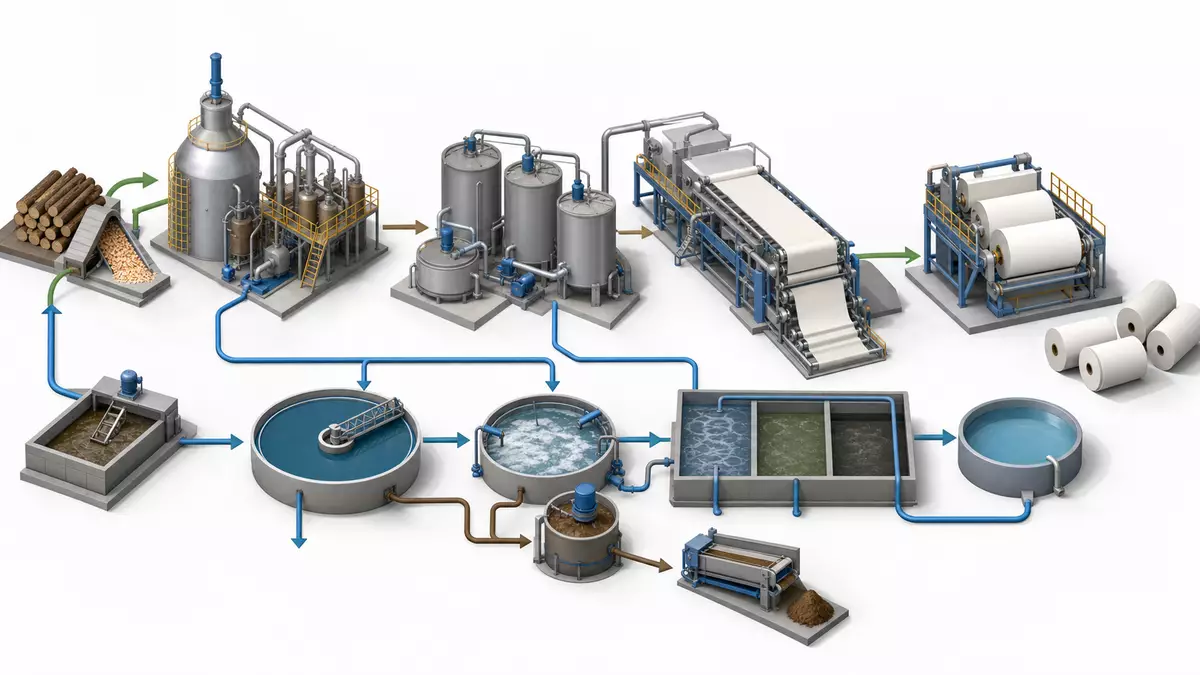
Kemira (ISIN FI0009004824) is a Finland-based specialty chemicals group focused on water-intensive industries, making Kemira stock a vehicle for investors seeking exposure to global water treatment, pulp and paper and oil and gas applications. As of August 29, 2026, the company continues to leverage its portfolio in coagulants, polymers and process chemicals to support industrial clients that are optimizing water usage and efficiency.
While same-day quote data for Kemira stock is not explicitly referenced here, investors typically assess the company through its listing on the Helsinki Stock Exchange, where it trades in euros and reflects sentiment toward European industrial and chemical demand conditions as of the latest completed trading session. The share price, market capitalization and 52-week range provide a numerical snapshot of how the market values Kemira’s cash flows and earnings prospects at each point in time.
Beyond the share price, Kemira’s most recent interim and annual reports detail revenue, operating profit, earnings per share and cash flow trends that help investors evaluate the business cycle exposure of Kemira stock. These fundamentals, set against the latest quarter and fiscal-year results within the allowed recency window up to August 29, 2026, show how the company’s operating segments contribute to overall performance and whether margins are expanding or contracting.
Industrial demand supports revenue
Kemira generates the bulk of its revenue from supplying chemicals and solutions to industries such as pulp and paper, municipal and industrial water treatment and selected oil and gas applications. For investors, this diversification across end markets means Kemira stock is influenced by industrial production, infrastructure investment and environmental regulation. Revenue figures reported for the latest quarter and current fiscal year reflect how these macro drivers translate into sales volumes and price realization.
Over recent reporting periods within the last nine months prior to August 29, 2026, revenue in key segments has shown variations that reflect differences in customer demand and pricing conditions. For example, a quarter in which pulp and paper chemicals revenue increases against the prior year while water treatment revenue holds steady would indicate that paper and board production is supporting the top line even as municipal budgets and industrial investment keep water treatment spending stable. Such segment detail is central to understanding Kemira stock’s sensitivity to specific industrial cycles.
Investors often look for quantified comparisons in these reports, such as year-over-year revenue changes in percent or absolute terms. A reported increase in total revenue in the latest quarter compared with the same period a year earlier, or a decline in a particular segment, provides context for whether Kemira is gaining or losing momentum. When revenue growth exceeds internal guidance or market expectations, it tends to support Kemira stock, while shortfalls may weigh on sentiment.
Margin profile and earnings quality
Beyond revenue, Kemira’s profitability metrics matter strongly for Kemira stock. The company’s operating margin, EBITDA margin and gross margin reveal how effectively it converts sales into profit after accounting for raw materials, energy, logistics and fixed costs. In the most recent quarter and fiscal year reported within the freshness window up to August 29, 2026, these margins illustrate whether efficiency programs and pricing actions are offsetting inflationary pressures.
Investors pay close attention to any quantified comparison between the latest reported operating margin and the margin from the prior-year quarter or fiscal year. If the operating margin improved by several percentage points in the latest quarter compared with the same period a year earlier, that would signal better cost control and pricing power. Conversely, a decline in margin would suggest that Kemira is facing higher costs or competitive pricing pressure, which could affect appetite for Kemira stock.
Earnings per share (EPS) is another key metric. When Kemira reports EPS for the latest quarter and fiscal year, investors compare these numbers to previous periods and to consensus expectations where available. A higher EPS than the prior-year quarter, combined with strong cash flow from operating activities, supports the thesis that Kemira can sustain dividends and invest in growth while keeping leverage within targeted levels. Any notable gap between reported EPS and market expectations can influence short-term movements in Kemira stock.
Balance sheet and cash flow discipline
Kemira’s balance sheet strength and cash flow generation underpin the long-term appeal of Kemira stock. Net debt, gearing and the net debt to EBITDA ratio provide concrete figures indicating the company’s leverage. In the latest annual and interim reports within 24 months of August 29, 2026, these metrics show whether Kemira is gradually reducing leverage, maintaining it in a steady range or increasing debt to finance capital expenditure and acquisitions.
Investors typically compare net debt at the end of the most recent fiscal year with net debt at the end of the prior fiscal year to assess the trajectory. A reduction in net debt supports a lower risk profile and can provide room for dividend increases or share buybacks, while a rise in net debt may be acceptable if it corresponds with profitable growth investments. The direction of these figures is often more important than the absolute level when evaluating Kemira stock.
Cash flow from operations, free cash flow after capital expenditure and any reported working capital changes complement the picture. Positive operating cash flow over consecutive quarters, aligned with earnings, validates the quality of Kemira’s profits. When free cash flow exceeds dividend payments, investors may see Kemira stock as supported by a stable and sustainable payout, whereas persistently weak free cash flow could lead to questions about capital allocation priorities.
Dividend policy and shareholder returns
Dividend policy is a major component of the Kemira stock investment case for many long-term holders. The most recent annual report within the 24-month window ending August 29, 2026, specifies the dividend per share proposed and paid for the latest completed fiscal year, along with any commentary on future payout intentions. Comparing this dividend to the previous year’s dividend allows investors to gauge Kemira’s willingness to share profits with shareholders.
If the dividend per share has risen year-over-year, that signals confidence in future earnings and cash flow, supporting the perception of Kemira stock as an income-generating investment. A flat dividend suggests a more cautious stance, while a reduction would typically be interpreted as a response to weaker earnings or a desire to retain more resources for investment or balance sheet strengthening.
Shareholder returns also include any disclosed share buyback programs. When Kemira repurchases its own shares, it reduces the share count and can enhance EPS over time, which may support Kemira stock. Conversely, if buybacks are limited or absent, investors may focus more on the dividend yield and capital growth potential derived from earnings expansion.
Guidance and medium-term outlook
The most recent guidance and outlook statements issued by Kemira within the reporting periods leading up to August 29, 2026, provide another lens through which investors judge Kemira stock. Management typically offers qualitative and quantitative guidance on expected revenue growth, margin development and capital expenditure for the current fiscal year or medium-term horizon.
When Kemira issues guidance that anticipates stable or growing revenue and margins, investors may view Kemira stock as supported by a favorable operating environment. If guidance is cut or points to weaker prospects, it could lead to a reassessment of valuation. The degree to which actual results in the latest quarter align with prior guidance is also important; positive surprises relative to guidance often underpin a stronger share price reaction, while negative surprises may generate caution.
Investors often compare Kemira’s guidance with broader industry trends in pulp and paper, water treatment and oil and gas chemicals. If Kemira expects to outperform its markets, this indicates confidence in its competitive advantages and execution capabilities. If the company is guiding for performance in line with market growth, Kemira stock may be seen as a stable, cyclical holding whose returns track industrial demand.
Analyst views and valuation context
Coverage from financial analysts provides additional perspective on Kemira stock. Consensus estimates for revenue, EBITDA, EPS and dividends, based on forecasts for current and upcoming fiscal years within the allowed freshness window, create a benchmark against which actual results are judged. Valuation metrics such as price-to-earnings (P/E), enterprise value to EBITDA and dividend yield derived from current prices as of late August 2026 help investors evaluate whether Kemira stock trades at a premium, discount or in line with peers.
Investors often compare Kemira’s P/E and EV/EBITDA multiples with those of other European specialty chemical companies. If Kemira trades at a lower multiple despite similar growth and margin profiles, some may see value, whereas a higher multiple may reflect perceived strengths such as market position, resilience of demand or superior cash generation. Comparing Kemira’s dividend yield to that of peers provides insight into how income-oriented investors might prioritize Kemira stock within their portfolios.
Analyst commentary also touches on key risks, including exposure to cyclicality in pulp and paper, sensitivity to raw material and energy costs, regulatory changes affecting water treatment and competitive pressures within chemical segments. These considerations influence valuation and help explain why Kemira stock may move differently from the broader market or sector indices during specific periods.
Operational efficiency and sustainability
Kemira’s operational efficiency initiatives, including process optimization, procurement improvements and digitalization, play a role in supporting margins and earnings over time. For investors analyzing Kemira stock, evidence of cost savings, productivity gains and reduced downtime in manufacturing facilities can be as important as headline revenue growth.
Furthermore, sustainability is integral to Kemira’s positioning, given its focus on water treatment and chemicals used in environmentally sensitive applications. Initiatives to reduce emissions, improve energy efficiency and develop more environmentally friendly products contribute to both risk management and potential differentiation in the marketplace. Progress in sustainability metrics reported in recent years within the 24-month window ending August 29, 2026, supports the long-term investment case for Kemira stock, particularly for investors who integrate environmental, social and governance criteria into portfolio decisions.
Customers increasingly demand solutions that help them meet regulatory and internal sustainability targets, which can create opportunities for Kemira. As regulators tighten standards on water quality and industrial emissions, Kemira’s product portfolio should remain relevant, potentially supporting stable or growing demand across its end markets.
Kemira’s water treatment portfolio
A central element of Kemira’s business is its range of water treatment chemicals and solutions. These products include coagulants and flocculants that help remove impurities from water, polymers that aid in sludge dewatering and specialty chemicals tailored to industrial processes. For municipalities and industrial customers, these products are critical to maintaining water quality and meeting regulatory standards.
The water treatment segment contributes significantly to Kemira’s revenue and provides a relatively stable demand profile compared to more cyclical segments. Investments in infrastructure, population growth and stricter environmental regulations all support long-term demand for water treatment solutions. As such, Kemira stock can be seen as linked to global trends around water management and sustainability.
Within this segment, Kemira’s innovation and product development efforts seek to improve performance, reduce dosage requirements and lower the environmental footprint of chemical usage. Successful introduction of new water treatment products that achieve these goals can enhance customer relationships and open opportunities in new geographies or end markets, contributing indirectly to Kemira stock’s valuation through improved growth prospects.
Pulp and paper chemicals business
Kemira also has a substantial presence in pulp and paper chemicals, supplying products that improve the efficiency and quality of paper and board production. These chemicals include bleaching agents, retention aids, strength additives and process solutions that optimize fiber usage and machine performance. Demand for these products is linked to global production of packaging, tissue, board and certain printing grades.
For investors, the pulp and paper segment introduces cyclical elements into Kemira stock. When packaging demand rises with e-commerce growth and consumer goods volumes, paper mills often increase production, supporting Kemira’s sales in this segment. Conversely, downturns in industrial activity or shifts in demand away from specific paper grades can affect volumes.
Kemira’s ability to support customers in optimizing machine uptime, reducing waste and improving product quality helps differentiate its offering. Reports within the latest fiscal year and interim periods up to August 29, 2026, likely highlight performance metrics for this segment, such as revenue growth or margin trends relative to prior periods, providing quantified context for how this business contributes to overall results.
Oil and gas and other applications
In addition to water treatment and pulp and paper, Kemira has exposure to oil and gas and other industrial applications through specialized chemicals used in extraction, production and processing. Demand in these markets can be more volatile, influenced by energy prices, exploration activity and regulatory developments in hydrocarbon production.
For Kemira stock, exposure to oil and gas can provide opportunities for growth when energy markets are strong but also introduces variability. Investors evaluate whether the contribution of this segment is sufficiently diversified and whether Kemira maintains a balanced portfolio that does not overly depend on any single end market.
Operational and strategic decisions concerning this segment, such as focusing on higher-margin niches or reducing exposure to volatile sub-segments, are part of the broader capital allocation story. Clear communication in recent reports within the allowable recency window helps investors understand how Kemira is managing these dynamics.
Capital expenditure and innovation
Kemira’s capital expenditure (capex) plans, as outlined in the latest fiscal year and interim reports, indicate where the company is investing for future growth. Capex on new or upgraded production facilities, digital tools, R&D centers and sustainability projects influences future capacity and competitiveness. Investors consider whether capex levels are aligned with growth opportunities and balanced against cash flow and leverage objectives.
Innovation plays a vital role in Kemira’s ability to meet evolving customer needs. Research and development spending, measured in absolute terms or as a percentage of revenue, shows the company’s commitment to developing new products and improving existing formulations. Over recent years, R&D initiatives may have focused on advanced polymers, process aids and environmentally friendly chemistries that help customers improve efficiency while reducing environmental impact.
For Kemira stock, a disciplined but proactive capex and R&D strategy suggests that management is aiming to sustain growth while protecting the balance sheet. Investors often favor companies that invest sufficiently in innovation to maintain competitive advantages but avoid overextending themselves financially.
Geographic footprint and regional dynamics
Kemira operates across multiple geographic regions, including Europe, North America, Asia and other markets. Revenue distribution by region reported in the most recent fiscal year and interim periods up to August 29, 2026, provides insight into where growth opportunities and risks are most significant. For instance, higher growth in Asia due to industrial expansion and infrastructure investment may offset slower growth in more mature markets.
Regional differences in regulation, customer preferences and economic conditions influence Kemira’s strategy. In Europe, stricter environmental standards may support demand for advanced water treatment solutions, while in North America and Asia, growth in industrial and municipal infrastructure projects can drive broader adoption of Kemira’s portfolio.
For investors, geographic diversification helps mitigate risks associated with local downturns. However, currency movements and regional cost structures also affect reported results. In assessing Kemira stock, some investors consider the impact of foreign exchange on revenue and profit, particularly when the company reports in euros but generates revenue in multiple currencies.
Risk factors and resilience
Kemira’s most recent annual report includes a section on risk factors that highlight potential challenges affecting Kemira stock. These risks typically encompass market cyclicality, raw material and energy cost volatility, regulatory changes, environmental and safety incidents, operational disruptions and competitive dynamics.
The company’s mitigation strategies, such as long-term supply agreements, diversified sourcing, robust safety and environmental management systems and investments in resilience and continuity planning, contribute to its ability to navigate these risks. Investors look for evidence that Kemira’s risk management is effective by comparing performance during periods of market stress or cost inflation with prior periods.
Resilience also depends on Kemira’s relationships with key customers and its ability to adapt product offerings to changing needs. Strong customer partnerships and a reputation for reliability can help Kemira maintain volumes even in challenging environments, supporting Kemira stock as a holding through cycles.
Kemira water treatment solution example
A representative product from Kemira’s portfolio is a municipal water treatment solution designed to improve clarity and remove impurities from drinking water and wastewater. This type of product typically combines coagulants and polymers tailored to specific local water characteristics, helping utilities meet regulatory limits on contaminants and turbidity.
Such solutions illustrate how Kemira’s expertise in chemistry and process optimization translates into practical benefits for customers and communities. By enhancing water quality and treatment efficiency, Kemira’s products support public health and environmental quality, which in turn reinforce demand for its services and products across regions.
Kemira stock for long-term portfolios
For long-term investors, Kemira stock represents exposure to essential industrial applications that are underpinned by structural trends such as water management, packaging demand and environmental regulation. The company’s revenue mix across water treatment, pulp and paper and oil and gas, combined with its focus on efficiency and sustainability, provides a diversified earnings base.
As of August 29, 2026, the assessment of Kemira stock relies on a combination of current market data, the latest interim and annual financial figures within the permitted freshness window, and qualitative factors such as strategy, innovation and risk management. While day-to-day movements in the share price reflect market sentiment and news flow, long-term performance will depend on Kemira’s ability to grow revenue, maintain or improve margins, manage its balance sheet and deliver sustainable dividends and returns.


